
The Mouse King: The Unsung Villain of The Nutcracker
Have you ever watched The Nutcracker and secretly felt a twinge of curiosity about the Mouse King, wondering if his role as the villain overlooks a richer, more complex story?
As someone who has spent years caring for real mice, I will guide you through a fresh look at this character, blending folklore with my observations of mouse behavior to offer a clear, engaging perspective. This article will explore the Mouse King’s symbolic significance, his dramatic origins, and how real mouse traits-like the boldness I see in my own mouse, Kenny-might reshape your understanding of this classic tale.
Who Is the Mouse King in The Nutcracker?
In E.T.A. Hoffmann’s original tale and Tchaikovsky’s beloved ballet, the Mouse King emerges as the primary foe challenging the Nutcracker prince. This character embodies the wild, untamed nature that many people mistakenly attribute to all mice, but as a mouse owner, I see glimpses of his boldness in my own curious Kenny. He is not just a simple villain; he represents the clash between imagination and reality, much like how pet mice often defy the stereotypes of being mere pests.
The Mouse King Across Different Adaptations
Various retellings have reshaped the Mouse King, from a multi-headed monstrosity to a cunning single ruler. Observing these changes reminds me how human perceptions of mice evolve, just as my understanding of Gregory’s calm demeanor grew over time. Here are some notable adaptations:
- In Hoffmann’s story, he is a seven-headed mouse wielding swords, symbolizing overwhelming fear.
- Ballet versions often depict him with a crown and regal presence, highlighting leadership traits.
- Modern films might portray him as comical or sympathetic, reflecting a shift toward seeing mice as complex beings.
These interpretations show that mice, whether in fiction or your home, are never one-dimensional. Recognizing this variety helps us appreciate the unique personalities in our own mouse families.
What Makes the Mouse King a Compelling Antagonist?
The Mouse King captivates audiences because he mirrors real mouse behaviors like resourcefulness and social drive. His determination to protect his territory echoes how my mice, especially Kenny, will boldly explore every corner of their enclosure. Unlike generic villains, he leads with a mix of cunning and charisma, traits I have seen in dominant mice who guide their groups with surprising intelligence.
The Mouse King’s Army and Followers
In the story, his army works in unison, much like a well-bonded group of pet mice. This collective effort underscores the importance of social harmony, something I prioritize with Kenny, Gregory, and Jeffery to prevent stress. Real mice thrive in structured groups, and here is how the Mouse King’s followers relate to pet care:
- They demonstrate loyalty and coordination, similar to how mice groom and huddle together for comfort.
- Their numbers highlight the need for adequate space and hiding spots in habitats to avoid conflicts.
- Observing their dynamics can teach us about introducing new mice slowly, as Jeffery’s anxious nature required patience from the group.
Understanding this social structure makes the Mouse King more relatable and reminds us to nurture our mice’s natural instincts. Creating an environment that supports their herd mentality reduces anxiety and promotes well-being. However, some mice are naturally more solitary or need careful, gradual introductions—consult the mouse social behavior guide to learn when to house mice together and when to provide solo accommodations. The guide also offers quick tips on enrichment and signs to watch for so you can support each mouse’s individual social needs.
How Real Mouse Behavior Differs from the Mouse King’s Villainy
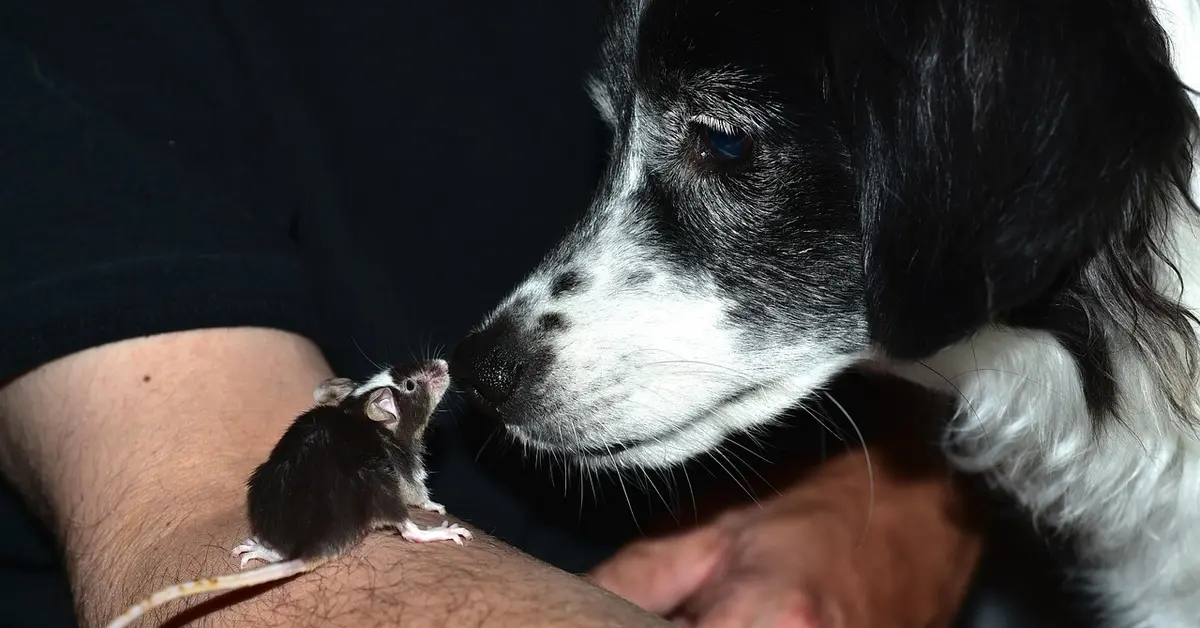
Understanding Dominance in Pet Mice
Unlike the Mouse King’s quest for power, dominance in a real mouse colony is less about villainy and more about establishing a stable social order. Mice create a hierarchy to reduce constant conflict, not to instigate it. You’ll often see this play out as one mouse consistently being the first to investigate new items or choose the best sleeping spot. My older mouse, Gregory, often takes this role, not through force, but through the calm confidence the younger mice seem to naturally defer to. This isn’t tyranny; it’s a system that provides structure and predictability for the entire group, making everyone feel more secure, as explained in mouse hierarchies.
- Dominance is established through posturing and gentle nudges, not violent battles.
- The “top” mouse often grooms the others, a behavior that reinforces social bonds.
- Hierarchies can shift, especially when new items are introduced or as mice age.
When Mice Do Show Aggression
True, harmful aggression in pet mice is rare and is almost always a sign of a serious problem. Barbering, where one mouse excessively grooms and chews the fur of another, is a more common sign of social stress than outright fighting. In my years of caring for mice, I’ve only witnessed genuine aggression a handful of times, and it was always linked to a major stressor like an overly small cage or a sudden, improper introduction. The high-pitched squeaks and frantic chases you might see are usually just rough play or brief squabbles over a prized treat, not a declaration of war.
- Barbering (hair chewing) is a passive-aggressive behavior that requires attention.
- True fights involve lunging, biting, and rolling balls of fur.
- Aggression is most often caused by lack of space, competition for resources, or illness.
What Can Mouse Owners Learn from The Nutcracker’s Battle Scene?
How to Introduce New Mice Without a Battle
The chaotic battle in the story is a perfect example of what not to do when introducing new mice. Throwing unfamiliar mice together is a recipe for disaster and stress. The key to a peaceful introduction is a completely neutral territory that smells like neither the old nor the new mice. I use a thoroughly cleaned plastic bin that my resident mice have never seen before. Start with short, supervised sessions, providing multiple hides and an abundance of scattered food to distract from potential conflict. Watch for curious sniffing and ignore the normal, noisy squabbling, but be ready to separate them if a real fight breaks out.
- Clean a neutral space like a bathtub or large bin.
- Scatter high-value treats like broken-up pasta or seeds everywhere.
- Add multiple cardboard boxes with at least two exit holes each.
- Supervise the group for 15-20 minutes at a time, extending the sessions over days.
- Only move them into a fully cleaned main cage once they are sleeping together peacefully.
Managing Conflicts Between Pet Mice
Even in the most harmonious groups, minor conflicts will occur, much like the occasional bickering in any family. Your primary job as an owner is not to stop every disagreement, but to ensure the environment prevents serious fights from starting. If I notice my impulsive mouse, Kenny, getting a bit too pushy with the more anxious Jeffery, I check that I’ve provided duplicates of everything—water bottles, food bowls, wheels, and hides. This eliminates competition. It’s important to tell normal dominance displays—brief, ritualized interactions—from true bullying, which is repeated and stressful. Spotting those signs early helps you decide when intervention or separation is necessary. If a true, persistent bully emerges, the kindest solution for all involved is often to house them separately, as a stressed mouse is an unhealthy mouse.
- Provide multiple resources to prevent resource guarding.
- A deeply cluttered cage with visual barriers can reduce tension.
- Monitor for wounds, significant weight loss, or a mouse that is constantly hiding.
- Be prepared to permanently separate mice if one is being relentlessly bullied.
The Cultural Impact of the Mouse King on How We See Mice
For generations, the Mouse King has painted rodents as scheming, villainous creatures, a portrayal that deeply influences public perception. This fictional tyrant creates an unfair bias, making people apprehensive about the gentle, real-life animals we cherish as pets. I’ve seen visitors flinch when they first meet my mice, a reaction born from this cultural storytelling, not from any genuine threat.
This narrative obscures the true nature of mice, who are complex social beings full of personality. Real mice are not miniature monarchs plotting world domination; they are small animals focused on safety, community, and finding their next tasty snack. My mouse Gregory, for instance, spends his days calmly observing his world, a far cry from the chaotic energy of his fictional counterpart. That raises the question: do mice have individual personalities? Research and long-time owners agree — mice show consistent, individual differences in behavior.
- Mice as Villains: The Mouse King archetype reinforces the idea of mice as pests or invaders, overshadowing their roles as companions.
- Loss of Nuance: This one-dimensional view ignores the vast spectrum of mouse personalities, from the bold explorer to the timid observer.
- Barrier to Empathy: When mice are consistently framed as antagonists, it becomes harder for people to see them as creatures deserving of care and compassion.
Creating Nutcracker-Themed Enrichment for Your Mice

We can reclaim this narrative by transforming the story’s elements into positive, engaging activities for our pets. Turning a tale of conflict into one of enrichment is a beautiful way to bond with your mice and celebrate their true natures. My trio, Kenny, Gregory, and Jeffery, adore when I refresh their habitat with new themes-it sparks their curiosity and provides hours of healthy stimulation.
Focus on creating a land of sweets they can safely explore without any battling kings. The goal is to build a stimulating environment that encourages natural behaviors like foraging, climbing, and nesting. Use untreated wood, cardboard, and paper for all constructions to ensure everything is chew-safe and non-toxic.
Safe Holiday Treats Inspired by the Christmas Story
Just like the festive treats in the Land of Sweets, you can offer your mice special holiday-themed snacks. Always remember that a mouse’s primary diet should consist of a high-quality lab block or pellet; these treats are just for occasional joy. I always watch my mice’s reactions to new foods-Jeffery’s cheerful nibbling is a sure sign of a hit.
- “Sugar Plum” Bites: A tiny piece of plain, cooked sweet potato or a single blueberry makes a perfect, natural sweet.
- “Candy Cane” Crunch: A small sliver of a plain, unsalted rice cake can provide a satisfying, safe crunch.
- “Gingerbread” Nibbles: Offer a single, plain, unsweetened oat ring from a healthy cereal as a wheaty treat.
- Festive Foraging Mix: Hide a few plain, unsalted sunflower seeds (Kenny’s favorite) and pieces of broken, whole-wheat pasta in their bedding for a rewarding scavenger hunt.
Avoid any actual candies, chocolates, or baked goods, as sugar and processed ingredients are harmful to their delicate systems. The real magic is in watching them discover these healthy treasures, their tiny paws and whiskers working busily. This positive interaction does more than any storybook to show how wonderful mice truly are.
Frequently Asked Questions
Who is the villain in Danger Mouse?
In the animated series Danger Mouse, the primary villain is Baron Silas Greenback, a toad who leads a criminal organization, though other antagonists like Stiletto Mafioso and Doctor Augustus P. Crumhorn III also appear. While these characters are fictional and not mice, their portrayals as cunning foes can influence how people perceive small animals, but in reality, pet mice are intelligent and social creatures that thrive on interaction and enrichment, not villainy.
Understanding this distinction helps mouse owners appreciate their pets’ natural curiosity and problem-solving skills, which are more about exploration and play than any malicious intent. By providing toys and mazes, you can channel these traits positively, much like how Danger Mouse’s adventures emphasize cleverness over brute force. Simple puzzle feeders, tunnels, and chewable brain-teasers are among the best enrichment toys to stimulate a mouse’s mind. These mimic natural foraging and exploration challenges, keeping mice mentally engaged and reducing boredom-related behaviors.
Who is the antagonist in Mouse Kdrama?
In the Korean drama Mouse, the antagonist is a serial killer, often depicted as a cunning and manipulative individual, though the series does not directly involve animal characters. This portrayal of evil in human form can inadvertently reinforce negative stereotypes about mice and other small animals being associated with deceit or danger, which is far from the truth for pet mice.
For mouse owners, it’s essential to recognize that real mice exhibit behaviors like grooming and nesting that promote social harmony, not malice. Creating a calm, structured habitat with hiding spots can help your mice feel secure, reducing any stress that might be misinterpreted as aggressive behavior. When mice are concerned, they may groom excessively or neglect grooming; look for over-grooming, fur loss, or dull coats as signs of stress. Addressing the source of stress usually restores normal grooming behavior.
Who is the villain in The Great Mouse Detective?
In Disney’s The Great Mouse Detective, the main villain is Professor Ratigan, a rat who aspires to overthrow the mouse monarchy and rule with cruelty. This character embodies traits like greed and ambition, which are often exaggerated in rodent villains, but real pet mice are more focused on community and safety within their groups.
Observing your mice’s social dynamics, such as how they establish hierarchies without violence, can help you appreciate their true nature. Mice are social animals that groom, play, and communicate through scent and ultrasonic calls to maintain bonds. Recognizing these behaviors lets you create housing and enrichment that support healthy group living. Providing a balanced environment with plenty of resources minimizes conflicts, ensuring your mice live peacefully, unlike the chaotic pursuits of fictional antagonists like Ratigan.
Your Path Forward
The storybook Mouse King might be a fearsome figure, but your real-life companions are gentle souls who thrive on quiet understanding and patient care. Let the tale remind you of their complex, social nature, but look to your own mice for the true story of loyalty and curious charm.
Every moment you spend observing their intricate behaviors and responding to their unique needs deepens a remarkable bond. Continue learning from them, and you’ll find the real magic isn’t in a fantasy battle, but in the quiet trust of a small companion.
Further Reading & Sources
- Mouse King (The Nutcracker) | Villains Wiki | Fandom
- Mouse King (The Nutcracker Prince) | Heroes and Villains Wiki | Fandom
- Mouse King (Nutcracker Prince) | Villains Wiki | Fandom
Isabella is a passionate small pet enthusiast with over 8 years of experience in caring for mice. She loves sharing practical tips and heartfelt stories to help fellow mouse owners provide the best care for their tiny companions.
Mice in Culture & Media