
How Your Pet Mouse’s Brain and Nervous System Work
Have you ever watched your mouse zip through its habitat with boundless energy or freeze at a sudden noise and wondered what’s really happening inside its tiny, complex mind?
This guide breaks down the science behind your mouse’s behavior and health in simple terms, giving you the knowledge to better care for your small friend. You’ll learn about the structure of a mouse’s brain, how their nervous system controls everything from curiosity to caution, and practical tips to recognize and support their mental well-being.
Understanding Your Mouse’s Brain and Nervous System Basics
Central Nervous System: The Brain and Spinal Cord
Your mouse’s central nervous system acts as the command center, processing every sensation and coordinating responses. The brain and spinal cord work together like a super-efficient control room, directing everything from quick escapes to gentle grooming sessions. I’ve noticed how this system allows my mice to react instantly to their environment, whether it’s Kenny bolting at a new sound or Gregory calmly assessing a situation.
Key Brain Regions and What They Control
- Cerebrum: Handles learning, memory, and decision-making-this is where your mouse figures out maze routes or remembers your scent.
- Cerebellum: Manages balance and coordination, essential for climbing and those playful leaps I see in Jeffery.
- Brainstem: Controls automatic functions like breathing and heart rate, keeping your mouse alive without conscious effort.
- Olfactory Bulb: Processes smells, which is why your mouse sniffs everything to understand its world.
Each region has a specific job, and when they sync up, your mouse behaves in wonderfully complex ways. Observing these areas in action helps you appreciate why your pet might freeze in curiosity or scamper with joy.
Peripheral Nervous System: Connecting Brain to Body
The peripheral nervous system is the network of nerves that carries messages between the central nervous system and the rest of the body. It’s like a communication highway, ensuring your mouse’s brain can tell its paws to move or its whiskers to twitch. This system splits into parts that handle voluntary actions, like running, and involuntary ones, like digesting food.
Sympathetic Response: When Your Mouse Feels Threatened
When your mouse senses danger, the sympathetic nervous system triggers a “fight or flight” reaction. You might see rapid breathing, a faster heartbeat, and alert postures-this is your mouse preparing to defend itself or flee. For instance, Jeffery often exhibits this when he hears sudden noises, his body tensing up ready for action.
- Pupils dilate to take in more visual information.
- Blood flow shifts to muscles for quick movement.
- Digestion slows so energy focuses on survival.
Recognizing these signs helps you create a calmer space, reducing stress for your pet. By minimizing loud disturbances, you support your mouse in feeling secure and less reactive.
Parasympathetic Response: Rest and Relaxation Mode
After a scare or during quiet times, the parasympathetic nervous system takes over to promote recovery. This is when your mouse relaxes, digests food, and conserves energy, often seen in Gregory during his nap times. It counteracts the sympathetic response, bringing the body back to a balanced state.
- Heart rate and breathing slow to a resting pace.
- Digestive processes activate, aiding in nutrient absorption.
- Muscles relax, leading to peaceful sleeping or grooming behaviors.
Providing cozy hiding spots and a consistent routine encourages this mode. A stable environment lets your mouse switch into relaxation more easily, fostering overall well-being.
How Neurons and Neural Circuits Power Mouse Behavior
How Mouse Brains Process Information and Learn
Neurons are the building blocks of your mouse’s brain, firing signals to process information from senses like touch and sound. These cells form circuits that strengthen with experience, allowing your mouse to learn tricks or avoid hazards over time. I’ve watched Kenny master new obstacles by repeating actions, which reinforces those neural pathways.
- Sensory input-like a treat’s smell-travels to the brain via neurons.
- Synapses, the connections between neurons, adjust based on repetition, making learning possible.
- Memory formation occurs as circuits become more efficient, helping your mouse recall safe routes or familiar faces.
Engaging your mouse with puzzles or training sessions supports this process. Varied interactions keep those neural networks active and adaptable, much like how Jeffery’s cautious approach evolves with gentle encouragement.
Motor Pathways: From Brain Signal to Physical Movement
Motor pathways are the routes that carry commands from the brain to muscles, enabling everything from a simple twitch to a full sprint. When your mouse decides to move, these pathways ensure the message is delivered quickly and accurately. This is why you see such precise actions, like Gregory’s steady climbs or Kenny’s sudden dashes.
- The brain’s motor cortex plans the movement based on intent.
- Signals travel down the spinal cord and through peripheral nerves.
- Muscles contract or relax in response, creating smooth, coordinated motion.
Regular exercise and enrichment items help maintain these pathways. Keeping your mouse active supports healthy neural function, reducing the risk of stiffness or coordination issues as they age. But exercise doesn’t have to come only from a wheel. Offer varied enrichment—tunnels, climbing structures, chew toys, and foraging puzzles—to stimulate both body and mind.
What Your Mouse’s Brain Controls in Daily Life

Sensory Processing and Environmental Awareness
Your mouse’s brain is a constant hub of sensory information, processing a world you can only imagine. Their vision is poor, so their brain dedicates immense resources to interpreting sounds and smells far beyond our perception. Every new scent in the room is analyzed, every faint squeak is decoded, and every vibration through the floor is a potential message. I notice this with my own mice; Kenny will freeze mid-scamper, his entire body focused on a sound I haven’t even registered, his brain deciding if it’s a threat or a curiosity. Their senses — smell, sound, and touch — are how they map their world. Those cues create a rich, tactile and olfactory reality we rarely notice.
Their whiskers, or vibrissae, are direct extensions of their nervous system. Each delicate whisker sweep sends a flood of tactile data to the brain, creating a detailed 3D map of their immediate surroundings. This is how they navigate so expertly in near-total darkness, judging the width of a tunnel or the texture of a new toy purely through touch. You’ll see this when your mouse cautiously approaches a new object, whiskers twitching furiously as their brain builds a picture of it. The primary purpose of these whiskers (vibrissae) is sensory: to gather tactile information that guides exploration and prevents injury. They act like living antennae, translating touch into immediate behavioral decisions.
Memory, Learning, and Spatial Navigation
The mouse hippocampus, a key brain region for memory, is a marvel of efficiency. Mice possess impressive spatial memory, capable of creating complex mental maps of their entire territory. They remember every tunnel route, the exact location of their food stash, and which hideouts feel the safest. My older mouse, Gregory, demonstrates this perfectly; he has established set pathways in his enclosure that he follows with deliberate, patient steps, a walking testament to a well-formed mental layout.
Learning is a continuous process driven by their brain’s adaptability.
- They quickly learn to associate the sound of a treat bag with a forthcoming reward.
- They can be taught simple puzzles, like navigating a small maze for a piece of aged cheese.
- Negative experiences, like a fright from a sudden loud noise, are also remembered to promote future caution.
This capacity for associative learning means your daily interactions directly shape their behavior and expectations.
Social Behavior and Emotional Responses
The social dynamics within a mouse group are orchestrated by their brains. Their brains are finely tuned to interpret the subtle body language and ultrasonic vocalizations of their cage mates. Playful chasing, gentle grooming, and even the occasional mild squabble are all governed by complex neurological signals. I see this in the way my cheerful but anxious mouse, Jeffery, will immediately look to his bolder brother Kenny for cues on whether a new situation is safe. These patterns of communication and role-taking make mice truly social animals. They form hierarchies and bonds that affect their survival and wellbeing.
Mice experience a range of emotions that stem from brain chemistry.
- Curiosity and the drive to explore new items in their cage.
- Contentment, often shown by relaxed grooming or peaceful sleeping in a pile.
- Anxiety or fear, which can manifest as hiding, freezing, or jumpiness.
Providing a stable, enriching environment supports positive emotional states and reduces stress on their nervous systems.
Eating, Sleeping, and Body Regulation
The mouse brain is the master controller for all basic life functions. A tiny region called the hypothalamus works tirelessly behind the scenes to regulate hunger, thirst, and sleep-wake cycles. It tells your mouse when it’s time to forage for those prized sunflower seeds and when it’s time to curl up for a nap. This is why a consistent day/night cycle is so beneficial for them; it helps keep their internal clock, or circadian rhythm, in sync. For more details on how mice manage their sleep patterns, check out this guide to mouse sleep-wake cycles.
Even the simple act of eating is a complex neurological event.
- The brain receives signals about energy levels from the body.
- It triggers the sensation of hunger.
- It coordinates the fine motor skills needed to grasp and nibble food.
- Finally, it registers satiety, signaling your mouse to stop eating.
Any disruption in this elegant system can be one of the first signs that something is wrong neurologically.
Recognizing Neurological Problems in Pet Mice
Common Symptoms of Nervous System Disorders
Catching a neurological issue early can make a significant difference. Often, the earliest signs are subtle changes in normal behavior rather than dramatic physical symptoms. You know your mouse’s personality better than anyone, so trust your instincts if something seems off. A mouse that was once bold and exploratory becoming reclusive is a red flag, just as a normally calm mouse becoming unusually agitated can be.
Be vigilant for these common indicators:
- Lethargy or a pronounced lack of energy and interest in surroundings.
- Disorientation, such as seeming lost in a familiar space.
- Changes in social behavior, like uncharacteristic aggression or isolation from the group.
- A sudden loss of coordination or clumsiness.
- Noticeable changes in appetite or drinking habits.
Your careful observation is the first and most important line of defense for your pet’s health.
Why Is My Mouse Twitching or Shaking?
Seeing your mouse twitch or shake can be frightening, but it’s crucial to identify the context. Small, rapid whisker twitches and vibrissae movement are usually normal signs of active environmental scanning. Similarly, a mouse might shiver briefly if they are cold or experiencing a sudden spike of fear or excitement. My mouse Jeffery often has a fine, nervous tremor when he’s feeling unsure, which settles once he feels secure.
However, certain types of shaking are cause for concern.
- Full-body tremors that the mouse cannot control.
- Repetitive, jerky movements of the limbs or head that occur without any obvious trigger.
- Twitching that persists even when the mouse is asleep or completely at rest.
Persistent, involuntary shaking, especially when combined with other symptoms, warrants an immediate veterinary consultation.
Head Tilts, Circling, and Balance Issues
A head tilt or a tendency to walk in circles is almost always a sign of a serious problem. This cluster of symptoms typically points to an issue with the vestibular system, the part of the inner ear and brain that controls balance. It’s the mouse equivalent of a severe and perpetual dizzy spell. Imagine trying to walk straight while the world is constantly spinning around you; that is what your mouse is experiencing.
These conditions can be caused by:
- Inner ear infections, which are painful and can affect the balance organs.
- A small stroke or other neurological event affecting the brainstem.
- A pituitary tumor pressing on specific parts of the brain.
A mouse displaying a head tilt or circling is in distress and requires prompt veterinary diagnosis and supportive care to manage their symptoms and maintain their quality of life.
Seizures and Abnormal Movements
Witnessing a seizure in your mouse is a deeply alarming experience. Seizures are the result of abnormal, excessive electrical activity in the brain, causing a temporary disruption in normal function. They can range from very subtle to violent and unmistakable. It’s a stark reminder of how powerful and delicate their nervous system truly is.
Signs of a seizure can include:
- Sudden collapse and loss of consciousness.
- Stiffening of the body or limbs.
- Paddling or jerking motions with the legs.
- Chomping or foaming at the mouth.
- A period of extreme confusion or blindness following the event.
If you suspect your mouse is having a seizure, ensure they are in a safe, soft space where they cannot fall or injure themselves, and contact your veterinarian as soon as possible.
Protecting and Supporting Your Mouse’s Brain Health
Nutrition for Neurological Health
What you feed your mouse directly fuels its cognitive function, acting like premium fuel for a tiny, complex engine. A diet rich in specific nutrients can directly support memory, learning capacity, and overall brain cell health. I always look for a high-quality commercial lab block as their staple, as it’s scientifically formulated for balanced nutrition. It’s a better choice than seed mixes for consistent nutrition.
- Omega-3 Fatty Acids: A sprinkle of flaxseed or a tiny bit of walnut can provide these, which are fundamental for building and maintaining healthy brain cell membranes.
- Antioxidants: Offer small pieces of blueberry, kale, or broccoli. These compounds help combat oxidative stress that can damage delicate neural tissues over time.
- Vitamin E: Found in sunflower seeds and spinach, this vitamin is a powerful antioxidant specifically protective of nerve cells. My mouse Kenny goes wild for his single, weekly sunflower seed reward.
- B Vitamins: A varied diet including whole grains and greens supports energy production within the brain itself, keeping their mental processes sharp.
Avoid sugary treats and overly fatty foods, as these can lead to inflammation that negatively impacts cognitive function. Think of their food bowl as the first and most impactful line of defense for their neurological wellness.
Reducing Stress and Supporting Mental Wellbeing
A stressed mouse is a mouse whose brain is constantly in a state of high alert, which can be mentally exhausting and harmful over the long term. Creating a predictable, safe environment is the single greatest gift you can give your mouse’s mental state. Sudden loud noises, frequent cage rearrangements, or the presence of predators like cats can keep their nervous system on edge.
- Provide multiple, enclosed hiding spots so they always have a retreat to feel secure.
- Maintain a consistent light/dark cycle; avoid bright lights in their room at night.
- House mice in compatible pairs or small groups. Social grooming and interaction are natural stress-relievers. My older mouse, Gregory, seems far more content and less grumpy with his younger cage mates for company.
- Introduce any changes to their cage or routine very gradually over several days.
Watch for signs of chronic stress like excessive barbering (fur chewing), constant hiding, or increased skittishness. A calm mouse is more curious, more interactive, and ultimately, a happier companion. Refer to the visual behavioral guide for clear images and quick descriptions of these stress signs. It makes spotting problems and choosing the right response easier.
Enrichment Activities That Stimulate Neural Circuits
Mice are natural problem-solvers and foragers, and their brains thrive when given puzzles to solve. Enrichment isn’t just about preventing boredom; it’s about actively building stronger, more complex neural pathways. I rotate different activities weekly to keep their minds engaged and challenged. This stimulation promotes neurogenesis and synaptic plasticity in the mouse brain, improving learning and stress resilience. That’s why enrichment is crucial for healthy cognitive development and overall welfare.
- Foraging Puzzles: Hide their daily food ration inside empty toilet paper tubes stuffed with hay, in a dig box filled with safe soil and corn cob bedding, or in a commercially available puzzle feeder.
- Novel Objects: Introduce new, mouse-safe items for them to investigate, such as a small ceramic cup, a ping pong ball, or different textured fabrics. Novelty encourages exploration and sensory processing.
- Climbing Structures: Providing ropes, branches, and ledges encourages spatial reasoning and physical coordination, which is deeply linked to cerebellar function.
Training and Tricks: Use their favorite treat, like a crumb for Jeffery, to train them to come to a specific sound or navigate a small agility course. This engages their learning and memory centers.
An enriched environment directly correlates with a more resilient and adaptable brain. You are essentially providing a gym membership for your mouse’s mind. Choosing the best enrichment toys—puzzles, foraging feeders, and chewable manipulatives—helps channel that mental workout into measurable cognitive gains. Below are top picks that effectively stimulate a mouse’s curiosity and problem-solving skills.
Safe Handling Based on Nervous System Understanding
How you handle your mouse is a direct interaction with its nervous system, and doing it correctly builds trust instead of fear. Always approach from the side where they can see you, never from directly above as this mimics a predator. Their vision is poor, so sudden movements from above can trigger a primal panic response. These handling principles form the foundation of a complete guide to taming a scared, skittish mouse—gradual, predictable interactions and patience are essential. Follow small, step-by-step techniques that build trust without overwhelming the animal.
- Let them come to you. Offer your hand, palm down, at the entrance of their hide and allow them to sniff and investigate.
- Scoop them up gently with two cupped hands, providing full support for their body and feet. Never pick them up by the tail, as this can cause pain and injury.
- Hold them close to your body or just over a soft, secure surface like your lap or their open cage. This prevents a long, frightening fall if they jump.
- Keep handling sessions short and positive, especially for new or nervous mice. End with a tiny treat to create a positive association.
Respect their body language; if they are squirming excessively or trying to flee, it’s time to put them down. Patient, respectful handling teaches your mouse’s brain that you are a source of safety, not a threat.
When to Seek Veterinary Care for Neurological Issues
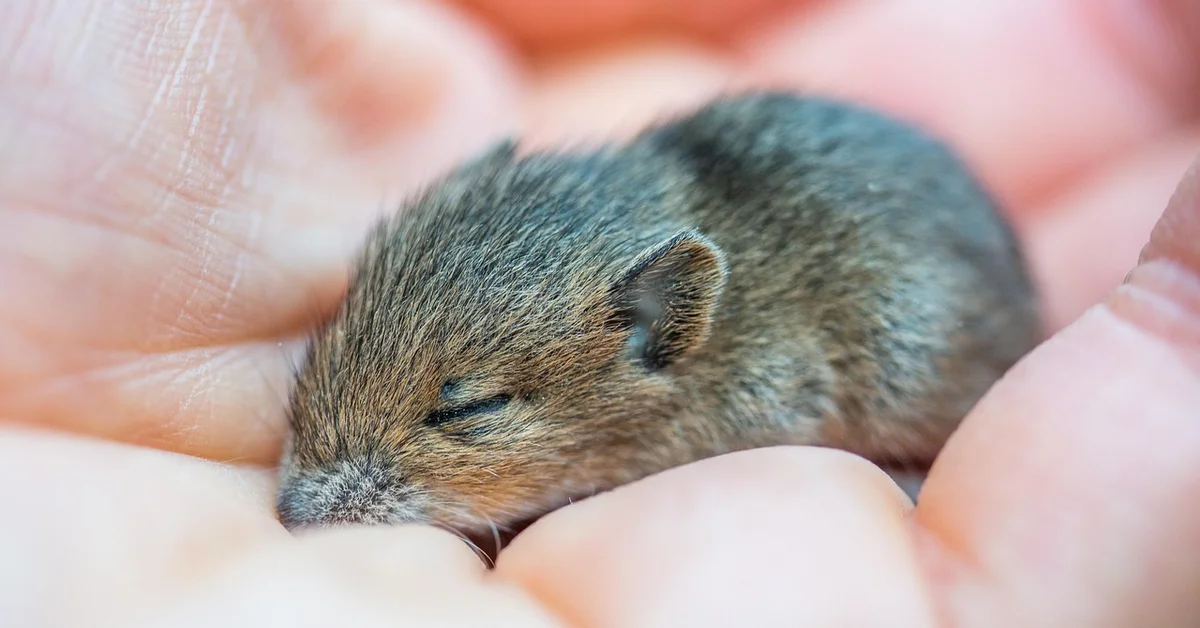
Recognizing the signs of a neurological problem early can make a significant difference in your mouse’s quality of life and treatment options. Any sudden or dramatic change in your mouse’s behavior, coordination, or appearance warrants immediate attention from an exotic vet. Do not adopt a “wait and see” approach with these symptoms.
- Circling or Head Tilting: Consistent circling in one direction or a persistent head tilt often indicates an inner ear infection or a neurological disorder.
- Loss of Balance or Coordination: Stumbling, falling over, or an inability to walk in a straight line are serious red flags.
- Seizures: Uncontrolled twitching, stiffening, or convulsions are a medical emergency.
- Partial or Full Paralysis: Dragging of the back legs is a common sign of a spinal injury or other neurological damage.
- Sudden, Unexplained Aggression or Lethargy: A drastic shift in personality can point to pain or a brain issue.
- Self-Mutilation: Excessive scratching or chewing at a specific body part can indicate a neurological “misfire” causing phantom sensations.
I learned this the hard way when one of my previous mice began walking in tight circles; a prompt vet visit diagnosed an infection that was treatable with antibiotics. Trust your instincts-you know your mouse’s normal behavior better than anyone.
Frequently Asked Questions
Is there a diagram of a mouse’s nervous system?
While this article describes the components in detail, a visual diagram can help illustrate how the central and peripheral nervous systems connect. Diagrams typically show the brain, spinal cord, and nerve pathways, aiding in understanding their role in behavior and health. For accurate diagrams, consult veterinary anatomy resources or reputable pet care sites that focus on rodent biology.
Where can I find a PDF on the mouse nervous system?
PDFs with in-depth information on the mouse nervous system are often available through academic journals, veterinary schools, or exotic pet care organizations. These resources can provide supplementary details on anatomy and function. Always verify the source’s credibility to ensure it aligns with current scientific knowledge for proper pet care guidance.
How many neurons does a mouse have?
A mouse’s brain contains roughly 70-100 million neurons, enabling complex behaviors like learning and navigation despite its small size. This neuronal network allows for efficient sensory processing and memory formation, which are crucial for their daily activities and interactions in a home environment.
Your Path Forward with Your Mouse’s Mind
Witnessing your mouse explore, solve puzzles, and form bonds offers a direct window into their remarkable nervous system at work. Every twitching whisker and curious sniff is a testament to the complex brain orchestrating their world.
By providing a habitat rich in mental challenges and safe exploration, you are directly supporting their cognitive health and emotional well-being. Your thoughtful care helps nurture a sharp, happy, and deeply fascinating little companion.
Further Reading & Sources
- The molecular cytoarchitecture of the adult mouse brain | Nature
- Spatial atlas of the mouse central nervous system at molecular resolution | Nature
- Molecular atlas of the adult mouse brain | Science Advances
Isabella is a passionate small pet enthusiast with over 8 years of experience in caring for mice. She loves sharing practical tips and heartfelt stories to help fellow mouse owners provide the best care for their tiny companions.
Mouse Biology & Anatomy