
Mouse Senses: How Your Pet Experiences the World
Ever wonder why your mouse reacts so strongly to a new scent or a sudden sound? The world looks, sounds, and feels entirely different from their tiny perspective, and learning to see it through their senses is the first step to becoming a truly great mouse owner.
This guide will break down the incredible mechanics of smell, sound, and touch to help you build a stronger bond with your pet. You will learn how their powerful nose guides every decision, how they hear frequencies we can’t, and why their delicate whiskers are a primary tool for navigating life in the dark.
The Olfactory World of Mice: Understanding Their Sense of Smell
A mouse perceives the world not primarily through sight, but through an intricate landscape of scent that guides every aspect of its life. Their survival, social structures, and daily routines are all orchestrated by a symphony of smells invisible to us. To understand your pet is to begin to appreciate this aromatic universe.
Mouse Smell Anatomy and Function
The mouse nose is a biological marvel, equipped with two powerful scent-processing systems. The main olfactory system, with its millions of receptors in the olfactory epithelium, identifies everyday odors like food and bedding. Meanwhile, the vomeronasal organ (or Jacobson’s organ) acts as a dedicated pheromone decoder, picking up chemical signals from other mice. You’ll see this organ in action when your mouse performs a ‘flehmen response’—lifting its head and pulling back its lips to better channel scents to this special detector. Humans also leave distinctive scents that mice can learn, helping them recognize their owners over time. In everyday handling, many pet mice show a preference for familiar people and may approach or nuzzle a known owner.
Every twitch of their whiskers and rapid sniff is a deliberate act of gathering data. They can detect the lingering odor of a predator’s passing, the enticing aroma of a hidden sunflower seed, or the complex chemical signature of a potential mate or rival. This constant flow of information dictates their confidence, curiosity, and caution.
Comparing Mouse Olfaction to Other Species
The scale of a mouse’s olfactory ability is almost beyond human comprehension. While humans possess a respectable 6 million olfactory receptors and dogs a staggering 300 million, mice operate with an estimated 1,000 receptors dedicated solely to pheromones, backed by a main olfactory system of immense sensitivity. Think of human smell as a single candle flame, a dog’s as a bright spotlight, and a mouse’s as a full-spectrum sensor detecting heat, light, and motion we never knew existed. In the social world of mice, scent marking conveys territory, reproductive status, and individual identity through chemical cues. These olfactory signals are parsed by a mouse’s keen system to guide social interactions.
This incredible sensitivity means the world you share with your mouse is filled with intense, layered smells. A perfume you barely notice can be an overwhelming chemical cloud to them, and the faint scent of a cat on your clothes can trigger a profound stress response. Their reality is painted with a brush we cannot see.
Enrichment Through Scent
You can engage this powerful sense to create a stimulating and joyful environment for your pet. Scent-based games tap directly into their natural instincts.
- Create a foraging trail by rubbing a tiny piece of apple or a safe herb along a route leading to a hidden treat.
- Introduce new, safe scents by placing a sprig of rosemary, basil, or dill in their enclosure for a few hours. Watch how they investigate and react.
- Rotate their bedding from one section of the cage to another during spot-cleaning to maintain a familiar but redistributed home scent, which is comforting.
Pay close attention to their behavior. A curious, repeated sniffing and relaxed posture means they approve. If they avoid an area or sneeze excessively, remove the new scent. Observing these subtle reactions is a wonderful way to build a deeper, non-verbal bond with your mouse. My mouse, Kenny, will follow a crumb trail with a focus I can only describe as absolute determination.
Auditory Perception in Mice: How They Hear and Communicate
While we live in a world of audible conversation, mice inhabit a realm rich with ultrasonic chatter and high-frequency details. Their hearing is tuned to frequencies far beyond the upper limit of human perception, making their acoustic experience profoundly different from our own. What we perceive as silence is often filled with sound for them. These squeaks carry meanings beyond our hearing, signaling alarm, curiosity, or social intent. By paying attention to the patterns, durations, and contexts of these sounds, we can begin to interpret what a mouse is trying to convey.
The Science of Mouse Hearing
A mouse’s ears are not just for hearing our voices; they are sophisticated survival tools. Their large pinnae (the external part of the ear) are highly mobile, acting like satellite dishes to pinpoint the faintest rustle or the highest-pitched squeak. They can hear frequencies from 1 kHz all the way up to an astonishing 100 kHz, while human hearing typically tops out at a mere 20 kHz.
This means common household events are a cacophony for your tiny companion. The high-pitched whine of a television, the buzz of a phone charger, or the vacuum cleaner in another room are not just background noise-they are prominent, and sometimes alarming, features of their soundscape. A sudden, loud noise can cause a mouse to freeze or flee, a clear sign of auditory stress.
Ultrasonic Communication and Care
Much of mouse society is conducted in a register we cannot hear. They use ultrasonic vocalizations between 30-110 kHz for a variety of social interactions, from playful pup calls to complex courtship songs. Your mice are likely having lengthy, intricate conversations with each other right before your eyes, completely unbeknownst to you. In close-contact situations they also rely on vibrational cues—tiny body buzzes and whisker taps—that you can’t hear. These tactile signals help coordinate grooming, play, and mating.
This hidden world of sound requires thoughtful care from you. Fear and anxiety are common in pet mice, and understanding that helps you respond with care. Creating a calm, secure space can comfort a scared mouse and ease their nerves. Be mindful of ultrasonic pest repellers, as these devices emit a constant, stressful noise for pet mice. The presence of barking dogs or chirping birds can also be a source of anxiety. Providing plenty of deep bedding and enclosed hides allows your mice to dampen these unsettling sounds and feel secure. I’ve noticed my more anxious mouse, Jeffery, appreciates a cage placed in a calm corner away from the hustle of the home, where he can engage in his quiet, ultrasonic chats with his cage mates without interruption.
Tactile Sensitivity: The Role of Touch in a Mouse’s Life
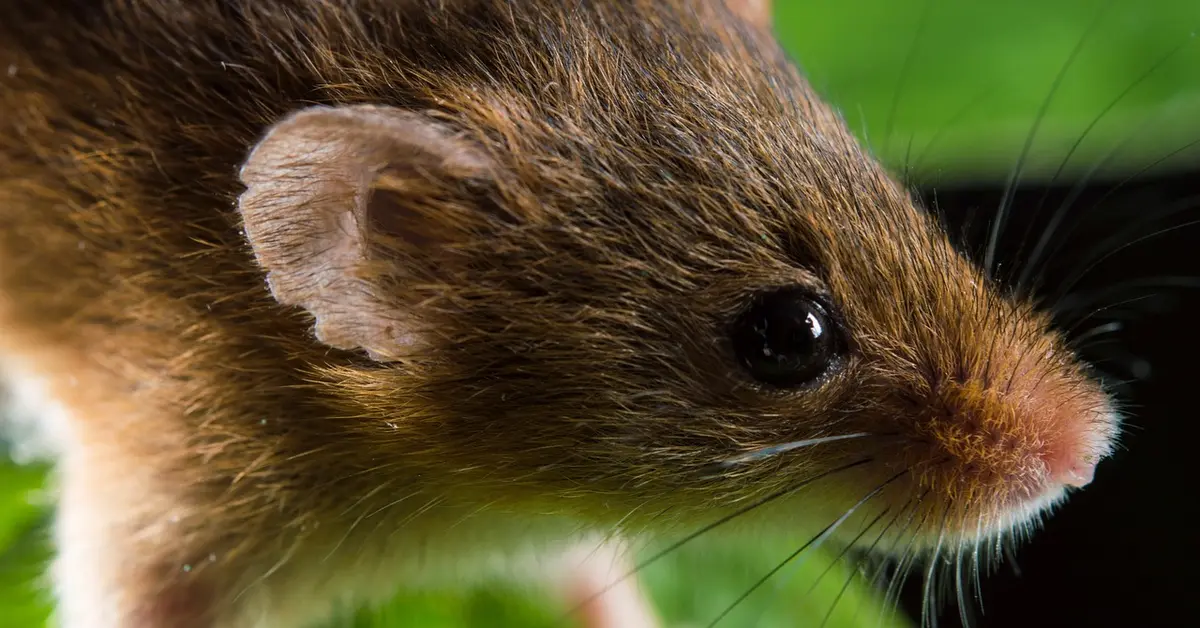
A mouse’s understanding of the world is profoundly shaped by physical contact, with their whiskers acting as finely tuned, high-precision tools. These specialized hairs, called vibrissae, are deeply rooted in follicles packed with nerves, sending a constant stream of tactile information directly to a highly developed part of their brain known as the somatosensory cortex. This biological system allows them to build a detailed mental map of their surroundings, discerning the subtlest differences in texture, judging the width of an opening, and even detecting slight air currents.
You can observe this system in action by watching your mouse explore. Their whiskers are in constant, rhythmic motion, sweeping back and forth to actively gather information about object shape, distance, and surface quality. This is not a passive sense; it is an active investigation. They use this data to navigate flawlessly in darkness, identify friends from potential threats with a brief nuzzle, and determine if a surface is safe to climb.
Providing a variety of textures is a simple yet profound way to enrich their environment. Offering different materials engages their natural curiosity and provides essential mental stimulation, preventing the boredom that can lead to stress behaviors. Think beyond just soft bedding; include rough surfaces for climbing and smooth platforms for resting.
Always be attentive to how your mouse responds to touch. Signs of touch-related stress can include over-grooming to the point of creating bald patches, flinching away from your hand, or actively avoiding certain textured items in their enclosure. These are clear indicators that something in their environment is causing discomfort and needs adjustment. This is the kind of information a signs stress mice visual behavioral guide is designed to illustrate, often with photos or diagrams. A visual guide helps you spot and respond to stress signs more quickly.
Whiskers and Environmental Interaction
Whiskers are fundamental to a mouse’s spatial awareness and social life. They rely on these delicate sensors to judge if they can fit through a gap, to maintain balance on narrow ledges, and to communicate intent during social interactions with cage mates. A gentle whisker touch between mice can be a friendly greeting, much like a handshake.
Respecting this sensitivity is crucial for building trust during handling. Always approach your mouse from the front and within their line of sight, allowing them to sense you with their whiskers before you make contact. Avoid touching their whiskers directly or picking them up from above in a way that bends these vital sensors, as this can be startling and disorienting for them.
Texture-Based Enrichment Strategies
Introducing new textures encourages natural behaviors like foraging, digging, and climbing. Here are some materials and toys to consider:
- Cork bark rounds and tiles for climbing and gnawing.
- Seagrass mats and tunnels for exploring rough, natural fibers.
- A small dish of smooth, river rocks for them to walk over.
- Different bedding materials like aspen shavings in one area and a soft, paper-based nesting material in another.
- Untreated wooden blocks with varying bark textures.
To prevent your mouse from feeling overwhelmed, follow these steps for introducing new textures:
- Place the new item near the edge of the cage, not in the middle of their established pathways.
- Let them investigate it on their own terms for at least 24 hours before moving it.
- Observe their behavior; if they seem curious and interact with it, you can integrate it more fully into their habitat.
- If they avoid it entirely, try a different texture or a smaller piece of the same material.
Integrating Sensory Knowledge for Better Mouse Care
The most fulfilling habitat for a mouse is one that thoughtfully engages all their senses in harmony. By combining what we know about their powerful sense of smell, their acute hearing, and their delicate touch, we can create a living space that feels both stimulating and deeply secure. This holistic approach moves beyond basic survival and into the realm of true well-being, allowing their natural instincts to flourish.
Use this simple checklist to regularly assess your mouse’s sensory health and happiness:
- Are they exploring their cage actively and with curiosity?
- Do they respond to familiar sounds, like a treat bag rustling, with eager anticipation rather than fear?
- Is their grooming behavior normal, without any bald spots or irritated skin?
- Do they interact comfortably with their cage mates, with minimal tension or chasing?
- Are they sleeping soundly and eating regularly?
Create multi-sensory play experiences to engage their whole being. Try building a small obstacle course with cardboard tubes that have been lightly scented with a drop of vanilla extract and lined with different fabrics, encouraging them to use smell, touch, and spatial awareness all at once. Watching my mouse, Jeffery, tentatively explore a crinkly paper bag I had rubbed with a used nesting pouch was a perfect example of this multi-layered investigation.
Creating a Sensory-Friendly Habitat
Striking a balance between stimulation and calm is the ultimate goal. Designate specific zones within the cage-a quiet, deeply bedded sleeping area, a central space for active play with toys, and a dedicated corner for foraging activities. This structure provides predictable rhythms, which are comforting for a small prey animal.
Your most valuable tool is careful observation. Take note of your mouse’s individual preferences; one might love burrowing in deep, soft paper bedding while another, like my Gregory, prefers the firm, stable feel of a solid wood platform. One might be fascinated by a silent spinner while another is stressed by its movement. Catering to these personal tastes is the heart of excellent care.
Monitoring for Sensory Overload or Deficits
A change in behavior is often the first sign that their sensory environment is out of balance. Be alert for these signals:
- Hiding more than usual and refusing to come out for treats.
- Jumping or freezing at ordinary household sounds they previously ignored.
- Ceasing to explore new items placed in their cage.
- Developing repetitive behaviors like barbering cage mates’ fur or pacing.
If you notice any of these signs, simple modifications can make a world of difference. Reducing stress can be as straightforward as moving the cage to a quieter part of the room, swapping out a noisy wheel for a silent one, or providing more hiding spots to create a greater sense of security. Promoting natural instincts, like hiding their food in cardboard egg cartons instead of a bowl, gives them a positive and engaging outlet for their energy.
Frequently Asked Questions

Are mice sensitive to smell?
Yes, mice are extremely sensitive to smell, relying on it for survival, social interactions, and navigation. Their powerful olfactory systems can detect faint odors, such as predators or food, from a distance, making them highly responsive to scents in their environment. When they smell a cat, many mice will abandon the area and retreat to safer spots. The presence of a cat’s scent can provoke an immediate evacuation as they seek cover.
This sensitivity means that strong or unfamiliar smells, like perfumes or cleaning products, can cause stress or discomfort. As a pet owner, it’s important to maintain a neutral scent profile in their living space to keep them calm and healthy.
What does mouse odor smell like?
Mouse odor is often described as musky or slightly sweet, resulting from their natural scent glands and waste. The intensity can vary based on factors like diet, cage cleanliness, and the number of mice housed together. To reduce mouse odor at home, maintain regular cage cleaning and prompt waste removal. Good ventilation and fresh bedding further help keep odors under control.
Regular spot-cleaning and proper ventilation can help minimize this odor. Using safe, unscented bedding and avoiding strong-smelling substrates will also reduce any unpleasant smells while keeping your pets comfortable.
How does a mouse’s sense of smell compare to a dog’s?
Mice and dogs both have exceptional senses of smell, but they serve different purposes. Mice excel in detecting pheromones and subtle chemical signals for communication and survival in close quarters, while dogs are better at tracking scents over longer distances due to their training and anatomy.
Although dogs have more olfactory receptors overall, mice are highly specialized for their ecological niche, making their sense of smell incredibly efficient for their size and needs. This difference highlights why each species’ smelling abilities are adapted to their unique lifestyles. Similarly, cats rely on their sharp sense of smell to detect mice, following scent trails and signatures. Mice, in turn, are highly attuned to odors for foraging and avoiding predators, completing the predator–prey olfactory picture.
Your Path Forward
Grasping how your mouse interprets the world through scent, subtle sounds, and gentle touches is the key to a deeper, more harmonious relationship. This insight allows you to see their environment not as a simple cage, but as a rich landscape full of information and connection. You are now equipped to notice the small details that speak volumes about their comfort and curiosity.
Embrace this new perspective as you watch your mice explore and interact each day. Your mindful attention to their sensory world will help you become a more responsive and caring companion, turning everyday care into a shared adventure. Trust in your growing knowledge-it’s the foundation for a happy, thriving life together.
Further Reading & Sources
- A mouse’s view of the world, seen through its whiskers – Berkeley News
- Senses in rats & mice, the formidable pests | Kestrel Pest Management
- With Hybrid Brains, These Mice Smell Like a Rat | Columbia University Irving Medical Center
Isabella is a passionate small pet enthusiast with over 8 years of experience in caring for mice. She loves sharing practical tips and heartfelt stories to help fellow mouse owners provide the best care for their tiny companions.
Mouse Biology & Anatomy