
Mouse Shows: Past and Present
Have you ever been curious about how mouse shows started and why they continue to captivate pet owners like us? Drawing from my years of experience with mice like Kenny and Gregory, I’ll walk you through the rich history and exciting changes in these events, giving you a clear and engaging roadmap.
We’ll journey together through the origins of mouse shows and their humble beginnings in small gatherings, explore how judging and presentation have evolved to emphasize health and companionship, and uncover the lively, inclusive spirit that defines today’s mouse exhibitions.
What Mouse Shows Actually Are
Mouse shows are gatherings where enthusiasts bring their pet mice to be evaluated based on specific standards, much like dog or cat shows but on a smaller, more intimate scale. These events celebrate the unique beauty and personality of each mouse, fostering a community of dedicated caretakers. You’ll find them to be a blend of friendly competition and shared learning, where everyone from novices to experts can exchange tips and admire these tiny companions.
Show Formats and Class Types
Shows vary from casual local meet-ups to formal national exhibitions, each with its own vibe and rules. Common formats include “open shows” where any mouse can enter, and “specialty shows” focused on specific traits like color or coat type. Classes help organize entries so mice compete against others with similar characteristics, making it fair and fun for all participants.
- By Age: Classes for juniors (young mice), adults, and seniors (older mice) ensure age-appropriate judging.
- By Color and Markings: Groups for solid colors, patterned coats, or unique markings like brindle or spotted.
- By Coat Type: Categories for satin, rex, or long-haired coats highlight texture and sheen.
- By Temperament: Some shows include “handling classes” where mice are judged on how calmly they interact with people.
In my own experience, mice like Kenny-bold and impulsive-might excel in handling classes due to their curiosity, while Gregory’s steady nature could shine in conformation rounds. Choosing the right class lets you showcase what makes your mouse special without overwhelming them.
How Judges Evaluate Mice
Judges assess mice using a detailed point system that prioritizes health, structure, and behavior. They start by checking overall vitality, looking for bright eyes, clean fur, and active movement as signs of a well-cared-for pet. This process isn’t just about looks; it’s about ensuring every mouse is thriving in a loving home.
- Health and Condition: Judges examine for clear respiratory sounds, a glossy coat, and proper weight-no signs of illness or stress.
- Conformation: They evaluate body proportions, ear shape, and tail alignment against breed standards for balance and symmetry.
- Temperament: Mice are observed for calmness and responsiveness; nervous ones like Jeffery might get extra patience from judges.
- Unique Traits: Special features, such as rare colors or exceptional grooming, can earn bonus points in certain classes.
I’ve seen how a judge’s gentle approach can put even anxious mice at ease, turning the evaluation into a positive experience. Focusing on these criteria helps you understand what makes a mouse stand out and how to support their well-being every day.
The History of Fancy Mouse Shows
The story of mouse shows is a tale of passion and persistence, reflecting how these small pets captured hearts over generations. From Victorian drawing rooms to modern online communities, the evolution of shows mirrors our growing appreciation for mice as companions. The term “fancy mice” comes from the hobby of mouse fancy and the selective breeding that created distinct color, pattern and temperament varieties. Learning this history deepens your connection to the hobby and highlights the care that has shaped today’s standards.
Victorian Era Through Early 1900s
Fancy mouse shows began in 19th-century England, where aristocrats and hobbyists bred mice for unique colors and patterns as a fashionable pastime. Early events were often held in private homes or clubs, with judges favoring mice that exhibited novel traits like albinism or satin coats. These gatherings laid the groundwork for formal standards, emphasizing elegance and rarity in breeding. The practice soon fed into a wider Victorian mouse craze, as public exhibitions, illustrated magazines, and popular press coverage helped turn pet mice into a national fad. What began as an aristocratic pastime became a fashionable hobby embraced across social classes.
- Pioneering Clubs: Groups like the National Mouse Club in the UK established the first rulebooks and show schedules.
- Popularity Surge: Mice became symbols of curiosity, with shows spreading to Europe and North America by the early 1900s.
- Breeding Innovations: Enthusiasts developed new varieties, such as the “fancy” mouse, focusing on health and aesthetics over wild traits.
Imagine the charm of those early shows, where mice were displayed in ornate cages and judged with a mix of science and art. This era set the stage for mice to be seen not as pests, but as pets worthy of admiration and care. This was the beginning of the mouse fancy.
Mid-Century Development and Challenges
After World War II, mouse shows faced hurdles like resource shortages and shifting public interests, but dedicated keepers kept the tradition alive. Shows became more structured, with standardized scoring and a focus on genetics to improve breed health and diversity. However, outbreaks of diseases in some regions led to stricter health checks, ensuring safer environments for all mice.
- Standardization Efforts: Organizations updated guidelines to include temperament and longevity, moving beyond mere appearance.
- Community Resilience: Small, local shows thrived despite challenges, often run by volunteers who shared knowledge on diet and housing.
- Educational Shift: Emphasis grew on educating owners about proper care, reducing misconceptions about mice as short-lived or fragile pets.
In my years with mice, I’ve learned how mid-century advances in nutrition and habitat design-like better bedding and enriched diets-directly benefit pets like Gregory, who enjoys a stable, comfortable life. This period taught us that mouse care is a science and an art, blending old wisdom with new discoveries. That history helps frame the pros and cons of keeping pet mice. Improved care makes them delightful companions, but owners should also consider challenges like short lifespans and sensitivity to stress.
Revival and Modern Era (1980s-Present)
The 1980s marked a resurgence in mouse shows, fueled by hobbyist networks and the rise of the internet, which connected enthusiasts globally. Modern shows blend in-person events with virtual components, allowing people to participate from home and share photos or videos of their mice. This accessibility has democratized the hobby, making it easier for newcomers to join and learn. If you’re sharing online, simple video tips can help you capture your mouse’s most engaging behaviors. Focus on good lighting, steady framing, and recording natural interactions to make your clips stand out.
- Technology Integration: Online forums and social media help organizers schedule shows and provide real-time feedback to entrants.
- Inclusivity Focus: Shows now often include classes for rescued mice or those with special needs, celebrating all kinds of companions.
- Sustainability Practices: Many events promote eco-friendly habits, like using biodegradable bedding or donating proceeds to animal welfare causes.
Today, watching mice like Jeffery—cheerful and observant—interact in show settings reminds me how far we’ve come in valuing their individuality. The modern era emphasizes that mouse shows are about community and compassion, not just competition (or knowing what truly makes a winning mouse), enriching the lives of both pets and their people.
Mouse Shows in Today’s World

Major Mouse Clubs and Organizations
While not as mainstream as dog or cat clubs, a dedicated community thrives for fancy mice. The primary organization you’ll encounter is the American Fancy Rat and Mouse Association (AFRMA), which sets the standards and sanctions shows across the United States. Their guidelines are the benchmark for judging, covering everything from coat texture to ear placement. In the UK, the National Mouse Club (NMC) holds a long-standing tradition, focusing specifically on mice and their diverse varieties. I’ve found their online communities to be incredibly welcoming, full of people who genuinely adore these small creatures.
- AFRMA (American Fancy Rat and Mouse Association): The leading US body for shows and standards.
- NMC (National Mouse Club): A UK-based organization with a deep history in mouse fancying.
- Local Rodent Fancier Societies: Many regions have smaller, local clubs that host more intimate events.
Finding and Attending Shows Today
Locating a mouse show requires a bit more detective work than finding a typical pet expo. Your best starting point is the event calendar on the AFRMA or NMC websites, as they list all their sanctioned shows. You can also find information by joining specialized social media groups for rodent enthusiasts; members often share flyers for local gatherings, which is especially helpful if you’re trying to find smaller, club-based shows near you. These events are usually held in community halls or as part of larger “pocket pet” expos. The atmosphere is surprisingly warm and collaborative, less about intense competition and more about shared admiration.
- Check official club websites for their event calendars.
- Join online rodent enthusiast forums and Facebook groups.
- Look for local “pocket pet” or small animal expos in your area.
Preparing a Mouse for Competition
Grooming Techniques and Standards
Presentation is everything, and for mice, it’s a gentle, meticulous process. A clean, glossy coat free of any bedding or debris is the first and most important step in presenting your mouse. I use a very soft, small makeup brush to gently dust my mice, like Jeffery, before a show; it removes loose particles without stressing their skin. For shorthair varieties, the coat should lie flat and smooth, while longhairs require careful detangling with a fine-toothed comb to avoid mats. Judges will also check for clean ears, clear bright eyes, and neatly trimmed nails if necessary. When preparing your mouse, ensuring proper grooming and taming routines are followed can make a significant difference.
- Use a soft-bristled brush to remove dust and bedding.
- For longhair mice, gently detangle with a fine comb.
- Ensure ears, eyes, and nose are clean and clear.
- Check that nails are a safe, manageable length.
Conditioning and Health Requirements
A show-worthy mouse is, first and foremost, a picture of vibrant health. Judges will immediately disqualify any mouse showing signs of illness, such as sneezing, lethargy, or poor body condition. In the weeks leading up to an event, I pay extra close attention to diet, ensuring a high-quality lab block is the staple, supplemented with small amounts of fresh veggies for hydration and vitality. Your mouse should be alert, active, and have a well-filled-out body—not too thin, and certainly not overweight. A healthy mouse has a certain sparkle in its eyes and a curiosity about its surroundings, much like my adventurous Kenny. To keep a mouse show-ready, perform simple at-home health checks regularly—observe appetite, activity, coat and eye condition, breathing, and body weight, and gently feel for any lumps or soreness. If you notice anything unusual, contact your veterinarian promptly.
- No signs of respiratory illness or mites are permitted.
- Ideal body condition: well-muscled, not bony or obese.
- Provide a balanced diet with high-quality protein and fresh water.
- Ensure your mouse is active and alert in the days before the show.
Training for Good Temperament
Personality counts for a great deal in the show ring. A mouse that is calm, confident, and easy for the judge to handle will always make a better impression than a skittish or aggressive one. This doesn’t happen overnight. From a young age, I make a habit of gentle, daily handling, letting my mice explore my hands and arms in a safe, controlled environment. Offer a tiny, high-value treat during these sessions to build positive associations. The goal is a mouse like my Gregory, who remains steady and unflustered even in a new and busy environment.
- Begin handling sessions when your mouse is young.
- Keep sessions short and positive, always ending on a good note.
- Use treats to reward calm behavior and build trust.
- Practice posing your mouse gently on a flat, stable surface.
Entering Your First Mouse Show
Eligibility and Registration Process
Taking the plunge into your first show is an exciting step. Most shows require that you pre-register your mice by a specific deadline, which you can find on the event’s flyer or website. Your mice will need to meet the basic health requirements outlined by the hosting club, and they must be of a certain age-typically at least eight weeks old. You’ll need to specify which classes you are entering your mouse into, based on its color, marking, and variety. Don’t worry about getting this perfectly right on your first try; the show secretary and other exhibitors are usually very happy to help a newcomer.
- Check the show’s specific age and health requirements.
- Pre-register your mice by the stated deadline.
- Select the appropriate class for your mouse’s variety and color.
- Be prepared to provide your name and contact information.
What to Bring and Expect on Show Day
Being prepared will make your day much smoother and less stressful for both you and your mouse. Pack a “show kit” that includes your mouse’s familiar food, a water source, and a small, secure travel carrier lined with clean, simple bedding like paper strips. Expect a bustling but friendly environment. Judges will carefully examine each mouse on a special judging table. There will be a lot of waiting, so it’s a fantastic opportunity to talk with other owners, ask questions, and simply enjoy being surrounded by people who share your passion. Many of these preparations overlap with everyday care, so a short daily mouse care checklist (fresh food and water, clean bedding, gentle handling, regular health checks, and enrichment) can keep your mouse comfortable and show-ready. Sticking to those small routines makes both everyday life and show days easier.
- A secure, well-ventilated travel carrier.
- Your mouse’s regular food and a water bottle/dish.
- Simple, clean bedding (avoid dusty shavings or colorful fluff).
- A notepad to take down any judge’s feedback.
Understanding Show Classes for Your Mouse
The class list can seem confusing at first, but it’s simply a way to group mice by their physical characteristics for fair judging. Mice are typically divided into classes based on their variety (like Standard, Satin, or Longhair), their color (Black, Champagne, Blue, etc.), and their markings (Self, Marked, Even, or Broken). A “Self” mouse is one solid color from nose to tail, while a “Marked” mouse has specific patterns like Dutch or Berkshire. Before you enter, study the club’s standard of perfection to see where your mouse best fits. Seeing my little white Jeffery in his “Self” class for the first time was a proud moment, even though he was more interested in the judge’s pen than winning a ribbon!
- Variety Classes: Grouped by coat type (e.g., Standard, Satin).
- Color Classes: Grouped by primary coat color.
- Marking Classes: Grouped by pattern (e.g., Self, Marked, Even).
- Pet Class: Many shows have a non-competitive class just for fun.
Why Mouse Shows Matter for Pet Owners
How Shows Improve Breeding Standards
Mouse shows set detailed criteria for health, temperament, and physical traits, which encourages breeders to focus on robust genetics and avoid common issues like respiratory problems or weak bones. This selective process results in mice that are not only beautiful but also healthier and more predictable in behavior, making them wonderful companions. I’ve noticed that mice from show lines, like my own Gregory, often exhibit a calm demeanor and fewer health scares over their lifetimes.
- Health screenings become routine, reducing inherited diseases.
- Temperament is prioritized, leading to friendlier, handleable pets.
- Consistent traits help owners know what to expect in terms of size and energy levels.
Learning Better Mouse Care Through Show Standards
By studying show guidelines, you can pick up advanced care techniques that go beyond basic pet store advice, such as optimal cage setups and diet plans tailored for longevity. Applying these standards at home has helped me create a enriched environment where my mice, including the energetic Kenny, thrive with varied activities and balanced nutrition. For instance, show rules often emphasize the importance of space and mental stimulation, which directly impacts your pet’s happiness.
- Observe recommended cage sizes and enrichment items to prevent boredom.
- Adopt feeding schedules and ingredient quality that support immune health.
- Learn handling methods that build trust without causing stress.
Finding Quality Pet Mice from Show Lines
Reputable breeders who participate in shows often have surplus mice that don’t meet strict show criteria but are still exceptional pets, offering you access to well-socialized and health-tested animals. When I sought out Jeffery, his cheerful nature and good health were clear indicators of his show-line background, making him a joyful addition to our group. Look for breeders who provide health records and are transparent about their breeding practices.
- Ask about genetic history and any common health issues in the lineage.
- Visit breeders in person or through virtual tours to assess living conditions.
- Connect with local mouse clubs for trusted breeder referrals.
Resources for Mouse Show Enthusiasts
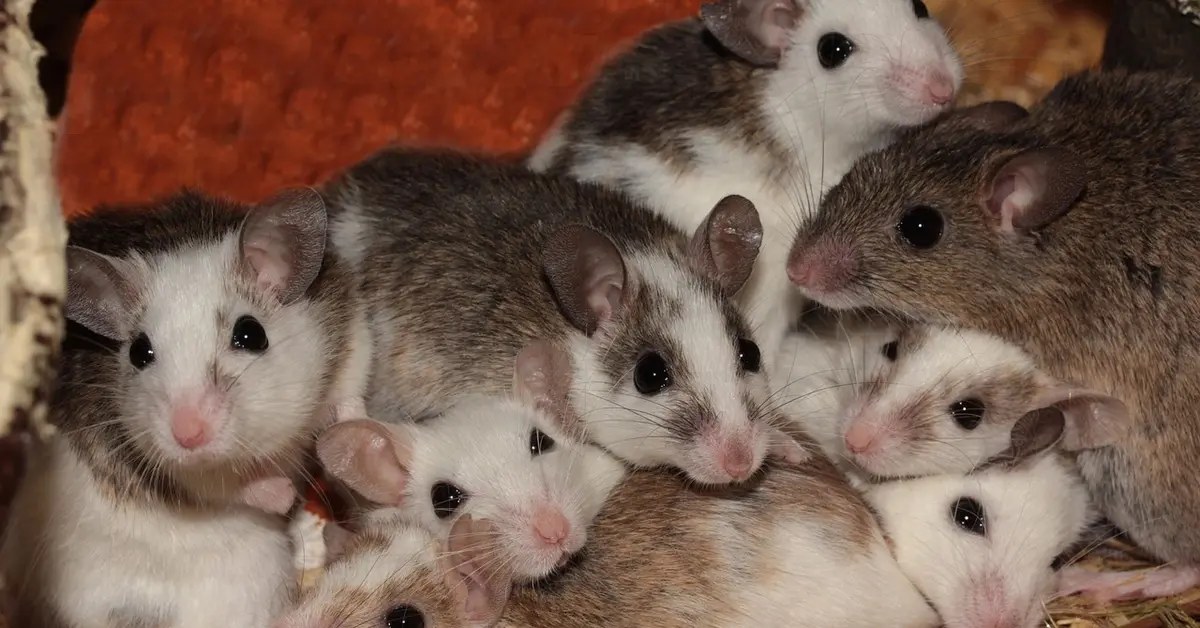
Mouse Club Memberships and Benefits
Joining a mouse club opens doors to a supportive network where you can share experiences, get advice from seasoned owners, and attend exclusive events. Membership often includes access to workshops that teach everything from grooming techniques to emergency care, which has been invaluable in managing my mice’s well-being. Many clubs also offer discounts on supplies and entry fees for shows, making it easier to stay involved.
- Networking opportunities with experts who can mentor you.
- Educational resources like care sheets and breeding guides.
- Social events that let you meet other mouse lovers in your area.
Online Communities and Show Calendars
Digital platforms, such as dedicated forums and social media groups, provide real-time updates on upcoming shows and allow you to discuss care tips with a global audience. I regularly check online show calendars to plan my visits, ensuring I don’t miss events where I can learn about new trends in mouse husbandry. These communities often feature photo shares and Q&A sessions that deepen your knowledge in a fun, interactive way.
- Subscribe to newsletters from major mouse organizations for timely alerts.
- Participate in online discussions to troubleshoot common issues.
- Use mobile apps or websites that aggregate show dates and locations.
Frequently Asked Questions
Does the mouse show history?
Yes, mouse shows have a documented history that traces back to the 19th century, beginning in England during the Victorian era. Enthusiasts and clubs have preserved records of how these events evolved from small, private gatherings to formal exhibitions with standardized judging criteria.
Over time, this history has been shared through club archives and enthusiast networks, highlighting key developments like the rise of breeding standards and the integration of health-focused practices. You can explore this rich background through resources like mouse club websites or historical documents to understand how shows have shaped pet mouse care today.
Does the mouse show history timeline?
Yes, a timeline of mouse show history exists and is often outlined by organizations such as the American Fancy Rat and Mouse Association (AFRMA) or the National Mouse Club (NMC). This timeline typically marks major eras, from Victorian origins to mid-century challenges and the modern revival starting in the 1980s.
Key milestones include the establishment of early clubs, shifts in judging emphasis toward health and temperament, and the recent adoption of digital tools for virtual participation. Consulting online databases or club publications can provide a visual or descriptive timeline to help you follow the progression of these events.
Does the mouse show history on computer?
Yes, you can access mouse show history on a computer through various online platforms, including official club websites, digital libraries, and social media groups dedicated to rodent fancying. These resources offer articles, photos, and records that detail the evolution of shows, making it easy to research past events and trends from home.
For example, organizations like AFRMA maintain online archives with historical data, while forums and video channels allow enthusiasts to share insights and memories. This digital access helps pet owners learn about the heritage of mouse shows without needing to attend in person, fostering a deeper connection to the community.
Your Journey with Mouse Shows
Looking back at the history of these events reveals a beautiful evolution from simple competitions to vibrant community gatherings centered on our pets’ well-being. The core purpose has always been to celebrate the unique charm of mice and connect with fellow enthusiasts.
Whether you attend a local event or simply use the show standards as a guide for your own care, you are participating in a wonderful tradition. Your focus on providing a happy, healthy life for your mouse is the greatest prize of all.
Further Reading & Sources
- House of Mouse | Disney Wiki | Fandom
- House of Mouse – Wikipedia
- Mickey Mouse | Cartoon, Creation, Disney, & Facts | Britannica
Isabella is a passionate small pet enthusiast with over 8 years of experience in caring for mice. She loves sharing practical tips and heartfelt stories to help fellow mouse owners provide the best care for their tiny companions.
Mice in Culture & Media