
The Mouse Skeletal System: Framework of a Mouse
Have you ever noticed how your tiny mouse friend can twist, climb, and burrow with such effortless grace, and wondered what hidden support system makes it all possible? As a mouse care enthusiast who has watched companions like Kenny and Jeffery in action, I can assure you that understanding their skeletal framework is the first step to appreciating their vibrant lives and ensuring their well-being.
In this guide, I will walk you through the marvels of your mouse’s bone structure, offering clear, practical insights. We will explore the key bones that enable movement, how the skeleton adapts to their active lifestyle, and simple ways to spot early signs of skeletal health issues in your pet.
The Two Main Parts of a Mouse’s Skeletal Framework
The Axial Skeleton: Your Mouse’s Core Support
Your mouse’s axial skeleton acts as the central pillar, providing stability and safeguarding delicate organs. This core structure includes the skull, spine, rib cage, and sternum, all working together to maintain posture and protect the brain, heart, and lungs. When your mouse curls up to sleep, that protective rib cage is what keeps their tiny heart safe and sound. I’ve observed how this rigid framework allows mice like Gregory to rest comfortably, knowing their vital areas are shielded from harm.
- Skull: Encases and protects the brain
- Vertebral column: Offers flexibility and houses the spinal cord
- Ribs and sternum: Form a cage around the chest organs
The Appendicular Skeleton: Built for Movement
The appendicular skeleton is all about motion, connecting the limbs to the axial core through shoulder and hip girdles. This portion includes the bones of the front and back legs, plus the pelvis, enabling your mouse to scurry, climb, and explore their environment. Watching Kenny dart across his enclosure showcases how these bones provide the leverage and speed for his impulsive adventures. You can feel the energy in every jump and turn, thanks to this dynamic skeletal division.
- Pectoral girdle: Supports the front limbs for climbing and grasping
- Pelvic girdle: Anchors the hind limbs for powerful pushes and leaps
- Limb bones: Allow for precise movements and balance
How Many Bones Does a Mouse Actually Have?
A typical mouse skeleton consists of approximately 225 bones, which is slightly more than the human count due to extra vertebrae in their long, flexible tails. This higher bone density supports their agile lifestyle, from squeezing through tight spaces to maintaining balance on narrow ledges. Each bone is finely tuned for their small size, contributing to the overall grace you see in their daily antics. Their highly flexible spine, narrow skull, and slender bones allow extreme body compression and contortions. This unique skeletal anatomy explains how mice can flatten themselves to slip through very tight gaps.
What Does a Mouse Skeleton Look Like?
Imagine a delicate, miniature frame with a pronounced curve in the spine and a tail that makes up a significant portion of its length. The skull is compact yet robust, with large eye sockets and specialized teeth for gnawing. Their rib cage appears surprisingly spacious relative to their body, offering ample room for those rapid breaths during play. In my experience, even Jeffrey’s slight build reveals a skeleton perfectly adapted for his cautious, observant nature.
- Long, multi-segmented tail for balance and communication
- Slender limb bones that appear almost fragile but are surprisingly resilient
- A rib cage that expands and contracts with each quick breath
Understanding Your Mouse’s Skull and Head Structure
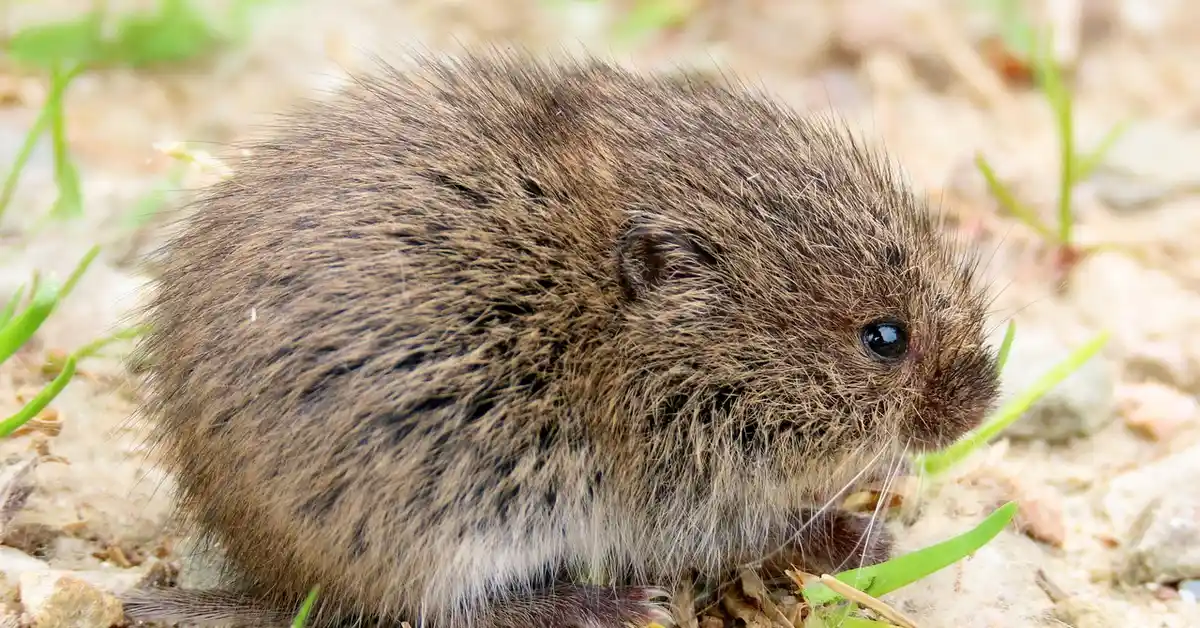
A mouse’s head is a marvel of miniature engineering, perfectly designed for their lifestyle. The skull is incredibly lightweight, yet robust enough to protect their busy brain. The most defining feature is their constantly growing incisors, which require persistent gnawing to stay at a manageable length. You’ll notice the slight curve of their jaw and the prominent cheekbones, which anchor the powerful muscles needed for chewing through tough seeds and materials. This relentless gnawing isn’t just destructive—it’s essential, as chewing wears down the incisors and prevents painful overgrowth. That’s why mice will gnaw on almost anything they encounter.
Observing your mouse from above, you can appreciate the gentle dome of their cranium. Their eye sockets are large relative to their head size, granting them the wide field of vision necessary to spot predators and navigate their world. This delicate skull structure is why you must always handle your mouse with extreme care, supporting their entire body to avoid any pressure on their head. A sudden fall, even from a short height, can have serious consequences for this fragile framework.
The Backbone of Mouse Movement: Vertebral Column Basics
The spine of a mouse is a testament to flexibility and strength. It’s composed of numerous small vertebrae that create a highly supple column, allowing for the contortions and squeezes that amaze us. This incredible spinal flexibility is what enables your mouse to compress their body and slip through openings that seem impossibly small. Watching my mouse, Kenny, effortlessly navigate a complex tube system is a direct display of this anatomical wonder in action.
The tail is a direct and vital extension of the vertebral column, acting as a crucial fifth limb. It’s not just bare skin; tiny vertebrae run its entire length, providing structure. Your mouse uses their tail for phenomenal balance during climbs, as a counterweight during sharp turns, and for communication through subtle flicks and holds. A healthy tail should be straight and flexible, never used for picking up your pet, as this can seriously injure the delicate bones within.
- Cervical Vertebrae: Support the head and allow for the wide range of neck movement needed for grooming and exploring.
- Thoracic Vertebrae: Connect to the ribs, forming the protective thoracic cage around the heart and lungs.
- Lumbar Vertebrae: Are strong and bear much of the body’s weight, facilitating powerful jumps and bursts of speed.
- Sacral Vertebrae: Fused together to create a stable connection with the pelvis.
- Caudal Vertebrae: Make up the tail, providing its length and segmented mobility.
How Mouse Bones Grow and Change Over Time
Mouse bones are dynamic, living tissues that change significantly from the pinkie stage to a mature adult. In youth, their skeletal system is rapidly developing, requiring a diet rich in quality protein and balanced calcium and phosphorus. Providing a stable and varied diet during their juvenile phase is one of the most impactful things you can do for their lifelong skeletal health. Those early dietary choices have lasting effects. They influence bone strength, metabolism, and disease risk throughout your mouse’s life. You can almost feel the sturdiness developing as a young mouse like Jeffery grows from a wobbly explorer into a confident climber.
As mice enter their senior years, their bones can become more brittle and susceptible to injury, much like our own. My older mouse, Gregory, moves with more deliberation than his younger cage mates, a sign of his changing body. For aging mice, preventing falls becomes paramount, which means ensuring cage platforms are easily accessible and all climbing structures are secure. A slight drop that a young mouse would shake off could cause a fracture in an older one.
Bone density is maintained through constant, gentle stress from movement and exercise. A spacious, enriching habitat that encourages natural behaviors like climbing, digging, and running is essentially a workout gym for your mouse’s skeleton. These activities also strengthen the muscular system, helping mice move, climb, and maintain coordination. Regular climbing and exploration build muscle tone and joint stability. Without this stimulation, bones can weaken over time. Observing your mice daily gives you the best insight into their musculoskeletal comfort and any potential changes in their mobility.
Keeping Your Mouse’s Skeletal System Healthy
Nutrition That Builds Strong Mouse Bones
Think of your mouse’s diet as the construction materials for its tiny internal architecture. Calcium is the absolute cornerstone for building and maintaining a resilient skeleton. A deficiency can lead to brittle bones that fracture with startling ease. I always ensure my mice get a high-quality, fortified lab block as their main food; it’s engineered to provide the perfect calcium-to-phosphorus balance. For pets with special needs, vet-approved supplements or a balanced multivitamin can help plug nutritional gaps. Always check with your veterinarian before adding any supplements to avoid overdosing or unwanted interactions.
Beyond the staple diet, I offer small, thoughtful supplements. A tiny flake of cooked, unseasoned eggshell, finely crushed, is a fantastic calcium boost. Small pieces of dark leafy greens like kale or broccoli also contribute valuable minerals to their skeletal upkeep. I’ve noticed my curious mouse, Kenny, is particularly vigorous when his diet includes these extras. Avoid a seed-only diet at all costs, as it’s notoriously poor in calcium and can seriously undermine bone density over time.
- Prioritize a nutritionally complete lab block or pellet as the dietary foundation.
- Offer calcium-rich treats: a speck of crushed eggshell, a small broccoli floret, or a piece of kale.
- Provide a constant source of clean, fresh water to aid in nutrient absorption.
- Steer clear of excessive fatty seeds and nuts, which can disrupt mineral balance.
Exercise and Environment for Skeletal Strength
A mouse’s body is designed for constant motion, and a stimulating habitat encourages the very movements that keep bones dense and joints supple. A multi-level cage with plenty of climbing opportunities is not just fun; it’s physical therapy for their entire frame. I use a variety of ropes, branches, and ledges to create a complex environment that promotes natural behaviors like scaling and balancing. They also invite jumping and exploratory runs that build coordination and overall athleticism. Watching them navigate the levels shows how climbing and exploration keep them fit and curious.
The cage floor matters immensely for their delicate feet and legs. I use a deep layer of soft, absorbent bedding to cushion every jump and landing, reducing the impact on their joints. For my older mouse, Gregory, who prefers stability, I make sure his favorite platforms are easily accessible without risky leaps. Regular, supervised time in a secure playpen allows for explosive running and exploring, which is wonderful for overall musculoskeletal conditioning. For elderly or disabled mice, I also adjust the cage—lowering platforms, adding gentle ramps (https://measlymouse.fyi/adjusting-cage-elderly-disabled-mouse), and placing food, water, and hides at floor level so they can reach everything safely. Extra padding around edges and in high‑traffic spots helps prevent slips and reduces strain.
- Install a solid, non-wire exercise wheel to allow for safe, sustained running.
- Create vertical space with ladders, ropes, and hammocks to encourage climbing.
- Ensure all falls are cushioned with several inches of appropriate bedding.
- Rotate toys and rearrange the cage layout weekly to inspire new movement patterns.
Recognizing Skeletal Problems in Your Pet Mice
Common Skeletal Injuries and How to Spot Them
Mice are masters at hiding weakness, a survival instinct that means you must become a dedicated observer. The most telling sign of a skeletal issue is a sudden and persistent change in how your mouse moves. A limp, a reluctance to bear weight on a limb, or an unusual hunched posture are all red flags that demand immediate attention. Recognizing these movement changes is the most reliable way to tell if your mouse is in pain. If you notice them, contact a veterinarian experienced with rodents right away.
Fractures are, unfortunately, common, often resulting from a fall or a foot getting caught in a poorly designed toy or wheel. You might see a leg held at a strange angle or notice severe swelling around a joint. My anxious mouse, Jeffery, once had a minor sprain, and his behavior shifted instantly; he became even more hesitant to move and stopped interacting with his cage mates. Spinal injuries can manifest as dragging back legs or an inability to right themselves if they roll over.
- Watch for limping, hopping, or any asymmetry in their gait.
- Look for visible swelling, redness, or a limb that looks bent or misaligned.
- Note any crying out in pain when touched or when moving in a specific way.
- Observe changes in grooming; an injured mouse may neglect cleaning a sore area.
- Be alert for a loss of appetite or lethargy, which often accompanies pain.
Frequently Asked Questions
What is the bregma in a mouse’s skull?
The bregma is a key anatomical landmark on a mouse’s skull where the coronal and sagittal sutures intersect, forming a visible junction. In scientific contexts, it is used as a reference point for precise procedures, but for pet owners, it illustrates the detailed structure that safeguards the brain and supports skull integrity.
While not directly relevant to daily care, knowing about the bregma can enhance your understanding of how your mouse’s skull is designed for protection and function, emphasizing the need for gentle handling to avoid injuries to this delicate area.
How does skeletal muscle anatomy support a mouse’s movement?
Skeletal muscles in mice are attached to bones via tendons and work in antagonistic pairs to enable precise movements like climbing, digging, and running. These muscles provide the force and coordination for agility, allowing your pet to explore their habitat efficiently and maintain balance during activities. A high proportion of fast‑twitch muscle fibers, rapid neuromuscular control, and elastic tendons help mice accelerate and change direction quickly. Scientists study these features to understand the biology behind mouse speed and agility.
Well-maintained muscles also help stabilize joints and promote bone health through regular exercise, underscoring the importance of an enriched environment to keep your mouse active and prevent musculoskeletal issues.
What makes mouse bone anatomy unique compared to other pets?
Mouse bones are notably lightweight and dense, with a high surface-to-volume ratio that supports their small size and rapid metabolism. This structure allows for quick healing from minor injuries and adapts to their active lifestyle, but it also makes them more prone to fractures from falls or impacts. Mice have bones that are specially adapted for their needs.
Understanding this uniqueness helps pet owners provide safer habitats, such as using soft bedding and secure climbing structures, to protect against bone damage and support overall skeletal resilience.
Your Mouse’s Inner Framework
Recognizing that your mouse’s skeleton is the foundation for every leap, burrow, and curious sniff transforms how you view their daily life. This delicate structure, perfectly adapted for a life of exploration, relies on your thoughtful care to stay strong and healthy throughout their adventures.
By providing a nutritious diet rich in calcium, a habitat full of engaging climbing opportunities, and a safe environment, you are directly supporting that incredible bony architecture. Your mindful attention to their physical well-being ensures your tiny friend has the robust framework needed for a happy, active life by your side.
Further Reading & Sources
- A Whole-Body Musculoskeletal Model of the Mouse – PMC
- The Anatomy of the Laboratory Mouse
- Skeleton of the mouse – The world under the microscope
Isabella is a passionate small pet enthusiast with over 8 years of experience in caring for mice. She loves sharing practical tips and heartfelt stories to help fellow mouse owners provide the best care for their tiny companions.
Mouse Biology & Anatomy