
Why Are Mice So Fast? The Science of Their Speed and Agility
Have you ever tried to follow a mouse’s movements and found yourself utterly bewildered by their blur-like speed?
Drawing from my years of observing pet mice, this guide breaks down the precise reasons behind their quickness. We will explore their unique muscle structure, lightning-fast reflexes, and the evolutionary traits that make them masters of motion.
The Biomechanics of Mouse Speed
Fast-Twitch Muscle Fibers and Locomotion
Your mouse’s body is a marvel of biological engineering, built for explosive movement. The secret lies in their muscle composition, which is dominated by fast-twitch fibers. These specialized muscle cells contract with incredible speed and force, providing the instant power needed for those lightning-fast sprints across your sofa. Unlike our own muscles, which are a mix of fast and slow-twitch for endurance, a mouse’s physiology prioritizes rapid, short-distance bursts to escape threats.
You can observe this in their unique gait. They don’t just run; they bound. This bounding locomotion, where the back legs push off with immense force and the body stretches forward, is a direct result of those powerful fast-twitch muscles firing. Each bound is a coordinated explosion of energy, allowing them to cover ground far more quickly than their small size would suggest. I’ve seen my boy Kenny execute a perfect bound from the floor to my shoulder in a blink, a feat that never ceases to amaze me.
The Role of the Tail in Balance and Acceleration
Never underestimate the power of that slender, seemingly delicate tail. It is not just an appendage; it’s a sophisticated balancing rod and a key component of their agility. During high-speed chases or sharp turns, your mouse’s tail acts as a dynamic counterweight, whipping in the opposite direction to prevent a tumble. Think of it like a tightrope walker’s pole, providing constant, minute adjustments for stability.
This is especially crucial during vertical climbs and narrow ledge-walks. The tail provides crucial stabilization, allowing them to make micro-adjustments in mid-air or on precarious surfaces. When my mouse Jeffery gets a case of the zoomies, his tail is in constant, fluid motion, steering his body through complex obstacles with breathtaking precision. It’s a fundamental part of their acceleration system, not just an afterthought.
The Neurological Systems Behind Agility
Reflexes and Proprioception
The physical hardware is nothing without the sophisticated software running it. A mouse’s nervous system operates on a timescale that is difficult for us to comprehend. Their reflexes are among the fastest in the animal kingdom, a necessary trait for a small creature navigating a world full of giant predators (like us!). This lightning-fast neural processing means the signal from their eyes or whiskers to their muscles is almost instantaneous.
They also possess an extraordinary sense of proprioception-the unconscious awareness of where their body is in space. This internal body map allows them to judge gaps, calculate leaps, and tuck their limbs perfectly without a moment’s conscious thought. My older mouse, Gregory, demonstrates this every time he gracefully descends from a high platform, each paw placed with unerring accuracy. It’s a seamless conversation between brain and body that we can only admire.
Sensory Systems That Guide Movement
Mice perceive the world in a way that directly fuels their agility. Their vision is tuned to detect motion above all else, which is why a sudden movement will send them scattering. Their eyes are perfectly adapted to spot the slightest shift in their environment, triggering an immediate flight response. While they may not see fine details like we do, they see the world as a map of moving threats and opportunities.
However, their most critical guidance systems are touch and hearing.
- Whiskers (Vibrissae): These are not just hairs; they are highly sensitive tactile organs. They constantly sweep back and forth, measuring distances, detecting air currents, and mapping out the immediate surroundings in complete darkness. This allows for flawless navigation through complex tunnels and cages.
- Ultrasonic Hearing: Mice communicate and listen in a range far beyond our hearing. This superior auditory sense allows them to hear the faintest scuffles of a predator or the crinkle of a treat bag from across the room, giving them a head start on any action.
Together, these senses create a rich, multi-layered picture of their world, informing every dart, dodge, and dash they make.
Metabolism and Energy: Fueling Rapid Movement
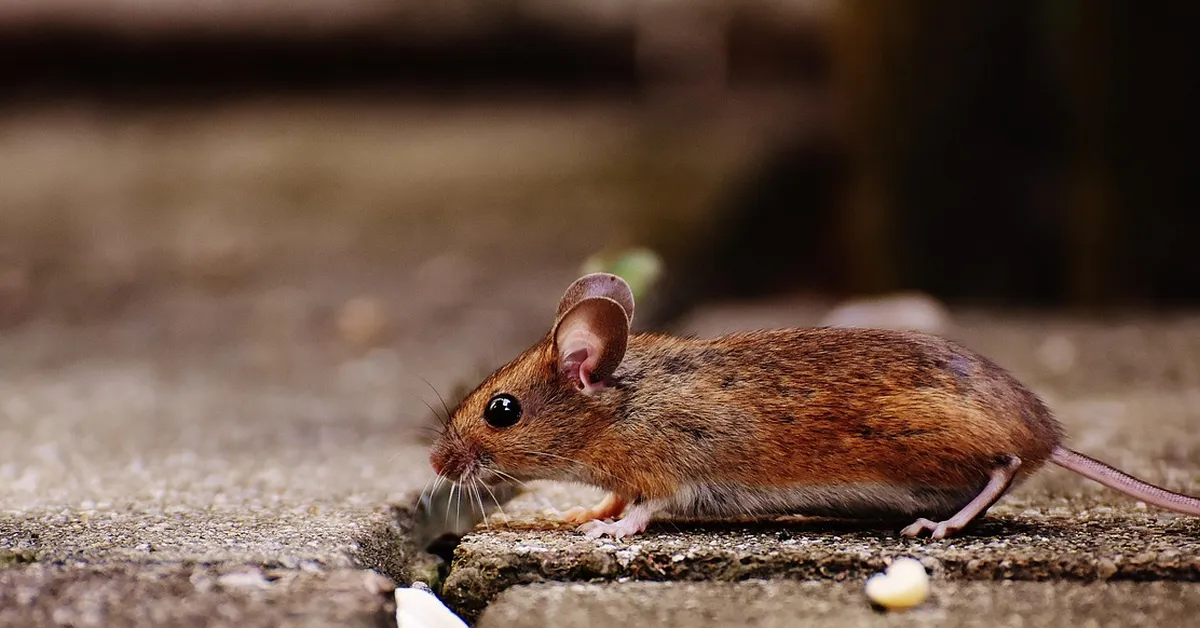
A mouse’s body is a marvel of biological engineering, operating at a pace that would leave most creatures breathless. Their heart beats over 500 times per minute, a frantic rhythm that powers their entire existence. This incredibly high metabolic rate acts like a supercharger, instantly converting food into readily available energy for explosive movement. They don’t have the luxury of storing large energy reserves, so their system is optimized for quick bursts.
Think of their diet as high-octane fuel for a tiny race car. In the wild, they consume energy-dense seeds, insects, and nuts. Typical wild fare includes seeds, grains, berries, fruits, and small invertebrates. These give quick, readily available calories for rapid bursts of activity. For my own mice, like the ever-impulsive Kenny, I notice he’s at his most zoomy after a tiny piece of walnut or a premium lab block. What they eat directly translates to how fast they can dart across the room when a shadow spooks them. Their bodies are designed for immediate energy use, not for long-term storage.
The engine behind this speed is a muscle composition rich in fast-twitch fibers. These specialized muscles contract with blinding speed and force but fatigue quickly. This biological setup explains why you see frantic sprints followed by a sudden, complete stop as they catch their breath. It’s a sprint-and-hide strategy, not a marathon-running one, perfectly suited to their need for immediate survival.
Why Evolution Made Mice This Way
Every quicksilver turn and gravity-defying leap your mouse performs is a gift from countless generations of ancestors who successfully evaded becoming someone else’s dinner. Speed is not a luxury for a mouse; it is their primary and most effective line of defense against a world full of predators. From owls and hawks above to cats and snakes on the ground, the pressure to be faster has been immense and unrelenting.
Their small size is a double-edged sword, but evolution has sharpened it into a formidable weapon. Being lightweight means they can achieve maximum acceleration with minimal force. Their low body mass allows for instantaneous changes in direction that would be physically impossible for a larger animal. My older mouse, Gregory, may be calmer now, but even his measured movements showcase this inherent ability to pivot on a dime.
This evolutionary arms race also shaped their famous agility. Their long tails are not just for show; they act as a dynamic counterbalance. When your mouse makes a sharp corner at top speed, its tail whips in the opposite direction, functioning like a tightrope walker’s pole to prevent a disastrous tumble. Their flexible spines and low center of gravity further contribute to this incredible stability during complex maneuvers, letting them navigate the complex obstacle course of our homes with breathtaking ease.
What You’ll See: Speed and Agility in Pet Mice Behavior
Why Mice Squeak and Move Fast Together
You will often notice a flurry of high-pitched squeaks right before a sudden, synchronized dash across the cage. This vocal burst is not just noise; it is a complex social signal that coordinates group movement, much like a coach calling a play. In my own mischief, I see Kenny let out a series of quick, excitable chirps, and instantly, the more hesitant Jeffery will spring into action beside him.
Their rapid communication allows them to function as a single, fluid unit, whether they are play-chasing, investigating a new sound, or simply relocating their nest materials. This chattering and sprinting is a sign of a healthy, bonded group engaging in natural herd behavior for safety and social cohesion. Gregory, my older mouse, often follows with a lower, steadier chitter, almost as if he is moderating the younger ones’ excitement. These noises and movements are forms of mouse communication—mice use vocalizations, body language, and scent to convey information and coordinate their actions. Best choice: forms of mouse communication. Yes, mice do communicate to maintain social bonds and ensure group safety.
- Play Coordination: Squeaks during a chase often mean “I’m playing!” and help prevent real fights.
- Alert System: A sharp, single squeak can make the entire group freeze and then scatter for cover.
- Social Bonding: The constant, soft chattering during movement reinforces their connection and shared purpose.
Supporting Your Mouse’s Natural Speed Safely
Exercise Needs and Activity Patterns
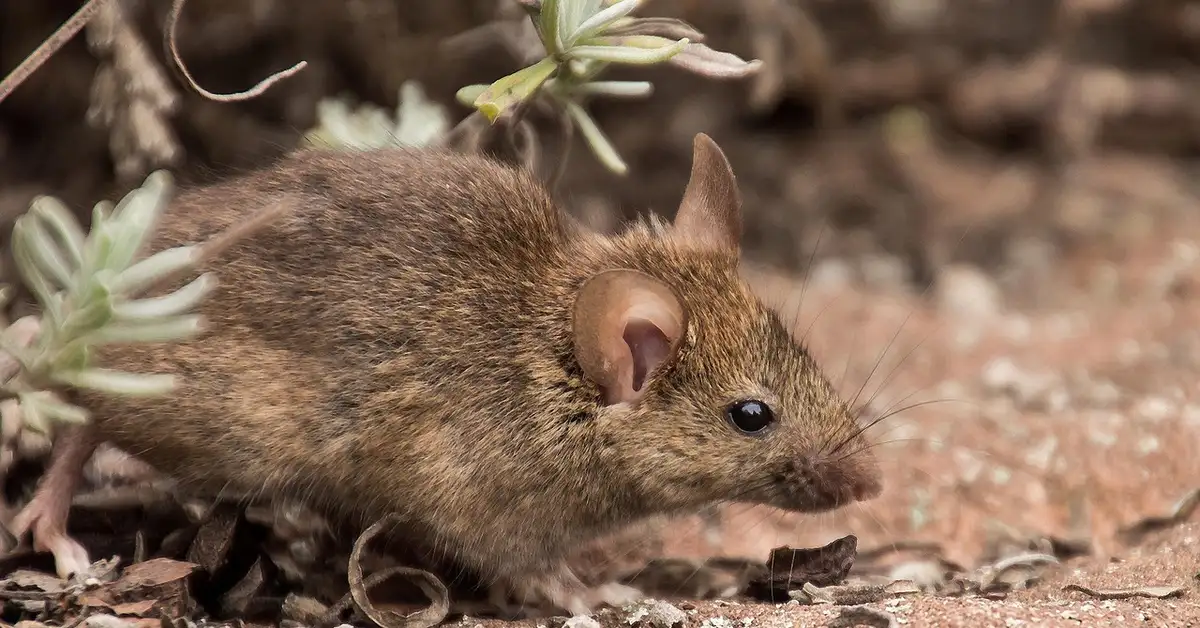
Pet mice are crepuscular, meaning their energy explodes at dawn and dusk. To satisfy their innate need for speed, you must provide opportunities for intense, short bursts of activity rather than expecting sustained exercise. I structure their environment with zones that encourage different types of movement. Their muscular system—powerful hindlimbs and nimble forelimbs—lets them sprint and climb with agility, so include ramps and vertical spaces. These short climbing and sprinting sessions help maintain muscle tone and joint health.
Aim for a setup that allows for at least three feet of uninterrupted running space. Connecting multiple cages or using a long, tub-style enclosure gives them the straight-line sprinting room they instinctively crave. My mice use a long plastic tube as a racetrack, and I can hear their tiny feet pitter-pattering through it every evening.
- Offer Varied Terrain: Combine solid floors with ropes, branches, and ladders to build coordination.
- Embrace Foraging: Scatter their food to make mealtime a full-body, hunting simulation.
- Rotate Novel Items: Introduce a new cardboard box or paper tube weekly to spark exploratory dashes.
- Schedule Playtime: A secure, mouse-proofed playpen during their active periods lets them safely go full throttle.
Injury Prevention for Fast-Moving Mice
The very speed that defines them also puts them at risk, especially in a captive environment. Preventing falls is your single most important safety task, as a misstep from even a moderate height can cause severe injury. I learned this the hard way when a young mouse took a tumble; now, all my high hammocks and shelves have soft landings directly below.
Constantly assess your cage for what I call “momentum traps”-small gaps where a speeding mouse could catch a leg or fall through. Secure all platforms and wheels firmly to the cage walls to prevent any wobbling or collapse during a high-energy sprint session. A wobbly wheel is an accident waiting to happen for a creature moving that fast.
- Avoid Wire Wheels: Always choose a solid-surface running wheel to protect their feet and tails from injury.
- Provide Deep Bedding: A substrate depth of several inches acts as a cushion for any unexpected leaps or falls.
- Check for Sharp Edges: Sand down any rough spots on wooden toys or chews that could cause cuts during a frantic run.
- Monitor Playtime Closely: Their speed means they can get into trouble in a split second outside the cage.
Frequently Asked Questions
Why do mice die so fast?
Mice have a naturally short lifespan, typically living only 1-2 years in captivity, due to their incredibly high metabolic rate. This rapid metabolism accelerates aging and makes them more susceptible to health issues like tumors and respiratory infections, which can lead to an early decline even with excellent care. Knowing this typical lifespan helps owners focus on ways to maximize it. With proper nutrition, clean housing, enrichment, and prompt veterinary care, many pet mice can reach the upper end of that range.
In a pet setting, factors like genetics, diet, and stress can influence their longevity. Providing a balanced diet, a clean environment, and regular health checks can help maximize their quality of life during their brief but active years. Diet in particular plays a major role in a mouse’s long-term health. Poor nutrition can lead to obesity, dental problems, and a shorter lifespan, while balanced feeding supports immunity and overall longevity.
Why do mice squeak?
Mice squeak as a primary form of communication to express emotions and coordinate with other mice. These vocalizations can indicate excitement during play, signal alarms about potential dangers, or reinforce social bonds within a group. By examining pitch, duration, and context, researchers and owners can infer the different meanings of mouse squeaks. Some are ultrasonic and require special equipment to hear, while audible squeaks often reflect distress, excitement, or contentment.
In your pet mice, frequent squeaking, especially during active periods, is normal and often a sign of a healthy, interactive mischief. It helps them stay connected and navigate their shared space safely, much like a conversation among friends. This social vocalizing reflects their play-driven psychology, and providing toys encourages those interactions and mental stimulation. Observing how mice play with and respond to toys can reveal social cues and help strengthen their bonds.
Why are mice so fast?
Mice are built for speed as an evolutionary survival mechanism against predators. Their small, lightweight bodies allow for rapid acceleration and sharp turns, while their fast-twitch muscle fibers provide the explosive power needed for quick escapes.
This innate speed is evident in pet mice during bursts of activity like “zoomies.” Ensuring they have a safe, enriched environment with space to run helps them express this natural behavior without stress or injury. It’s also why mice often run in circles during play or exploration — a quick way to burn energy and practice agility. Persistent, excessive circling, however, can signal stress or a medical problem and should be checked by a vet.
Your Path Forward
Witnessing your mouse’s incredible speed is more than just entertainment; it’s a direct window into their unique biology and evolutionary success. Their lightweight skeletons, powerful fast-twitch muscles, and instinct for rapid navigation are the very traits that have kept their species thriving for millennia.
As a caretaker, you can now appreciate these bursts of energy not as random chaos, but as a beautiful expression of their natural design. Use this knowledge to enrich their environment with safe spaces to climb, tunnels to explore, and opportunities for the joyful sprints that are fundamental to their well-being. Watching my own mice, like the impulsive Kenny, I see this science in action every day, and it deepens the bond we share.
Further Reading & Sources
- Speed of Mice: Surprising Running Abilities
- How Fast Can a Mouse Run: Top Speeds and Factors Affecting Their Movement
- Robotic mouse with flexible spine moves with greater speed and agility | New Scientist
Isabella is a passionate small pet enthusiast with over 8 years of experience in caring for mice. She loves sharing practical tips and heartfelt stories to help fellow mouse owners provide the best care for their tiny companions.
Mouse Biology & Anatomy