
The Mouse Spirit Animal: Symbolism and Personal Guidance
Have you ever felt a quiet curiosity about the mouse and its subtle presence in your thoughts or dreams? As someone who shares my home with mice, I understand that longing for deeper meaning, and this guide will help you interpret the mouse’s gentle wisdom in your life.
We will explore the mouse’s role as a spirit animal and totem, delve into its symbolic messages for modern living, and share ways to recognize and embrace its influence.
Core Traits of the Mouse Spirit Animal
Resourcefulness and Survival Instincts
Watching my own mice, I am constantly amazed by their ability to make the most of what they have. A mouse’s spirit embodies the profound wisdom of thriving with limited resources, turning simple items into complex tools for living. They will meticulously shred paper to create a warm, layered nest or find the most ingenious hiding spots for their favorite food treasures. This isn’t just about hoarding; it’s a deep-seated intelligence for preparation and making every single thing count, a lesson in mindful consumption and cleverness that resonates deeply in our own lives.
Attentiveness and Observant Nature
You will rarely catch a mouse off guard. Their world is perceived through constant, subtle observation. The mouse spirit animal teaches the power of quiet awareness, noticing the small shifts and details that others might miss entirely. My mouse Jeffery, for instance, will freeze at the slightest new sound, his whole body focused on assessing the situation before he decides to move. This hyper-vigilance isn’t born from fear alone, but from a profound connection to their environment, a skill that encourages us to be more present and perceptive in our own surroundings.
Adaptability and Discretion
Mice are masters of fitting in, whether in a complex cage setup or the vast unknown of a living room during playtime. This totem symbolizes the incredible strength found in flexibility, the ability to navigate change with grace and quiet confidence. They don’t confront obstacles head-on with brute force; they find a new path, a different angle, or simply wait for the perfect moment. Their power lies in their discretion, knowing when to be bold and explore like my Kenny, and when to retreat into the safety of their hideaways like the wise Gregory.
Mouse Totem Animal: What It Represents
Gentleness and Sensitivity as Core Values
Despite their quick movements, mice interact with their world with a remarkable softness. Carrying the mouse totem means embracing a gentle approach to life, leading with sensitivity rather than force. I see this in the delicate way they hold a piece of food in their tiny paws or how they groom each other with such care. Their world is one of subtle vibrations, quiet sounds, and gentle touches. This spirit guide reminds us that true strength isn’t loud; it’s found in a compassionate heart and a mindful presence that respects the fragility in ourselves and others.
Community and Social Bonds
Mice are not meant to be solitary creatures. Their well-being is intrinsically linked to their social group. The mouse totem powerfully represents the necessity of community, the intricate bonds of friendship and family that provide warmth, safety, and purpose. Watching my trio, I see a tiny society in motion: they sleep piled together for warmth, communicate with a complex language of squeaks and chitters, and often move as a coordinated unit. If you’re unsure where you fall on the solitary–social spectrum, a mouse social behavior guide can help you read their cues and learn how to encourage healthy interactions. It highlights ways to support social bonding or respect a mouse’s preference for solitude. This spirit animal calls you to nurture your own “clan,” to invest in the relationships that offer mutual support and make life’s journey a shared, joyful experience.
Messages from Your Mouse Spirit Animal
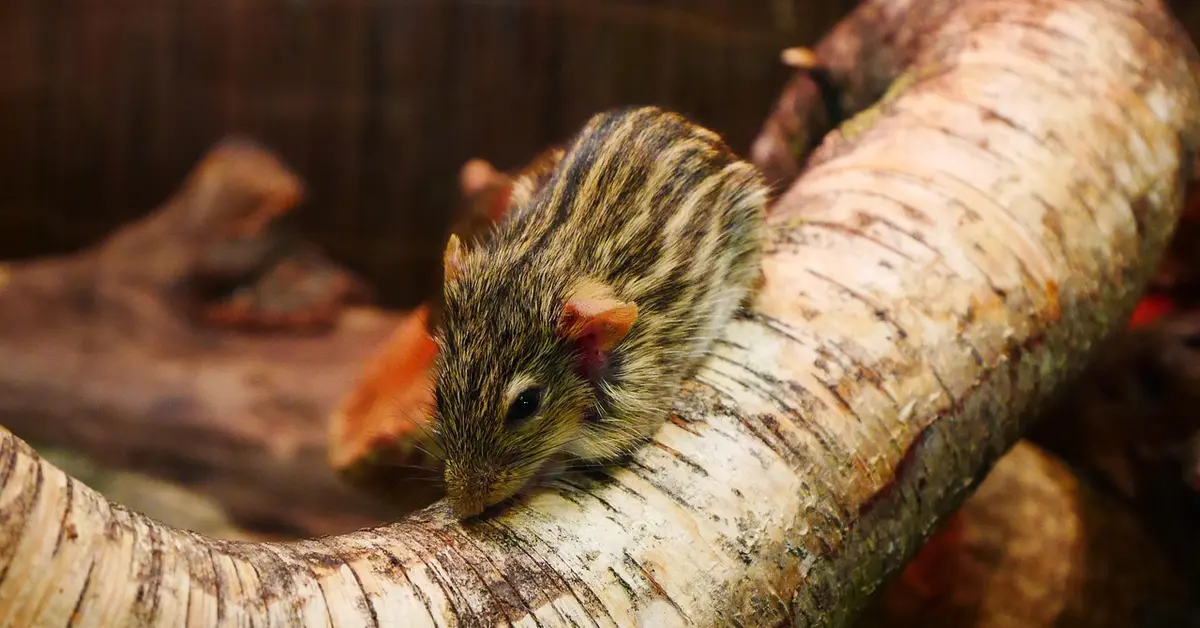
When the mouse spirit animal scurries into your awareness, it carries potent lessons for navigating the small, everyday moments of life. This totem teaches you that true power isn’t always about being the biggest or loudest, but about being observant, adaptable, and resourceful with what you have. It encourages you to pay attention to the subtle details others overlook, for within them lie the seeds of great opportunity. The mouse spirit asks you to trust your instincts, to listen to that quiet, squeaky voice inside that guides you toward safety and abundance.
Another profound message from this guide is the importance of community and connection. Mice thrive in social groups, reminding us that we are stronger and happier when we nurture our relationships and support one another. The spirit of the mouse also speaks to courage-not the absence of fear, but the ability to move forward despite it. It’s about taking small, brave steps toward your goals, even when the world feels overwhelmingly large.
Recognizing Mouse Spirit Animal Traits in Your Pets
Living with pet mice offers a beautiful, real-world window into these spiritual qualities. Your tiny companions are living embodiments of the mouse totem, demonstrating its core teachings through their daily existence. By observing them, you can see the spirit animal’s wisdom in action, from their meticulous food caching to their intricate social dynamics. I’ve found that the more time I spend with my mice, the more I appreciate the deep symbolism woven into their simple behaviors.
Daily Behaviors That Reflect Spirit Animal Qualities
Watch your mice closely, and you’ll see the spirit animal’s lessons unfolding before your eyes.
- Meticulous Foraging: The way they carefully gather and store every last crumb mirrors the totem’s message of resourcefulness and preparing for the future.
- Constant Environmental Scanning: Their twitching noses and perked ears show a heightened awareness of their surroundings, a lesson in staying present and observant.
- Nest Building: The dedication to creating a safe, warm, and comfortable home from scraps of paper and bedding is a powerful reminder to create sanctuaries for ourselves.
- Social Grooming: When they gently groom each other, they are demonstrating the totem’s emphasis on community care and strengthening social bonds.
- Playful Exploration: Even in a familiar space, their need to investigate every new item reflects the spirit’s encouragement to stay curious and find adventure in the mundane.
Personality Differences Among Individual Mice
Just as people express spiritual qualities in unique ways, every mouse has a distinct personality that colors how they embody the totem’s energy.
- The Bold Explorer: My mouse Kenny is a perfect example. His impulsive dashes into new spaces show the spirit animal’s courage, albeit with a youthful, fearless flair.
- The Calm Mentor: My older mouse, Gregory, exhibits the mouse totem’s wisdom. He is cautious and measured, teaching the younger ones through his steady, patient demeanor.
- The Anxious Observer: Jeffery, who is often hesitant, demonstrates that the spirit’s message of awareness can also manifest as a thoughtful, careful approach to life.
These personality differences are a beautiful reminder that the spirit animal’s energy is not a one-size-fits-all template, but a versatile force that adapts to the individual. Celebrating these differences in your pets helps you appreciate the many forms spiritual wisdom can take.
Mouse Symbolism Across Cultures and Folklore
The reverence for the mouse is not a new concept; it is deeply embedded in human history and mythology across the globe. From ancient temples to classic fables, the mouse has been a symbol of both mundane survival and profound spiritual insight. Understanding this rich tapestry of beliefs can deepen your connection to your pets, framing their simple actions within a grand, historical narrative. Examining mouse symbolism in Western and Eastern cultures shows how the same animal can carry very different meanings. In the West it often appears as a small nuisance or trickster figure, while in many Eastern traditions it is associated with resourcefulness and good fortune.
- Native American Traditions: In many tribes, the mouse is seen as a symbol of scrutiny and attention to detail. It is the creature that notices the tiny stitches that hold the world together, teaching the value of careful observation.
- Celtic Lore: Mice were often associated with the Otherworld and were considered creatures of prophecy. To see a white mouse was considered an especially potent omen.
- Japanese and Chinese Culture: The mouse is the first animal of the Zodiac, symbolizing wealth, surplus, and agility. It is celebrated for its cleverness and its ability to always find a way to thrive.
- Hinduism: The mouse is the vahana (divine vehicle) of the god Ganesha, the remover of obstacles. This portrays the mouse not as a pest, but as a humble yet powerful creature capable of carrying the divine and gnawing through any barrier.
- European Folklore: Stories often depict mice as clever tricksters who outwit larger, more powerful animals, reinforcing the theme that intelligence and cunning can triumph over brute strength.
Seeing your pet mouse through the lens of these diverse cultural beliefs transforms them from a simple companion into a creature rich with symbolic meaning. Their quiet presence in your home is a living link to these ancient stories and spiritual truths.
Applying Mouse Wisdom to Pet Care
Creating Environments That Honor Mouse Nature
Mice thrive in spaces that mirror their natural instincts for exploration, hiding, and social interaction. Designing a habitat with varied textures, levels, and hiding spots encourages your mice to express their innate behaviors safely. I’ve noticed my own mice, like Kenny, become more engaged when their cage includes tunnels, climbing ropes, and cozy nest boxes—elements that cater to their curiosity and need for security. Knowing common hiding and nesting spots—under bedding, inside nest boxes, behind furniture, and in small crevices—helps you design safer enclosures and spot potential entry points. Regularly inspect seams and gaps so wild mice can’t exploit those same hiding places.
- Incorporate multi-level platforms and ramps to satisfy climbing urges.
- Provide untreated wood chews and cardboard tubes for gnawing and play.
- Use safe, dust-free bedding deep enough for burrowing and nesting.
- Rotate toys and accessories weekly to prevent boredom and stimulate minds.
Observing how each mouse interacts with their surroundings helps you tailor the environment to their personality. Gregory, for instance, prefers stable, low-hide areas, while Jeffery enjoys darting through new obstacles. This approach reduces stress and promotes physical health, making your care more effective and compassionate. For detailed advice on selecting and arranging enclosures to fit these individual needs, consult the ultimate guide to mouse cages. It covers cage sizes, enrichment ideas, and layout tips to keep mice like Gregory and Jeffery happy and healthy.
Learning Patience and Observation
Caring for mice teaches you to slow down and watch for subtle cues in their behavior and health. Patience is not just a virtue-it’s a practical skill that helps you detect early signs of illness or discomfort. I spend quiet moments each day simply watching my mice, noting changes in appetite, activity, or social dynamics.
- Set aside 10-15 minutes daily for undisturbed observation of your mice.
- Keep a simple journal to track habits, favorites toys, or any unusual behaviors.
- Learn their unique vocalizations and body language to better understand their needs.
- Approach handling with calm, gradual movements to build trust over time.
This mindful practice deepens your bond and ensures you respond to issues before they escalate. By embracing the mouse’s symbolic trait of attentiveness, you become a more intuitive and responsive pet owner.
Mouse Oracle Cards and Spirit Animal Tools

Oracle cards featuring mouse imagery can serve as gentle reminders to apply mouse-like qualities in your daily pet care routine. These tools encourage reflection on themes like resourcefulness, community, and paying attention to small details. I sometimes draw a card in the morning to set an intention for how I’ll interact with my mice that day.
- Use mouse-themed cards to inspire habitat improvements or new enrichment ideas.
- Reflect on card messages to foster empathy and patience during challenging care moments.
- Incorporate affirmations from the cards into your handling and feeding rituals.
While not a substitute for practical care, these spiritual aids can enrich your perspective. They help you connect the symbolic wisdom of the mouse totem with hands-on actions that benefit your pets.
When a Mouse Appears in Your Life
Encountering a mouse in dreams, meditations, or daily life often signals a need to focus on the small, overlooked aspects of your pet care. This appearance might prompt you to reevaluate your mice’s environment for hidden hazards or missed opportunities for joy, such as toys for mental stimulation. In my experience, such moments have led me to add more foraging toys or adjust cage layouts for better flow.
- Check for drafts, sharp edges, or inadequate hiding spots in the habitat.
- Assess if your mice have enough social interaction or quiet time based on their personalities.
- Consider introducing new foods or activities to stimulate their natural behaviors.
Seeing a mouse symbolically can also remind you to approach care with humility and curiosity. It’s a call to observe more closely and appreciate the profound lessons these small creatures offer about resilience and connection.
Frequently Asked Questions
What is the mouse spirit animal medicine?
The mouse spirit animal medicine refers to the healing and transformative energies it offers, focusing on resilience and mindful living. It encourages you to embrace simplicity, use your resources wisely, and find strength in adaptability, helping you navigate life’s challenges with quiet confidence and attention to detail.
How can the mouse spirit animal oracle guide me?
In oracle practices, the mouse spirit animal serves as a gentle guide for introspection, often highlighting themes of resourcefulness and community. Drawing a mouse card or meditating on its symbolism can prompt you to reflect on overlooked opportunities, strengthen social bonds, and approach decisions with careful observation and intuition. If mice appear in your dreams, a mice dream interpretation guide can help translate these nocturnal symbols into actionable insights. It outlines how context, emotion, and the mouse’s behavior inform the message for your waking life.
What does the mice spirit animal represent?
The mice spirit animal emphasizes the power of collective energy and social harmony, symbolizing the importance of family and community support. It reminds you to nurture your relationships and work collaboratively, as thriving often depends on mutual care and shared efforts within your group. Mice are naturally social animals that form tight-knit colonies. Their communal nesting and cooperative foraging show how teamwork and mutual support strengthen the whole.
Your Path Forward
Your little whiskered friend is more than just a pet; they are a living, breathing reminder of life’s small, beautiful details. Their constant curiosity and playful spirit offer a daily nudge to find joy in the simple moments we often overlook. The mouse totem’s wisdom isn’t found in grand gestures, but in the quiet, attentive care you provide every day.
Embrace the lessons they teach about resilience, community, and paying attention. Let your relationship with your mouse enrich your own journey, adding a layer of gentle mindfulness to your routine. If you’re following a complete guide to taming a scared, skittish mouse, let those same principles—patience, gentle handling, and consistent routines—shape your approach. They will help you build trust and deepen the bond. Cherish this unique connection with a creature whose spirit is as profound as its presence is small.
Further Reading & Sources
- Mouse Symbolism & Meaning | Spirit, Totem & Power Animal
- Mouse Symbolism – Spirit Animal Totems
- Meaning of Mouse – Spirit Animal – Wild Gratitude
Isabella is a passionate small pet enthusiast with over 8 years of experience in caring for mice. She loves sharing practical tips and heartfelt stories to help fellow mouse owners provide the best care for their tiny companions.
Mice in Culture & Media