
The Right Way to Handle Pet Mice: Never Grab the Tail
Have you ever reached for your mouse and wondered if holding it by its tail is the quickest, safest way? Many new owners do, but this common mistake can have painful consequences for your tiny friend.
This guide will walk you through exactly why this handling method is harmful and provide the gentle, correct techniques that build trust.We will cover the delicate anatomy of a mouse’s tail, the specific injuries you can cause, and the step-by-step methods for safe, stress-free handling that will make your mouse feel secure.
The Real Dangers of Tail Handling
Degloving: The Most Horrific Tail Injury
Imagine the skin of the tail, from the base to the tip, peeling completely off like a glove. This is degloving, a traumatic and gruesome injury that can occur when a mouse’s full weight is suspended from its delicate tail. The tail’s skin is not securely attached to the underlying bone and tendons, making it incredibly susceptible to this kind of tearing. I’ve seen the aftermath in rescue cases, and it is a painful, life-altering wound that often requires partial amputation of the tail. Healing is slow and leaves the mouse vulnerable to infection and chronic pain.
Spinal Injury and Nerve Damage Risks
A mouse’s tail is a direct extension of its vertebral column, housing delicate nerves and vertebrae. Lifting them by this appendage puts immense strain on the entire spinal structure. This unnatural pressure can lead to misalignments, fractures, or permanent nerve damage that affects their mobility and bladder control. The damage might not be immediately visible, but a mouse dragging its back legs is a heartbreaking sign of a spinal issue. Their small bodies are not designed to dangle, and the consequences can be irreversible.
Extreme Stress Response and Fear
From a mouse’s perspective, being hoisted by the tail is a predator’s action. It triggers a primal panic response, flooding their system with stress hormones. This intense fear can shatter the trust you’ve worked so hard to build, setting back your bonding progress for weeks or even months. My mouse Jeffery, who is naturally anxious, would become so terrified by this kind of handling that he’d hide for the rest of the day. Chronic stress weakens their immune system, making them more susceptible to illness.
Bite Risk When Mice Feel Threatened
A scared animal is a defensive animal. When a mouse is lifted by its tail and feels trapped and vulnerable, its natural instinct is to fight back. You are far more likely to be bitten during this stressful handling method than during any calm, proper interaction. This isn’t an act of aggression but one of sheer terror. A bite can break the skin and, more importantly, reinforces a negative cycle of fear between you and your pet.
How Proper Handling Protects Your Mouse
Gentle, confident handling is the cornerstone of a happy and healthy relationship with your mouse. Instead of creating fear, you build a foundation of trust. Using cupped hands to scoop your mouse from below makes them feel secure and supported, not like prey. I always let my curious mouse, Kenny, walk onto my hand voluntarily before I lift him; this makes the experience positive for both of us. These gentle techniques help reduce fear and anxiety, so a nervous mouse can feel safer and more trusting. With consistency and patience you can help a scared pet become more confident.
- Builds Trust and Strengthens Your Bond: Positive handling sessions teach your mouse that your presence means safety and comfort, not danger.
- Prevents Physical and Psychological Harm: You completely eliminate the risks of degloving, spinal injury, and extreme stress.
- Encourages Willing Interaction: Mice handled correctly are more likely to be outgoing and interactive, eagerly coming to the front of the cage to greet you.
- Creates a Calm Environment: A relaxed mouse is a healthier mouse, with a stronger immune system and a longer, happier life.
It requires a little more patience, but the reward is a confident companion. My older mouse, Gregory, now calmly waits to be scooped up, a testament to the security that proper handling provides. Your hands should be a safe place, a source of treats and gentle pets, not a source of fear. When picking up or holding your mouse, scoop from underneath with cupped hands so they feel fully supported. Keep movements slow and low to prevent startling them or risking a fall.
The Right Way to Pick Up Your Mouse
The Scooping Method: Your Go-To Technique
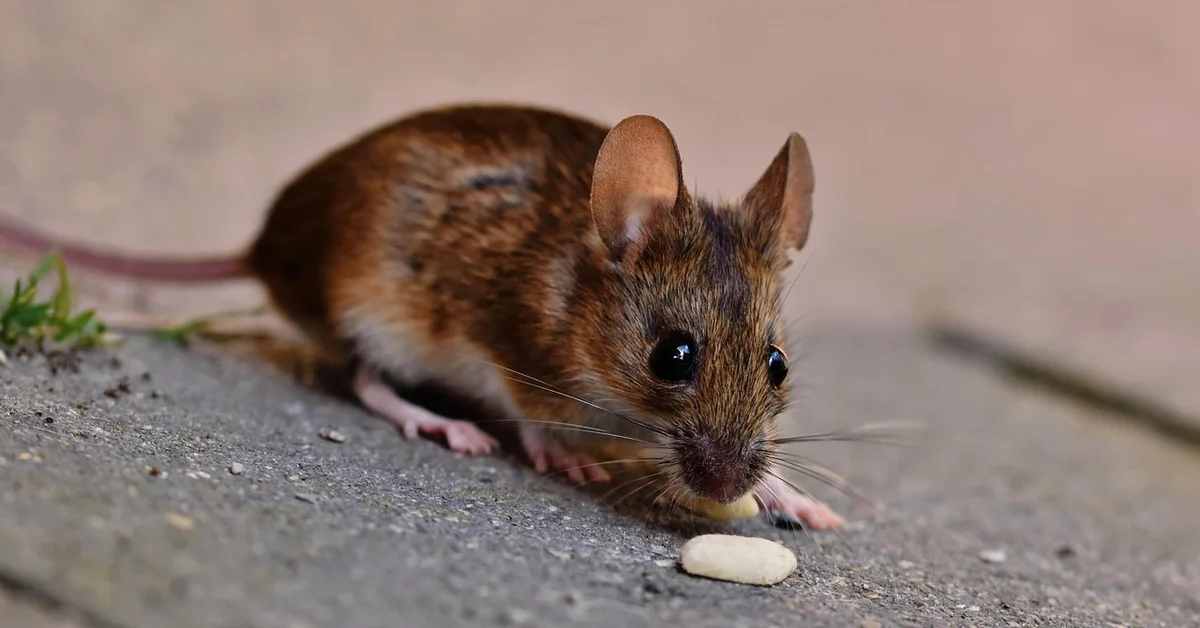
This is the gentlest and most recommended way to interact with your mouse. I always start by letting the mouse sniff my hand first, allowing them to understand I’m not a threat. Then, I slowly slide my hand, palm up, underneath their chest and belly. Let them walk onto your hand willingly if possible. Once they’re settled, you can gently cup your other hand over them to create a safe, enclosed space. This method feels secure to them, much like being in a small, dark burrow. Used consistently, this approach prepares your mouse for being handled, groomed, and tamed by building trust and reducing fear. It also makes shows or routine grooming much easier because they begin to associate your hands with safety.
The Two-Handed Support Lift
For mice that are a little more wiggly or for times you need a firmer hold, the two-handed support is perfect. Use one hand to scoop from below, just as in the scooping method, while your other hand gently forms a “cage” around their back and sides. Your fingers should be loose enough to allow for breathing and movement, but secure enough to prevent a sudden leap. The goal is to support their entire body weight evenly, preventing any strain on their spine. This gentle, secure hold is especially important when handling orphaned mouse pups, who need extra care and minimal stress. Use this method during feeding or socialization to avoid injury and help them acclimate to human handling.
Building Handling Trust Over Time
Trust isn’t built in a day, especially with prey animals like mice. Consistency is your greatest tool; short, positive handling sessions every day are far better than long, stressful ones once a week. Start by simply resting your hand in the cage with a high-value treat. Let your mouse approach you. Over time, they will associate your scent and presence with good things. Once they’re comfortable with your hand, set up a safe, stimulating playpen for supervised exploration. Use escape-proof sides, chew-safe toys, and hiding spots so they can play and explore without risk. My mouse Jeffery was incredibly skittish, but with daily, patient sessions, he now readily climbs into my hand for a piece of oat.
- Begin interactions with a special food item they love.
- Keep initial handling sessions under five minutes.
- Always handle in a secure, enclosed area at first.
- Speak to them in a soft, calm voice throughout.
Safe Cage Transfer Techniques
Moving your mouse from their cage for playtime or cleaning requires a slightly different approach. Instead of chasing them around the enclosure, which can cause stress, encourage them to enter a small tube or a hide that you can then lift out. You can also train them to climb into a small, sturdy cup. This gives them a sense of control and makes the transition smooth and panic-free. It turns a potentially scary event into a simple, predictable routine. For step-by-step instructions and other gentle handling techniques, see the complete guide to taming scared, skittish mice. It explains how to build trust gradually and tailor these methods to your mouse’s personality.
What Happens When a Mouse Tail Gets Injured
Recognizing the Signs of Tail Trauma
A mouse’s tail is an extension of its spine, packed with delicate vertebrae and nerves. Any injury to this area is not just a surface wound; it can affect their mobility and cause significant pain. Look for a tail that appears kinked, bent at an odd angle, or is being dragged. You might notice swelling, redness, or even a loss of fur. A mouse in pain from a tail injury may also become withdrawn, stop grooming properly, or squeak when the area is touched. These tail-specific signs can help you tell if your mouse is in pain. Also watch for other general indicators like reduced activity, loss of appetite, or changes in posture and grooming.
Immediate First Response Steps
If you suspect a tail injury, your first actions are critical. Immediately place the mouse in a quiet, warm, and familiar enclosure with easy access to food and water. Remove any cage mates to prevent further stress or nibbling on the injured area. You can offer a soft, paper-based bedding instead of rougher materials. Do not attempt to splint or bandage the tail yourself, as this can cause more harm. The priority is to minimize their stress and movement.
- Isolate the mouse in a calm, bare-bottomed hospital tank.
- Ensure the environment is warm and draft-free.
- Provide wet or mashed food for easy eating.
- Monitor closely for changes in behavior or eating habits.
When Veterinary Care is Essential
While some minor scrapes may heal on their own, certain situations demand professional help. You must seek immediate veterinary care if you see active bleeding, a visible break or bone fragment, or if the very tip of the tail turns dark, dry, and begins to fall off. This last symptom, called tail slip or degloving, is a serious condition where the skin literally slips off the tail bone. An exotic vet can provide pain relief, prevent infection, and manage the injury properly to give your mouse the best chance of recovery.
Common Handling Mistakes to Avoid
Many well-intentioned owners accidentally make handling stressful. Never grab your mouse from above, as this mimics the action of a predator bird and will trigger their instinct to flee or freeze. Avoid picking them up when they are sleeping or deeply nestled in a hide; always wait until they are awake and aware. Squeezing them, even gently, to prevent an escape can cause internal injuries. Remember, their bones are incredibly fragile. If children will be handling the mice, always supervise and teach them to scoop from below with cupped hands. Encourage short, quiet sessions so kids learn to be calm and gentle. Loud noises and sudden movements during handling will undo weeks of trust-building in an instant.
- Grabbing from above instead of scooping from below.
- Lifting a mouse by any part of its tail.
- Handling a sleeping or startled mouse.
- Restraining them too tightly out of fear they will jump.
- Handling in a loud, bright, or unsecured space.
Frequently Asked Questions
Should I ever use poison around my pet mice?
No, you should never use rodent poison in any area accessible to your pet mice. These poisons are designed to be lethal and can cause internal bleeding, organ failure, and a slow, painful death if ingested by your pets. Even indirect exposure, such as a mouse walking over a poisoned surface and then grooming itself, can lead to severe illness or fatality.
Additionally, poisoned mice can become weak and disoriented, making them more vulnerable to injury or unable to access food and water. Always opt for safe, pet-friendly pest control methods and keep your mice’s environment completely separate from any areas where toxins might be used to protect their health and well-being.
Is it safe to use mouse traps in a home with pet mice?
It is not safe to use traditional snap or glue traps in a home with pet mice, as these can cause serious injury or death to your pets if they accidentally trigger them. Even if the traps are intended for wild rodents, curious pet mice might explore and get caught, leading to broken bones, suffocation, or severe stress.
Instead, focus on preventative measures like securing food sources and sealing entry points to deter wild mice. If you must control pests, use humane, live-catch traps placed in areas completely inaccessible to your pets, and check them frequently to ensure no unintended captures occur.
What should I do if I need to clean mouse droppings?
When cleaning mouse droppings, never handle them directly with your bare hands, as they can carry harmful bacteria and viruses like hantavirus or salmonella. Always wear disposable gloves and a mask to avoid inhaling any dust or particles, and use a damp paper towel or cloth to carefully pick up the droppings without stirring up debris.
After disposal, thoroughly disinfect the area with a pet-safe cleaner and wash your hands well. Regularly cleaning your pet’s cage with proper hygiene practices minimizes health risks and keeps both you and your mice safe from potential diseases.
Your Gentle Approach Matters
Your mouse’s trust is a delicate treasure, built through consistent and respectful handling. Choosing to scoop them up instead of grabbing their tail protects their fragile bodies and strengthens your special bond, transforming nervous squeaks into happy, curious explorations. Over time, mice can learn to recognize their owners by scent, voice and handling patterns, and will often seek out familiar people. Regular, gentle interactions help them link those cues to safety and affection.
This simple choice makes you a truly wonderful mouse guardian. You are now equipped with the knowledge to interact safely, ensuring your tiny friend feels secure and cherished in your care for all your adventures together.
Further Reading & Sources
- Pet Mice 101: A Beginner’s Guide To Keeping a Mouse as a Pet | Chewy
- How to Train Your Mouse to Play with You
- How to Care for a Pet Mouse
Isabella is a passionate small pet enthusiast with over 8 years of experience in caring for mice. She loves sharing practical tips and heartfelt stories to help fellow mouse owners provide the best care for their tiny companions.
Socialization Tips