
Pet Mouse Coat Types: Satin, Rex, Texel, and More
Have you ever run your fingers over your mouse’s fur and noticed how textures can range from glossy and smooth to wavy and dense? Recognizing these coat varieties deepens your bond and helps you tailor their grooming and habitat needs. Identifying your mouse’s specific coat type is the first step toward providing personalized care that supports their comfort and well-being.
This guide breaks down the most common pet mouse coat types, offering clear descriptions and care tips so you can confidently recognize and nurture each variety. We will explore satin, rex, texel, and other unique coats, giving you the knowledge to appreciate and support your mouse’s individual characteristics.
How Pet Mouse Coat Types Work
Standard Coat vs Coat Mutations
Think of your mouse’s coat as a tiny, living jacket that comes in many styles, all shaped by their genes. The standard coat is the default setting for most pet mice, featuring short, smooth fur that lies flat and requires minimal upkeep. Coat mutations happen when specific genes change, creating unique textures and appearances beyond the ordinary.
These genetic tweaks can affect hair length, curl, or shine, giving rise to varieties like satin or rex. Mutations often pop up naturally and are selectively bred to maintain those adorable traits you might adore. While standard coats are straightforward, mutated types can bring extra charm and sometimes need a bit more attention from you. Keep in mind that each coat type comes with its own care requirements.
Common Pet Mouse Coat Types Explained
Standard Coat Mice
Standard coat mice sport a sleek, uniform layer of fur that feels soft and lies close to their body. This classic look is low-maintenance and perfect for first-time owners because it rarely mats or tangles. You will notice their fur sheds evenly and helps regulate body temperature without fuss.
My mouse Gregory has this coat, and his dark brown fur always looks tidy with just occasional gentle brushing. Standard coats are resilient and adapt well to various environments, making them a reliable choice for busy households.
Satin Coat Mice
Satin coat mice gleam with an almost metallic sheen due to hollow hair shafts that reflect light beautifully. Their fur feels silkier and finer than standard coats, giving them a luxurious appearance that catches your eye. This mutation affects the hair structure without changing length or texture drastically.
You might find satin coats in any color, and they tend to be just as easy to care for as standard types. Regular handling helps distribute natural oils, keeping that glossy finish vibrant and healthy.
Rex Coat Mice
Rex coat mice boast wavy or curly fur that stands out for its plush, textured feel. This crinkled look comes from a gene that alters the hair follicle, creating waves all over their body. Their whiskers often curl too, adding to their quirky charm.
Caring for a rex mouse involves gentle grooming to prevent loose fur from tangling. I have seen that rex coats can vary in density, so check for skin irritations during weekly brushings. Their unique texture makes them a joy to pet, as the curls provide extra softness.
Texel Coat Mice
Texel coat mice combine long hair with tight curls, resulting in a fluffy, corkscrew-like appearance. This coat type demands more grooming effort because those long curls mat easily if neglected. You will need a soft-bristled brush to gently work through their fur several times a week.
Their lively curls can hide debris, so inspect their coat during playtime. Texel mice often have playful personalities that match their extravagant look, but be prepared for extra cleaning around their habitat.
Longhair and Angora Mice
Longhair and Angora mice feature flowing, straight fur that can grow quite lengthy, sometimes trailing behind them as they move. This elegant coat requires daily brushing to avoid painful mats and keep their skin healthy. You might notice their fur collects bedding or food, so trim it carefully if needed. Regular gentle grooming with a soft brush and quick spot-checks for tangles will help prevent mats from forming. Keeping their bedding clean and dry and trimming any debris-prone fur also reduces matting risk.
These mice benefit from a clean environment to reduce dirt buildup. Regular grooming sessions become bonding moments that help you monitor their well-being closely. When mice are concerned, their grooming often changes — they may over-groom, stop grooming entirely, or develop matted fur. Noticing these warning signs lets you address stress or health issues promptly. For more information, you can read about grooming often changes, which highlights changes in grooming when mice are stressed or unwell.
Double Rex Mice
Double rex mice have an even more pronounced curly coat that can appear patchy or thin in spots. This results from inheriting two rex genes, leading to irregular fur growth and occasional bald areas. Their skin might need protection from scratches or temperature changes.
You should provide soft bedding and avoid rough handling to prevent discomfort. Double rex coats are unique but require attentive care to maintain skin health and comfort.
Hairless Mice
Hairless mice completely lack fur, revealing smooth, pink skin that needs special attention. Without a protective coat, they are prone to drafts and skin dryness, so keep their habitat warm and humid. You must apply pet-safe moisturizer to prevent cracks or irritations. Choose moisturizers formulated for small animals or ask your veterinarian for a safe option. Apply sparingly and monitor to prevent ingestion.
These mice often seek warmth and might cuddle more with cage mates for heat. Hairless types are sensitive but incredibly affectionate, rewarding your extra care with strong bonds.
Grooming Requirements for Different Coat Types
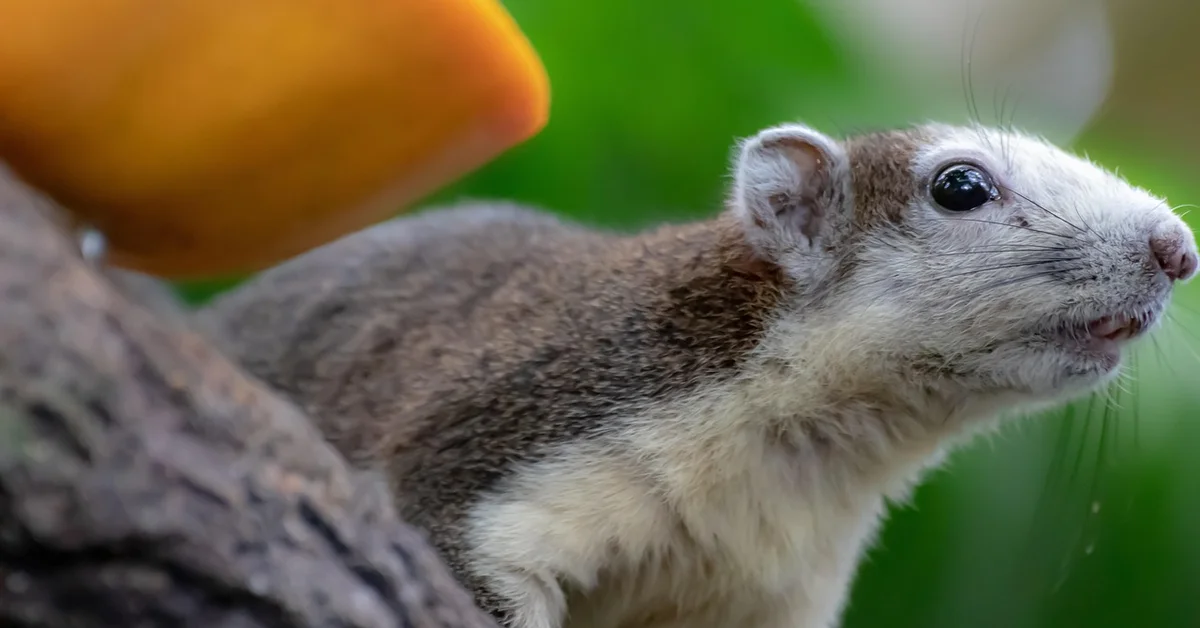
Low Maintenance Coats
Standard-coated mice, like my curious Kenny, usually keep themselves tidy with minimal help. Their short, smooth fur rarely tangles, so a quick weekly check for debris is often all that’s needed. They regularly groom themselves—licking their fur and using their paws to remove dirt and redistribute natural oils—so self-cleaning behaviors do most of the work. Knowing these habits makes it easier to spot when a mouse needs extra care. You can support their natural grooming by providing a dust-free habitat and a balanced diet rich in protein.
- Brush gently with a soft-bristled toothbrush once a week to remove loose hairs
- Ensure their bedding is non-irritating and changed regularly
- Offer a shallow dish of chinchilla sand for occasional dust baths
These mice adapt well to various homes because their coat care fits into any routine.
Higher Maintenance Coats
Rex and Texel coats, with their charming curls or waves, demand more consistent attention. Their unique texture can easily mat if not brushed every few days, leading to discomfort. I use a fine-toothed comb or my fingers to gently work through knots, always moving in the direction of hair growth to avoid pulling.
- Inspect the coat daily for tangles or foreign objects
- Comb thoroughly at least three times a week
- Trim any severely matted fur with blunt-nosed scissors, if necessary
Regular grooming sessions also become bonding moments, helping your mouse feel secure.
Special Care for Hairless and Double Rex
Hairless and Double Rex mice lack full fur coverage, making their skin vulnerable. You must protect their delicate skin from scratches, dryness, and temperature changes with extra vigilance. Apply a tiny amount of unscented, hypoallergenic lotion weekly to prevent flakiness.
- Provide soft, fleece bedding to avoid abrasions
- Keep their environment between 70-75°F to maintain body heat
- Wipe their skin with a damp cloth weekly to remove oil buildup
These mice thrive when their unique needs are met with gentle, consistent care.
How Coat Type Affects Your Pet Mouse’s Health
Skin Health and Coat Condition
A mouse’s coat acts as a barrier, but some types increase skin issue risks. Rex coats, for instance, can trap moisture and debris close to the skin, raising the chance of fungal infections. Watch for redness, flaking, or excessive scratching, which signal it’s time to adjust their care routine.
- Check for bald patches or sores during handling
- Use oatmeal-based shampoos for occasional baths if recommended by a vet
- Ensure their diet includes omega-3 fatty acids to support skin elasticity
Healthy skin often means a happier, more active mouse, regardless of coat type.
Temperature Regulation by Coat Type
Fur density directly influences how your mouse handles warm or cool environments. Mice with thick or double coats, like some Rex varieties, may overheat easily in warm rooms. Conversely, hairless mice lose body heat rapidly and need cozy hideouts and maybe a safe heat pad set on low.
- Monitor room temperature closely-aim for 65-75°F for most coats
- Provide extra nesting material for insulated breeds in cooler months
- Avoid direct sunlight or drafts that could stress their system
Adjusting their surroundings based on coat type helps prevent health setbacks.
Selecting a Pet Mouse Based on Coat Type
Matching Coat Type to Your Lifestyle
Your daily schedule and patience level should guide your choice of mouse coat. If you have limited time, a standard-coated mouse fits seamlessly into a busy life with minimal grooming demands. For those who enjoy hands-on care, a Texel or Rex offers rewarding grooming sessions that deepen your bond. These coat considerations are central to understanding fancy mouse breeds, since different breeds often have distinct grooming needs and appearances. Knowing these traits helps you choose a breed that matches your lifestyle and expectations.
- Low-maintenance coats: Ideal for first-time owners or families with children
- High-maintenance coats: Best for experienced owners who can dedicate time daily
- Hairless varieties: Suit attentive owners ready for specialized skin care
Think about how much interaction you want-some coats encourage more handling than others.
What to Look for When Choosing Your Mouse
When visiting a breeder or rescue, focus on coat quality as a health indicator. A shiny, evenly distributed coat without bald spots often reflects good overall health and proper nutrition. Gently part the fur to check for clean skin and listen for any wheezing or sneezing that might suggest respiratory issues.
- Observe the mouse’s activity-lively movements usually mean a well-cared-for pet
- Feel the coat for softness and absence of crusts or parasites
- Ask about the mouse’s history to understand any past skin or grooming challenges
Selecting a mouse with a coat that matches your commitment ensures a joyful experience for both of you.
Mouse Coat Color Genetics and Patterns
Peering into the world of mouse coat genetics feels a bit like being a detective, uncovering the tiny biological instructions that create such a beautiful array of fur. Every single color and pattern you see is the result of specific genes inherited from a mouse’s parents, which can be quite complex if you’re not familiar with the genetics terminology. It’s a fascinating puzzle that explains why my light gray Kenny looks so different from my dark brown Gregory, even though they share the same home.
Common Coat Colors in Pet Mice
The base palette for mouse fur is surprisingly varied. Think of these as the foundational colors before any patterns are applied.
- Black: A rich, solid black from nose to tail tip. This is a dominant color gene.
- Chocolate: A deep, warm brown that looks like melted milk chocolate.
- Albino (Pink-Eyed White): This isn’t a true color but a lack of pigment. These mice have pure white fur and pink eyes.
- Dove (or Blue): A soft, silvery-gray that gives a delicate, muted appearance.
- Fawn: A lovely golden-sand color, often with a creamy undertone.
- Silver: Individual hairs are banded with black and white, creating a sparkling, grizzled effect.
Coat Patterns and Markings
Patterns are where genetics really start to show off, painting unique designs over the base coat colors. These markings are what make each mouse a one-of-a-kind work of art. My Jeffery, for instance, is a broken marked white, with his cheerful little patches that seem perfectly placed. These are prime examples of marked mice — even broken and Dutch patterns — which show how varied and appealing coat markings can be. Breeders and enthusiasts often prize these patterns for their individuality and charm.
- Brindle: A stunning pattern of dark and light hairs mixed together, creating a tortoiseshell or salt-and-pepper look.
- Broken Marked: Any combination of colored patches on a white background. The size and placement of the patches are completely random.
- Banded (or Irish): A solid colored mouse with a clean, white band around its middle, like a little belt.
- Himalayan: These mice are born all white and develop darker points (ears, nose, feet, and tail) as they grow, similar to Siamese cats.
- Roan: A mix of colored and white hairs scattered evenly throughout the coat, which can sometimes lighten with age.
- Self: This is the simplest pattern-a single, solid color from head to tail without any markings or white.
Nutrition and Coat Health
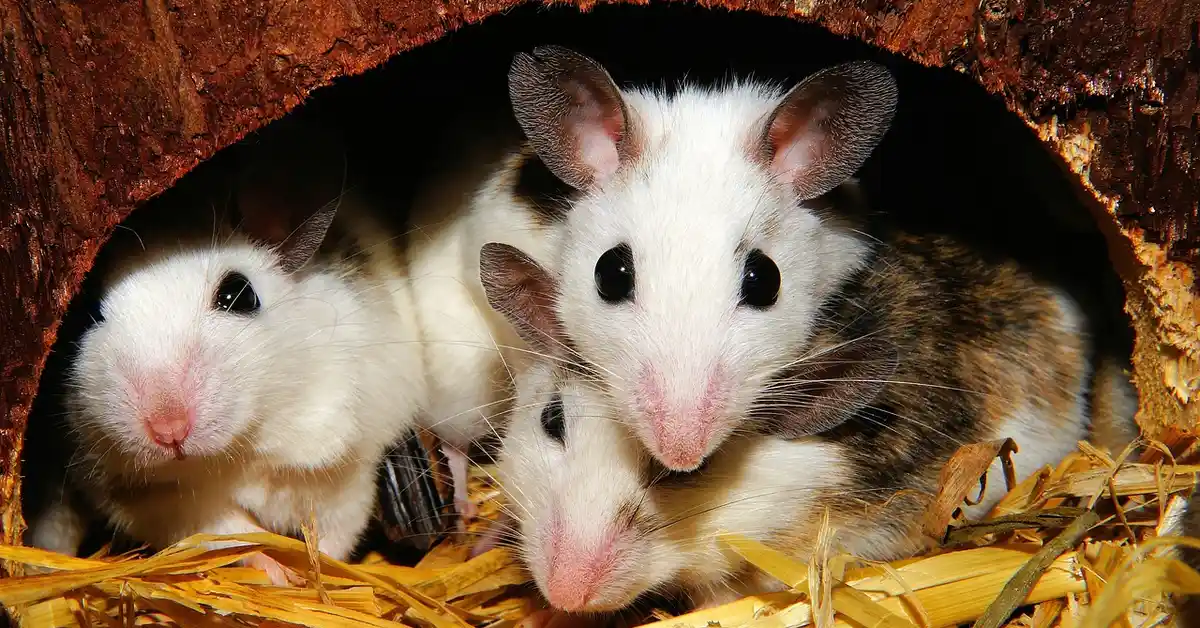
You can have a mouse with the most gorgeous genetic potential, but without the right fuel, that coat will never reach its full glory. A dull, rough, or patchy coat is often the first sign that something is missing from your mouse’s diet. I noticed a huge difference in Gregory’s older coat once I dialed in his nutrition-his dark brown fur became much richer and softer. Proper grooming and nutrition go hand in hand for a healthy coat.
The building blocks of a fabulous coat come from the inside out. Here’s what to look for in a high-quality mouse diet to support lush, healthy fur:
- High-Quality Protein: Look for a lab block or pellet that lists a protein source like soybean meal or fish meal among the first ingredients. Protein is essential for strong, resilient hair shafts.
- Healthy Fats: Don’t fear fats! Sources like flaxseed and sunflower oil provide Omega-3 and Omega-6 fatty acids that give fur its incredible shine and suppleness.
- Variety is Key: While a lab block should be the staple, supplementing with small amounts of fresh foods can provide a boost. I occasionally offer mine:
- A tiny piece of hard-boiled egg (excellent for protein and biotin).
- A single oat groat or flaxseed.
- A bit of cooked, unseasoned chicken.
- Constant Hydration: Always, always provide fresh, clean water. Dehydration will make any coat look dry and lifeless.
A well-nourished mouse doesn’t just look good-it feels good. When their nutritional needs are met, you’ll see it in their energetic behavior and that unmistakable, plush sheen of their fur. It’s one of the most rewarding parts of mouse care, seeing them thrive from the care you provide.
Frequently Asked Questions
What does typical pet mouse fur look like?
Pet mouse fur generally appears as a short, dense layer that feels soft and smooth to the touch, lying flat against the body for efficient temperature regulation. It can vary in texture from sleek and glossy to slightly coarse, depending on the specific coat type, and often features a uniform appearance that helps protect the skin from minor irritants and environmental factors.
How are mouse coat types classified?
Mouse coat types are broadly categorized into standard coats, which are short, smooth, and low-maintenance, and mutated coats that result from genetic variations, such as satin, rex, or texel. These mutations affect hair structure, leading to unique traits like increased shine, waves, or curls, which can influence grooming requirements and overall care strategies for pet owners.
What role do genes play in mouse coat appearance?
Genes determine mouse coat appearance by controlling aspects like hair texture, length, and color through inherited genetic codes. Specific genes can cause mutations that result in varied coat types and patterns, such as solid colors or markings, by influencing pigment production and distribution, which is why offspring often display traits similar to their parents.
Your Path Forward
Ultimately, your mouse’s coat is a beautiful part of their identity, but it’s just one piece of the wonderful puzzle that makes them your pet. Focus on the vibrant personality shining through that fur, whether it’s a glossy satin, a curly rex, or a long-haired texel. These coat types stem from distinct genetic factors, so a little knowledge of genetics can help explain differences in texture, sheen, and curl. Their health and happiness will always matter more than any single genetic trait.
Embrace the unique charm of your mouse’s appearance as you learn their individual quirks and preferences. The bond you build through gentle handling and attentive care is the most beautiful thing you can cultivate together. Enjoy every moment with your tiny, furry friend.
Further Reading & Sources
- AFRMA Fancy Mouse Standards
- 7 Types of Pet Mice Varieties (With Info & Pictures) | PangoVet Pet Corner
- Fancy mouse – Wikipedia
Isabella is a passionate small pet enthusiast with over 8 years of experience in caring for mice. She loves sharing practical tips and heartfelt stories to help fellow mouse owners provide the best care for their tiny companions.
Mice Breeds & Varieties