
The Cost of Veterinary Care for Your Pet Mouse
Worried about how much you might spend on vet bills for your tiny friend? This guide will walk you through every aspect of mouse veterinary expenses, giving you the confidence to plan for your pet’s health without financial stress.
You’ll get detailed insights into what a standard wellness exam typically costs, how much common treatments for issues like respiratory infections or injuries usually run, and smart, effective ways to keep care affordable while ensuring your mouse stays healthy.
What You’ll Actually Pay: Real Numbers for Mouse Vet Visits
Routine Checkup Costs and What They Include
A standard wellness visit for your mouse typically ranges from $40 to $80, depending on your location and the clinic. This baseline cost covers a thorough physical examination where the vet checks your mouse’s weight, teeth, fur, and overall condition. I’ve found that these appointments are vital for spotting subtle changes early, especially with my curious mouse Kenny, who always seems to find new ways to keep me on my toes.
What’s usually included in that fee:
- A hands-on physical assessment of body and mobility
- Evaluation of eyes, ears, and respiratory sounds
- Weight tracking and nutritional guidance
- Basic health and habitat advice tailored to mice
Investing in regular checkups helps you build a relationship with a vet who understands your mouse’s unique personality and needs. You’ll feel more prepared to handle surprises because you have a professional who knows your pet’s history.
Emergency Vet Visit Price Ranges
Unexpected health crises can happen quickly with small pets, and emergency visits often start at $100 and can climb to $300 or more. Emergency fees are higher due to after-hours care, urgent diagnostics, and immediate treatments. When my older mouse Gregory had a scare, the peace of mind from having a vet available was worth every penny. It’s important to factor such potential emergency bills into the true cost of owning a mouse, not just one-time setup expenses like a cage or wheel. Over time, routine and unexpected veterinary care can make ongoing costs comparable to or exceed initial startup costs.
Common emergency scenarios and their potential costs:
- Injury or wound treatment: $120-$250
- Sudden illness workup with tests: $150-$350
- Supportive care like fluids or oxygen: $80-$200
Having a savings fund specifically for vet emergencies can relieve so much stress when your mouse needs help fast. Look for clinics that offer payment plans or care credit if you’re concerned about upfront costs.
Common Health Issues and Their Treatment Costs
Respiratory Infections and Medication Costs
Mice are prone to respiratory issues, often signaled by sneezing, wheezing, or lethargy. Treatment usually involves antibiotics, which can cost between $20 and $50 for a course. In my experience, catching symptoms early makes a huge difference in recovery time and expense. Addressing rodent problems promptly can also prevent larger infestations that require professional removal. Mouse exterminator costs vary, but are often around $100–$300 for an initial service and can be higher if follow‑ups or home repairs are needed.
Typical steps and costs for respiratory care:
- Vet consultation and diagnosis: $50-$80
- Antibiotic medication: $15-$40
- Follow-up check to ensure clearance: $30-$60
Keeping your mouse’s environment clean and draft-free is one of the best ways to prevent respiratory flare-ups. Monitor their behavior closely, as changes in activity can be the first clue something is wrong. A simple daily mouse care checklist with five quick tips can help you spot those changes early. Use it to track cleaning, feeding, hydration, health checks, and enrichment.
Mite and Parasite Treatment Expenses
Mites can cause itching, hair loss, and discomfort for your mouse. Treatment typically uses topical solutions or oral medications costing $15 to $40. I’ve dealt with this issue before, and a simple treatment quickly restored my white mouse Jeffery’s cheerful demeanor.
Common parasite treatment options and prices:
- Topical anti-parasitic drops: $10-$25
- Cage cleaning and bedding replacement: $10-$20
- Preventative sprays or wipes: $5-$15
Regularly inspecting your mouse’s skin and fur helps you catch parasites before they become a major problem. Isolate affected mice and clean their habitat thoroughly to prevent spread. Wild mice can transmit parasites to pet mice, so good rodent control around the home helps protect them. If you suspect an infestation, contact a professional pest-control service to remove wild mice and seal entry points.
Dental Care and Overgrown Teeth
Mice’s teeth grow continuously, and overgrowth can lead to eating difficulties. Professional trimming at the vet usually runs $30 to $80 per session. Providing chew toys and hard foods can help maintain dental health between visits.
Dental care steps and associated costs:
- Initial exam to assess tooth length: $40-$70
- Filing or trimming procedure: $30-$80
- Post-care pain relief or supplements: $10-$30
Offering wooden blocks or mineral chews encourages natural wear and can reduce how often you need professional trims. Watch for signs like drooling or weight loss, which might indicate dental trouble.
Tumor Removal and Surgical Costs
Tumors are common in mice, especially as they age, and removal surgery can range from $200 to $500. Surgical costs cover anesthesia, the procedure itself, and initial recovery monitoring. When my wise mouse Gregory needed a lump removed, the vet’s skill gave him more comfortable months.
Breakdown of tumor removal expenses:
- Pre-surgical bloodwork and imaging: $60-$150
- Anesthesia and surgery fee: $150-$400
- Post-op medications and check-ups: $40-$100
Discussing your mouse’s age and quality of life with your vet helps you make compassionate decisions about surgery. Many mice recover well from these procedures with proper care and a calm environment.
Diagnostic Tests: When You Need Them and What They Cost

X-rays and Imaging for Small Mammals
When your mouse is unwell, an x-ray can be the quickest way for a vet to see inside their tiny body. This imaging is vital for spotting problems like broken bones from a fall, lung infections, or blockages in their digestive system. The process itself is quite safe, though your mouse will need a very small dose of anesthetic to hold perfectly still for the clear picture the vet needs. After the x-ray, your vet may recommend letting your mouse recover in a quiet, warm home or a small hospital cage so you can closely monitor them. Make sure the recovery space has soft bedding, easy access to food and water, and minimal disturbance to help them rest.
You can expect to pay between $100 and $250 for a rodent x-ray. The price depends on your location and the number of views the vet needs to take. My own mouse, Kenny, once needed an x-ray after a particularly daring leap from a shelf, and it gave us immediate peace of mind by ruling out a spinal injury.
- Common Reasons for an X-ray: Limping, labored breathing, suspected pregnancy, or a bloated abdomen.
- What the Vet Sees: Fractures, pneumonia, tumors, or foreign objects.
- Cost Factor: The need for anesthesia is a significant part of the total fee.
Lab Work and Bloodwork Expenses
Bloodwork and other lab tests act like a detailed report card for your mouse’s internal health. A fecal float test, which checks for parasites, is one of the most common and affordable diagnostics, usually costing $25 to $50. This simple test can explain symptoms like weight loss or a messy bottom.
Blood tests are more complex and therefore more expensive, typically ranging from $80 to $150. Because a mouse has such a small total blood volume, only a specialist should perform this draw. The results can reveal issues with organs like the liver and kidneys, or detect systemic infections.
- Fecal Exam: Ideal for diagnosing worms, protozoa, and other gut parasites.
- Blood Panel: Measures red and white blood cell counts and organ function markers.
- Skin Scraping: Used to identify mites or fungal infections, costing around $40-$70.
Finding an Exotic Veterinarian Who Treats Mice
Why Your Mouse Needs an Exotic Animal Specialist
A standard cat and dog vet simply isn’t trained for the unique physiology of a mouse. An exotic animal veterinarian has specific knowledge about rodent anatomy, proper drug dosages, and common mouse diseases. They have the right-sized equipment, from tiny stethoscopes to miniature needles, which makes examinations and treatments much less stressful for your pet.
I learned this the hard way years ago with a previous mouse; a regular vet misdiagnosed a simple respiratory infection because they weren’t familiar with the subtle sounds of a mouse’s congested lungs.
- Specialized Knowledge: Understanding of mouse-specific ailments like chronic respiratory disease (CRD) or malocclusion.
- Appropriate Equipment: Smaller tools for safer handling and more accurate procedures.
- Correct Medication: They know which antibiotics are safe for mice and how to calculate the minuscule, precise doses required.
Questions to Ask Before Your First Visit
Calling a clinic ahead of time can save you a wasted trip and ensure your mouse gets the best care. Always confirm that the veterinarian on staff has direct and recent experience with treating pet mice specifically. Don’t be shy about asking for details; your mouse’s well-being depends on it. If you need to bring a sick mouse in, call ahead to ask about the safest way to transport them and any curbside or appointment procedures. Use a secure, well-ventilated carrier lined with soft bedding and keep the mouse warm and calm during the trip.
Here are some key questions to have ready:
- “What percentage of your practice is dedicated to exotic pets like mice?”
- “Are you comfortable with routine procedures for mice, like trimming overgrown teeth?”
- “What is your after-hours policy for rodent emergencies?”
- “Can you provide an itemized estimate for a standard wellness exam?”
Smart Ways to Reduce Your Mouse Vet Bills
Preventative Care That Actually Saves Money
The single best way to manage veterinary costs is to prevent illness before it starts. Investing in a high-quality lab block diet and a clean, draft-free habitat is far cheaper than treating a respiratory infection later. A proactive wellness check once a year, which might cost $60-$100, can catch small issues before they become big, expensive problems.
- Superior Nutrition: A balanced diet prevents obesity and nutrient deficiencies.
- Habitat Hygiene: Regular cleaning with a mouse-safe disinfectant reduces bacteria and ammonia buildup.
- Environmental Enrichment: Providing safe things to chew on, like wooden blocks, helps wear down their constantly growing teeth naturally.
Pet Insurance for Mice: Is It Worth It?
Pet insurance for small mammals is a newer offering, and its value is very personal. These plans typically work by reimbursing you for a percentage of costs after you meet a deductible, which can be helpful for a major, unexpected surgery. You must read the fine print carefully, as many plans have caps on payouts or exclude pre-existing conditions common in older mice.
For my three boys, I’ve chosen to self-insure by setting aside a small amount of money each month into a dedicated “mouse fund.” This gives me flexibility, but insurance can provide valuable peace of mind if a large, unpredictable bill would cause financial strain.
- Pro: Can cover a significant portion of emergency surgery or chronic illness costs.
- Con: Monthly premiums add up, and most routine care is not covered.
- Consider Your Mouse’s Age: Insurance is most logical for a young, healthy mouse.
Low-Cost Vet Clinics and Payment Options
If a primary exotic vet is outside your budget, there are other avenues to explore. Some veterinary schools run teaching clinics where services are provided by supervised students at a reduced cost. You can also search for non-profit animal shelters in your area, as some operate low-cost clinics that include care for small pets.
For planned procedures, always ask if the clinic offers a payment plan. Many use third-party services like CareCredit, which allows you to pay for treatment over several months, often with no interest if paid within a promotional period.
- Veterinary School Clinics: Provide affordable care while training future vets.
- Shelter-Based Clinics: A great resource for vaccinations and basic check-ups.
- Payment Plans: Break down a large bill into manageable monthly payments.
Budgeting for Your Mouse’s Healthcare
Setting Up an Emergency Vet Fund
An emergency vet fund acts as a financial safety net for unexpected health issues that can arise suddenly with mice. These small pets often hide symptoms until a condition becomes serious, so having funds ready prevents delays in care.
Start by setting a savings goal based on common emergencies like respiratory infections or injuries. Even small, consistent contributions build a reliable buffer over time. I keep a separate jar for my mice, adding a few dollars each week-it adds up faster than you might think.
- Estimate potential costs: Emergency visits for issues like blockages or infections can range from $100 to $300.
- Choose a savings method: Use a dedicated bank account or a physical container to avoid dipping into it for other expenses.
- Review and adjust: Check your fund every few months to ensure it matches your mouse’s age and health needs.
Annual Healthcare Costs to Expect
Regular veterinary care helps catch problems early and keeps your mouse thriving throughout the year. Budgeting for these predictable expenses makes pet ownership smoother and less stressful. When weighing the pros and cons of pet mice, factor in that routine vet visits and steady costs are part of responsible ownership. For many, this predictability is a pro—others may see any ongoing cost as a con.
From my experience, older mice like Gregory may need more frequent check-ups. Annual costs typically include exams, preventive treatments, and occasional supplements. Here is a breakdown of what to anticipate:
- Routine vet exams: Plan for one or two visits yearly, averaging $50 to $75 each.
- Parasite control: Treatments for mites or lice cost around $20 to $30 annually.
- Dental care: Teeth trims, if needed, run about $30 to $50 per session.
- Nutritional supplements: Items like vitamin drops or joint support add $15 to $25 per year.
End-of-Life Care and Euthanasia Costs
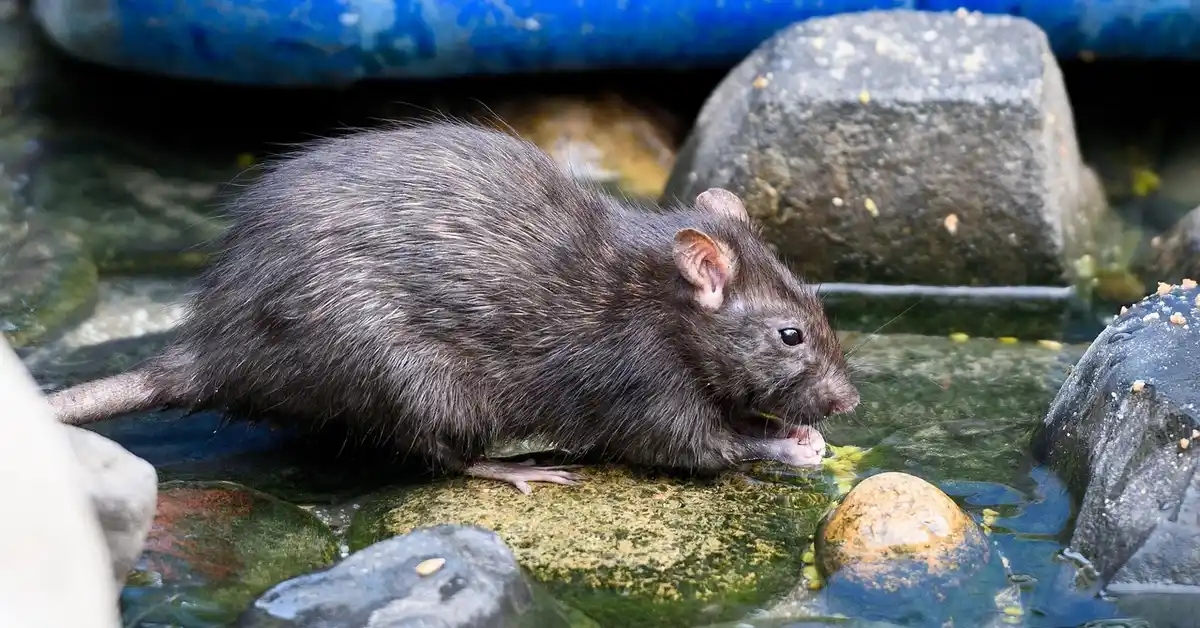
Preparing for end-of-life care is a compassionate step that honors your mouse’s well-being during their final days. It is a difficult topic, but planning ahead brings peace of mind.
Costs can vary based on your location and choices. Euthanasia is often the kindest option for suffering mice, and aftercare services provide closure. I have found that discussing options with your vet early helps you make informed decisions.
- Euthanasia procedure: Typically $50 to $100, including sedation and passing.
- Aftercare: Cremation services range from $30 to $80, while home burial has no cost but requires a suitable spot.
- Memorial keepsakes: Optional items like urns or paw prints add $20 to $50 to the total.
Frequently Asked Questions
How can I locate a veterinarian near me that treats pet mice?
To find a vet who specializes in mice, search online for “exotic animal veterinarian” or “small mammal vet” in your city, and check directories from organizations like the Association of Exotic Mammal Veterinarians. You can also ask for recommendations from local pet stores, rodent breeders, or animal shelters, as they often have lists of trusted professionals experienced with mice. If you’re still having trouble finding a suitable vet, check this guide for finding an exotic vet for your mouse.
When contacting clinics, confirm their experience with mice specifically, as not all exotic vets may handle them regularly. This ensures your mouse receives care from someone familiar with their unique needs and common health issues. At your mouse’s first vet visit, expect a thorough physical exam, questions about diet and housing, and possibly basic diagnostics like fecal or skin checks. Knowing the clinic’s mouse experience beforehand will help you prepare and feel more confident during that appointment.
How does the cost of a vet visit for a rat compare to one for a mouse?
Veterinary costs for rats are generally similar to those for mice, as both require exotic animal specialists and share comparable service fees for routine exams, which typically range from $50 to $100. However, rats may incur slightly higher medication or treatment costs due to their larger size and different common health concerns, such as a higher incidence of respiratory diseases.
Overall, while baseline visit prices are alike, the total expense can vary based on the specific condition and required treatments. Consulting with a vet for a detailed estimate based on your pet’s needs is the best way to understand potential costs.
What factors influence the total cost of veterinary care for a pet mouse?
The cost depends on factors like your geographic location, with urban areas often having higher fees due to increased operating expenses for clinics. The type of veterinary practice-whether it’s a general clinic offering exotic services or a specialized exotic vet-can also affect pricing, as specialists may charge more for their expertise.
Additionally, the severity and type of health issue play a role; emergencies, surgeries, and complex diagnostics like x-rays or lab work add to expenses, while routine care is more affordable. Planning for these variables through preventative measures and budgeting can help you manage overall costs effectively.
Your Path Forward
Planning for your mouse’s health doesn’t have to be a source of stress, but rather a simple, manageable part of being a fantastic pet owner. Setting aside a small fund, researching exotic vets before you need one, and knowing common health signs can transform a potential crisis into a handled situation. This preventative mouse health guide gives straightforward tips on daily care, nutrition, habitat, and early warning signs so you can spot problems before they escalate. Use it as a simple checklist to keep your mouse happy and healthy.
The bond you share with your tiny friend is priceless, and a little financial foresight ensures you can protect it for years to come. You are fully capable of providing a wonderful, healthy life for your mouse, and being prepared is the most powerful step you can take.
Further Reading & Sources
- r/PetMice on Reddit: Cost to bring mice to the vet?
- Average cost for mouse vet visit?
- AFRMA – Medical – Taking Mice to the Vet; Mouse Problems; Illness in Rat Bites and Feces
Isabella is a passionate small pet enthusiast with over 8 years of experience in caring for mice. She loves sharing practical tips and heartfelt stories to help fellow mouse owners provide the best care for their tiny companions.
Vet Visits