
Do Rabbits, Bunnies, or Guinea Pigs Attract Mice?
Are you concerned that your cuddly companions might be unintentionally inviting mice into your living space?
As a longtime mouse owner, I understand this worry and will help you separate fact from fiction with straightforward guidance. We’ll look at common attractants like food spills and bedding choices, debunk myths, and offer simple steps to protect all your pets.
Why Rabbits and Guinea Pigs Can Draw Wild Mice
Feed Spillage and Accessible Pet Food
Your rabbit’s pellet bowl or a guinea pig’s scattered veggie scraps are a five-star buffet for a wild mouse. These rodents have an incredible sense of smell and will travel surprising distances for an easy, reliable meal. A single dropped pellet or a flake of uneaten hay can signal a feast to a foraging mouse. I always make a point to sweep around my small pets’ enclosures immediately after feeding time, as even the most careful eater creates some mess that can attract unwanted visitors.
Hay and Bedding as Nesting Material
The very materials you use to keep your larger pets comfortable and healthy are prime real estate for a wild mouse looking to start a family. A loose pile of hay or a cozy corner of paper bedding provides the perfect, pre-gathered insulation for a nest. Mice view your pet’s enclosure not as a home, but as a fully-stocked resource center offering both food and shelter. I store all my spare hay and bedding in sealed, hard plastic containers to prevent mice from finding it before I even use it.
Droppings, Urine, and Scent Trails
The daily biological functions of your rabbit or guinea pig create a powerful, lingering scent marker. Wild mice use these odors as a roadmap, following the trails to a location that clearly supports other small-animal life. This scent communication tells other mice that the area is safe, populated, and likely rich in resources. A consistent cleaning schedule is your best defense, breaking down those olfactory signposts before they can be widely broadcast. To reduce mouse odor in your home, clean pet cages and wash bedding regularly to remove these scent cues. Store food securely and seal gaps where mice can enter so the area doesn’t keep inviting visitors.
Spotting Signs of Wild Mice Around Your Rabbit or Guinea Pig
Staying vigilant helps you protect all your pets from stress and potential disease. Watch for these specific clues that a wild mouse may be visiting.
- Unfamiliar Droppings: Look for tiny, dark, rice-shaped pellets scattered in corners, near food bowls, or even inside hideouts. Rabbit and guinea pig droppings are larger, rounder, and more uniform.
- Nibbled Packaging: Check bags of food, hay, and treats for small, ragged holes. Wild mice are notorious for chewing through plastic and paper to get to the goods inside.
- Pilfered Food: Notice if your pet’s food seems to disappear faster than usual. A wild mouse will happily sneak in for nightly snacks, depleting your supplies.
- Strange Noises at Night: Listen for faint scratching, skittering, or rustling sounds coming from the enclosure or storage area after you’ve turned off the lights, when mice are most active.
- Shredded Materials: Find bits of torn paper, cardboard, or fabric that have been gathered into a hidden nook or corner to form a small, messy nest.
Will Wild Mice Harm Your Rabbit, Guinea Pig, or Pet Mice?
Disease Risks and Contamination
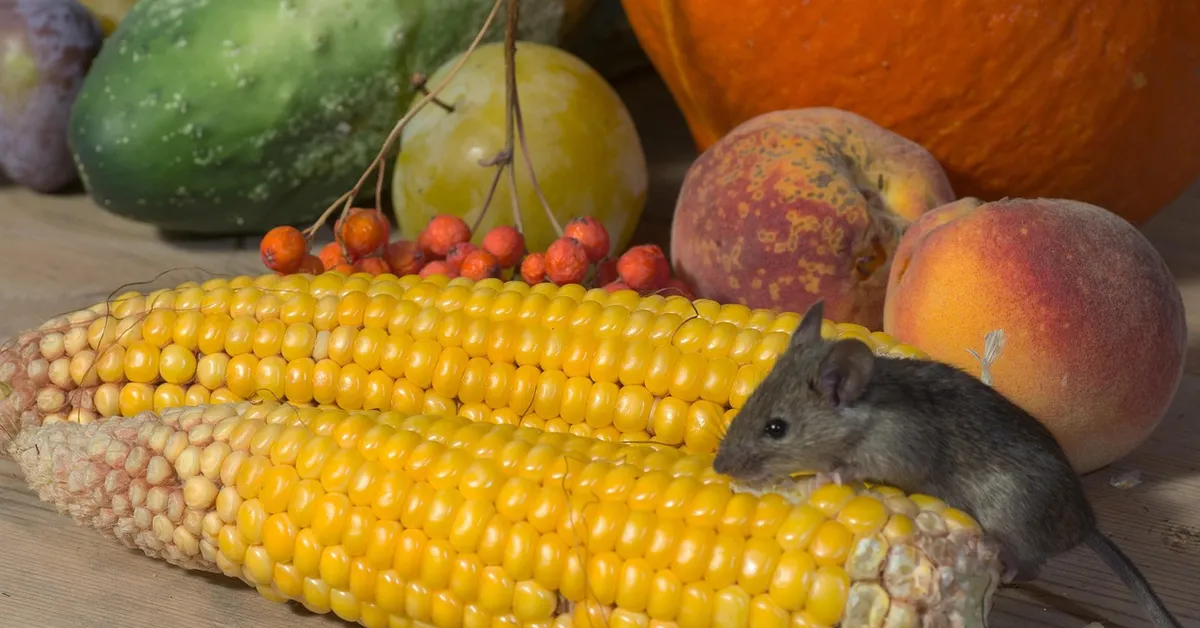
Sharing a home, even indirectly, with wild rodents introduces significant health hazards to your cherished pets. Wild mice can carry pathogens that are devastating for other small animals, often without showing any symptoms themselves. Their constant need to gnaw leads them to chew on enclosure bars and food containers, creating entry points for contamination.
I am meticulous about quarantine and hygiene because I’ve seen how quickly an illness can spread. The stress of a wild mouse invasion alone can weaken your pet’s immune system, making them far more susceptible to illness. A single curious wild visitor can compromise the health of an entire habitat. That’s why a clear, step-by-step quarantine protocol for new mice is essential. Isolate and monitor newcomers carefully to protect your established colony.
- Hantavirus and Salmonella: These bacteria and viruses are shed in wild mouse droppings and urine, contaminating everything they touch.
- Parasites: Wild mice often carry mites, fleas, and ticks that can jump to your pets, causing skin irritation and transmitting other diseases.
- Leptospirosis: This bacterial infection spreads through contaminated water or soil and can cause severe liver and kidney damage in rabbits and guinea pigs.
- Direct Aggression: While less common, a cornered or desperate wild mouse may bite a caged pet, leading to painful wounds and a high risk of infection.
Rodent-Proofing Your Rabbit or Guinea Pig Enclosure
Indoor Enclosure Protection
Creating a fortress for your indoor pets is your first and best line of defense. Choose enclosures with bar spacing too narrow for a mouse to squeeze through—typically half an inch or less is a safe bet. I learned this the hard way with a previous cage that had wider gaps, which invited unwanted nighttime visitors. That’s why the ultimate guide to mouse cages emphasizes proper bar spacing, sturdy materials, and secure latches. Use it to pick the right setup for your pet’s safety and your peace of mind.
- Upgrade Food Storage: Never leave food bags open or in cardboard. Transfer all pellets, hay, and treats into sealed, hard-sided plastic or metal containers.
- Establish a Cleaning Ritual: Sweep or vacuum around the enclosure daily to remove stray food crumbs and bedding. A clean floor is an uninteresting floor to a foraging mouse.
- Secure Entry Points: Inspect the room for any holes or cracks in baseboards or walls, especially behind furniture, and seal them with steel wool or caulk.
- Elevate Water Sources: Use water bottles instead of bowls, and ensure the drip spout is positioned so it doesn’t create a puddle on the enclosure floor.
Outdoor Hutch and Garden Setup
Outdoor living presents a whole different set of challenges, requiring a more robust strategy. Elevating your hutch off the ground on sturdy legs is a non-negotiable first step that creates a critical barrier. I always add a smooth metal barrier around the legs of my outdoor setups to prevent climbers.
- Fortify the Foundation: Use 1/4-inch hardware cloth (a stiff wire mesh) to cover any ventilation gaps, windows, or weak spots in the hutch construction. Staple it securely from the outside.
- Manage the Surroundings: Keep grass and weeds trimmed short around the hutch. Remove piles of wood, leaf litter, or debris where wild mice might nest and feel safe.
- Implement a Secure Food Protocol: Bring all food inside overnight. Never leave a full food dish in the hutch after your pet’s evening meal.
- Create a Perimeter: Consider laying a path of gravel around the hutch base. Mice dislike crossing open, loose terrain where they feel exposed to predators.
Sanitation and Hygiene Practices to Deter Wild Mice
Living with my own mischievous trio—Kenny, Gregory, and Jeffery—has taught me that a clean habitat is a peaceful one. The single most effective way to keep uninvited wild mice away from your other pets’ areas is through impeccable sanitation. These curious creatures are primarily drawn by the promise of an easy meal and a cozy, undisturbed nesting spot. To protect your other pets, store their food in sealed containers, clean up spills and bedding regularly, and remove clutter that could serve as nesting sites. By cutting off easy food and shelter, you make pet areas far less attractive to wild mice.
Proper Feed Storage Techniques
Think of your bags of rabbit pellets, timothy hay, and guinea pig food as a grand buffet sign for local rodents. I learned this the hard way when a poorly stored bag showed signs of a midnight visitor.
- Transfer all loose food, including hay, into airtight, heavy-duty containers made of metal or thick, durable plastic. Chewing through a flimsy bag is no challenge for a determined mouse.
- Glass jars with sealing lids are fantastic for smaller treats and seed mixes, offering a clear view of your supplies while being completely impenetrable.
- Wipe down the outside of your storage containers regularly. Spilled dust and food residue leave a scent trail that acts like a welcome mat.
- Never leave food bowls out overnight. Offer your larger pets their meals during active waking hours and remove any uneaten portions before you go to bed.
By eliminating their primary food source, you remove the biggest incentive for wild mice to move in. It is a simple step that makes a profound difference. Properly storing food to prevent mice is an essential practice in this regard.
Managing Waste and Compost
Waste management extends far beyond the food bag. The bedding and droppings from your rabbit or guinea pig cage are also powerful attractants.
- Dispose of soiled bedding frequently in a sealed trash can that is stored outside of your home or in a secure garage.
- If you compost vegetable scraps from your pets’ diets, use a fully enclosed compost bin situated well away from your home’s foundation. An open pile is a five-star rodent resort.
- Sweep or vacuum the area around your pets’ enclosures daily. Stray bits of hay, pellets, or dropped vegetables are like finding treasure for a foraging mouse.
- Immediately clean up any water spills. A reliable water source is just as enticing as food for wild animals seeking to establish a new home.
A consistent and thorough cleaning routine breaks the cycle of attraction, making your home far less interesting to wandering wildlife. It protects your small pets from stress and potential disease.
What to Do When Wild Mice Appear Despite Precautions
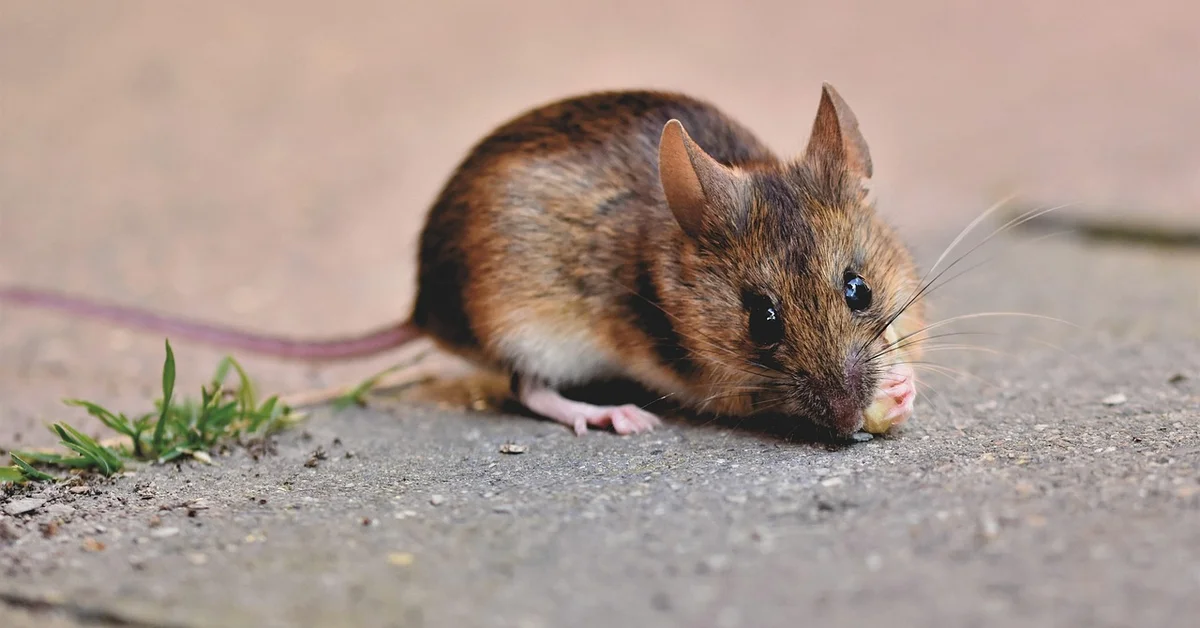
Sometimes, even with the most diligent care, a wild mouse might find its way inside. Do not panic. This is not a failure on your part, but simply a situation that needs a calm and safe resolution.
Safe Pest Management Around Pet Mice
The presence of your own pet mice makes traditional pest control a dangerous minefield. Poisons, sticky traps, and snap traps pose a severe, often fatal, risk to your beloved companions. When you call pest control about mice, tell them right away that you have pet mice so they can recommend pet-safe methods. Expect the technician to explain non-toxic alternatives such as exclusion, live trapping, and targeted treatments, and to outline safety steps to keep your pets protected.
- Humane live-catch traps are your best and safest tool. Bait them with a small dab of peanut butter and place them in areas where you have seen activity, but well away from your pet mice’s enclosure.
- Focus on exclusion. Once you have safely removed the intruder, go on a detective mission to find and seal the entry point they used. Look for gaps around pipes, vents, and under doors.
- Consult a professional pest control service that has experience with integrated pest management (IPM). Be upfront that you have small, sensitive pets in the home so they can use pet-safe strategies.
- Intensify your cleaning protocol for a few weeks. The goal is to eliminate any lingering pheromone trails that might signal to other mice that your home is a viable habitat.
The guiding principle is to block and deter, never to poison or harm in a way that could also impact your own animals. Your pet mice’s health and safety must remain the absolute priority throughout the entire process of pest control for mice.
Frequently Asked Questions
Do rabbits attract mice?
Rabbits themselves do not inherently attract mice through their presence or scent. Instead, it is the resources associated with their care-such as spilled food, accessible hay, and soiled bedding-that create an inviting environment for wild mice seeking easy meals and nesting materials. By maintaining a clean habitat and securing all attractants, you can significantly reduce the risk of drawing mice to your rabbit’s area.
Do indoor rabbits attract mice?
Indoor rabbits can attract mice if their enclosure or surrounding space has unsecured food, water spills, or messy bedding that provides sustenance and shelter. Even in a home setting, these elements can lure mice inside, especially through small entry points. Consistent sanitation, proper storage of supplies, and sealing gaps in the room are effective ways to prevent infestations and keep all pets safe.
Does rabbit food attract mice?
Yes, rabbit food is a major attractant for mice due to its strong odor and high nutritional value, making pellets, hay, and vegetable scraps irresistible to foraging rodents. To avoid inviting mice, always store rabbit food in airtight, chew-proof containers and clean up any spills immediately after feeding. This simple practice helps eliminate the primary food source that encourages wild mice to investigate your pet’s space.
Your Path Forward
Ultimately, your rabbits, bunnies, or guinea pigs themselves are not a mouse magnet; it is the environment you create around them that makes the difference. With mindful habits like secure food storage and regular habitat cleaning, you can enjoy all your small pets without inviting unplanned rodent roommates. Mice prefer cozy, sheltered spots like hay piles, stacked bedding, and cluttered storage boxes. Knowing these common mice homes helps you focus prevention where it matters most.
Focus on providing a clean, well-managed space, and you’ll foster a harmonious home for every animal under your care. Your dedication to proactive care is the single most effective factor in keeping your pet family happy, healthy, and exactly as you intended it to be.
Further Reading & Sources
- r/pestcontrol on Reddit: Do rabbits naturally attract mice?
- I have just gotten 3 outdoor bunnies. I have heard that they can attract mice…What can I do to avoid this?
- Do rabbits attract mice? A complete guide in 2024
Isabella is a passionate small pet enthusiast with over 8 years of experience in caring for mice. She loves sharing practical tips and heartfelt stories to help fellow mouse owners provide the best care for their tiny companions.
Mouse-Proofing & Prevention