
Does Rat Poison Kill Mice? Your Questions Answered
Have you noticed signs of mice in your home and wondered if that leftover rat poison could offer a quick fix? It’s a common concern, especially when you’re eager to protect your space and find a reliable solution.
This guide cuts through the confusion with straightforward facts and actionable advice. We’ll clarify how rat poison affects mice, highlight critical safety risks, and present effective, humane alternatives for managing these small intruders.
How Rodenticides Work and Why They’re Dangerous to Pet Mice
Rodenticides are designed to be irresistibly tasty to rodents, which tragically makes them just as appealing to our beloved pet mice. The very mechanism that makes these poisons effective against pests is what makes them a catastrophic danger to our tiny companions. I’ve had many anxious moments ensuring my boys, especially the curious Kenny, never have access to such hazards.
Anticoagulant Rodenticides: The Most Common Threat
This is the type of poison you’re most likely to find in hardware stores or used by pest control. They work by preventing a mouse’s blood from clotting.
- They contain active ingredients like brodifacoum or bromadiolone.
- These chemicals stop the body from recycling Vitamin K, which is vital for clotting.
- A poisoned mouse will suffer from internal bleeding that can take several days to become fatal.
The insidious part is that a mouse can appear perfectly normal for a day or two before showing any signs of illness. This delayed effect is why many owners don’t realize what’s happened until it’s too late.
Other Rodenticide Types Your Pet Mice Could Encounter
While less common, other poisons pose an equally grave risk. Their effects are often faster and more violent.
- Bromethalin: This is a neurotoxin that causes brain swelling. It leads to paralysis and severe neurological distress.
- Cholecalciferol (Vitamin D3): This causes a dangerous rise in calcium levels in the blood, leading to kidney failure and heart problems.
- Zinc Phosphide: When this poison reacts with stomach acid, it releases a toxic gas inside the mouse’s own body.
Each of these poisons causes a different, but equally devastating, chain of events inside a mouse’s small body. There is no safe type of rodenticide for a pet mouse.
Yes, Rat Poison Kills Pet Mice Just as Effectively
There is a dangerous misconception that “rat” poison is only for rats. The truth is far more frightening for a mouse owner. Commercial rodenticides are formulated to be lethal to all rodents, and a pet mouse is just as vulnerable as any wild mouse or rat. The ingredients do not discriminate. When you call pest control about mice, ask what methods they plan to use — many companies default to baits or rodenticides that can harm pet mice. Be sure to tell them you have a pet so they can offer pet-safe alternatives or containment strategies.
How Much Poison Is Lethal to a Mouse
A pet mouse’s small size is its greatest vulnerability when it comes to poison. Their tiny bodies have a minuscule tolerance for toxic substances.
Recognizing Rodenticide Poisoning Symptoms in Your Pet Mouse
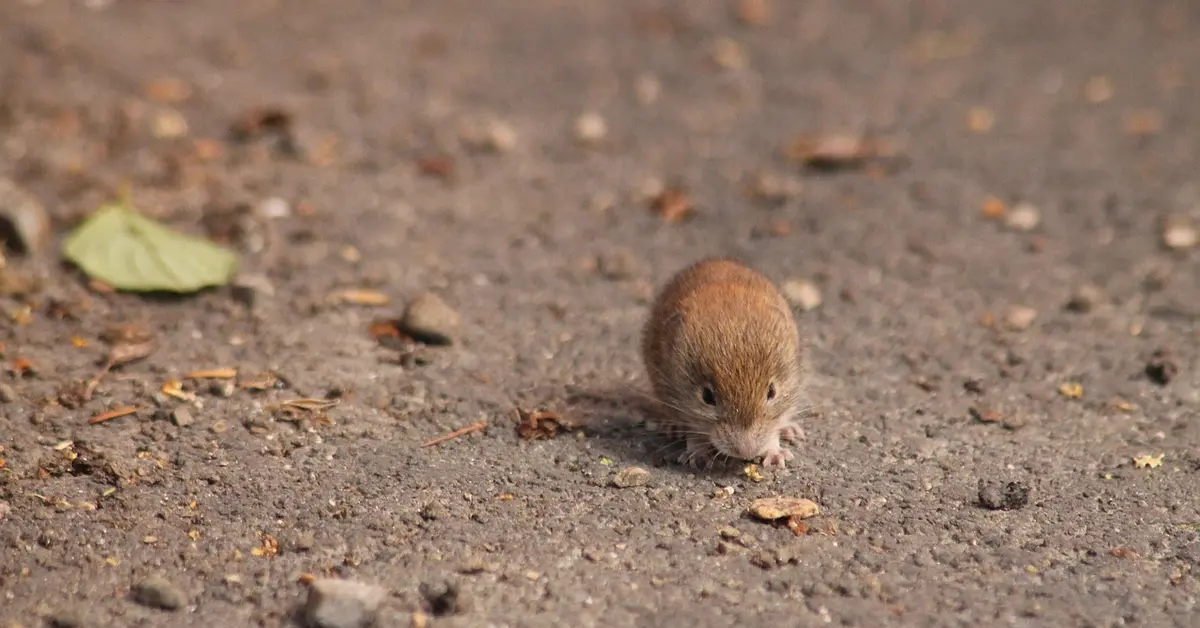
Seeing your tiny friend in distress is a heart-wrenching experience. Mice are prey animals, hardwired to hide weakness, so by the time symptoms are obvious, the situation is often critical. You must become a keen observer of minute behavioral shifts, as these are your first and most vital clues.
Emergency Treatment Steps if Your Mouse Ingests Poison
If you suspect your mouse has eaten poison, your immediate actions are paramount. Panic helps no one, but swift, decisive movement can save a life.
- Contact Your Veterinarian Immediately: This is your absolute first step. Call ahead if you can, but do not delay traveling to the clinic. Time is the most critical factor.
- Identify the Poison: If it is safe to do so, bring the packaging of the rodenticide with you. The specific active ingredient dictates the antidote and treatment plan.
- Do Not Induce Vomiting: Unlike with dogs or cats, you should never attempt to make a mouse vomit. Their small size and physiology make this extremely dangerous and likely to cause more harm.
- Keep Them Warm and Quiet: Wrap your mouse in a soft, clean cloth and place them in a small, secure carrier. Stress and shock can worsen their condition, so a calm, dark environment is supportive care.
From my own scares, I know the frantic feeling. Having an emergency exotics vet’s number saved on my phone and a small travel carrier always at the ready provided a crucial sense of preparedness during a terrifying moment with my curious Kenny.
Hidden Dangers: Where Your Pet Mouse Might Encounter Rodenticides
We create safe havens for our pets inside our homes, but the world outside their cage can harbor invisible threats. Poison is often placed in the very spaces we think are secure.
- Shared Walls and Under-Sink Cabinets: In apartments or townhouses, a neighbor’s pest control efforts can directly impact your home. Poisons placed in shared wall voids or crawl spaces can allow a wandering mouse to find them.
- Garages and Sheds: These areas are common hotspots for rodent bait. A single escape during playtime, or even poison dust tracked in on shoes, can lead to exposure.
- Secondhand Furniture and Cardboard Boxes: A previously infested piece of furniture or a storage box from a garage might have residual poison granules or contaminated surfaces.
Always assume that any area beyond your direct, constant control could be a potential source of danger to your tiny companion. A quick sniff or lick is all it takes.
Understanding Bait Stations and Why They’re Not Foolproof
Bait stations are those plastic boxes designed to contain poison, marketed as a “tamper-resistant” solution. For a determined and flexible mouse, they are often anything but. Still, when used correctly, mouse bait stations do work: they let mice access bait while keeping it away from children and pets. Proper placement along runways and regular monitoring greatly improve their effectiveness.
- Small Entry Points are an Invitation: The very holes designed for pests to enter are a perfect size for a pet mouse. Their natural curiosity drives them to explore dark, enclosed spaces.
- They Can Be Moved or Gnawed: A determined rodent can sometimes shift a lightweight station, potentially creating a larger gap. I have even seen instances where mice have chewed directly through the plastic of cheaper models.
- Poison Can Be Scattered: As a mouse feeds on the bait block, it can carry small, crumbly pieces out with it, spreading the toxic material to other surfaces.
Never rely on a bait station’s design to keep your pet safe; view them instead as a concentrated point of extreme hazard. The only foolproof prevention is ensuring these products are never used in or around your home.
Protecting Your Pet Mice from Rodenticide Exposure
Creating a Poison-Free Zone for Your Mice
Your mouse’s primary defense against rodenticides is the environment you create for them. A secure habitat is the single most effective barrier between your curious companions and toxic substances. I always treat the room housing my mice’s enclosure as a sanctuary, where no pest control products of any kind are ever used or stored. Maintaining your yard and garden goes hand-in-hand with indoor safety: trimming vegetation, removing debris and fallen fruit, and securing compost reduces rodent activity near the house. These outdoor steps lower the chances of pests ever reaching your mice’s sanctuary.
Mice are masters of escape and exploration, making physical security non-negotiable. A flimsy cage latch or a small gap is an open invitation for disaster.
- Invest in a tank with a tightly secured, ventilated lid or a cage with bar spacing no wider than 1/4 inch.
- Conduct regular inspections of the enclosure for any signs of wear, loose parts, or potential escape routes.
- Never place the cage near exterior walls, garages, or basements where pest control might be more prevalent.
- Store all mouse food in sealed, chew-proof containers to prevent contamination from wild rodents.
- Be vigilant about cleaning up any spilled food or bedding around the cage immediately.
Beyond the cage itself, consider the entire room. Rodenticide powders can be tracked in on shoes, and airborne particles from bait stations can settle on surfaces. I make it a rule to remove my shoes at the door and use a dedicated, washable mat under the mouse cage area. Good ventilation is also key, but ensure window screens are intact to prevent wild mice from entering.
Safe Alternatives to Rodenticides for Wild Mouse Control
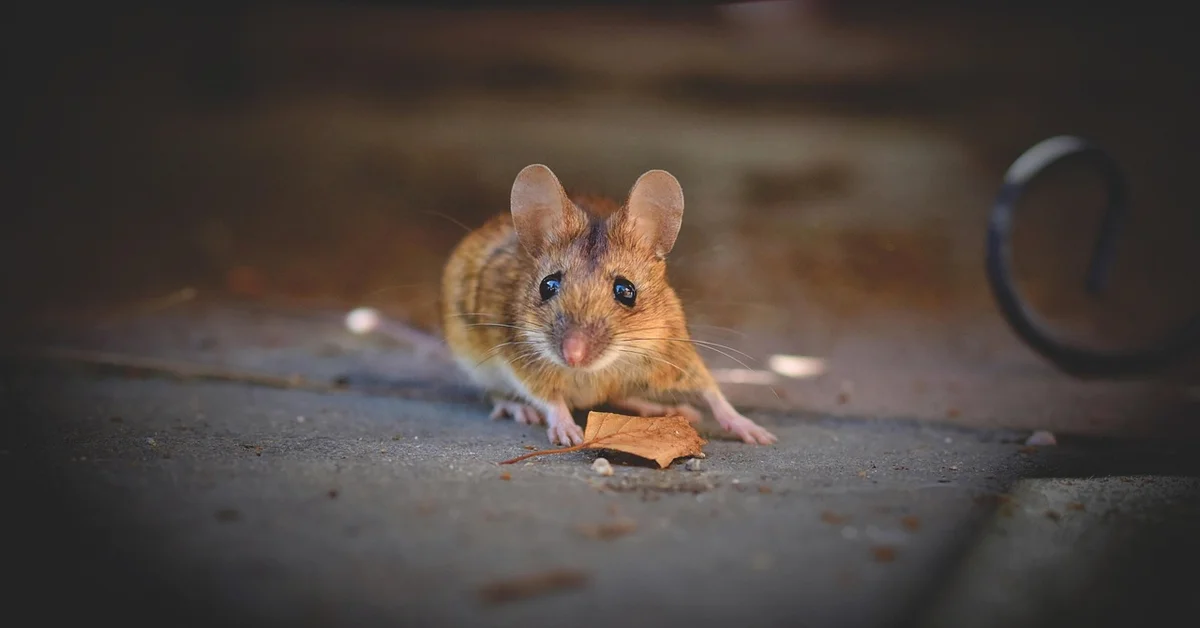
Dealing with wild mice near your home requires a strategy that doesn’t put your pets at risk. The goal is deterrence and humane removal, not eradication with poisons that have devastating collateral damage. When it comes to pest control for mice, prioritize exclusion, sanitation, and pet-safe methods. Seal entry points, remove food sources, and use live traps or a professional service that avoids toxic baits.
- Live Traps: These allow for the capture and release of wild mice far from your home. Check them frequently and always wear gloves when handling.
- Ultrasonic Repellents: These devices emit high-frequency sounds that are unpleasant to rodents but inaudible to humans and most pets. Their effectiveness can vary.
- Natural Deterrents: Peppermint oil-soaked cotton balls placed in areas of activity can discourage wild mice, as they dislike the strong scent. Refresh them regularly.
- Exclusion: This is the most permanent solution. Use steel wool and caulk to seal every crack, hole, and gap around your home’s foundation, pipes, and windows.
Focus on making your property less attractive by eliminating food sources like unsecured trash, fallen birdseed, and pet food left outdoors. A clean, sealed environment is the best long-term deterrent.
What About Other Pets and Wildlife?
The danger of rodenticides extends in a heartbreakingly wide circle. A poisoned mouse becomes easy prey, transferring the toxin up the food chain. That’s why choosing good bait mice — ones that haven’t been exposed to rodenticides — matters, whether for feeding animals or for trapping. Sourcing or using uncontaminated bait helps prevent accidental poisoning of predators, pets, and scavengers.
An owl, hawk, or neighborhood cat that consumes a poisoned mouse will often suffer the same fatal internal bleeding. I’ve seen the consequences of this firsthand, and it’s a preventable tragedy. These poisons do not discriminate between a “pest” and a protected or beloved animal.
If you have other household pets like dogs or cats, the risk is direct. Curious pets can find and ingest bait blocks or pellets directly, or they can be poisoned by eating a compromised rodent. The symptoms of poisoning-lethargy, difficulty breathing, pale gums, and bruising-are a veterinary emergency. Choosing humane alternatives protects the entire local ecosystem, from your own pets to the wildlife that shares your environment.
Frequently Asked Questions
What is the best rat and mouse killer?
The safest and most effective approach for households with pet mice is to avoid poisons altogether and use humane, non-toxic methods. Live traps, ultrasonic repellents, and natural deterrents like peppermint oil can help manage wild rodents without endangering your pets. If you call a pest-control professional for mice, expect them to prioritize exclusion, trapping, and other pet-safe methods rather than poisons. A good technician will explain their protocols and recommend follow-up steps to keep both wild rodents and your pet mice safe.
For long-term control, focus on exclusion techniques such as sealing cracks and removing food sources, as these prevent infestations while keeping your pet mice safe from accidental exposure to harmful substances. Store food—both human and pet—in airtight, rodent-proof containers and keep storage areas clean and elevated off the floor. Wipe up crumbs and secure garbage to further reduce attractants.
Is there rat and mouse poison that has no smell?
Yes, some rodenticides are designed to be odorless to increase their appeal to rodents, but this does not make them any less dangerous. These poisons remain highly toxic and can still be ingested by pet mice, leading to fatal consequences.
Even without a detectable smell, these products pose a significant risk, as curious pets might consume them directly or encounter contaminated areas. Always prioritize poison-free alternatives to ensure a safe environment for your mice.
Is rat and mouse poison dangerous to dogs?
Yes, rodenticides are extremely dangerous to dogs, who can be poisoned by eating bait directly or consuming a rodent that has ingested the toxin. This can cause severe internal bleeding, neurological issues, or organ failure, depending on the poison type.
If you suspect your dog has been exposed, seek veterinary care immediately, as symptoms like lethargy or bruising require urgent treatment. Using safe pest control methods protects all your pets from these risks.
Your Path Forward
Ultimately, the question isn’t just whether rat poison kills mice, but how to actively shield your tiny companions from these hidden household threats. The answer is a definitive yes-these poisons are designed to be lethal to rodents, and your pet mice are tragically vulnerable. My own experience has taught me that vigilance is the price of their safety. It’s crucial to know not only about poisons but also toxic foods for mice to avoid feeding them.
Your best defense is a proactive offense: commit to using only pet-safe traps and focusing your efforts on mouse-proofing your home’s entry points. This approach protects not just your curious Kenny or thoughtful Jeffery, but also gives you peace of mind, transforming worry into a manageable and rewarding part of pet ownership.
Further Reading & Sources
- Rodenticide – Wikipedia
- Can rat poison (rodenticides) hurt kids and pets?
- Using rat poison to control rodent infestations can have devastating effects on other wildlife | Forest Preserve District of Will County
Isabella is a passionate small pet enthusiast with over 8 years of experience in caring for mice. She loves sharing practical tips and heartfelt stories to help fellow mouse owners provide the best care for their tiny companions.
Pest Control Product Reviews