
Trap Nuances: Will Rat Traps Kill Mice? Do Snap Traps Kill Instantly?
Have you ever set a trap only to worry it might not be the right choice for a mouse, or if it will cause unnecessary suffering? I’ve been there too, and in this guide, I’ll provide straightforward answers and practical advice based on my years of experience with mouse care.
We’ll dive into whether rat traps can effectively eliminate mice, how quickly snap traps work and if they offer an instant solution, and other key factors like trap size and placement that impact success.
Will Rat Traps Kill Mice?
Why Rat Trap Size Matters for Small Mice
Imagine trying to use a bear trap to catch a squirrel; the scale is simply wrong for the job. Rat traps are designed for animals that can be four to ten times heavier than a typical house mouse, creating a fundamental mismatch in both force and trigger sensitivity. The powerful spring in a standard rat trap requires a specific amount of weight and pressure to activate, something a delicate mouse might not provide.
A mouse’s light body might just nudge the trigger pan without setting it off, allowing them to steal bait repeatedly. This isn’t just inefficient—it teaches mice that these dangerous contraptions are a reliable food source. Even if the trap does fire, the oversized metal bar can deliver a glancing blow rather than a clean, lethal strike. This mismatch often results in severe, non-fatal injuries like broken limbs or crushed spines, leaving a mouse to suffer painfully. Using a rat trap for a mouse is an imprecise and often inhumane approach. Repeated failed or painful encounters teach mice to associate baited devices with danger, so survivors quickly learn to avoid them. That learned caution can spread through the local population, making trapping less effective over time.
Outcomes When Mice Encounter Rat Traps
When a mouse interacts with a rat trap, the results are unpredictable and frequently grim. The potential scenarios are far from the clean, quick solution many hope for. For reliable methods, here’s how to catch mice without using traps.
- Bait Theft: The most common outcome. A nimble mouse can often snatch the bait without applying enough pressure to trigger the mechanism, becoming a repeat offender.
- Non-Lethal Injury: The trap may fire but only catch a leg, tail, or snout. This leads to a prolonged, agonizing death from shock, blood loss, or infection.
- A Partial or “Soft” Kill: The bar might strike the mouse’s body but not with enough centralized force for immediate death, resulting in internal injuries and slow suffocation.
- Full Lethality: While possible, a clean, instant kill is the least likely outcome due to the size discrepancy. It often requires a perfect, center-back strike.
From my own experience, finding a trap that has been sprung with only a smear of blood and a dragged trail is a heartbreaking sight. This is why I always recommend species-specific traps; the goal is to resolve the issue, not to create more suffering.
Do Snap Traps Kill Instantly?
How Snap Trap Mechanics Actually Work
The classic wooden snap trap relies on a simple sequence: a spring-loaded metal bar is held in a cocked position by a sensitive trigger. When an animal disturbs the bait holder, it releases the bar, which swings down with tremendous speed. The ideal scenario is a direct, high-impact strike to the skull or neck, which can cause immediate loss of consciousness and brain death.
However, this “instant” result is highly dependent on perfect execution. The mouse must approach the bait from the correct angle, applying direct pressure to the trigger. If the mouse is cautious and nibbles from the side, the bar may strike its back or hindquarters, leading to a crippling injury instead of a swift end. The mechanics are brutally simple, but their outcome is anything but guaranteed.
Real Kill Efficiency Rates and Variables
While often touted as a quick solution, the real-world efficiency of snap traps is influenced by several key factors. Instantaneous death is not the standard; it’s the best-case scenario.
- Trap Placement: Placing a trap perpendicular to a wall, with the trigger facing the wall, increases the chance of a head-on approach and a clean kill.
- Bait Type and Application: Using a very small amount of a sticky bait like peanut butter forces the mouse to work at the trigger, rather than grabbing and running. A single sunflower seed can be surprisingly effective.
- Trap Condition: Old, rusty, or dirty traps may have weakened springs or sticky mechanisms that fire sluggishly, reducing impact force.
- Mouse Behavior: A young, bold, and impulsive mouse (like my Kenny) is more likely to trigger a trap decisively. An older, cautious mouse (like Gregory) might be more suspicious and trigger it imperfectly.
Studies and extensive practical experience suggest that even well-set traps have a significant rate of non-lethal or incomplete strikes. You must be prepared for the possibility of finding a live, injured animal, which requires a plan for humane dispatch. This is a heavy responsibility that comes with choosing this method of control.
Rat Traps vs. Mouse Traps: Critical Differences
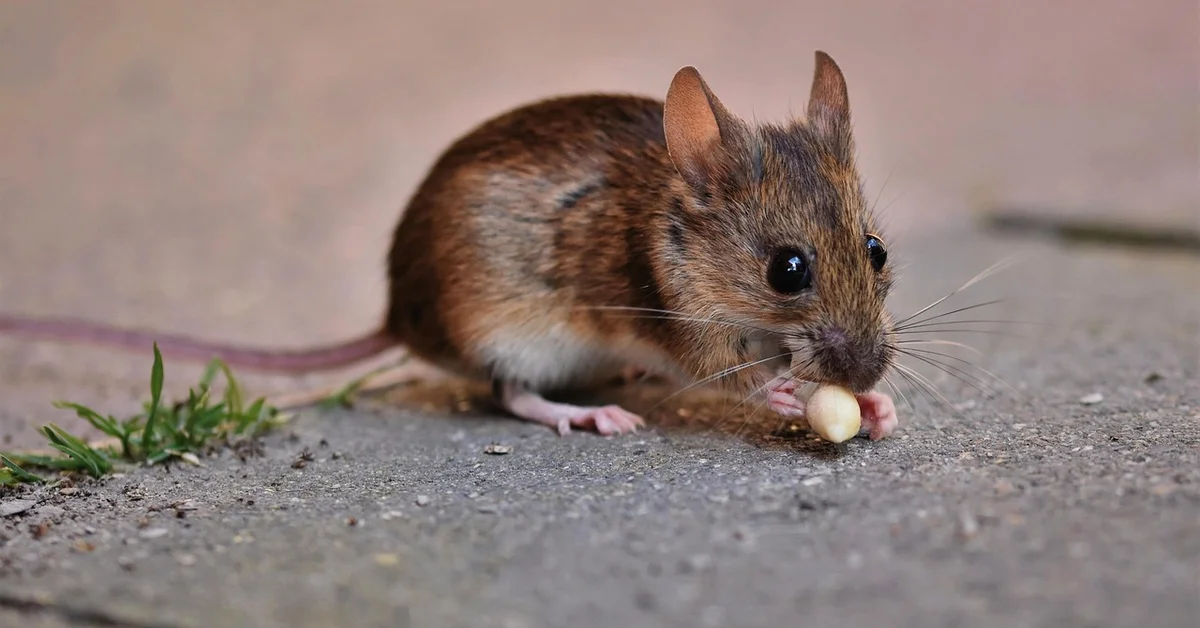
The most significant difference lies in the scale of force. Rat traps are engineered with a much heavier spring and a larger trigger plate to accommodate a heavier, stronger animal, resulting in a strike powerful enough to break a rat’s spine or skull. A mouse, being far lighter and more delicate, would experience a traumatic and messy outcome.
Beyond sheer power, the physical dimensions create a major problem.
- Trigger Sensitivity: A mouse is often too light to cleanly trigger a rat trap’s mechanism. They might nibble bait without setting it off, or worse, trigger a partial, non-lethal strike.
- Size Mismatch: The large trigger plate and gap in a standard rat trap allow a mouse to walk over or around the strike zone entirely, accessing the bait from a safe angle.
- Bait Theft: A clever mouse can easily steal the bait without ever placing its body in the danger zone, leaving you with a sprung, empty trap.
Using Rat Traps for Mice: What You Need to Know
I strongly advise against using rat traps for a mouse problem. Employing a rat trap for a mouse is not just overkill; it’s an imprecise and often inhumane tool that increases the risk of prolonged suffering. The sheer force is designed for a much larger animal and rarely results in the quick, clean death you would hope for with a smaller creature. Instead, consider humane no-kill mouse traps that capture rodents without injury. Below is a review of humane no-kill mouse traps to help you choose the safest option.
The risk extends beyond the target mouse. The powerful snap can be a danger to curious pets or even small children’s fingers. This mismatch in scale means you are introducing a significant hazard into your home for very little potential gain in effectively managing the mouse. From my own experience, I’ve found that using the correctly sized trap is the first step toward a swift and ethical resolution.
Humane Alternatives to Lethal Snap Traps
If the idea of a snap trap is unsettling, you have effective and compassionate options. Choosing a non-lethal path requires more patience and diligence, but it allows you to resolve the situation without causing harm. This approach aligns well with the empathetic nature of someone who cares for small animals.
Live Capture Options and Proper Use
Live traps, also known as catch-and-release traps, are cages with a trigger mechanism that closes a door behind the animal.
- Selecting Bait: Use highly aromatic foods. Peanut butter, chocolate sprinkles, or a bit of oatmeal mixed with vanilla extract are far more effective than a simple piece of cheese.
- Trap Placement: Position the trap flush against a wall where you’ve noticed mouse activity. Mice are neophobic (afraid of new objects), so you may need to leave an unset trap out for a day or two with the door wedged open so they become accustomed to it.
- Frequent Checking: You must check live traps at least every six to eight hours. A trapped mouse is vulnerable to stress, dehydration, and temperature extremes.
- Responsible Release: When releasing, take the mouse at least a mile from your home to a suitable habitat with cover, like a wooded area or a field. Releasing it in your backyard will almost certainly result in its quick return.
When to Consider Electronic Traps
For those seeking a lethal method that is consistently swift and clinical, electronic traps are a modern solution. These devices deliver a high-voltage shock that is designed to be instantly fatal, which many consider more humane than the variable results of a mechanical snap trap.
They work by luring the mouse into an enclosed chamber to contact two metal plates. The circuit is completed, and the shock is administered. The key advantage is the enclosed design, which contains the result, making it safer to have around pets and children and more pleasant for you to deal with afterward. My mouse, Jeffery, is so skittish he wouldn’t go near one, but for bolder mice like Kenny, the dark, enclosed space can be curiously inviting.
Helping an Injured or Dying Mouse in a Trap
Immediate Assessment and Action Steps
Finding a mouse in a trap is a distressing situation that calls for swift, calm action. Your first priority is to ensure your own safety by wearing gloves, then assess the mouse’s condition from a slight distance before intervening.
If the mouse is alive but injured, your goal is to stabilize it and minimize suffering. Gently place a small, ventilated box lined with a soft, non-fraying cloth over the mouse and the trap to create a dark, contained space. This reduces stress and prevents the panicked animal from fleeing and worsening its injuries. When choosing a trap, opt for designs that minimize injury and allow safe, easy containment — our best humane no-kill mouse traps 2025 review highlights models with those features. Read on to see which traps scored highest for safety, ease of release, and reliability.
- Do not attempt to pry the mouse from a snap trap if it is still caught. The mechanism can cause further damage if manipulated.
- Move the entire trap, with the mouse, into the prepared box. Keep the environment warm, quiet, and dark.
- Contact a wildlife rehabilitator or an emergency exotic veterinarian immediately. They have the expertise to handle wildlife humanely.
- Do not attempt to offer food or water. An injured, stressed animal can easily aspirate, causing pneumonia.
For a mouse that is clearly dying and beyond help, the kindest act is often to ensure its passing is as peaceful and quick as possible. This is a difficult reality I’ve faced. Leaving a suffering animal is not an option. A veterinarian can provide a humane euthanasia. If that is not immediately possible, keeping the mouse in a warm, dark, and utterly quiet box until it passes naturally prevents additional terror in its final moments. Methods such as freezing or drowning are cruel and must never be used. A veterinarian or local animal control can advise and arrange a humane euthanasia if needed.
Preventing Future Trap Accidents
The best way to help a mouse is to prevent it from ever encountering a trap. For pet owners like us, this means creating secure, escape-proof habitats and being vigilant about our home’s mouse-proofing. In this ultimate guide to mouse cages, we’ll walk through how to choose, set up, and maintain the ideal enclosure to keep your pet safe and comfortable. You’ll find tips on cage types, bedding, enrichment, and cleaning so your mouse can thrive.
Pet mouse enclosures must be fortress-like, with bar spacing no wider than 1/4 inch. Wire cages offer good ventilation and climbing opportunities, but their pros and cons depend heavily on tight bar spacing to prevent escapes or paw injuries. Consider these trade-offs when choosing an enclosure. My curious mouse, Kenny, once tested the limits of a cage I thought was secure, a mistake I won’t make again. Regularly inspect tanks and cages for any tiny gaps or weaknesses in the lids and seams.
- Never allow pet mice to free-roam in a room unsupervised. Use a secure, enclosed playpen during out-of-cage time.
- Store all pet food, including bags of bedding and seed mixes, in thick plastic or metal containers with tight-fitting lids.
- If you suspect wild mice in your home, prioritize live-catch traps over lethal ones. Check these traps frequently-at least every 12 hours-to prevent captured mice from dying from stress or exposure.
Animal Welfare Considerations for Mouse Control
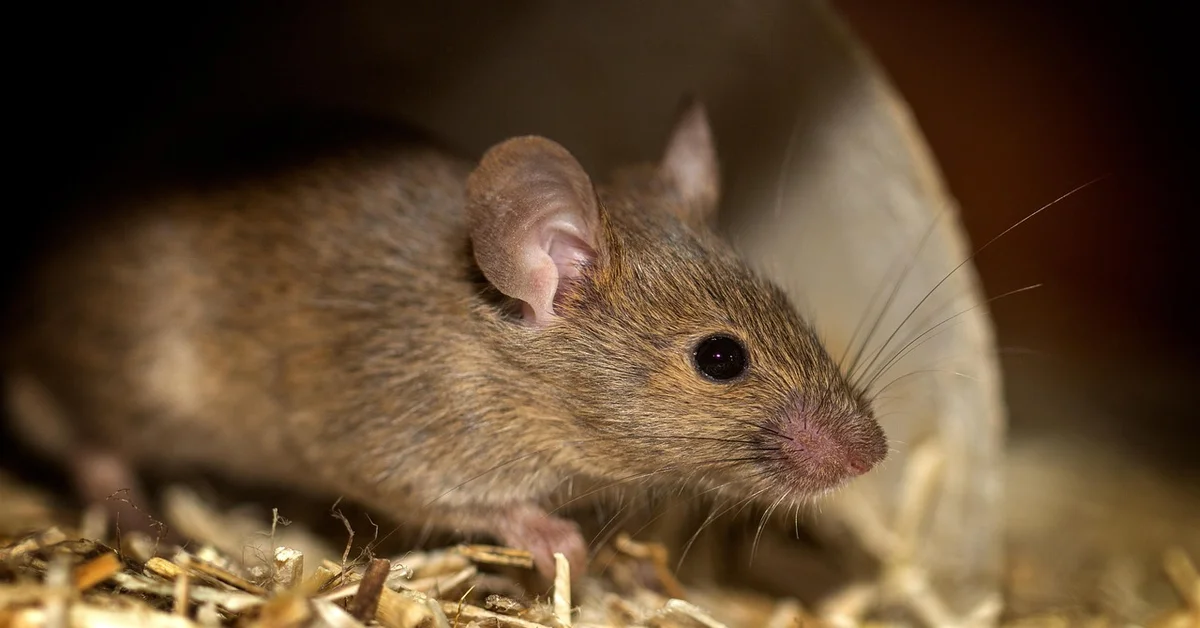
When managing unwanted wild mice, the methods we choose reflect our respect for life. These are intelligent, social creatures simply trying to survive, not malicious invaders. They live in family groups and communicate through scent, touch and high-frequency vocalizations. Recognizing their social nature can help us choose more humane, effective management strategies.
Lethal snap traps, while often quicker than glue traps or poison, do not guarantee an instant or painless death. A misplaced snap can lead to prolonged suffering from crushing injuries. I believe that if control is necessary, the goal should be to choose the method that minimizes fear, pain, and distress as much as humanly possible.
Live traps, when used responsibly, align most closely with a welfare-focused approach. Success with live traps hinges on three critical factors: placement, bait, and timely release. Place them along walls where mice travel, bait with a high-value food like peanut butter or a bit of chocolate, and release the mouse in a suitable habitat far from your home within a few hours of capture.
- Always pair a live trap with a small nest of torn, unscented paper towel for comfort and insulation.
- Never release a mouse in extreme weather; it needs shelter to survive.
- Consider natural deterrents first, like sealing entry points with steel wool and peppermint oil, to solve the problem without trapping.
Frequently Asked Questions
What do you put on rat traps to catch rats?
For rat traps, effective baits include protein-rich and strongly scented foods like peanut butter, bacon, or dried fruit, as rats are attracted to high-calorie options. Securely smearing or tying the bait to the trigger mechanism ensures rats must apply pressure to access it, increasing the chance of a successful trigger and capture.
How long does it take for a rat to die in a trap?
The time varies based on trap type and strike accuracy; a well-placed snap trap can cause near-instant death if it hits the head or neck, but misaligned strikes may lead to fatal injuries that take minutes or hours. Electronic traps often provide a quicker, more consistent outcome by delivering a high-voltage shock designed to be instantly lethal.
What is the best lethal rat trap?
Electronic traps are widely regarded as one of the best lethal options for rats due to their high success rate and humane design, which typically ensures a swift, painless death. Heavy-duty snap traps, when correctly sized and baited, can also be effective, but it’s crucial to prioritize traps that minimize suffering and risk to non-target animals.
Your Path Forward
Ultimately, the safety of the small creatures around your home rests on the precision of your choices. Remember that rat traps are dangerously overpowered for mice, and no snap trap guarantees an instant end, making humane live traps the most conscientious option for resolving unwanted rodent visits. To get rid of mice without using traps, focus first on exclusion and sanitation—seal gaps, secure food, and remove attractants. If needed, use humane repellents or consult a pest professional who employs non‑lethal methods.
You now have the knowledge to approach these situations with greater confidence and compassion. Trust your judgment, prioritize humane methods, and know that your thoughtful actions make a significant difference in the welfare of these small, complex animals.
Further Reading & Sources
- Mousetrap – Wikipedia
- Rat and Mouse Traps vs. Baits. Which Are Better?
- Rats and Mice: How to Manage Using Snap Traps | Pests in the Urban Landscape
Isabella is a passionate small pet enthusiast with over 8 years of experience in caring for mice. She loves sharing practical tips and heartfelt stories to help fellow mouse owners provide the best care for their tiny companions.
Humane Removal & Trapping