
Is Your Mouse’s Seed-Only Diet Causing Hidden Health Problems?
Have you ever worried that the simple seed mix you’re feeding your mouse might not be enough to keep them thriving? I’ve cared for many mice over the years and learned that a seed-only menu can silently harm their well-being, so this guide will clarify the specific dangers and offer you a clear path to a safer, balanced diet.
We will explore the critical nutritional gaps in seed-based meals, identify the common health issues that arise, and provide practical steps to introduce a varied, wholesome feeding routine for your pet.
What Wild Mice Actually Eat (And Why It Matters)
Observing a wild mouse’s foraging habits reveals a menu far more diverse than a bag of sunflower seeds. Their natural diet is a complex mix of grains, insects, fruits, vegetables, and even fungi, providing a full spectrum of nutrients a single food source can’t match. They are opportunistic omnivores, not seed specialists.
This matters profoundly for your pet. Replicating this variety is the key to preventing the specific health crises outlined below. When you offer a varied diet, you are mirroring the natural nutritional balance their bodies are evolutionarily designed to thrive on. A seed-only diet is a drastic oversimplification of their complex needs.
The Hidden Dangers of Fatty Seed Diets
Many commercial seed mixes are loaded with the very items mice find most delicious-and most dangerous in excess. These mixes often encourage ‘selective feeding,’ where your mouse picks out the fatty, tasty seeds and leaves the healthier pellets or grains behind. This turns every meal into a potential health risk. Understanding the differences between seed mixes vs lab blocks helps explain why one may promote obesity and malnutrition while the other supports balanced growth. A deep dive into seed mixes vs lab blocks will make clear which option better meets mice’s dietary needs.
Protein Deficiency and Muscle Loss
Seeds are generally poor sources of the high-quality protein mice need for maintaining muscle mass and supporting overall bodily repair. Without adequate protein from sources like cooked eggs, mealworms, or high-quality lab blocks, an aging mouse can lose muscle tone and become frail. I’ve noticed my older mouse, Gregory, needs that consistent protein to stay active and robust.
- Muscle wasting and general weakness
- A dull, coarse coat
- Slower healing from minor scratches or scuffles
Mineral Imbalance and Bone Problems
Seeds contain phosphorus, which can bind with calcium and prevent its absorption. This calcium-phosphorus imbalance can lead to weak bones, dental problems, and in severe cases, a condition similar to osteoporosis. Their little skeletons depend on a steady supply of usable calcium.
You can see the effects in subtle ways-a reluctance to climb or a slight hunch in their posture. Providing a cuttlebone and calcium-rich veggies like kale is a simple way to fortify their skeletal health.
Vitamin Deficiencies That Shorten Lifespan
Fatty seeds are notoriously low in crucial vitamins like A, D, and E. A lack of Vitamin A can lead to skin issues and a weakened immune system, making them susceptible to every passing bug. Vitamin E deficiency can affect nerve function.
- Vitamin A: Found in orange vegetables like carrot and sweet potato.
- Vitamin D: Synthesized with proper, safe exposure to light.
- Vitamin E: Present in leafy greens and certain grains.
These vitamins are the unsung heroes that support everything from good vision to a long, vibrant life.
Obesity From High-Fat Seeds
This is the most visible danger. Sunflower seeds and peanuts are like junk food for mice. Obesity doesn’t just mean a rounder mouse; it puts immense strain on their tiny heart, liver, and joints. An overweight mouse becomes lethargic, which creates a vicious cycle of weight gain.
My bold mouse, Kenny, would live on sunflower seeds alone if I let him. Limiting these to occasional treats is one of the most direct acts of care you can provide for their long-term health.
Fiber Deficiency and Digestive Issues
A seed-heavy diet is critically low in fiber, which is essential for healthy digestion and gut motility. Without enough fiber, mice can suffer from constipation, bloating, and an overgrowth of harmful gut bacteria. Their digestive systems are delicate and require roughage to function smoothly.
- Offer fresh Timothy hay-they will chew on it and even use it for nesting.
- Include high-fiber vegetables like broccoli and peas.
- High-quality lab blocks are formulated with the right fiber content.
A healthy gut is the foundation of a healthy, happy mouse, influencing everything from their energy levels to their mood.
How Seed-Only Diets Damage Your Mouse’s Body
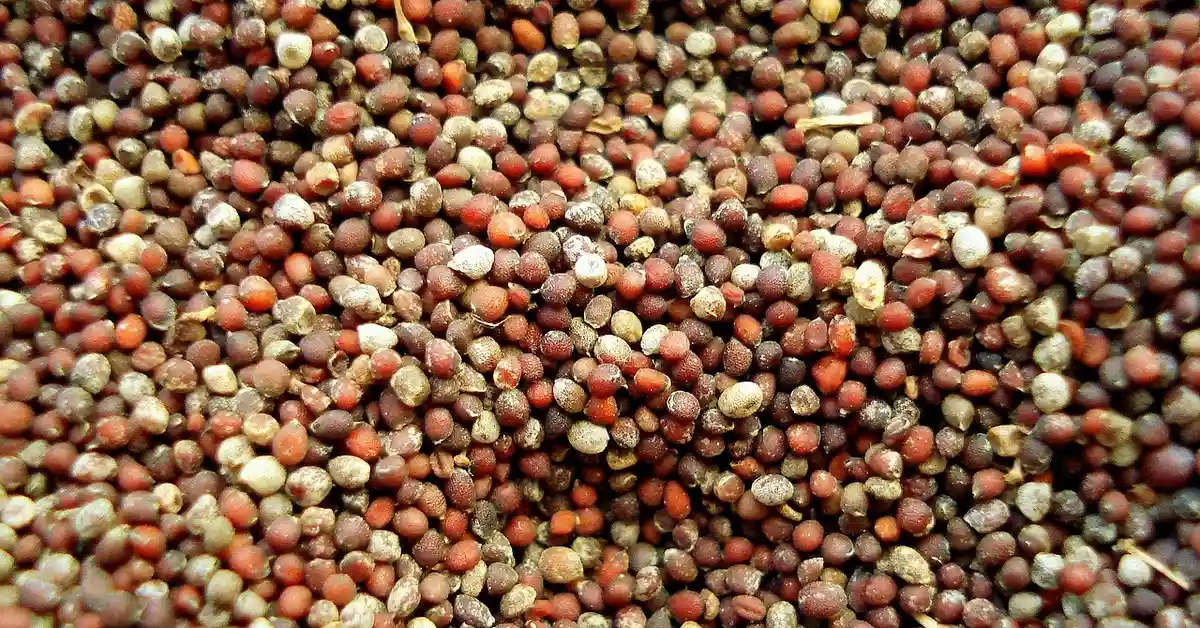
Poor Coat Condition and Skin Problems
When your mouse eats only seeds, their fur can quickly lose its softness and become rough or patchy. Seed diets lack essential fatty acids and proteins that keep coats glossy and skin healthy, leading to dryness and irritation. I’ve noticed in my own mice that those on unbalanced diets often scratch more and have flaky skin, which is a clear sign of nutritional gaps.
Without enough omega-3s and vitamins, their natural oils deplete, making them prone to mites or infections. You might see your mouse’s coat looking dull or thinning out, which is a direct result of missing nutrients in their daily meals. A proper vitamin and omega-3 supplement formulated for pet mice can help restore coat shine and support immune health. Consult your veterinarian to choose a safe, species-appropriate product and dosage.
Urinary Problems and Kidney Stress
Seeds are often high in phosphorus and low in moisture, which can overwhelm your mouse’s urinary system. This imbalance increases the risk of bladder stones and kidney strain, causing discomfort and frequent urination issues. Over time, I’ve observed that mice on seed-heavy diets drink less water and show signs of pain, like hunching or straining.
Kidneys work harder to filter out excess minerals, leading to long-term damage. Providing a balanced diet helps maintain proper hydration and reduces the burden on their delicate organs.
Behavior Changes From Nutritional Stress
Nutritional deficiencies from seeds can make your mouse more irritable or lethargic. Mice experiencing energy crashes from high-fat seeds may become less social or exhibit unusual aggression. For example, my mouse Kenny, who once had a seed-heavy phase, became more impulsive and less engaged in play.
Lack of key nutrients affects brain function, leading to anxiety or reduced curiosity. You might notice your mouse hiding more or showing less interest in exploring, which signals underlying stress from poor nutrition.
Weakened Immune System
A seed-only diet misses vital vitamins like C and E, leaving your mouse’s defenses down. This makes them more susceptible to infections, respiratory issues, and slower recovery from illness. I’ve seen how quickly a mouse’s health can decline without a robust immune support system in place. Over months and years, those nutritional gaps can translate into chronic problems and a shorter lifespan. Ensuring a balanced diet is key to protecting your mouse’s long-term health.
Poor nutrition compromises their ability to fight off common pathogens. Ensuring a varied diet strengthens their immunity and helps them stay active and resilient.
What Your Mouse Actually Needs to Thrive
Commercial Pellet Diet as Foundation
Start with a high-quality commercial pellet as the main part of your mouse’s diet. Pellets are formulated to provide balanced nutrients, including proteins, fibers, and vitamins that seeds lack. I always use these as the base for my mice, like Gregory, who stays healthy and steady on this regimen.
Look for pellets with:
- Controlled fat and protein levels
- Added vitamins and minerals
- No artificial colors or fillers
This foundation prevents selective eating and ensures your mouse gets everything they need in every bite.
Safe Seeds as Treats (Not Meals)
Seeds can be part of your mouse’s diet, but only as occasional rewards. Offer small amounts of safe seeds like sunflower or pumpkin once or twice a week to avoid overloading on fats. I give these to Jeffery as a special snack, which keeps him cheerful without disrupting his health. Wild mice also eat seeds, but they typically mix them with insects, fruits and plant material for protein and variety. Keeping seeds occasional helps mirror that natural balance.
Stick to a treat schedule to prevent weight gain and nutritional imbalances. Using seeds sparingly maintains their appeal while protecting your mouse from the risks of a seed-dominated diet. When making a safe, healthy mouse treat mix, base it on their regular pellets and add only tiny portions of seeds plus small pieces of mouse-safe fruits or vegetables. This keeps treats nutritious and easy to portion.
Fresh Foods for Variety
Incorporate fresh foods to add variety and essential nutrients. Items like carrots, broccoli, or small pieces of apple provide hydration, fiber, and vitamins that pellets alone might not cover. Introduce these slowly to avoid digestive upset.
Safe options include:
- Leafy greens (e.g., spinach or kale)
- Vegetables like cucumber or bell peppers
- Fruits such as berries or melon in moderation
Rotating fresh foods keeps meals interesting and supports overall well-being without relying on seeds.
Switching From Seeds to Balanced Nutrition
Gradual Transition Schedule
Moving your mouse to a healthier diet requires patience; a sudden change can cause digestive upset or a hunger strike. A slow, methodical transition over 7-10 days is the kindest and most effective approach. I’ve found this method prevents stress and gives their sensitive systems time to adapt. Keep an eye on their droppings during the transition—changes in color, size, or consistency show how their digestion is coping. A simple poop changes guide can help you interpret those signs and decide if you need to adjust the diet or consult a vet.
- Days 1-3: Mix 75% of their old seed mix with 25% of the new, high-quality lab block or pellet food.
- Days 4-6: Create a 50/50 blend of the old and new food in their dish.
- Days 7-10: Shift to 25% old seed mix and 75% new block/pellet food.
- Day 11 Onward: Offer the complete, balanced food as their main staple, using seeds only as rare treats.
Handling Selective Feeding Behavior
Mice are masters at picking out their favorite, often unhealthiest, bits and leaving the rest. My Gregory used to be a champion at this, creating little piles of rejected pellets. To combat this, offer the new balanced food first thing in the morning when they are hungriest and most willing to try it. Limit the amount you provide to what they can reasonably finish, reducing the opportunity to be picky. If they consistently ignore the healthy food, try crumbling a tiny piece of an unsalted walnut or a single oat over the top to spark their curiosity and encourage tasting. You can also make simple DIY healthy treats at home—tiny oat-and-apple bites or millet balls—to complement their balanced food and entice picky mice. Homemade recipes let you control ingredients and portion sizes so treats stay nutritious.
Monitoring Weight and Health During Change
Keep a close eye on your little friend’s well-being throughout this process. Weighing your mouse weekly on a small kitchen scale provides the best objective data on their health. Make it part of a simple weekly home health check: record their weight and quickly scan for changes in coat, eyes, breathing, and behavior. Keeping a short checklist helps you spot concerning trends before they become serious. A stable or slightly increasing weight is ideal; a sharp decline means you should slow the transition. Beyond the numbers, watch their energy levels, the quality of their coat (it should be smooth and shiny, not greasy or ruffled), and their overall activity. Healthy, well-fed mice are busy, curious, and bright-eyed.
Warning Signs Your Mouse Needs Better Nutrition Now
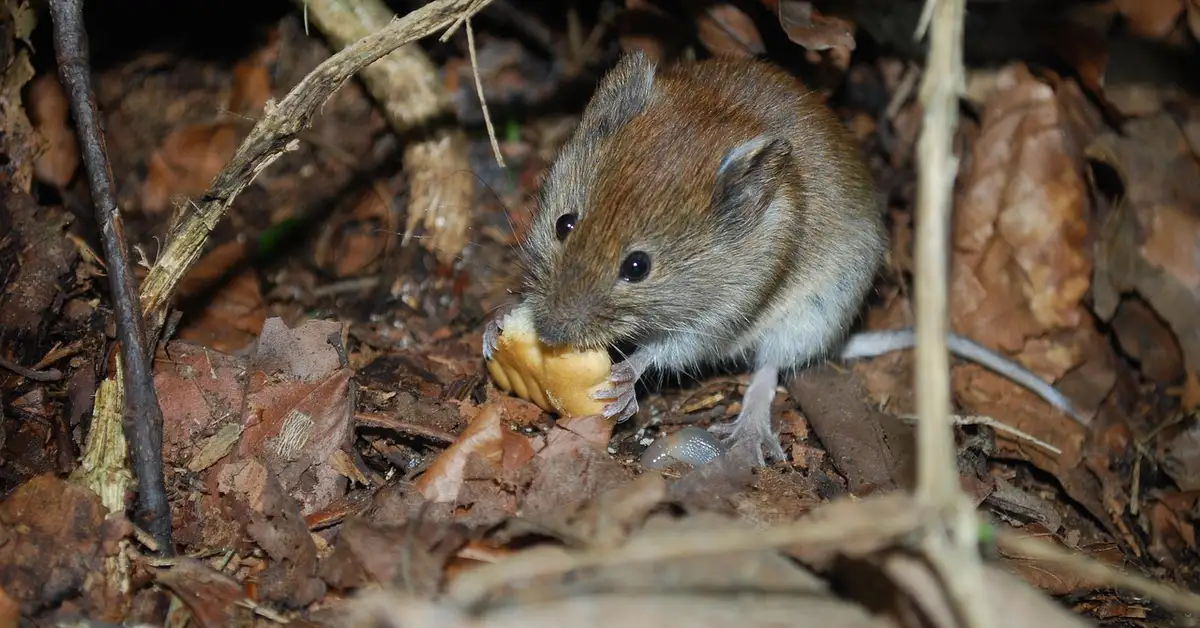
Your mouse’s body will tell you clearly when its diet is failing. One of the earliest red flags I watch for is a dull, unkempt coat, as a glossy fur coat is a direct reflection of internal health. Lethargy is another major sign; a mouse that sleeps constantly and shows little interest in exploring or playing is likely not getting the energy it needs. Look for subtle changes in their physique, like a spine that becomes prominent or a body that feels bony when you gently hold them. Crusty build-up around their eyes or nose can also signal vitamin deficiencies. If you notice any of these symptoms, it’s time to reassess their food immediately. You can monitor all of these warning signs with simple at-home checks—daily observation and a gentle hands-on inspection are usually enough to spot trouble early. Regular home monitoring lets you decide quickly whether diet changes will help or if a vet visit is needed.
Changes in behavior, such as increased irritability or a lack of interest in social grooming, can also point to nutritional stress. My little Jeffery, when he first came to me, was on a poor diet and would often sit hunched in a corner, his cheerful demeanor gone. Once his nutrition was corrected, his playful, optimistic personality returned in full force. Pay attention to these behavioral cues-they are just as important as physical symptoms.
Frequently Asked Questions
Do mice eat seeds?
Yes, mice do eat seeds as part of their natural foraging behavior, often consuming a variety of grains and other plant materials in the wild. However, relying solely on seeds in captivity can lead to nutritional deficiencies and health issues, as seeds lack the balanced protein, vitamins, and minerals needed for optimal health.
What are the dietary requirements for mice?
Mice need a balanced diet that includes high-quality commercial pellets as a foundation, providing essential proteins, fibers, and vitamins. This should be supplemented with fresh fruits and vegetables for variety and hydration, along with occasional protein sources like cooked eggs or insects to support muscle maintenance and overall well-being.
Do mice eat flower seeds?
Yes, mice may eat flower seeds if given the opportunity, as they are omnivorous and will sample various plant-based foods. However, flower seeds should only be offered as rare treats due to their high fat content and potential to contribute to obesity and nutritional imbalances if overconsumed.
Your Path Forward
Moving away from a seed-only diet is one of the most impactful changes you can make for your mouse’s long-term health and happiness. The risks of malnutrition, obesity, and selective feeding are simply too great to ignore when their well-being is in your hands. A mouse food pyramid diet gives a clear, easy-to-follow guide for the right proportions of pellets, fresh vegetables, protein, and occasional treats. Using the pyramid makes it simple to replace seeds with healthier staples and reduce selective feeding.
By offering a balanced base of lab blocks and enriching their world with appropriate fresh foods, you are giving your curious companion the vibrant life they deserve. This simple shift in their bowl translates directly into more energetic play, a shinier coat, and more years of delightful companionship.
Further Reading & Sources
- Nutrient Requirements of the Mouse – Nutrient Requirements of Laboratory Animals – NCBI Bookshelf
- What Kind of Food Should Your Pet Mouse Eat?
- Want to know what to feed mice?
Isabella is a passionate small pet enthusiast with over 8 years of experience in caring for mice. She loves sharing practical tips and heartfelt stories to help fellow mouse owners provide the best care for their tiny companions.
Diet Basics