
Self-Grooming: How Mice Keep Themselves Clean
Have you ever noticed your pet mouse meticulously cleaning its fur and wondered how such a tiny creature stays so spotless without any help? As a longtime mouse owner, I’ve observed this natural behavior up close and can assure you that self-grooming is a vital, instinctive part of their daily routine. This guide will walk you through the fascinating ways mice manage their own hygiene, offering peace of mind and practical knowledge for any caring owner.
We’ll break down the step-by-step grooming process mice use, highlight the tools nature gave them for the job, and share simple ways you can support their cleanliness at home. Understanding this aspect of mouse care helps you appreciate their independence and ensures your little companions thrive in a healthy environment.
Why Mice Groom Themselves: The Purpose Behind the Behavior
Grooming is far more than a simple habit for mice; it is a fundamental aspect of their health and social well-being. This meticulous behavior serves multiple critical functions, from regulating body temperature to distributing natural oils that keep their coat waterproof and insulated. A well-groomed mouse is not just a pretty sight-it’s a healthy, comfortable, and socially integrated one.
Social Grooming vs. Self-Grooming
Observing your mice, you’ll notice two distinct types of cleaning rituals. Understanding the difference offers a beautiful window into their social world.
- Self-Grooming: This is a solitary activity focused on personal hygiene. Your mouse will lick its fur, nibble at its skin, and clean its paws. I often see my mouse Jeffery engage in a frantic self-grooming session after a new, slightly scary experience, as if he’s washing away the anxiety. It’s a self-soothing behavior that also removes dirt, parasites, and loose fur.
- Social Grooming (Allogrooming): This is where one mouse grooms another, typically focusing on the head, neck, and back-areas that are difficult for a mouse to clean itself. Social grooming is a powerful bonding activity that reinforces friendships and hierarchy within the group. My older mouse, Gregory, will often patiently groom the impulsive Kenny, which seems to be his way of calming the younger mouse down and reinforcing his role as the gentle leader.
How Mice Groom Themselves: The Complete Grooming Sequence
If you watch closely, you’ll see that a mouse doesn’t just clean randomly. They follow a remarkably consistent and efficient sequence, almost like a well-rehearsed dance. This order ensures no spot is missed and the entire process is completed with minimal energy expenditure.
The Face-Washing Routine
The grooming session almost always begins with the face. It’s a charming sight that never gets old.
- They start by licking the insides of their front paws, thoroughly wetting them.
- Using these dampened paws, they rub them in swift, circular motions over their snout, behind their ears, and across their eyes.
- This action is repeated several times, switching between paws. This initial phase effectively cleans the most sensitive sensory organs first.
Body and Fur Maintenance
Once the face is pristine, the mouse moves systematically down its body.
- Flanks and Sides: They will twist their bodies into impressive contortions to reach their sides and flanks, licking the fur meticulously.
- Underbelly: This requires a sitting-up posture, where they’ll lick their belly fur clean.
- Hindquarters and Tail: The final stage involves cleaning the genital area for hygiene and then carefully running the entire length of their tail through their mouth. Watching a mouse methodically clean its tail, inch by inch, is a true testament to their dedication to cleanliness.
Normal Grooming vs. Abnormal Over-Grooming in Pet Mice
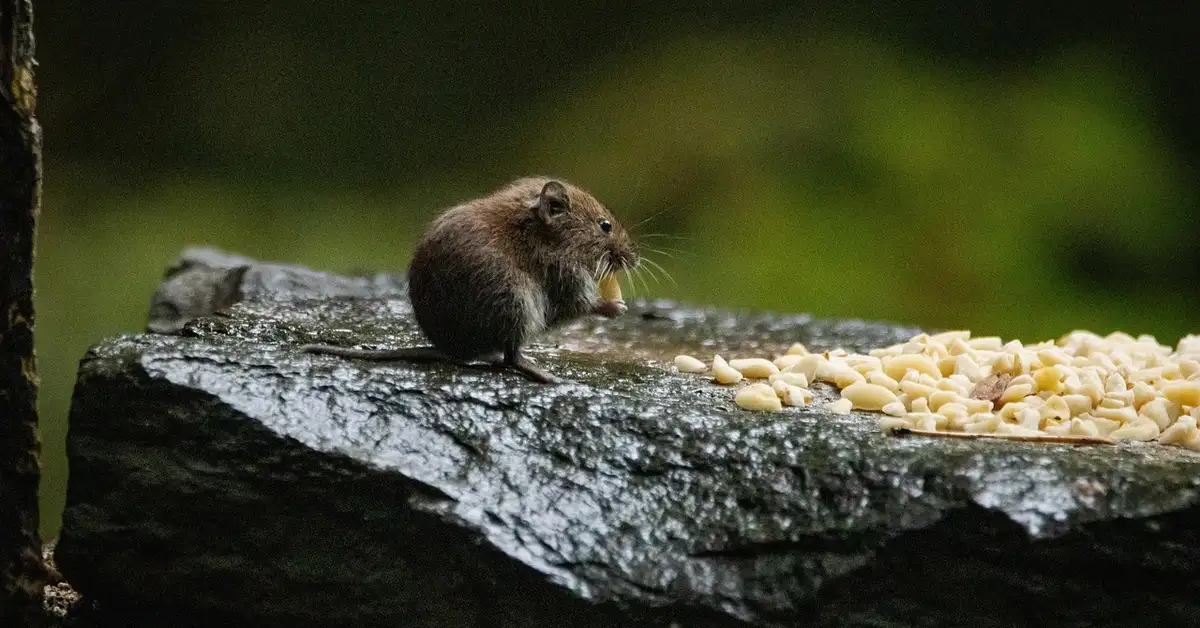
Healthy mice groom themselves multiple times a day, using their tiny paws and flexible bodies to lick, nibble, and smooth their fur from head to tail. This natural routine keeps their coat shiny, removes dirt, and spreads natural oils for skin protection. You will often see them pausing during play or after meals for a quick clean-up session.
Abnormal over-grooming happens when this behavior becomes excessive, leading to bald patches, red skin, or constant scratching. Stress, boredom, or underlying health issues can turn a healthy habit into a compulsive one that harms your mouse. It is vital to recognize when grooming crosses the line from self-care to self-injury.
Barbering: When Grooming Becomes Destructive
Barbering occurs when mice chew or pull out their own fur or that of their cage mates, often due to social stress or a lack of stimulation. This behavior can result in uneven fur loss, usually on the back, face, or flanks, and may signal that your mouse’s environment needs improvement. In my experience, providing extra toys and hiding spots has helped reduce barbering in anxious mice like Jeffery, who tends to follow others’ lead. Barbering explained: why mouse chews fur, so it’s important to address the underlying issues.
- Look for patchy bald areas without signs of parasites or injury.
- Observe if one mouse is targeting others, which might indicate dominance issues.
- Check for changes in cage dynamics or recent introductions that could cause tension.
Signs Your Mouse Has Stopped Grooming
If a mouse stops grooming, it is often a red flag for illness, pain, or depression. A neglected coat appears greasy, matted, or caked with debris, and you might notice a faint odor or crusty eyes. These are important mouse grooming signs to watch for—look for bald patches, excessive scratching, or a consistently unkempt coat. Immediate attention is needed to address the root cause and prevent further health decline.
- Dull, unkempt fur that lacks its usual softness.
- Visible dirt or food particles stuck in the coat.
- Lethargy or reduced activity levels, as grooming requires energy.
- Skin irritations or sores from accumulated oils and bacteria.
What Affects Mouse Grooming Behavior: Diet and Habitat Factors
A balanced diet rich in proteins and fats supports healthy skin and fur, making grooming more effective. Poor nutrition can lead to dry, flaky skin or excessive oiliness, which disrupts your mouse’s ability to stay clean. I have found that offering a variety of seeds, grains, and occasional treats like aged cheese for Gregory keeps their coats in top condition.
Habitat setup plays a huge role in grooming habits; a cramped or dirty cage can increase stress and reduce self-care. Mice need space to move and engage in natural behaviors, which encourages regular grooming as part of their daily routine. Ensure the enclosure is well-ventilated and free from dampness to promote a healthy environment.
The Role of Proper Bedding in Supporting Self-Grooming
Bedding is not just for comfort—it helps mice maintain their fur by absorbing excess oils and providing a textured surface for rubbing. Choosing dust-free, absorbent materials like paper-based or aspen bedding can prevent respiratory issues and support your mouse’s grooming efforts. For the best dust-free beddings for mice, choose unscented, hypoallergenic paper or kiln-dried aspen. Pelleted paper options also minimize dust while maximizing absorbency. Avoid cedar or pine shavings, as their strong odors and oils can irritate skin and discourage cleaning.
- Paper bedding: Soft and highly absorbent, ideal for reducing moisture.
- Aspen shavings: Natural and low-dust, good for burrowing and rubbing.
- Avoid clumping beddings that can stick to fur and cause mats.
How to Support Your Pet Mouse’s Natural Grooming Habits
Encourage your mouse’s innate cleaning by providing a stimulating habitat with tunnels, wheels, and safe chew toys. Regular cage cleaning reduces bacteria buildup, making it easier for your mouse to keep itself tidy without extra effort. Follow a simple routine—daily spot cleaning, weekly bedding changes, and a monthly deep clean and disinfection—to maintain a healthy environment. A happy, active mouse like Kenny will often groom more consistently as part of their exploration and play.
Monitor their diet to include omega-3 sources, such as flaxseeds or small amounts of fish oil, which improve skin health. Offering a shallow dish of chinchilla sand for dust baths can mimic wild grooming behaviors and help control oils. Always supervise these sessions to ensure safety.
When and How to Help Mice Who Cannot Groom
Assist your mouse if they are elderly, injured, or ill and unable to groom properly. Use a soft, damp cloth or a small pet-safe brush to gently wipe away dirt from their fur, focusing on the face and hindquarters. Young mice often get sticky eyes; gently clean crust away with a warm, damp cotton pad or cloth, wiping from the corner outward. Be calm and patient to avoid stressing them further, and consult a vet if you notice signs of infection or pain.
- Check for any mobility issues or weight gain that might hinder grooming.
- Use lukewarm water and a mild, unscented soap if necessary, but avoid over-bathing.
- Trim long fur around the rear end to prevent soiling, especially in older mice like Gregory.
Health Problems to Watch For During Grooming Observation
When you watch your mice groom, you’re not just seeing a cute habit—you’re getting a window into their well-being. Regular grooming sessions are a sign of a content and healthy mouse, but any sudden changes can be your first clue that something is wrong. I always make it a point to observe my mice, like Kenny and Jeffery, during their cleaning routines to catch issues early. Pay attention to their self-cleaning behaviors like face-washing, fur-smoothing, and mutual grooming—as these actions reflect normal hygiene and social bonds. If they stop grooming, groom obsessively, or avoid certain spots, it can signal stress, skin problems, or illness.
- Over-grooming: If a mouse is constantly licking or nibbling at one spot, it might indicate pain, irritation, or stress.
- Under-grooming: A messy, unkempt coat often signals illness, lethargy, or discomfort that prevents normal self-care.
- Skin redness or sores: Visible inflammation can point to infections or external parasites that need quick attention.
- Hair loss patches: Bald spots, especially if not from normal shedding, may result from parasites, allergies, or barbering by cage mates.
Common Skin and Parasite Issues That Disrupt Grooming
Skin and parasite problems are frequent culprits that interfere with a mouse’s grooming habits. Mites and lice can cause intense itching, leading to frantic scratching and over-grooming that damages the skin. In my years of care, I’ve seen how these tiny pests make mice like Gregory unusually restless during cleaning.
- Mites: These microscopic parasites cause scabbing, hair loss, and a rough coat; mice may groom excessively to relieve discomfort.
- Lice: Visible as small moving specks, lice lead to itching and skin irritation, disrupting the mouse’s normal grooming rhythm.
- Fungal infections: Ringworm or similar issues create scaly patches that mice might avoid grooming due to pain.
- Bacterial skin infections: Red, swollen areas often cause mice to lick or bite at the site, altering their grooming patterns.
Addressing these quickly with a vet can restore your mouse’s comfort and grooming routine. Early intervention prevents minor issues from turning into serious health setbacks.
Understanding Grooming as a Stress and Health Indicator
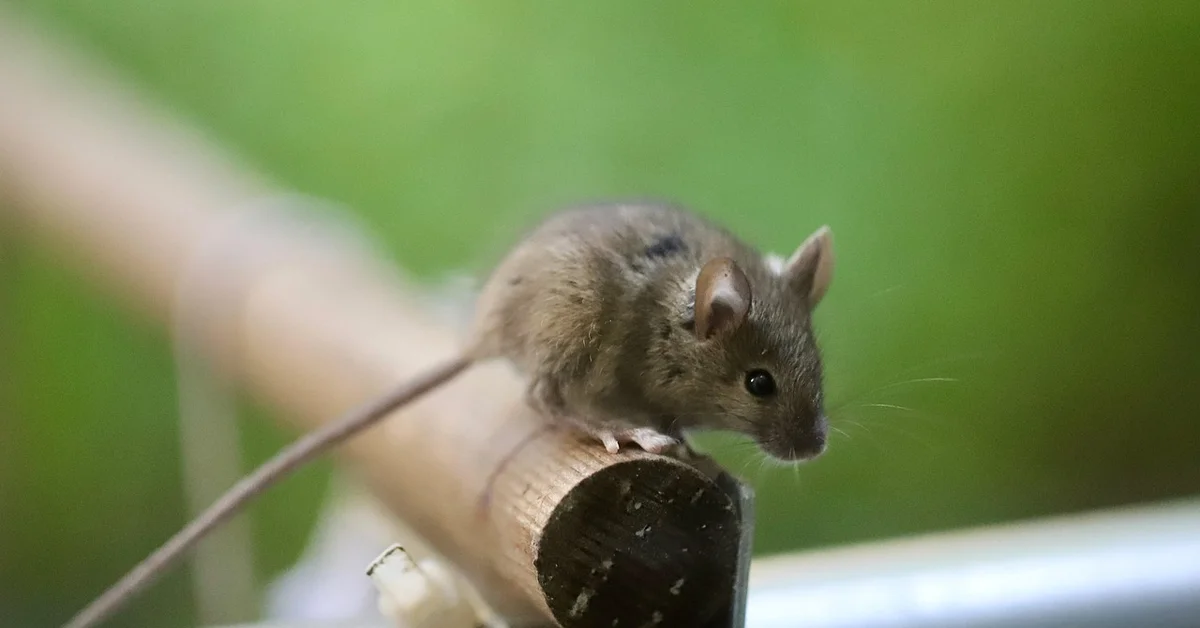
Grooming isn’t just about cleanliness—it’s a barometer for your mouse’s emotional and physical state. A healthy mouse will groom methodically and frequently, covering its entire body in smooth, deliberate motions. When Jeffery grooms calmly, I know he’s feeling secure, but if he starts rushing or skipping areas, it’s a red flag. A concerned mouse may overgroom and develop bald patches, or it may neglect grooming and look scruffy. These changes often signal stress, pain, or illness and should prompt a closer look or veterinary advice.
- Stress signs: Excessive grooming, especially around the face and paws, can indicate anxiety from changes in environment or social dynamics.
- Health declines: Reduced grooming often accompanies illnesses like respiratory infections or digestive issues, as the mouse lacks energy.
- Social cues: In group settings, mice might groom each other; a sudden stop in this behavior can hint at tension or illness in the colony.
By tuning into these subtle shifts, you can better support your mouse’s overall wellness. Consistent observation helps you distinguish between normal habits and warning signs that need action.
Frequently Asked Questions
Do mice groom themselves?
Yes, mice groom themselves regularly as an innate behavior essential for their health and hygiene. They use their paws and tongue to clean their fur, remove debris, and distribute natural oils, which helps maintain a healthy coat and prevent issues like matting or skin irritation.
How do mice clean themselves?
Mice clean themselves by following a natural sequence that starts with licking their paws to wet them, then rubbing their face and moving systematically to other body areas. They rely on their flexibility and saliva to reach spots like their flanks, belly, and tail, ensuring thorough cleaning without external help.
What should I do if my mouse is scratching excessively?
Excessive scratching in mice often signals underlying issues like parasites, allergies, or stress, and it’s important to consult a veterinarian for proper diagnosis and treatment. In the meantime, ensure their environment is clean, reduce potential stressors, and avoid using harsh bedding to help alleviate discomfort while awaiting professional care.
Final Thoughts
Watching your mice groom is a clear sign they feel safe and content in their home. Their meticulous routine is a beautiful, instinctual behavior that keeps them healthy and their coats in perfect condition. If you’re preparing a mouse for a show, gentle daily grooming helps keep its coat pristine and presentable. Regular taming and short handling sessions also reduce stress and make the mouse calm and confident on the table.
Your role is simply to provide a peaceful environment and a proper diet, and then enjoy the show. Trust in their natural abilities, and you’ll be rewarded with the sight of a happy, well-cared-for companion.
Further Reading & Sources
- Mouse Ethogram: Self-Grooming Behavior – Maze Engineers
- Neurobiology of rodent self-grooming and its value for translational neuroscience – PMC
- Grooming Behaviors – Maze Engineers
Isabella is a passionate small pet enthusiast with over 8 years of experience in caring for mice. She loves sharing practical tips and heartfelt stories to help fellow mouse owners provide the best care for their tiny companions.
Mice Grooming