
Keeping a Single Mouse vs. a Group: A Guide to Social Needs
Have you ever wondered if your pet mouse feels lonely or stressed without companions, or if a solo life is actually better for its happiness? I’ve asked myself this same question many times while caring for my own mice, and it’s a decision that weighs on every thoughtful owner.
This guide will help you navigate that choice with confidence, offering insights from my years of experience. We’ll cover how to recognize your mouse’s social signals, the key benefits and potential pitfalls of both single and group living, and practical steps for creating a thriving environment no matter your decision.
Why Mouse Social Needs Matter More Than You Think
Many new owners believe a single mouse is an easier pet to manage, but this overlooks a fundamental truth about their nature. Mice are not solitary creatures by design; their entire psychology is built around complex social interaction. A lone mouse is like a person living in complete isolation, cut off from the conversations, shared warmth, and daily rituals that give life meaning. I’ve seen the stark difference in my own mischief; the energy and contentment of my group is palpable, a vibrant hum of shared existence that a single cage can never replicate.
Isolation doesn’t just lead to sadness-it manifests in physical and behavioral changes you can clearly observe. You might notice a lone mouse becoming lethargic, over-grooming to the point of creating bald patches, or developing repetitive, stereotypic behaviors like constantly bar-climbing. These are not signs of a “shy” mouse; they are distress signals. Providing a wheel and treats isn’t enough. Their most profound need is for the company of their own kind, a need as vital as food and water for their overall well-being.
How Mice Behave in the Wild: Social Structure and Companionship
To understand our pet mice, we must look to their wild cousins. In nature, mice live in intricate social colonies called “mischiefs.” These groups are not random; they are structured families with clear roles, hierarchies, and deep bonds, emphasizing that mice are social animals. They sleep piled together for warmth and security, forage as a team, and communicate through a rich language of ultrasonic chirps we cannot hear. Their world is a tapestry of social cues and shared experiences.
This social structure provides critical survival advantages. Multiple mice can share the duties of watching for predators, finding food sources, and raising young. More importantly, this constant interaction provides mental stimulation that keeps their brains active and healthy. A captive mouse deprived of this social framework is living a fraction of the life it is evolutionarily programmed for. Their instincts to groom, play, and huddle are left with no outlet. Recognizing these effects is central to any mouse social behavior guide that contrasts solitary and group housing. Such a guide helps caretakers decide when companionship is necessary and how to provide it safely.
What Mice Need to Thrive Socially
Simply putting mice together isn’t enough. To truly meet their social needs, you must provide an environment that supports natural behaviors. The foundation of a happy group is sufficient space; a cramped cage is a recipe for tension and conflict. Don’t be fooled by minimum cage size myths — the smallest accepted dimensions often aren’t enough for groups of mice. Real welfare requires more than the bare minimum. I always recommend a tank or cage much larger than the minimum requirements, filled with multiple hideouts, water bottles, and food bowls to prevent resource guarding.
- Multiple Companions: While a pair is better than one, a small group of three or more often creates a more stable and dynamic social unit. It prevents one mouse from being constantly pestered and allows for richer social dynamics.
- Plenty of Hideaways: Provide several enclosed hides and open platforms. Mice need places to retreat for privacy and to feel secure, which reduces stress within the group.
- Foraging Opportunities: Scatter their food instead of using a bowl. This encourages natural foraging behavior as a group activity, turning mealtime into a shared, engaging project.
- Environmental Complexity: Add ropes, tunnels, and different levels. A complex environment gives them a world to explore together, strengthening their bonds through shared adventure.
Observing a well-matched group is a joy. You’ll see them grooming each other, sleeping in a soft, furry pile, and chasing one another in play. My mouse Jeffery, who can be a bit anxious, is visibly soothed by the calm presence of Gregory, often choosing to sleep curled up right beside him. This is the ultimate sign of success-a peaceful, interactive mischief that is clearly content in each other’s company.
Single Mouse Housing: When It Works and When It Doesn’t
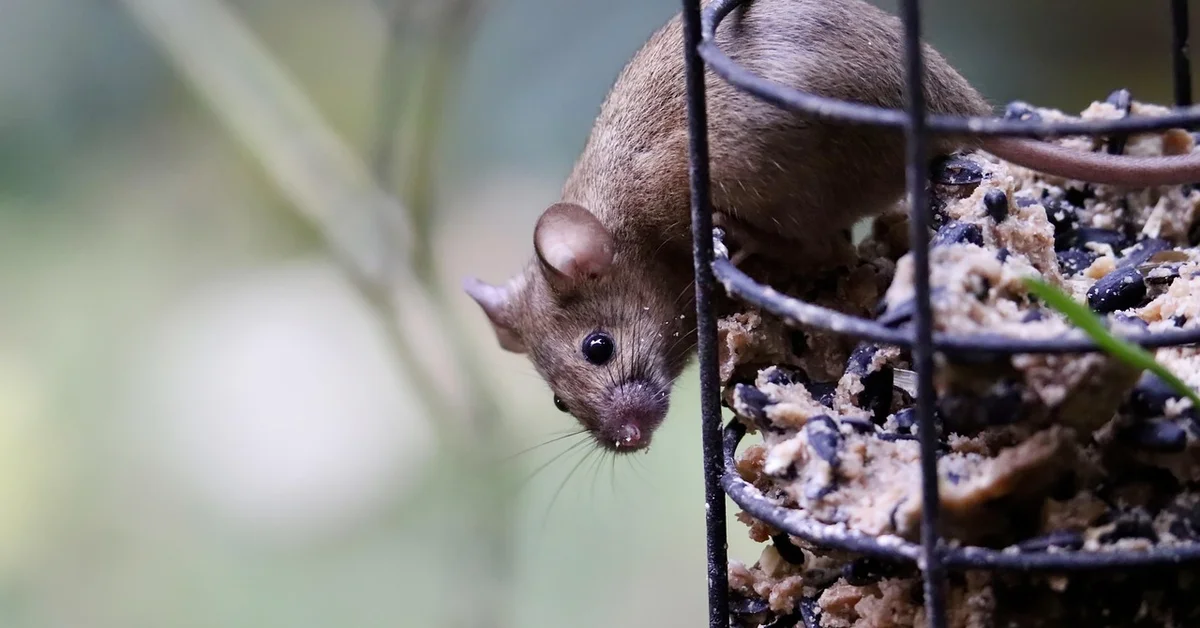
Housing a single mouse is a path some owners choose, but it requires a deep commitment to becoming their primary social outlet. This setup can succeed with mice who have lived their entire lives alone or those with temperaments that make cohabitation stressful for them. I’ve found that very elderly mice, or those who have suffered past trauma in group settings, sometimes genuinely seem to prefer a quiet, predictable life without cage mates. That said, mice are social animals. Best choice: “nest and live together” (4 words) — clear, natural, and directly matches the idea. Many mice nest and live together, forming close bonds, so group housing is often preferable when personalities allow.
Enrichment Strategies for a Solo Mouse
Your mission is to become your mouse’s whole world. A solo mouse needs a level of interaction and mental stimulation that far surpasses what a group requires. Daily, out-of-cage playtime in a secure, mouse-proofed area is non-negotiable for their mental well-being. Think of it as their quality time.
- Rotate novel items into their cage weekly: cardboard tubes, untreated wooden blocks, or a ping pong ball.
- Create interactive food puzzles by hiding their favorite treats inside crumpled paper or a puzzle feeder.
- Practice positive reinforcement training for a few minutes each day, teaching them to come when called or navigate a small agility course.
- Offer a digging box filled with clean, chemical-free soil or crinkled paper bedding to satisfy their natural foraging instincts.
Signs Your Single Mouse Is Struggling
It’s vital to be a keen observer of your lone mouse’s behavior. Loneliness and boredom manifest in subtle and not-so-subtle ways. A mouse that spends excessive time sleeping, shows little interest in exploring, or becomes lethargic is sending a clear signal that their environment is lacking.
- Repetitive behaviors like bar chewing, pacing the same path, or excessive wheel running can indicate stress.
- A noticeable decline in grooming, leading to a rough or greasy-looking coat.
- Increased startle response or skittishness, even with familiar handling.
- Lack of appetite or a change in their usual excitement for food.
If you see these signs, it’s a strong indicator that your mouse needs more from you, or that they might be a candidate for a carefully managed introduction to a companion. (More signs they’re bored)
Group Housing: Creating a Harmonious Mouse Community
Mice are inherently social creatures, and watching a well-matched group interact is one of the true joys of ownership. They groom each other, sleep in a soft, furry pile, and communicate with a symphony of tiny squeaks. A harmonious group provides constant companionship, mental stimulation, and a deep sense of security for every individual within it. Yet even in such a close-knit group, individual mice often show their own quirks. Some are bold explorers while others are shy or more social.
Male Mice vs. Female Mice: Social Dynamics Explained
The social rules can differ between the sexes, and understanding this is key to a peaceful cage.
- Female Mice: Generally, females are more socially fluid and accepting of new members. They form lively, chattering sororities where squabbles are usually brief and harmless. Introducing new females to an established group is often more straightforward.
- Male Mice: Male dynamics require more careful management. While neutered males can live wonderfully together, intact adult males have a much higher potential for serious, injurious fighting, especially if introduced after the juvenile stage. The most stable male groups are typically brothers who have never been separated.
From my own experience, my boys Kenny, Gregory, and Jeffery are a perfect example of a brotherly bond. Gregory’s calm patience balances Kenny’s bold impulsiveness, while little Jeffery thrives in their supportive dynamic.
Ideal Group Size and Cage Requirements
A thriving mouse community needs ample space. Crowding is a primary source of tension and conflict.
- Group Size: A pair is the minimum, but trios or quartets often create a more stable and enriched social environment.
- Cage Size: The absolute minimum floor space for two mice is 60cm x 50cm, but I always advocate for going much larger. Bigger is unequivocally better when it comes to multi-mouse housing.
- Essential Furnishings:
- Multiple hideouts and sleeping areas to allow for personal space.
- More than one water bottle and food dish to prevent resource guarding.
- An abundance of toys, tunnels, and climbing structures to break up sightlines and provide enrichment.
- At least one solid-surface exercise wheel per two mice to avoid disputes over this prized resource.
Providing this level of space and enrichment mimics the complexity of their natural world and gives every mouse the opportunity to find their own comfortable niche within the group.
How to Introduce Mice Safely: Introduction Protocols That Work
Successfully blending mice requires patience and a deliberate, step-by-step process. Rushing an introduction is the most common reason for failure and can lead to serious injuries. I have found the split-cage method to be the most reliable technique for ensuring a peaceful new mouse family.
The Split-Cage Introduction Method
- Start with a neutral, clean cage that neither mouse has lived in. A freshly scrubbed tank or bin works perfectly.
- Use a secure divider made of wire mesh that allows the mice to see and smell each other, but not physically interact. I often use a panel cut from a small wire storage cube, secured firmly with zip ties.
- Place one mouse on each side of the divider, with its own food, water, and a small hide. Swap their sides several times a day. This mingles their scents thoroughly and makes the “other” mouse’s smell a normal part of the environment.
- After several days of no aggressive posturing (you’ll see this through the mesh), you can try a supervised, neutral territory meeting. A dry, empty bathtub is a great spot.
- If that meeting is calm, you can remove the divider from the main cage. Monitor them closely for the first 24-48 hours, being ready to separate them if a true fight breaks out.
Troubleshooting Compatibility Issues
Even with the best preparation, sometimes personalities clash. Knowing the difference between normal squabbling and dangerous aggression is your most critical skill. Normal behavior includes chasing, pinning, and squeaking as they establish a hierarchy. You need to intervene for loud, distressed shrieking, full-blown rolling fights, or any bloodshed.
- If a fight occurs: Separate the mice immediately using a cup or your hands (protected by gloves). Do not grab by the tail. Return to the split-cage setup for a few more days before attempting another neutral meeting.
- If one mouse is relentlessly bullied: The victim may stop eating, have patches of missing fur, or hide constantly. In this case, permanent separation might be the kindest option for both mice’s wellbeing.
- Consider age and energy levels: My young, impulsive Kenny was initially too much for my older, serene Gregory. Re-introducing them after Kenny matured slightly made all the difference. Sometimes, timing is everything.
Comparing Daily Care: Single vs. Group Housing
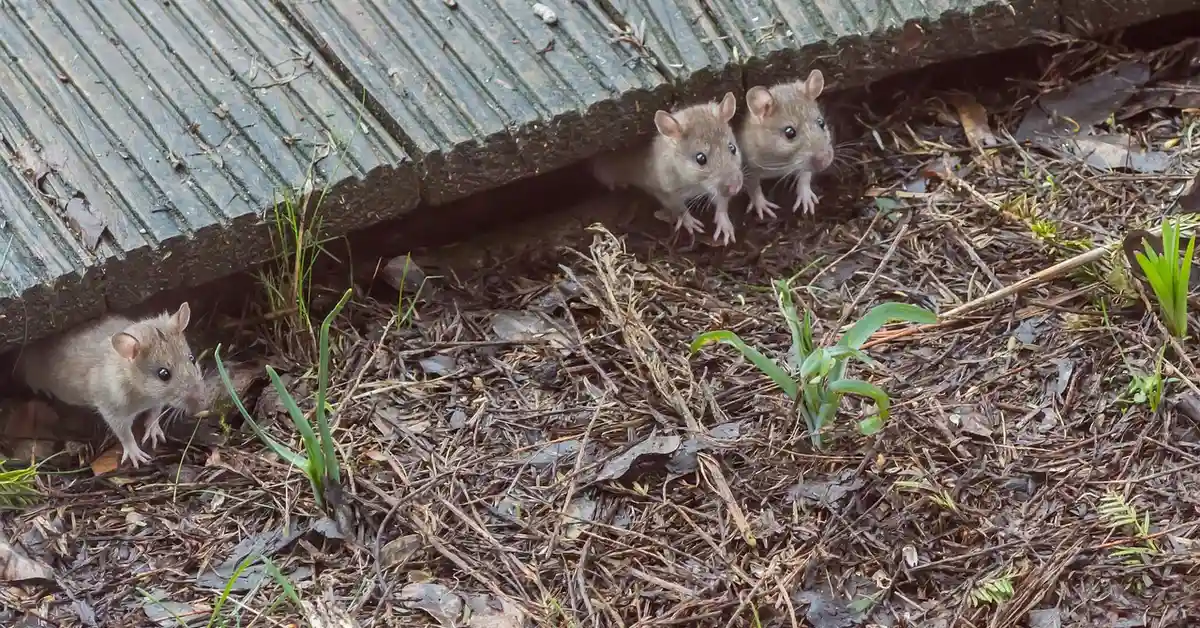
The social structure of your mouse enclosure directly influences your daily routine and their environmental needs. A group dynamic creates a bustling, self-entertaining community, while a solo mouse relies entirely on you for its social and mental fulfillment. Male mice can sometimes live together, but they may establish dominance and become aggressive, so careful introductions and plenty of space and enrichment are important to reduce conflict.
Routine and Maintenance Differences
- Cage Cleaning: A group enclosure will naturally become soiled faster. I find myself doing a full clean for my trio about every 5-7 days, whereas a single mouse’s home can often go 10 days.
- Food and Water Consumption: Obviously, a group goes through resources more quickly. More importantly, you must provide multiple food bowls and water sources to prevent a dominant mouse from resource-guarding.
- Behavioral Observation: With a group, your watchfulness shifts from “is he bored?” to “is their social structure healthy?”. With a solo mouse, you are constantly looking for signs of loneliness, like excessive sleeping or a lack of interest in play.
Making the Right Choice for Your Situation
This decision is deeply personal and depends on your lifestyle and capacity for care. The best choice is the one that aligns with your ability to provide a fulfilling, enriched life, whether that involves one mouse or several.
- Choose a single mouse if: You have limited space for a large enclosure, you want a deeply bonded relationship with one individual, or you are prepared to dedicate significant time daily to direct interaction and play.
- Choose a group if: You have space for a suitably large tank or cage, you enjoy observing complex social dynamics, and you want to ensure your mice have constant companionship, especially if your schedule keeps you away from home often.
Reflect honestly on your own daily rhythm. A happily busy solo mouse is always a better outcome than a neglected mouse living in a stressed group. Your self-awareness is the first step toward giving a mouse a wonderful life. If you’re considering adding new mice to your existing group, use that understanding to judge readiness and how a newcomer will fit. This complete guide walks you through introducing new mice safely and keeping the whole group healthy and balanced.
Frequently Asked Questions
What elements are typically included in a mouse social needs chart?
A mouse social needs chart often outlines key factors like group size compatibility, hierarchy roles, and interaction frequencies to help owners understand ideal social setups. It may also highlight environmental enrichments, such as hiding spots and foraging opportunities, that support natural behaviors and reduce stress in both solo and group settings.
How does a mouse’s social needs affect its behavior in captivity?
A mouse’s social needs directly shape its daily activities; without adequate interaction, it may display signs of distress like over-grooming or lethargy due to loneliness. In a group, positive behaviors such as mutual grooming and play emerge, fostering mental stimulation and reducing anxiety through shared experiences and established social bonds.
Why are social interactions crucial for a mouse’s survival and well-being?
Social interactions are vital for a mouse’s survival as they provide emotional support, reduce stress levels, and encourage natural instincts like cooperative foraging, which can prevent health issues like depression or weakened immunity. In the long term, these interactions help maintain physical and mental health, ensuring a higher quality of life and longevity.
Your Path Forward
Choosing between a single mouse or a group hinges on recognizing their deep-seated need for companionship and interaction. Your careful observation of behaviors like grooming, nesting, and play will reveal whether your mouse thrives alone or flourishes with friends. Social and mating behaviors — including bonding, dominance, and reproductive interactions — also shape group dynamics and compatibility. Noting these patterns will help you decide whether to keep a solitary pet, a bonded pair, or a same-sex group.
No matter your decision, your dedication to providing a stimulating, loving home is what truly shapes their well-being. Embrace the journey of learning and adapting to ensure your mouse leads a content, engaged life.
Further Reading & Sources
- To Group or Not to Group? Good Practice for Housing Male Laboratory Mice – PMC
- Harvard Study Identifies Socializing as a ‘Survival Need’ in Mice | News | The Harvard Crimson
- Modelling collective behavior in groups of mice housed under semi-naturalistic conditions
Isabella is a passionate small pet enthusiast with over 8 years of experience in caring for mice. She loves sharing practical tips and heartfelt stories to help fellow mouse owners provide the best care for their tiny companions.
Socialization Tips