
Self-Colored Mice: The Beauty of Solid Coats
Have you ever found yourself mesmerized by a mouse’s pure, unbroken color, wondering what makes that flawless coat so special?
This guide will illuminate the world of self-colored mice, from their simple genetics to their stunning visual impact. We’ll cover the fundamentals of self-color genetics, debunk common myths about their care, and help you appreciate how to select these beautiful, solid-colored companions.
Understanding Self Colors in Pet Mice
How Mouse Coat Color Works
Mouse coat color comes from pigments called melanin, which are produced in skin cells and deposited into each hair shaft. Genetics play the biggest role in determining whether your mouse will have a solid self color or something more complex. Think of it like mixing paint: specific genes control the type and distribution of pigment, creating everything from deep blacks to soft creams. I’ve noticed that self-colored mice often have a uniform hue from nose to tail, making their coats look sleek and consistent.
Two main pigments, eumelanin (for black/brown) and pheomelanin (for yellow/red), interact to produce the base colors. Self colors happen when a mouse inherits genes that suppress patterns, leading to a single, even tone across the body. This simplicity can make it easier to spot changes in your mouse’s health, like dullness or patches, which might signal stress or diet issues.
Self Colors vs. Patterned Mice
Self-colored mice boast a single, solid shade, while patterned mice display markings like spots, stripes, or patches. Choosing a self color over a patterned mouse often comes down to personal preference, as both can be equally healthy and lively companions. Patterned varieties, such as brindle or agouti, have genes that introduce bands, roaning, or other designs, breaking up the color.
- Self colors: Uniform from head to tail; examples include black, chocolate, or white.
- Patterned mice: Feature mixed shades or markings; examples include piebald (with white patches) or marked agouti (with banded hairs).
In my experience, self-colored mice like my Gregory (a dark brown self) tend to have a classic, elegant look that highlights their natural sheen. Patterned mice, on the other hand, can show more visual texture, which some owners find charming for their uniqueness.
Common Self Color Varieties You’ll See
Black Self Mice
Black self mice have a rich, jet-black coat that can gleam with blue or purple undertones in certain lights. Their fur is often dense and plush, giving them a velvety appearance that feels smooth to the touch. I’ve cared for black self mice, and their dark coloring makes it easy to see if their coat is clean and shiny, which is a good sign of overall health. Keep an eye out for any fading or reddish tints, as that might indicate dietary imbalances or aging.
Chocolate and Brown Self Mice
Chocolate self mice feature a warm, deep brown similar to dark cocoa, while brown varieties might lean toward lighter, earthy tones. These colors often have a subtle gloss that catches the light, making your mouse look like a little, moving jewel. My mouse Gregory is a dark brown self, and his coat has a comforting, steady hue that seems to reflect his calm personality. Brown and chocolate mice can sometimes show slight color variations with seasons, but generally, they maintain their solid charm.
Blue, Lilac, and Dove Self Mice
Blue self mice aren’t truly blue but have a cool, slate-gray coat with a bluish cast, while lilac and dove shades are softer, with lavender or pale gray tones. These colors are less common and can give your mouse a delicate, almost misty appearance that stands out in a group. I find that blue and lilac mice often have fine, silky fur that requires gentle handling to avoid matting. Their unique hues can make them a favorite for owners who enjoy subtle, elegant pets.
Beige, Champagne, and Cream Self Mice
Beige self mice sport a light, sandy color, champagne is a pale golden shade, and cream is a soft, off-white with warm undertones. These lighter self colors can make your mouse’s eyes and ears more prominent, adding to their expressive faces. In my care, cream-colored mice like Jeffery (who isn’t a self, but shares a light tone) tend to show dirt more easily, so regular cage cleaning helps keep their coat looking fresh. Their gentle colors often give them a cheerful, approachable vibe.
Albino and Pink-Eyed White Mice
Albino mice are pure white with pink or red eyes due to a lack of pigment, while pink-eyed white mice might have similar coloring but different genetic backgrounds. Their snowy coats and bright eyes create a striking contrast that many owners find captivating. I’ve noticed that albino mice can be more sensitive to bright light, so providing shaded areas in their habitat is a simple way to keep them comfortable. Despite their pale appearance, these mice are just as active and curious as any other color variety.
The Genetics Behind Solid Coat Colors
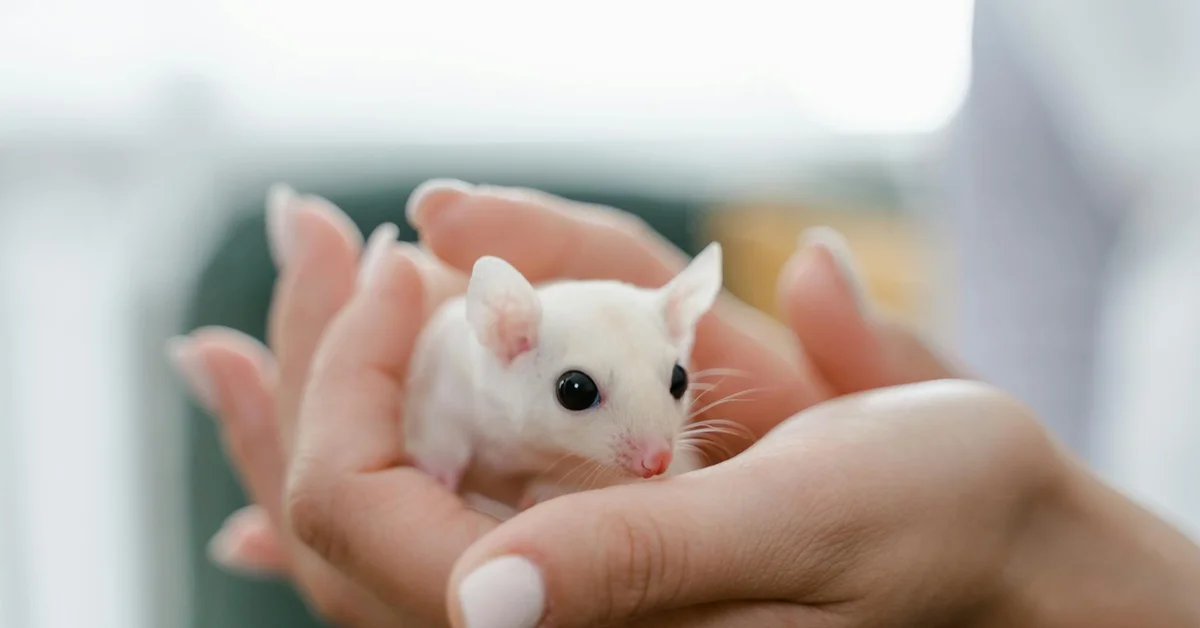
The beautiful, uniform coat of a self mouse isn’t just a happy accident; it’s the direct result of specific genetic instructions. At its core, a “self” coat means the mouse carries two identical copies of the same color gene, resulting in a single, solid pigment from nose to tail. Think of it as a painter using only one color from their palette to create an entire masterpiece. This genetic simplicity is what gives you those stunning, pure blacks, rich chocolates, and clean whites. To really understand how those pigments are produced, you need to look at specific genetic loci—notably B, C, D and P—which control pigment type, intensity and distribution. Studying combinations of alleles at these loci explains why some mice are self black, chocolate, dilute, or albino.
Why Some Self Colors Are More Common
You’ll notice that black and agouti (the wild mouse brown) self mice appear far more frequently than, say, a solid lilac or blue. This prevalence boils down to genetics and survival; the most common self colors are dominant traits that have been naturally selected for over generations. Recessive colors, like champagne or silver, require both parent mice to carry the specific gene, making their appearance a rarer and more special event in a litter. A dominant gene only needs one copy to show in the offspring, so those colors can appear even if only one parent carries the trait. Recessive traits remain hidden unless both parents contribute the recessive allele, which is why they are seen far less often.
- Dominant Genes Rule: Colors like black are dominant, meaning only one parent needs to pass on the gene for the trait to appear.
- Recessive Rarities: Delicate colors like dove or cream are recessive, requiring a genetic “double-match” from both parents.
- The Agouti Ancestor: The original wild mouse color is a form of self, making its genetic expression robust and widespread.
- Breeder Selection: Over time, breeders have often favored and propagated the most striking and easily reproducible solid colors.
Caring for Self Colored Mice
Caring for a self-colored mouse is a wonderfully straightforward experience. The main thing to remember is that their care is defined by their individual health and personality, not the specific hue of their fur. My white mouse, Jeffery, requires the same high-quality diet, clean habitat, and social enrichment as my dark brown Gregory. That said, coat colors and markings are useful for identifying individual mice and understanding basic genetics. This pet mouse colors & markings guide will help you recognize common varieties and what their names mean.
Do Self Colored Mice Need Special Attention?
Generally, no-a self coat doesn’t inherently demand special care. However, some colors can be linked to specific traits that are worth keeping a gentle eye on. For instance, very pale or white self mice with black eyes, like my Jeffery, have perfectly normal vision. But mice with certain white coats and pink or red eyes can be more light-sensitive and may have slightly poorer eyesight, making them startle more easily.
- Ensure their habitat has plenty of cover and tunnels to help them feel secure.
- Approach them with a soft voice to avoid startling them, especially if they are a pink-eyed variety.
- Their dietary and social needs are identical to any other mouse.
Grooming and Coat Health
A self-colored coat is a fantastic canvas for showcasing your mouse’s overall health. A glossy, smooth, and clean coat is one of the most visible signs of a happy and well-cared-for mouse. I find that Gregory’s dark brown fur looks particularly lustrous when he’s in peak condition. It’s important to recognize when grooming habits might indicate a problem.
Mice are fastidious groomers, but you can support their efforts. Provide a small, shallow dish of chinchilla sand for them to roll in; this acts as a dry shampoo that absorbs excess oils and keeps their fur looking pristine. Always ensure their bedding is clean and dust-free to prevent their beautiful solid color from looking dingy.
- Offer a balanced diet rich in protein to support healthy hair growth.
- Include a sand bath for natural grooming-they’ll love the spa-like experience.
- Perform weekly visual checks for any bald patches, scabs, or parasites, which are easier to spot on a solid-colored coat.
Personality and Temperament in Solid Colored Mice
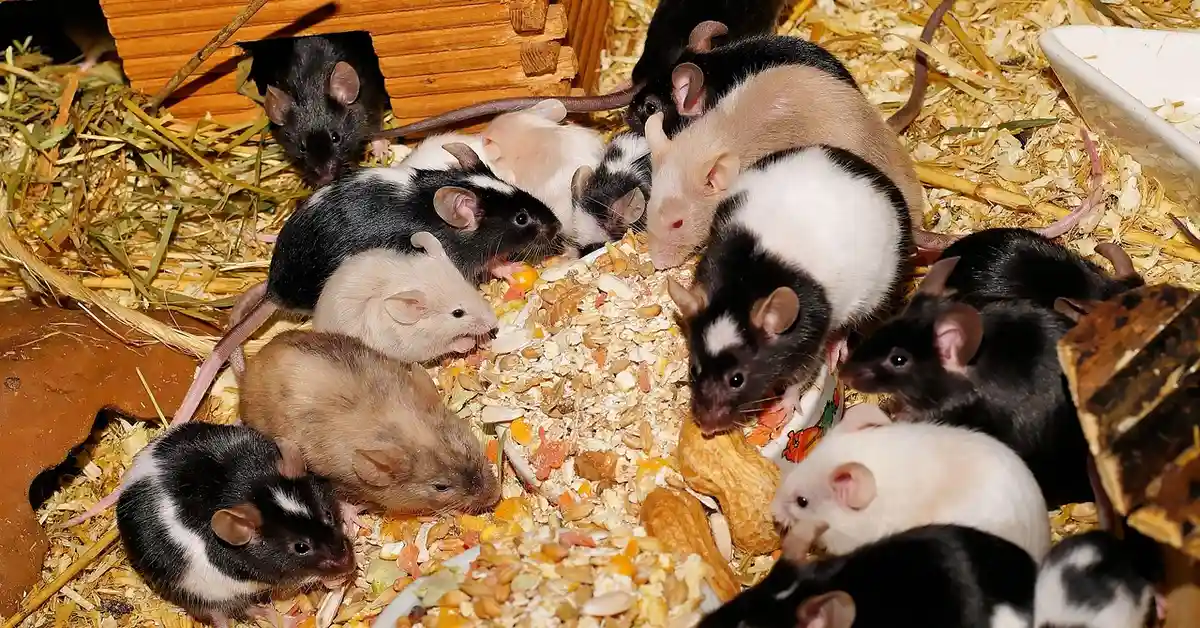
Let’s put a delightful myth to rest: a mouse’s coat color does not determine its personality. I’ve learned through years of keeping mice that a bold, adventurous spirit can live inside a jet-black mouse just as easily as in a spotted one. My three boys—Kenny, Gregory, and Jeffery—are all self-colored, yet their temperaments couldn’t be more different. That naturally leads to the question: do mice have individual personalities? In my experience, absolutely—each one displays consistent traits like curiosity, boldness, or shyness.
The idea that a certain color denotes a specific personality is a fun story, but in reality, each mouse is a unique individual shaped by their genetics, upbringing, and social experiences. You’ll find shy white mice and outgoing black ones, just as you’ll find calm chocolates and timid silvers. The true joy comes from getting to know the singular character hiding beneath that beautiful, solid-colored fur. A visual guide to mouse color genetics outcomes can help you understand how coat colors are inherited, but it won’t predict temperament. Use such guides for identification and breeding insight while still observing each mouse as an individual.
Finding and Choosing Self Colored Pet Mice
Identifying True Self Colors
Spotting a genuine self color is more nuanced than just seeing a single shade. You must observe the mouse in different lighting to ensure the color is consistent from nose to tail. A true self will not have any lighter underfur or a silvering effect; the pigment runs uniformly through every single hair.
Run your finger gently against the lay of the fur. A self coat should feel uniformly dense and smooth. I often look for a rich, saturated color depth, which usually indicates good health and genetics. Be aware that some colors, like chocolate, can appear almost black in certain lights, so a bright, natural light source is your best tool for accurate identification.
- Examine in Bright, Natural Light: Check for any subtle banding, white spots, or a different colored undercoat.
- Feel the Coat: The texture should be consistent. Any patchy or wiry areas can be a sign of poor health or a mixed pattern gene.
- Know the Common Selfs: Black, chocolate, blue, lilac, and champagne are classic examples. Beige can sometimes be tricky as it may have a slight agouti ticking.
What to Look for in a Healthy Mouse
Color is beautiful, but health is paramount. A vibrant, clean coat is one of the first and most reliable indicators of a mouse’s overall well-being. The fur should lie flat and look glossy, not greasy or matted. Part the fur gently to check for any signs of parasites like mites, which look like tiny moving specks. Watch your mouse’s grooming habits: regular self-cleaning and mutual grooming are healthy signs. Excessive scratching, bald patches, or persistently dirty fur can indicate illness, stress, or parasites.
Look for bright, alert eyes that are free of any crust or redness. The mouse should be curious and active, though young mice like my Jeffery can be a bit jumpy at first. Listen for clear, quiet breathing; any clicking or wheezing is a major red flag for a respiratory infection, a common issue in mice.
- Assess Body Condition: The mouse should be well-rounded but not obese. You should not be able to see its spine or hip bones protruding.
- Check for Cleanliness: Look at the base of the tail and the rear end. It should be clean and free of any staining or stuck bedding.
- Observe Behavior: A healthy mouse will be inquisitive. It might freeze when you approach, but it shouldn’t appear lethargic or remain hunched in a corner.
- Examine the Face and Ears: The ears should be clean, and the nose should be free of any red discharge (porphyrin).
Self Colored Mice Resources and Community
Connecting with other enthusiasts is one of the best parts of this hobby. Online forums and dedicated social media groups are treasure troves of collective wisdom where you can share photos and get expert eyes on a potential new mouse. I’ve learned so much from experienced owners who can spot genetic nuances I would have missed.
- Specialized Online Forums: Look for pet mouse communities where members frequently discuss genetics and coat color. You can post pictures to ask, “Is this a true self?”
- Social Media Groups: Facebook and Instagram have active mouse pet communities. Search for hashtags like #SelfColoredMouse or #FancyMouse to find breeders and owners.
- Local Rodent Fancier Clubs: While less common, some areas have clubs where you can meet breeders in person. This allows you to see the mouse’s parents and living conditions, which is ideal.
Don’t be shy about asking a breeder specific questions about their lineage and health history. A reputable breeder will be transparent and happy to discuss their care practices and the genetics behind their beautiful self-colored mice. This shared passion for these little creatures creates a wonderfully supportive network for both new and seasoned owners. An ethical breeder prioritizes health screening, proper socialization, and responsible breeding practices—not just appearance. They should also be willing to offer ongoing care advice and clear policies on rehoming to ensure you bring home a healthy, well-adjusted pet.
Frequently Asked Questions
Where can I find self-colored mice for sale?
Self-colored mice are often available through reputable breeders, specialty pet stores, or online platforms like rodent enthusiast forums and social media groups. When purchasing, always prioritize sources that provide health histories and ethical care practices to ensure you’re getting a well-bred, healthy mouse. Avoid impulse buys and ask about the mouse’s lineage and living conditions to support responsible pet ownership.
Are self-colored mice commonly available in Illinois?
Yes, self-colored mice can be found in Illinois through local breeders, pet stores, or rodent fancier clubs, particularly in urban areas like Chicago. To locate them, check online resources such as breeder directories or community groups focused on small pets. Always verify the seller’s reputation to ensure the mice are healthy and ethically raised.
Are there coloring pages or sheets for self-colored mice?
Yes, you can find coloring pages, sheets, and pictures featuring self-colored mice online, often on educational or pet-themed websites. These resources are great for teaching children about mouse coat colors or for fun activities. Look for printable options by searching terms like “self-colored mice coloring pages” to easily access and print them at home.
Your Solid-Colored Mouse Journey
Choosing a self-colored mouse is about appreciating the beauty of simplicity, a single, stunning hue that lets their unique personality shine through without distraction. Their coat is a pure canvas, making every whisker twitch and curious exploration the main event.
Focus on providing a wonderful home full of enrichment, a balanced diet, and your attentive care—that’s what truly makes a mouse’s life vibrant, regardless of its specific shade. These elements align with the mouse quality of life framework, which highlights environment, nutrition, health monitoring, and social needs. Use the framework as a simple guide to assess and improve their daily well-being—your dedication is the most important color in their world.
Further Reading & Sources
- AFRMA Fancy Mice – Self
- AFRMA – Colors & Coats – Splashed Mice; “Tri-Color” Mice; Tri-Color/Calico Mice
- Mouse Coat Colors | Wiki | Rodents Amino Amino
Isabella is a passionate small pet enthusiast with over 8 years of experience in caring for mice. She loves sharing practical tips and heartfelt stories to help fellow mouse owners provide the best care for their tiny companions.
Mice Genetics