
The Telltale Signs of a Strong Bond Between Mice
Have you ever watched your mice interact and felt unsure if they’re simply sharing a space or building a meaningful, trusting relationship? As someone who has cared for mice for years, I know that subtle behaviors can speak volumes about their connections. This guide will help you interpret those quiet moments and gestures, giving you the confidence to understand your pets’ social world.
We’ll explore the specific actions and routines that reveal a deep bond, from grooming habits to playful antics. You’ll gain insights into how mutual care, synchronized rest, and joyful interactions show that your mice are more than just cage mates-they’re true companions.
The Science Behind Mouse Friendships
Mouse friendships are not just a cute behavior; they are a biological necessity rooted in complex social structures. Rodents are profoundly social creatures whose brains are wired for companionship, and isolation can trigger measurable stress responses that impact their health. In the wild, a colony’s survival depends on cooperation, and this deep-seated need for a social group carries over directly into our homes.
Observing my own trio, I see this science in action daily. When my mice, like Kenny and Jeffery, sleep in a warm, intertwined pile, it is more than just sharing body heat; it is a synchronized state of security that lowers heart rates and reinforces their social hierarchy. Their playful chases and gentle nibbles are not random—they are a continuous conversation that builds trust and maintains group harmony. Recognizing these interactions helps you decide whether a mouse thrives solitary or in a group. A mouse social behavior guide can show owners how to read those cues and make informed housing choices.
Mutual Grooming: The Clearest Sign of Mouse Friendship
If you watch your mice for any length of time, you will witness one of the most telling behaviors: mutual grooming. This gentle nibbling and licking, often focused around the head, neck, and ears, is the mouse equivalent of a warm, reassuring hug between best friends. It is a dedicated act of care that goes beyond simple hygiene. It’s also a clear sign of mouse grooming that indicates their comfort and trust.
True mutual grooming is a two-way street of trust and affection. You will know it is genuine bonding when you see one mouse relax completely, often closing its eyes, while the other meticulously grooms it, and then they peacefully switch roles. It is a ritual that solidifies their connection. This mutual care is a form of allogrooming — a grooming behavior that promotes social bonding and reduces stress. Such rituals help establish and maintain close social relationships among mice. My older mouse, Gregory, often initiates these sessions with the younger, more anxious Jeffery, a quiet act that seems to soothe them both.
Look for these specific signs during grooming sessions:
- A completely relaxed posture, with the recipient sitting still or leaning into the groomer.
- Soft, contented chattering or bruxing sounds, which indicate pleasure.
- Reciprocation, where the mouse being groomed will turn and begin grooming the other in return.
- Focus on hard-to-reach spots, showing a level of care and attention to the other’s well-being.
Physical Closeness: Huddling, Cuddling, and Sleeping Together
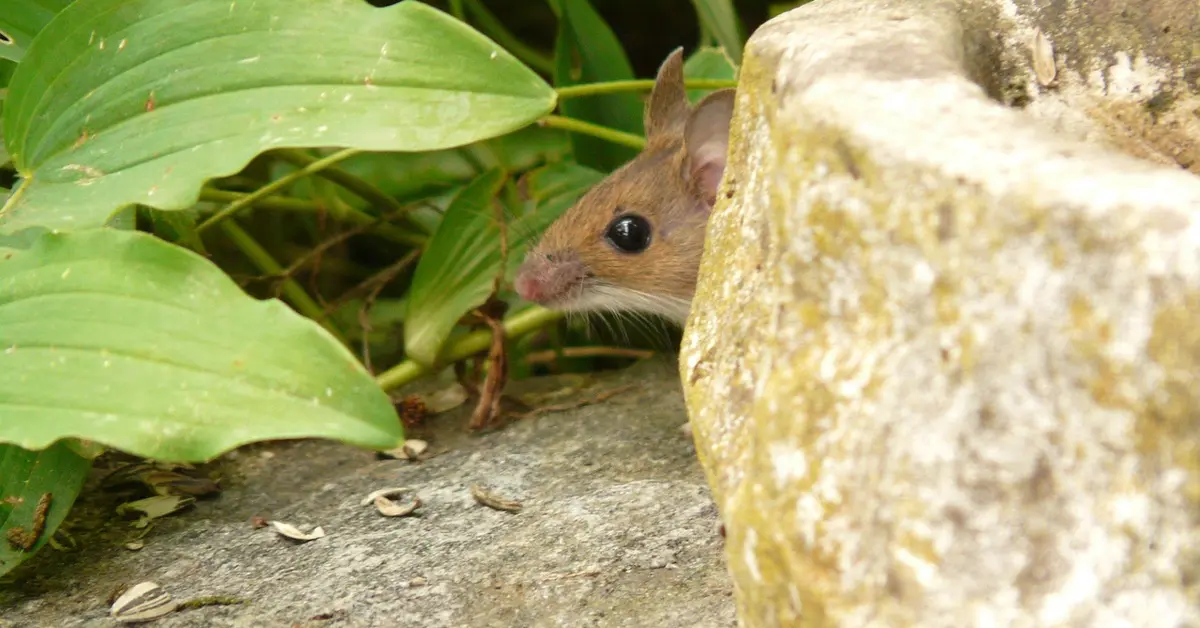
When your mice choose to snuggle up tightly in a warm, furry pile, you are witnessing one of the most heartwarming signs of a deep bond. This instinctual huddling behavior goes beyond warmth, serving as a powerful display of trust and companionship within the group. You will often find them intertwined during rest periods, with bodies relaxed and whiskers twitching in unison.
Bonded pairs or groups rarely sleep apart, preferring the security of physical contact. Observing their synchronized breathing and peaceful postures can reassure you that your mice feel safe and content with each other. I have noticed that my own mice, like the adventurous Kenny and the calm Gregory, will seek each other out for naps, demonstrating their mutual reliance.
Shared Nesting: Building a Home Together
Mice that work as a team to gather bedding materials and construct a single, cohesive nest are showing a profound level of cooperation. Shared nesting is a collaborative project that strengthens social ties and creates a unified living space. They will often take turns gathering paper strips or fluff, then meticulously arrange them together. This cooperative nesting reflects the social nature of mice: they live in groups and depend on one another for warmth, protection, and social learning. These close bonds also support other communal behaviors like grooming, foraging, and forming dominance hierarchies.
You might see one mouse holding a piece of bedding while another tucks it into place. This coordinated effort results in a sturdy, well-insulated nest that becomes the heart of their shared territory. In my experience, when Jeffery helps Gregory add soft layers to their hideout, it highlights how even the most anxious mouse contributes to the group’s comfort.
Playful Interactions: Wrestling, Chasing, and Social Games
Play is a vital part of mouse social life, and bonded mice engage in frequent, good-natured roughhousing. Gentle wrestling matches and quick chase sequences are not signs of aggression, but rather a way for mice to reinforce their social hierarchy and have fun. You will notice they take turns being the chaser and the chased, often ending with a mutual grooming session. However, it’s important to tell playful dominance from bullying. Signs of an unhealthy relationship include persistent one-sided attacks, visible injuries, or a mouse that constantly hides and avoids its cage mates.
These games help maintain harmony and burn off youthful energy. Look for soft squeaks, bouncy movements, and quick retreats that show everyone is participating willingly and happily. My mouse Kenny often initiates play with a playful pounce, while Jeffery watches before joining in with twitchy excitement.
- Mock fighting with no biting or injury
- Taking turns in dominant and submissive roles
- Frequent pauses to check on each other
Communication Signals Between Bonded Mice
Bonded mice develop a rich, nuanced language of sounds and gestures to stay connected. They use high-frequency chirps, gentle nose touches, and tail flicks to convey everything from curiosity to comfort. Paying attention to these subtle cues can help you understand the strength of their relationships. Responding gently to those signals and interacting regularly helps you build a deeper bond with your pet mouse. Small, consistent gestures like quiet handling and mirroring cues encourage trust and closer interaction.
You will often see one mouse gently groom another, which is a clear sign of affection and social bonding. This mutual grooming, or allogrooming, helps keep fur clean while reinforcing social bonds and reducing stress. It is a peaceful ritual that speaks volumes about their trust in one another. When a mouse is concerned, grooming often changes — they may groom themselves obsessively or stop allogrooming altogether. Noticing these shifts helps you spot stress or anxiety early.
Cooperative Foraging and Food Sharing
When mice work together to find and share food, it demonstrates a high level of social intelligence and cooperation. Bonded groups will often alert each other to food discoveries with specific vocalizations, ensuring everyone gets a share. You might observe one mouse holding a larger piece of food while others nibble from it.
This behavior reduces competition and promotes group harmony. Seeing a mouse like Gregory patiently allow Jeffery to take the first bite of a treat is a beautiful example of their caring dynamic. They understand that a well-fed friend is a happy companion.
- One mouse uncovers a hidden treat and calls others over
- They take turns eating without hoarding
- Offering food directly to a cage mate
Warning Signs: When Mice Aren’t Bonding Well
Even with the best intentions, some mice simply don’t get along. Recognizing the difference between minor squabbles and serious conflict is vital for your pets’ well-being. I’ve had to carefully monitor new introductions to ensure everyone felt safe. Understanding their social behavior—including how they choose mates and establish hierarchies—helps predict when tensions might escalate. These interactions also influence mating success and overall quality of life.
Watch for these specific behaviors that indicate a bond is not forming:
- Persistent, One-Sided Chasing: A mouse being relentlessly pursued with no breaks for eating or drinking.
- Barbering: One mouse chewing off the whiskers or fur of another, leaving bald patches.
- Sleeping Separately Constantly: Healthy groups will almost always share a nest for warmth and comfort.
- Visible Wounds or Scabs: This is the most serious sign and requires immediate separation.
- Hissing and Puffing Up: While some posturing is normal, constant defensive behavior shows deep-seated stress.
You might notice one mouse becomes a perpetual outcast, hiding in a corner or on a high ledge away from the group. This isolation is a clear cry for help and a signal that the social dynamic is broken. In my experience, a stressed mouse will also groom itself excessively or lose interest in food. A visual behavioral guide for signs of stress in mice can help you quickly match these observations to specific warning signs. Use the guide’s images and brief descriptions to tell normal from abnormal behavior and decide when to intervene.
Bonded Mice in Your Home: What Daily Life Looks Like
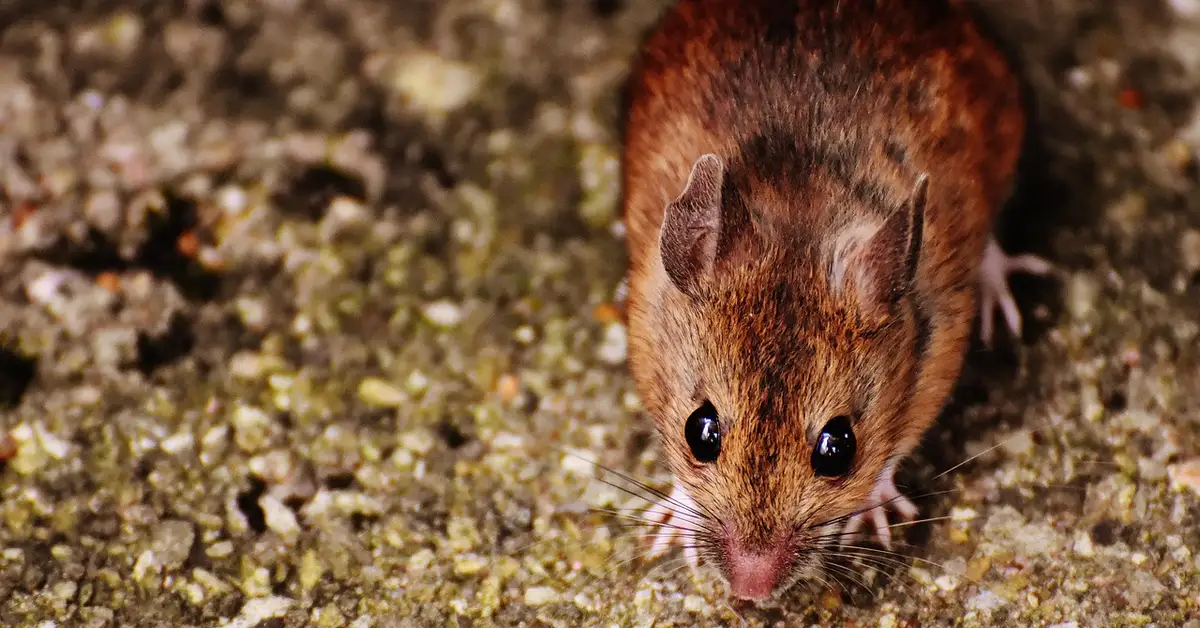
Living with a truly bonded group is a quiet joy. The atmosphere in their enclosure is one of serene cooperation and mutual understanding. You’ll witness a beautiful, unspoken rhythm to their day.
Here’s what a harmonious mouse family looks like in action:
- The Synchronized Snooze: You’ll find them piled into one hidey-hole, a fluffy ball of intertwined tails and sleeping faces.
- Allogrooming Sessions: They take turns gently grooming each other’s faces, ears, and backs, often falling asleep during the process.
- Shared Food Discoveries: One mouse will find a special treat and the others will gather around to share, with little to no squabbling.
- Confident Exploration: They move through their space with assurance, knowing their companions have their back.
My mice, Gregory and Jeffery, have a lovely routine where Jeffery, the more anxious one, will often wait for the calm Gregory to try a new toy first before he feels safe to approach. This trust is the cornerstone of their friendship and transforms their home from a cage into a true sanctuary.
Creating Conditions That Support Strong Mouse Bonds
Choosing Compatible Companions
The foundation of a strong bond is laid before the mice ever meet. Making thoughtful choices about who lives together drastically increases the chances of a peaceful, happy group. I’ve learned this through both successful pairings and ones that needed careful management.
Consider these factors for the best compatibility:
- Age: Introducing younger mice to each other is generally easier than introducing adults.
- Gender: Always house same-sex mice together to prevent endless litters. Female groups are famously stable.
- Size and Temperament: Pairing a very large, bold mouse with a much smaller, timid one can create a bully-victim dynamic.
- Introduction Method: Use a neutral territory method, like a clean bathtub, for slow, supervised introductions over several days.
Enrichment Activities That Strengthen Bonds
A bored mouse is often a grumpy mouse, but an enriched environment gives them positive shared experiences. Providing activities that encourage teamwork and play directly reinforces their social connection. I love watching my boys work together to solve a puzzle.
Try these bond-building enrichment ideas:
- Foraging Toys: Hide their daily food ration in puzzle balls or scattered bedding so they “hunt” together.
- Novel Items: Introduce a new cardboard tube or paper bag; they will investigate it as a team, building confidence.
- Digging Boxes: A deep container filled with coconut fiber or crinkle paper allows for cooperative burrowing.
- Treats that Require Sharing: A single, large piece of a safe vegetable (like broccoli) forces them to congregate and nibble peacefully side-by-side.
Rotating these activities keeps their environment fresh and engaging. This shared curiosity and problem-solving turns cage mates into the best of friends, creating a bond that is both visible and deeply rewarding to witness.
Frequently Asked Questions
What are mice bonding signs on Reddit?
On Reddit communities like r/PetMice, users frequently share observations and videos highlighting bonded behaviors, such as mice grooming each other or sleeping in tight piles. These posts often include discussions where owners confirm bonding through shared experiences, like cooperative nesting or gentle play, helping others identify similar signs in their own pets.
What are the signs of mice bonding in the house?
In a home setting, bonded mice often exhibit synchronized daily routines, such as exploring new toys together or foraging for food as a team. You might notice them moving confidently through shared spaces, like play areas or cages, without conflict, and consistently returning to a communal nest for rest, indicating a secure and harmonious relationship.
What are the signs of death in mice?
Common signs of a mouse nearing death include extreme lethargy, where the mouse stops moving or responding, and a refusal to eat or drink even favorite treats. Other symptoms can include labored breathing, hunched posture, or a significant drop in body temperature, and it’s crucial to consult a veterinarian promptly for guidance and comfort care.
Your Journey Together
Recognizing these subtle cues-from synchronized napping to gentle grooming sessions-shows you’re truly seeing your mice for the complex, social creatures they are. Each of these behaviors is a small but powerful testament to the mutual trust you’ve worked so hard to build.
Continue to observe and appreciate these quiet moments; a gentle nose boop from your most cautious mouse can feel like a grand declaration of love. The most rewarding part of mouse ownership is witnessing this beautiful, silent language of companionship flourish right before your eyes.
Further Reading & Sources
- Mouse Body Language: What Your Mouse Is Trying to Tell You | FluffPost
- Are pet mice affectionate? – Quora
- How to Bond With Your Pet Mouse and Get It to Like You – PetHelpful
Isabella is a passionate small pet enthusiast with over 8 years of experience in caring for mice. She loves sharing practical tips and heartfelt stories to help fellow mouse owners provide the best care for their tiny companions.
Socialization Tips