
Why Is Your Pet Mouse Always Escaping?
Has your tiny companion turned into a miniature Houdini, vanishing from their habitat with frustrating regularity? You’re not alone in this game of high-stakes hide-and-seek; that heart-sinking feeling when you spot an open cage door is something every mouse owner faces eventually.
This guide provides clear, actionable steps to fortify your enclosure and understand the clever mind behind the great escape. We will cover the most common escape routes mice exploit, how to properly mouse-proof your current habitat, and the crucial role enrichment plays in making their home a place they want to stay.
Why Mice Become Escape Artists
Your mouse isn’t trying to give you a heart attack on purpose. Their drive to explore is a powerful, natural instinct, not an act of defiance against your care. In the wild, a mouse’s survival depends on constantly seeking new food sources and safe nesting spots. That tiny brain is hardwired for investigation. My mouse Kenny embodies this; his entire world is a puzzle to be solved, and any barrier is just the next part of the challenge.
Beyond simple curiosity, several factors in their home environment can turn this instinct into a full-time escape plan.
- Inadequate Housing: A cage that is too small feels restrictive and stressful. Mice need ample floor space for burrowing and vertical space for climbing to feel truly secure.
- The Boredom Factor: A cage with nothing but a food bowl and a water bottle is a mouse’s version of a blank room. Without mental stimulation, their clever minds will focus all energy on the one interesting problem: getting out.
- Environmental Stress: Loud noises, constant vibrations, or being placed in a high-traffic area can make a mouse feel exposed and unsafe. Their primary goal then becomes finding a quieter, more hidden place.
- Cage Design Flaws: Wide bar spacing is an obvious one, but also look for flimsy plastic doors, weak latches, and gaps around accessory openings. A determined mouse like Kenny will find and exploit any structural weakness.
Viewing escapism through the lens of behavior modification is empowering-it means the problem is not your mouse’s personality, but a need that isn’t being met. By addressing the root cause, you can transform their habitat from a prison into a cherished home.
Reading the Warning Signs: Is Your Mouse Planning a Break?
Mice are clever, but they are not master criminals. They almost always telegraph their escape attempts through a series of telltale behaviors. Learning to recognize these signs is your most powerful tool for preventing a great escape. Think of it as learning your mouse’s unique body language. In this complete guide to taming a scared, skittish mouse, you’ll learn how to read those signals and respond calmly. With simple, consistent steps, you can build trust and reduce escape attempts.
Watch for these specific actions, especially if they become repetitive.
- Excessive Bar Chewing or Licking: Occasional nibbling is normal, but persistent, focused gnawing on a specific spot is a major red flag. They are literally trying to chew their way to freedom.
- Scratching and Digging at Corners or Doors: You’ll see them frantically trying to burrow under a door seam or pry a corner open with their tiny claws.
- Systematically Testing Weak Points: This is a sign of a particularly smart mouse. They will methodically push on every corner, nudge every latch, and climb every seam, searching for the one spot that gives way.
- Increased Activity at Cage Openings: Every time you open the door for feeding or cleaning, does your mouse immediately dart to the gap and try to squeeze through? This heightened interest in exits is a clear signal.
- Repetitive Climbing Patterns: A mouse that continuously climbs to the very top of the cage, often in the same corner, is surveying their territory and plotting a route. My Jeffrey does this along a specific vine, his little nose twitching at the ceiling.
Catching these behaviors early allows you to intervene by improving their habitat and enrichment long before a successful escape occurs. Your observant eye is the best security system your tiny Houdini will ever know.
Escape-Proofing Your Mouse Cage: A Room-by-Room Inspection
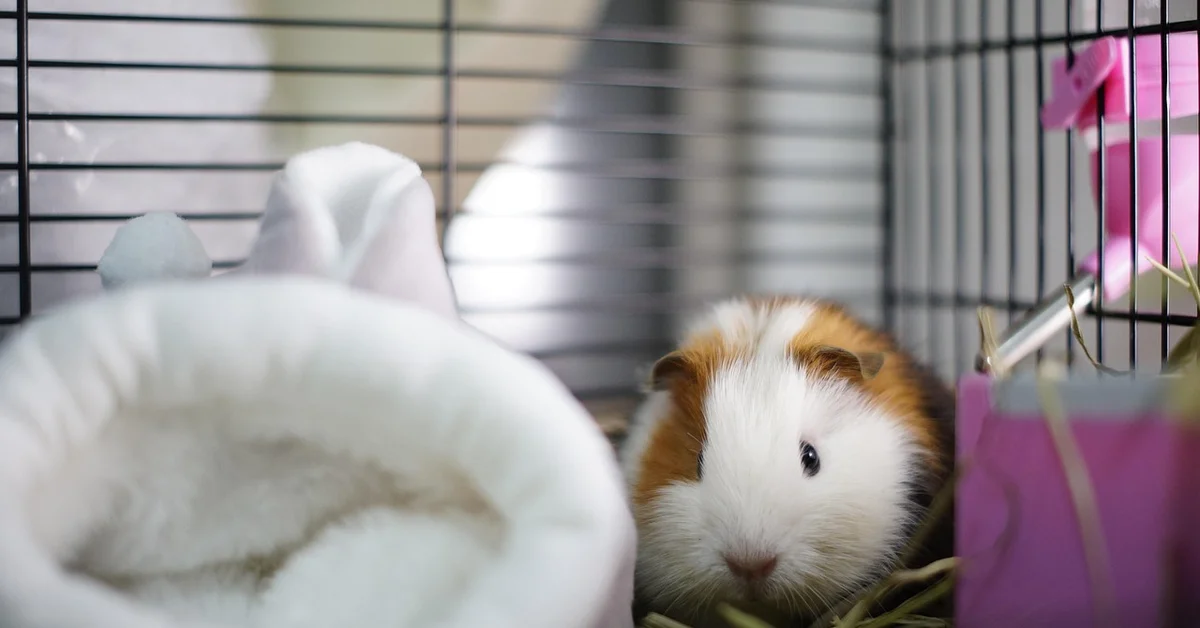
Think of your mouse cage as a tiny home that needs regular safety audits to keep your clever escape artist contained. A thorough inspection every week can catch potential problems before your mouse exploits them. Use this checklist to examine each area methodically, just like I do with my own mice’s habitat. This checklist is part of the Ultimate Guide to Mouse Cages, which walks you through cage selection, setup, and escape-proofing. Use it alongside the guide to ensure your mouse’s home meets the highest safety and comfort standards.
- Bar spacing: Measure gaps with a ruler to confirm they are no wider than 1/4 inch-anything larger invites a squeeze-through.
- Door latches: Test each latch by gently tugging; if it wobbles or opens easily, it needs reinforcement.
- Lid security: Press down on lids to check for flexing; a secure lid should not budge under light pressure.
- Wire connections: Look for loose welds or twisted joints where wires meet; these can widen over time.
- Plastic weak points: Inspect corners and seams for chew marks or stress cracks that could become escape routes.
- Ventilation holes: Ensure holes are small enough to prevent head-first entry-mice are masters of contortion.
- Food door vulnerabilities: Verify that small access doors close flush and lock tightly; they are often overlooked.
Reinforced locks and clips can transform a shaky cage into a fortress. Adding simple hardware like carabiner clips to weak spots makes a huge difference in security.
Securing Doors, Lids, and Access Points
Doors and lids are the most common escape routes because they are designed to open. You can upgrade these areas with affordable locks that mice cannot outsmart. I’ve tried various methods with my mice, and some work better than others.
- Carabiner clips: Clip these through latch holes or bar gaps to create a secondary lock that requires human hands to open.
- Binder clips: Use large binder clips to pinch doors shut along the edges; they are strong and easy to reposition.
- Cage-specific latches: Install aftermarket latches that screw or clamp onto existing doors for a custom fit.
Test your reinforcements by applying gentle pressure from the inside-if anything gives way, rethink your approach. Magnetic closures and simple lift-up lids often fail because they rely on gravity or weak magnets. Replace them with mechanical locks for peace of mind.
Choosing Escape-Proof Cage Materials
Not all cages are created equal when it comes to containing determined mice. Selecting the right material can prevent escapes before they even become a possibility. From my experience, each type has pros and cons for mouse-proofing.
- Wire cages: Ideal if bar spacing is tight, but avoid models with plastic bases that mice can gnaw through.
- Glass tanks: Excellent for visibility and chew-resistance, but require secure mesh lids for ventilation.
- Plastic bin conversions: Budget-friendly and customizable, but use thick, non-chewable plastic and reinforce lid attachments.
Chewable plastic and wide bar spacing are the top reasons cages fail. Look for one-piece construction and reinforced corners to minimize weak spots. Glass and metal tend to last longer and resist damage from curious nibblers.
DIY Modifications That Actually Work
If your current cage isn’t perfect, a few DIY tweaks can make it secure. Regular modifications and inspections become part of a routine that keeps your mice safe. I’ve customized cages for my trio, and these fixes hold up well. This is part of the “Bin Cages: Mice — Ultimate DIY Guide,” which walks through step‑by‑step upgrades for safety and comfort. Whether you’re converting a storage bin or tweaking a store‑bought cage, these tips will help.
- Mesh overlays for wide bars: Attach hardware cloth with zip ties to cover gaps too large for safety.
- Securing loose panels: Use aquarium-safe silicone or metal brackets to fix wobbly sections in place.
- Adding weight to lids: Place heavy books or small weights on lids to deter lifting-especially for plastic bins.
- Creating secure play area attachments: Build tunnels or connectors that lock firmly to the cage to prevent mid-play escapes.
Inspect these modifications weekly to ensure they haven’t loosened or worn down. A consistent check-up schedule helps you catch issues before your mouse does. However, many small problems are spotted best through daily routines. Use a short daily mouse care checklist — here are 5 tips to make those checks quick and effective.
Creating a Mouse Escape Prevention Plan
A secure cage is just one part of keeping your mouse safe; a full prevention plan blends physical barriers with smart habits. Combining daily routines with environmental controls reduces the urge to escape. This approach has worked wonders for managing my mice’s curiosity. An elaborate, safe out-of-cage playground lets them explore and burn off energy under supervision, which further lowers escape attempts. Thoughtfully designed tunnels, platforms and secure exits provide enrichment without compromising safety.
- Daily supervision: Keep eyes on your mouse during all out-of-cage activities to intercept escape attempts quickly.
- Safe play areas: Designate enclosed spaces like playpens or mouse-proofed rooms for exercise and exploration.
- Perimeter fencing: Adapt baby gates with fine mesh or solid panels to block off unsafe zones in your home.
- Consistent routines: Stick to regular handling and enrichment times to build trust and predictability.
This strategy addresses both the cage and the world outside it. Your mouse will feel less inclined to bolt if their environment is engaging and secure. Place the cage in a quiet, well-lit spot away from drafts, direct sunlight, and loud appliances. Avoid busy doorways and constant foot traffic so your mouse feels safe and relaxed.
Daily Supervision and Handling Protocols
How you interact with your mouse daily can prevent most escapes. Establish clear handling rules that everyone in your household follows to avoid mix-ups. With multiple caregivers, communication is key-I always leave notes for my family about the mice’s routines.
- Proper hand positions: Cup your hands gently around your mouse to support their body and prevent jumping.
- Using closed containers for transport: Move mice in lidded carriers rather than open hands to avoid drops or dashes.
- Never leaving mice unattended: Stay in the room during playtime; even a quick bathroom break can lead to an escape.
- Caregiver communication: Use a shared log or app to track feeding, handling, and any unusual behavior.
These protocols create a safety net around your mouse. Consistent supervision ensures you can react instantly if your mouse tests boundaries.
Building Safe Enrichment That Reduces Escape Motivation
Mice often try to escape because they are bored or understimulated. Providing plenty of enrichment inside the cage satisfies their natural instincts and keeps them content. I’ve seen my mouse Jeffery become much calmer with puzzle feeders that challenge his mind.
- Foraging toys: Hide treats in paper rolls or commercial foraging balls to encourage natural hunting behaviors.
- Tunnels and tubes: Connect safe, chew-proof tunnels for burrowing and exploration without escape risks.
- Climbing structures: Add ropes, ladders, and platforms made from mouse-safe materials for physical activity.
- Puzzle feeders: Use interactive toys that require problem-solving to access food, reducing idle time.
Positive reinforcement rewards your mouse for engaging with cage activities. When their home is full of fun, the outside world loses its appeal.
What to Do When Your Mouse Escapes: Emergency Response
Even with the best precautions, escapes can happen-staying calm and acting quickly is crucial. Immediate steps can contain the situation and bring your mouse home safely. I’ve had a scare or two with Kenny, and a prepared response makes all the difference.
- Secure other pets: Move cats, dogs, or other animals to a separate room to prevent accidents.
- Close doors: Shut all interior doors to limit the escape area; consider using door alarms for added alertness.
- Block escape routes: Stuff towels under doors and cover vents to keep your mouse from hiding in walls.
- Set up containment zones: Place familiar bedding, food, and water in corners to lure your mouse out.
- Use humane traps: Set up live-catch traps baited with strong-smelling foods like peanut butter or cheese.
- Search patterns: Check dark, warm spots first-under furniture, in closets, and behind appliances.
Adopt an emergency mindset by keeping a recovery kit handy. If you live on a ground floor, inform neighbors to watch for any signs of your mouse outdoors. House mice are surprisingly resilient and can survive outside by sheltering in nooks like foundations, woodpiles, or garages. Alert neighbors can help spot and safely recover any mouse that wanders out.
Setting Up an Effective Recovery Station
A recovery station uses your mouse’s habits and senses to guide them back. Creating a trap area that feels safe and familiar increases the chances of a quick return. I’ve found that scent trails work well for luring mice like Gregory, who prefer routine.
- Use the original cage or a bucket trap: Place the cage on the floor with the door open, or set a bucket with ramps and bait inside.
- Scent trails: Rub a cloth on cage bedding and lay it leading to the trap-mice follow familiar smells home.
- Food lures: Offer high-value treats like sunflower seeds or aged cheese to entice investigation.
- Monitoring techniques: Check the station every few hours; use a baby monitor or camera to watch for activity.
Frame this strategy around your mouse’s unique personality. Observing their behavioral patterns helps you predict where they might go and how to coax them back. Mice do exhibit individual personalities—some are bold and curious while others are shy and cautious. Noting these differences lets you tailor your approach to each animal.
Training and Behavior Modification for Persistent Escapers
When your mouse repeatedly tries to break free, it can feel like a personal challenge, but this behavior often stems from unmet needs or stress. Positive reinforcement works wonders for teaching your mouse that the cage is a safe, rewarding place to be. Start by offering a favorite treat, like a tiny piece of aged cheese for my older mouse Gregory, whenever they voluntarily return to their enclosure after supervised playtime. Don’t forget to handle your mouse gently to build trust.
- Use high-value rewards consistently to build a strong association between the cage and positive experiences.
- Keep training sessions short-just a few minutes daily-to maintain their attention and prevent frustration.
- Avoid punishing escape attempts, as this can increase anxiety and worsen the behavior.
Establishing a predictable daily routine can significantly lower your mouse’s stress levels. Mice thrive on consistency, so feeding, play, and cleaning at the same times each day helps them feel secure. Sudden changes in noise or household activity can trigger escape attempts; for instance, my young mouse Jeffery gets jumpy when he hears unfamiliar sounds, so I use soft background music to mask disruptions.
- Observe your mouse closely to identify specific triggers like loud appliances or new people.
- Gradually acclimate them to minor changes by introducing new elements slowly over several days.
- Note if escape behaviors spike during certain times, which might point to environmental stressors.
It’s vital to discern whether escapism is a personality quirk or a sign of inadequate housing. Bold, curious mice like Kenny may test boundaries out of natural curiosity, while persistent attempts could mean the cage lacks space or stimulation. If adding more hides, tunnels, and climbing opportunities doesn’t reduce escapes, the issue might be inherent to their adventurous spirit rather than the setup itself.
Long-Term Containment Strategies and Safety Equipment

Keeping your mouse secure is an ongoing process that adapts as they grow and your home evolves. Set a weekly inspection routine to check for loose bars, chewed edges, or weakened latches that could become escape routes. I make it a habit every Sunday to examine my mice’s cage thoroughly, paying extra attention to areas where they frequently gnaw or push.
- Create a checklist for inspections: test all doors, inspect mesh for gaps, and ensure water bottles are secure.
- Upgrade cages as mice age-older mice might need easier access to food and water, while youngsters require sturdier barriers.
- Rotate toys and enrichment items weekly to prevent boredom, which can drive escape behavior.
Safety equipment like clips and locks can wear down over time, so monitor them regularly. Even the most reliable latches can loosen with daily use, so replace them at the first sign of weakness to avoid surprises. In my home, I’ve noticed that after a year, the clips on Gregory’s cage needed tightening to handle his steady, deliberate movements.
- Keep spare parts on hand for quick repairs, such as extra clips or chew-proof fasteners.
- Adjust containment when household changes occur, like introducing a new pet or moving to a different room.
- Consider adding secondary barriers, such as a playpen around the cage, for added security during transitions.
When to Seek Professional Help
Sometimes, escape behavior signals deeper issues that require expert intervention. Consult a veterinarian if your mouse shows obsessive circling, barbering fur from stress, or injuring itself during escape attempts. Sudden personality shifts, like a normally calm mouse becoming agitated, can indicate underlying health problems that need prompt attention.
- Watch for physical signs: weight loss, lethargy, or wounds from repeated squeezing through small openings.
- Document behaviors to share with your vet, noting frequency and triggers for a clearer diagnosis.
- Reach out to experienced mouse rescues if your housing setup consistently fails; they can offer tailored advice or rehoming options.
Recognizing when your current enclosure is fundamentally inadequate is a responsible step for your mouse’s well-being. If escapes persist despite all adjustments, it might be time to invest in a more suitable habitat that meets their size and activity needs. I’ve learned that for high-energy mice, a multi-level cage with ample vertical space can satisfy their climbing instincts and reduce the urge to wander.
Frequently Asked Questions
What is mouse escape prevention?
Mouse escape prevention is a comprehensive approach focused on keeping your pet mouse safely contained by addressing their natural instincts and environmental needs. It involves combining secure housing, mental stimulation, and consistent routines to reduce the motivation to escape, ensuring their habitat is both engaging and safe.
How do I create a mouse escape prevention plan?
Start by assessing your mouse’s cage for weaknesses and establishing daily habits like supervised play and enrichment rotations. Incorporate elements such as secure play areas, regular handling protocols, and emergency preparedness to build a holistic strategy that adapts to your mouse’s behavior and prevents escapes over time.
What are mouse escape prevention tips?
Key tips include using reliable locks on cage doors, providing foraging toys and climbing structures to combat boredom, and always supervising out-of-cage activities. Additionally, perform weekly inspections for wear and tear, and use positive reinforcement to encourage your mouse to view their enclosure as a rewarding space.
Your Journey to a Secure Habitat
Remember, a mouse’s escape attempts are not a sign of failure on your part, but a testament to their brilliant, curious nature. You are not trying to break their spirit, but to channel it safely into a space where they can thrive without risk.
With patient observation, thoughtful enrichment, and consistent maintenance of their home, you will build a secure environment where your mouse’s adventurous heart can feel both free and protected. This journey strengthens the unique bond you share, turning potential frustration into a rewarding part of your caregiving experience.
Further Reading & Sources
- My daughter’s pet mouse has escaped in the house. How do I capture it without hurting it? – Quora
- rodents – How can I prevent my mouse from escaping the cage? – Pets Stack Exchange
- AFRMA – Kids Q & A – Escaping Mice
Isabella is a passionate small pet enthusiast with over 8 years of experience in caring for mice. She loves sharing practical tips and heartfelt stories to help fellow mouse owners provide the best care for their tiny companions.
Escape Prevention