
The True Cost of Owning a Pet Mouse: Initial Setup vs. Ongoing Expenses
Are you thinking about welcoming a pet mouse into your life but feeling unsure about the full financial picture? It’s easy to focus on the cute face and tiny size without realizing that proper care involves both upfront investments and regular, recurring costs.
This guide will give you a clear, honest breakdown so you can plan your budget with confidence. We’ll explore the essential one-time purchases for a safe and stimulating habitat, the predictable monthly expenses for food and bedding, and smart ways to prepare for unexpected vet visits.
Understanding the Full Financial Picture of Mouse Ownership
Many new owners focus only on the cute mouse in the pet store, but the real expense unfolds over time. Planning for both initial and recurring costs prevents surprises and ensures your mice thrive without financial strain. I’ve seen friends struggle when they didn’t budget for replacements or vet visits, so let’s break it down clearly.
Mice live around 1-2 years, and their needs change as they age. Regular purchases like bedding and food add up, but investing wisely upfront saves money later. For my trio, Kenny, Gregory, and Jeffery, I learned that skipping cheap accessories led to more spending on fixes. A mouse quality of life framework helps prioritize care and spending at each life stage. Applying it guided me to choose durable items and preventive care that kept them healthier.
What You’ll Pay Upfront: Initial Setup Costs for Pet Mice
Setting up a proper home requires a one-time investment that varies based on quality and choices. Buying durable items initially reduces replacements and keeps your mice safe and content. I recall spending a bit more on a sturdy cage, and it’s lasted through all my mice’s antics.
Adoption Fees vs. Purchase Price: What Mice Actually Cost
Where you get your mice impacts your wallet and their health. Adoption fees from shelters often include health checks and support, making them a value-packed choice. Shelters might charge $5 to $20 per mouse, while pet stores or breeders range from $10 to $30. Adopting can reduce initial veterinary expenses because shelter mice are often screened or treated before rehoming. Still, be prepared for ongoing veterinary costs—routine exams and treatments for illness can add up depending on the clinic and care needed.
- Adoption benefits: Lower cost, often includes initial vet care, and helps rescued animals.
- Purchase considerations: Higher price, but you might select specific breeds or ages; always check for health guarantees.
Mice are social, so plan for at least two or three. I adopted Jeffrey from a rescue, and his cheerful nature made the modest fee worthwhile.
The Mouse Cage Price: Finding the Right Enclosure
A good cage is your biggest initial expense and crucial for your mice’s well-being. Choose an enclosure with ample space and security to prevent escapes and stress. Basic options start around $30, but larger, multi-level cages can reach $100 or more. Beware myths that tiny cages are acceptable—”minimum” sizes are often too small and can lead to stress and health problems. Always prioritize generous usable floor space rather than relying on advertised minimums or vertical levels alone.
- Wire cages: Allow climbing and ventilation; prices from $40 to $80.
- Glass tanks: Easy to clean and observe; cost $50 to $100 for a 20-gallon size.
- DIY bin cages: Budget-friendly at $20 to $40, but require modifications for airflow.
For Kenny’s adventurous climbs, I use a wire cage with tight bar spacing. Investing in a spacious home upfront avoids costly upgrades and keeps mice like Gregory calm and settled.
Essential Enclosure Accessories and Small Animal Supplies
Accessories turn a bare cage into a stimulating environment. Prioritize items that encourage natural behaviors like hiding, climbing, and nesting. You’ll need a mix of basics and enrichment tools.
- Exercise wheel: Silent spinners cost $15 to $30; avoid wire wheels to prevent injuries.
- Hiding spots: Small huts or tunnels range from $5 to $15 each.
- Water bottle and food dish: Durable options are $5 to $10 apiece.
- Climbing structures: Ladders or ropes add $10 to $20 to your total.
Jeffery loves his cozy hideout, which I found for under $10. Spreading out accessory purchases over time can ease the initial financial load.
Heating and Lighting Considerations for Mouse Habitats
Mice prefer stable, room-temperature environments, so special heating or lighting is often unnecessary. Focus on maintaining a consistent 65-75°F range to avoid health issues. If your home gets cold, a small heat pad designed for small animals costs $15 to $25.
- Lighting: Natural indirect light is sufficient; no extra cost if placed away from drafts and sun.
- Heating alternatives: Use insulated bedding or relocate the cage instead of buying equipment.
In my experience, Gregory’s older age means I monitor temperature closely. Simple adjustments like moving the cage to a warmer spot can save you from unneeded gadgets.
Initial Stock of Food, Bedding, and Chew Toys
Your first supply run covers essentials that keep your mice healthy and entertained. High-quality food and bedding prevent digestive problems and reduce vet visits. Budget around $20 to $40 for a starter kit of these items.
- Food: A bag of mouse pellets or seed mix costs $5 to $15; include fresh veggies for variety.
- Bedding: Paper-based or aspen shavings are $10 to $20 per bag; avoid cedar or pine due to toxins.
- Chew toys: Wood blocks or cardboard tubes are $5 to $10; they help maintain dental health.
Kenny goes wild for sunflower seeds, so I stock those in bulk. Buying in larger quantities initially often offers better value and fewer store trips.
Monthly Ongoing Expenses: What You’ll Pay Regularly

Food Cost: Pellets, Seeds, and Fresh Supplements
A high-quality lab block or pellet should form the foundation of your mice’s diet, costing around $10-$15 for a bag that lasts my trio about two months. This consistent base diet prevents them from selectively eating only the tasty, fatty seeds, which is a common mistake that leads to an unbalanced diet. I supplement this daily with a small, measured seed mix-think of it as their cereal-which costs roughly $5-$8 per bag.
Fresh foods are where you can get creative and keep costs minimal. My mice adore tiny bits of broccoli, apple, and cooked plain pasta. Providing these fresh supplements a few times a week not only boosts their nutrition but also provides crucial mental stimulation as they explore new textures and tastes. A single broccoli floret shared between them is a week’s worth of greens, making the cost negligible from your own grocery shop.
Bedding Cost and Substrate Replacement Schedule
Your choice of bedding impacts both your wallet and your mice’s respiratory health. I strongly recommend unscented paper-based or aspen wood bedding, avoiding pine and cedar which can cause serious health issues. Low-dust, unscented options reduce airborne irritants and ammonia buildup, helping prevent respiratory problems. Regularly changing bedding also keeps cages dry and lowers risk. A large bag of safe, absorbent paper bedding typically costs between $20-$30 and will last for several full cage cleanings.
Your cleaning schedule directly affects your bedding consumption and your mice’s wellbeing.
- Spot Cleaning: Every single day, I quickly remove any visibly soiled bedding and waste. This extends the life of your main bedding considerably.
- Partial Change: Once a week, I replace about one-third to one-half of the bedding, focusing on the areas where they sleep and eat.
- Full Clean: A complete substrate replacement happens every two to three weeks for my group. A full clean more often than this can stress them out by removing their familiar scent.
Mouse Toys and Enrichment: Keeping Them Happy
Mice are intelligent and curious, and a bored mouse is an unhappy mouse. Enrichment isn’t a luxury; it’s a fundamental part of ethical mouse care that prevents stress-related behaviors and stimulates their mental health. The good news is that effective toys don’t have to be expensive.
I like to rotate their toys to keep their environment novel and exciting.
- Foraging Toys: Toilet paper tubes stuffed with hay or crinkled paper encourage natural foraging behavior. My mouse Jeffery spends ages carefully unpicking his.
- Climbing Structures: Bird ladders, ropes, and branches (thoroughly cleaned and baked) provide excellent vertical space. Kenny, my most adventurous, is always the first to scale any new addition.
- Chew Toys: Whimzees dog chews (the small alligator shape is perfect) or simple, un-dyed wooden blocks are vital for keeping their constantly growing teeth worn down.
You might spend $10-$20 a month initially to build a collection, but costs drop significantly once you have a base set to rotate.
Cleaning Supplies for Mouse Care
Proper hygiene is non-negotiable for preventing illness. Using a pet-safe disinfectant is critical, as standard household cleaners can leave behind fumes that are toxic to a mouse’s delicate respiratory system. I use a vinegar-and-water solution for daily wipes and a commercial small-pet cage cleaner for the weekly deep clean. Below are some of the best pet-safe disinfectants for cages. I’ll note why each option works well for small animals and what to look for when choosing one.
Your cleaning kit should be simple and dedicated solely to your mice’s habitat.
- Pet-safe disinfectant spray ($8-$12, lasts months)
- A set of sponges or cloths reserved for cage cleaning
- A small dustpan and brush for spot-cleaning bedding
- A dedicated trash bag for soiled bedding
Veterinary Care Costs: Routine and Emergency
Annual Checkups and Preventative Care
Just like a cat or dog, your mice benefit from a yearly wellness exam. An annual checkup, which typically costs $50-$80, allows an exotic-savvy vet to establish a baseline of health for your pet and catch subtle early signs of illness. Mice are masters at hiding weakness, so a professional’s trained eye is invaluable. During these visits, my vet listens to their heart and lungs and checks their weight, teeth, and skin condition.
Common Health Issues and Treatment Costs
Despite your best care, mice can be prone to certain ailments. Being financially prepared for these possibilities is part of responsible ownership.
- Respiratory Infections: Symptoms include sneezing, wheezing, and lethargy. A vet visit plus a course of antibiotics can cost $100-$200.
- Mites or Other Parasites: Signs are excessive scratching and flaky skin. Treatment usually involves a topical medication prescribed by a vet, costing around $60-$120.
- Tumors: Unfortunately common in older mice. Consultation and diagnosis can be $80-$150, with surgical removal costing $200-$400 or more, depending on complexity.
Early intervention is almost always less expensive and has a better outcome than waiting until an illness becomes advanced.
Emergency Vet Bills: Budgeting for the Unexpected
An emergency visit for a mouse-perhaps for a sudden injury or a severe illness that appears overnight-can be a significant financial shock. I cannot overstate the importance of having a dedicated “mouse emergency fund” of at least $300-$500, as emergency exams, diagnostics, and critical care can easily reach this amount. Start setting aside a small amount each month when you first bring your mice home. This proactive step means you can make medical decisions based on your pet’s needs, not your bank account balance.
Neutering and Spaying Considerations
For most pet mouse owners, surgical procedures are not a standard part of care. Neutering male mice is a complex and high-risk surgery that is generally only recommended for specific medical reasons by an extremely experienced exotics surgeon. Spaying females can help prevent mammary tumors later in life, but it is also a delicate procedure. The cost for either can range from $300 to over $600. For the average owner, the best practice is to house mice in single-sex groups to prevent breeding, completely avoiding the need for these surgeries and their associated costs and risks.
Total Lifespan Expenses: What You’ll Spend Over 1.5 to 3 Years
Cost Comparison: One Mouse vs. Multiple Mice
Owning one mouse might seem simpler, but adding companions changes the financial picture in surprising ways. Initial setup costs like a spacious cage or wheel are often one-time investments, while recurring expenses like food and bedding multiply with each new mouse. For example, a single bag of high-quality lab blocks might last one mouse months, but with my trio-Kenny, Gregory, and Jeffery-I go through supplies much faster.
- Food and bedding costs increase roughly in proportion to the number of mice.
- Veterinary care for multiple mice can be more complex and costly if illnesses spread.
- Toys and enrichment items often serve a group, making per-mouse costs lower.
I’ve found that while the upfront cost for multiple mice is higher, the joy and social benefits for the mice often outweigh the extra dollars. Mice are social creatures, and housing them alone can lead to stress-related health issues that drive up long-term expenses.
Hidden or Unexpected Costs New Owners Overlook
Many new owners budget for the basics but forget about the sneaky expenses that pop up over a mouse’s lifetime. Emergency vet visits for respiratory infections or injuries are common and can cost $50 to $200 per incident, especially when you need to safely transport a sick mouse to the vet. Mice are masters of escape and destruction, so you might need to replace chewed-up water bottles, gnawed cage accessories, or even entire habitats.
- Replacement costs for worn-out wheels, hides, or bedding due to frequent cleaning.
- Seasonal expenses like safe heating pads in winter or cooling tiles in summer.
- Specialized diets or supplements if a mouse develops health issues like dental problems.
From my experience, Jeffrey’s nervous chewing habit once led to a broken water dispenser, reminding me to always have backups on hand. Setting aside a small monthly fund for mouse care can soften the blow of these unexpected costs.
Smart Ways to Reduce Pet Mouse Costs Without Cutting Corners
DIY Enrichment and Homemade Mouse Toys
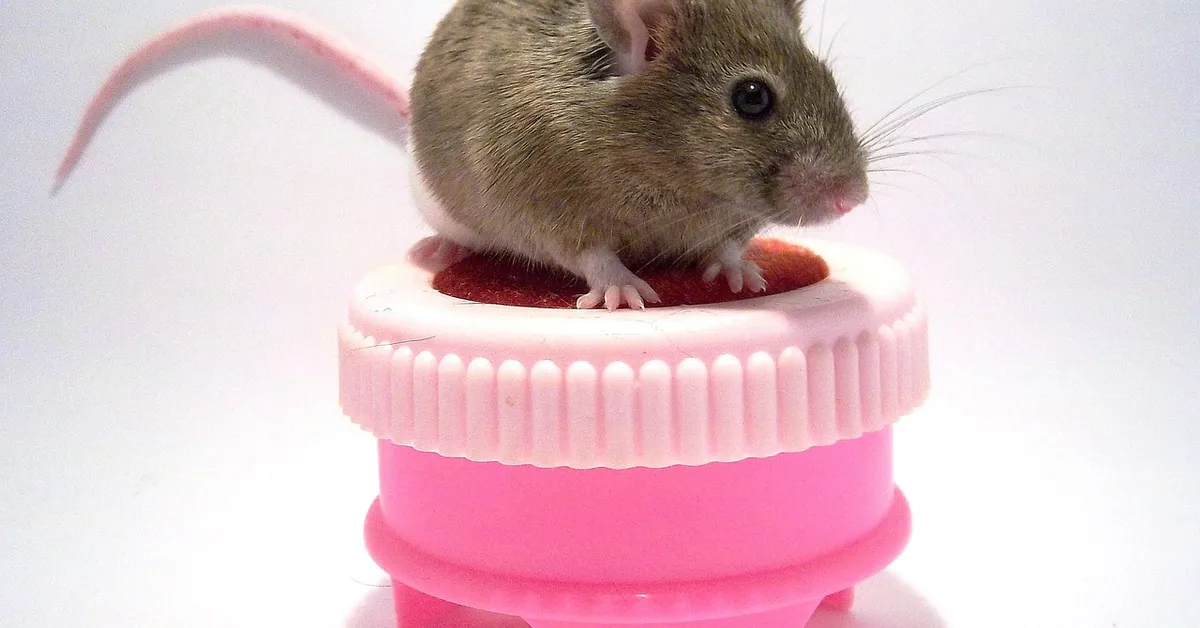
You don’t need expensive store-bought toys to keep your mice happy and engaged. Simple household items like cardboard tubes, untreated wood blocks, and paper egg cartons can be transformed into safe, stimulating playthings. I often cut holes in small boxes for Kenny to explore, and he adores them as much as any pricey tunnel. They’re perfect for DIY foraging toys — you can even build a “10 puzzles” challenge by hiding treats in a series of compartments and tunnels to keep your mouse mentally and physically stimulated.
- Use empty toilet paper rolls for chew toys or hiding spots.
- Braid strips of old cotton fabric into climbing ropes or hammocks.
- Fill a shallow container with child-safe sand or soil for digging activities.
Gregory, my older mouse, prefers quieter puzzles, so I hide treats in folded paper cups to encourage natural foraging. DIY projects not only save money but also allow you to customize toys to your mouse’s unique personality. Try one of the 10 DIY foraging puzzles that make your mouse think to engage Gregory’s curiosity. These simple challenges turn everyday materials into activities that stimulate natural digging and problem‑solving.
Buying Supplies in Bulk and Choosing Budget-Friendly Options
Smart shopping habits can drastically lower your ongoing mouse care expenses. Purchasing bedding, food, and other essentials in larger quantities often reduces the cost per use, especially if you have multiple mice. Look for sales at pet stores or online retailers, and consider store-brand alternatives that meet the same safety standards as premium products.
- Buy lab block pellets in bulk bags to ensure a consistent, nutritious diet.
- Choose paper-based bedding over pricier aspen or hemp if it’s dust-free and absorbent.
- Split larger purchases with other mouse owners to save on shipping and storage.
I’ve learned that investing in a quality, escape-proof cage upfront avoids the cost of frequent replacements. Prioritizing durability over flashy features keeps your mice safe and your wallet happy. This ultimate guide to mouse cages will walk you through the most important features to look for. You’ll learn about materials, bar spacing, ventilation, and secure latches so you can choose the best long-lasting home for your pets.
Preventative Care to Avoid Expensive Vet Bills
Proactive health measures are your best defense against costly medical emergencies. Regularly monitoring your mouse’s weight, behavior, and breathing can catch issues early, when treatment is simpler and cheaper. A clean habitat, balanced diet, and low-stress environment go a long way in preventing common problems like mites or respiratory infections.
- Clean the cage weekly with vinegar-based solutions to control bacteria without harsh chemicals.
- Provide a varied diet with fresh veggies and limited seeds to avoid obesity and deficiencies.
- Handle your mice gently to reduce injury risks and build trust for easier health checks.
With Jeffrey’s anxious nature, I make sure his space is calm and predictable to minimize stress-related illnesses. Routine care might feel like extra work, but it pays off by keeping your mice healthier and vet visits rare.
Frequently Asked Questions
What is the average price of a pet mouse in India?
In India, the cost of a pet mouse typically ranges from ₹200 to ₹800 per mouse when purchased from pet stores or breeders, depending on factors like location and breed. Adoption from animal shelters or rescues can be more affordable, often costing ₹100 to ₹300, and may include initial health checks or vaccinations to ensure the mouse’s well-being.
Prices can vary based on the mouse’s age, color, and breed rarity, with fancy or specialty breeds commanding higher prices. It’s important to research local sources and prioritize reputable sellers to avoid health issues that could lead to additional expenses down the line.
How much does a pet mouse cost at Petco?
At Petco, pet mice are generally priced between $10 and $30 per mouse, with variations based on factors like breed, age, and store location. This cost often includes a basic health assessment, but it’s essential to note that this is just the starting point, as you’ll need to budget for a proper habitat, food, and other supplies separately.
Petco may occasionally offer promotions or bundle deals, so checking their website or in-store displays can help you find a better price. Remember that mice thrive in groups, so consider the cost of multiple mice if you’re planning to provide a socially enriched environment.
What factors influence the price of a pet mouse?
The price of a pet mouse can be affected by elements such as breed, color, age, and source, with rare or specially bred mice often costing more than common varieties. For example, unique color patterns or breeds from reputable breeders may command higher prices due to selective breeding practices and demand.
Additionally, the source plays a role-mice from pet stores or breeders might be priced higher than those from shelters, which often offer lower adoption fees. Always factor in the mouse’s health and any included services, as these can impact the overall value and long-term costs of ownership.
Final Thoughts
While the initial setup for your mouse requires a focused investment, the ongoing monthly costs are surprisingly gentle on your wallet. Viewing that first purchase as building a secure, enriching foundation makes the expense feel worthwhile and sets your pet up for a happy, healthy life.
The true joy comes from the daily, affordable care that builds a unique bond with your small companion. With smart planning, you can provide a wonderful life for your mouse without financial strain, leaving you free to simply enjoy their charming company.
Further Reading & Sources
- r/PetMice on Reddit: How expensive are pet mice?
- Mice Prices in 2024: Purchase Cost, Supplies, Food, and More! – A-Z Animals
- How Much Does a Pet Mouse Cost? 2025 Price Guide | PangoVet
Isabella is a passionate small pet enthusiast with over 8 years of experience in caring for mice. She loves sharing practical tips and heartfelt stories to help fellow mouse owners provide the best care for their tiny companions.
Cage Reviews