
The Unstoppable Cultural Impact of Mickey Mouse
Have you ever wondered how a cheerful cartoon mouse became a beloved symbol across the globe, touching everything from movies to merchandise?
This guide will walk you through Mickey’s incredible journey from animated shorts to a cultural force, offering clear insights into his lasting influence. We will trace his evolution in entertainment, examine his role in shaping global media, and uncover why he remains a timeless icon in our modern world.
The Character That Made Mice Lovable
From Vermin to Family Friend
Before a certain cartoon mouse whistled his way onto the silver screen, the very word “mouse” often conjured images of pests and plague. Mickey Mouse didn’t just create a cartoon; he engineered a seismic shift in public perception. He single-handedly transformed the global narrative around mice from one of fear and disgust to one of charm and endearment. His large, expressive eyes and cheerful demeanor gave rodents a friendly face for the first time in human history.
This cultural rehabilitation was profound. Suddenly, mice weren’t just creatures to be trapped; they were characters to be adored. I’ve seen this legacy firsthand with my own mice. When people meet my trio, they don’t recoil. They smile and remark on their cleverness, a direct echo of that animated charm. Mickey’s universal appeal laid the emotional groundwork for welcoming real mice into our homes as companions. He made the idea of a mouse as a pet not just acceptable, but desirable, unlike fancy mice with their own lineage and status.
The Mickey Mouse Effect on Pet Mouse Ownership
When Cartoon Expectations Meet Real Mouse Behavior
The influence of a nearly century-old cartoon is a powerful, double-edged sword for today’s pet owner. Many prospective owners arrive with a set of expectations shaped entirely by animation, which can lead to a jarring but beautiful reality check. Understanding this gap is the first step to becoming a fantastic mouse guardian.
Real mice are complex, living beings, not two-dimensional characters. Here’s how the cartoon fantasy often compares to the wonderful reality of life with creatures like Kenny, Gregory, and Jeffery:
- Cartoon Expectation: Mice walk upright and wear clothes.
- Mouse Reality: Your mouse is a graceful quadruped with a gorgeous, natural coat that needs no accessories. Watching Jeffrey’s pure white fur ripple as he explores is more captivating than any pair of cartoon shorts.
- Cartoon Expectation: Mice speak in clear, human language.
- Mouse Reality: Mice communicate through a rich, subtle language of their own. It’s the soft, happy bruxing (tooth grinding) from Gregory when he’s content, or Kenny’s excited, high-pitched squeaks when he discovers a new tunnel. Learning to understand their non-verbal cues is one of the most rewarding parts of ownership.
- Cartoon Expectation: Mice love cheese above all else.
- Mouse Reality: While an occasional tiny bit of aged cheddar is a rare treat for my elder statesman Gregory, a mouse’s diet should be primarily a high-quality lab block, supplemented with fresh veggies, grains, and a few seeds. Their real dietary needs are far more nuanced.
The most significant difference is in their social structure. Unlike the solitary cartoon hero, pet mice are intensely social creatures who thrive in small, harmonious groups. The dynamic between bold Kenny, patient Gregory, and anxious little Jeffery is a constant, living drama of friendship and hierarchy. They sleep in a pile, groom each other, and provide essential companionship. Keeping a single mouse is, in my experience, a disservice to their very nature.
Embracing these realities doesn’t diminish the magic; it enhances it. The true joy comes from appreciating mice for what they are: intelligent, clean, and deeply social animals with distinct personalities. The cultural door was opened by a cartoon, but the rich, fulfilling relationship you build is with a real, breathing companion.
How Disney’s Branding Shaped the Pet Mouse Market
Mickey-Inspired Names and Personalization
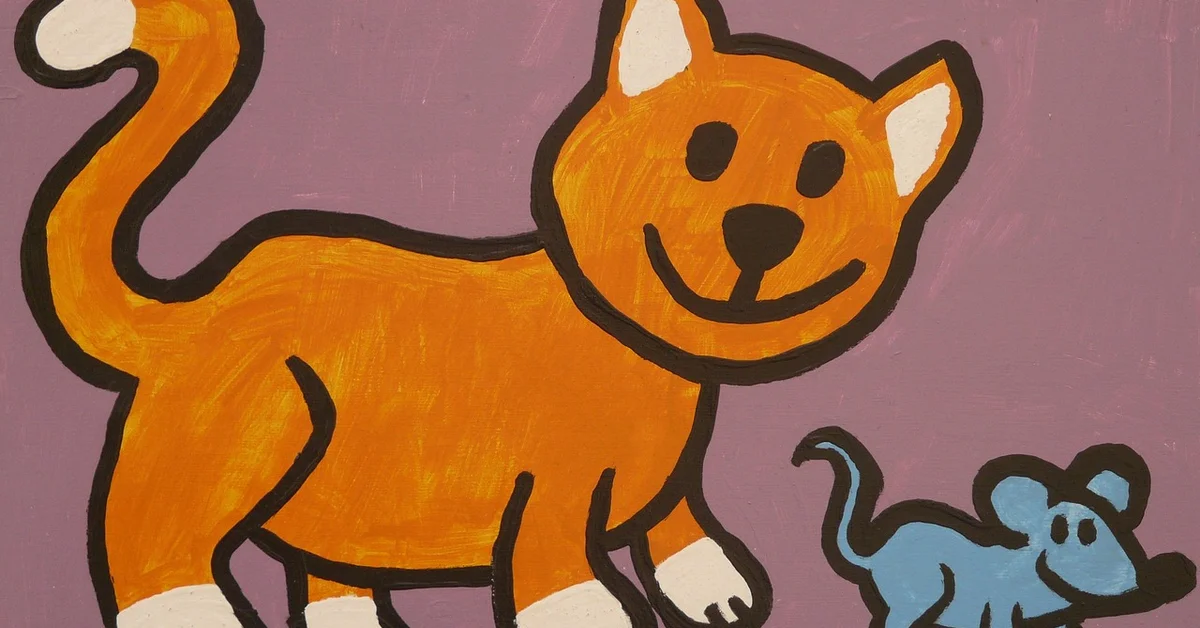
Disney’s charming depiction of Mickey Mouse has subtly influenced how many people approach pet mouse ownership, starting with the names we choose. Naming your mouse after beloved characters like Mickey or Minnie can create an instant emotional connection, making daily care feel more personal and joyful. I’ve noticed in my own experience that mice with fun, themed names often receive extra attention and creative setups from their owners.
Popular Mickey-inspired names include variations like Mick, Minnie, or even Pluto for a more playful twist. Personalizing your mouse’s environment with simple, safe touches-like red and black bedding or tiny themed hides-can turn routine care into a delightful ritual. When I set up a mini “clubhouse” for my mice, Kenny’s bold explorations reminded me how a little imagination enriches their world. Picking a name that matches their personality or the theme of their habitat makes the whole setup feel more meaningful. Here are some of the best creative pet mice name ideas to inspire you.
- Common name choices: Mickey, Minnie, Goofy, Daisy
- DIY personalization: Use non-toxic paints for custom name tags or create themed obstacle courses
- Benefits: Strengthens owner-pet bond and encourages consistent interaction
What Mickey Mouse Teaches Us About Mouse Care
Enrichment Ideas Inspired by Mickey’s Adventures
Mickey’s endless curiosity and problem-solving in cartoons offer fantastic inspiration for keeping pet mice engaged and active. Designing enrichment activities that mimic Mickey’s escapades — like treasure hunts or maze challenges — prevents boredom and supports natural behaviors. In my home, I’ve crafted simple adventures using cardboard tubes and hidden treats, and Jeffery’s cheerful reactions show how much mice enjoy these surprises. I even put together a DIY Foraging Toys: 10 Puzzles Challenge for mice — ten easy homemade puzzles that encourage exploration and problem-solving. These simple projects are perfect for recreating Mickey-style adventures at home.
Think of your mouse’s habitat as a stage for their own little stories. Rotating toys and introducing new textures or heights weekly keeps their environment fresh and stimulating. For instance, a “Steamboat Willie”-inspired floating platform in their water dish can spark curiosity during playtime.
- Adventure-themed mazes: Use safe materials like untreated wood or paper to build multi-level structures
- Interactive feeders: Hide seeds in puzzle balls to encourage foraging, just like Mickey seeking rewards
- Social play: Incorporate group activities if you have multiple mice, such as synchronized climbing nets
The Social Nature of Mice
Mickey Mouse’s tight-knit friendships with characters like Donald and Goofy beautifully mirror the social needs of real mice. Mice are inherently communal creatures, and housing them alone can lead to loneliness and behavioral issues. Observing my trio-Kenny, Gregory, and Jeffery-I see how they groom each other, share nests, and even “talk” through soft chirps, much like a supportive cartoon squad.
Providing a socially rich environment means ensuring your mice have compatible cage mates and space to interact. Introducing new mice slowly and monitoring their interactions helps build harmonious relationships, reducing stress for everyone involved. Gregory’s calm presence often soothes Jeffery’s nervous energy, showing how social dynamics benefit their well-being.
- Ideal group size: Keep at least two or three mice together for companionship
- Signs of healthy bonds: Mutual grooming, sleeping close, and playful chasing
- Tips for introductions: Use neutral territory and provide multiple hiding spots to ease tensions
Beyond the Magic: Understanding Real Mouse Personalities
Recognizing Your Mouse’s Unique Traits
While Mickey Mouse presents a singular, cheerful persona, the real mice sharing your home are complex individuals with distinct characters. Observing your pets beyond their basic needs reveals a world of intricate social dynamics and personal preferences. I’ve found that dedicating quiet time each day to simply watch my mice interact has been the most rewarding part of ownership. It naturally leads to the question: do mice have individual personalities? Close observation quickly reveals consistent differences in curiosity, boldness, and sociability among them.
Mice communicate volumes through their posture, vocalizations, and daily routines. A mouse that frequently grooms its cage mates is often showing affection and reinforcing social bonds, not just practicing good hygiene. My mouse Gregory, for instance, will often gently groom his more anxious companion, Jeffery, which seems to have a profoundly calming effect. These affiliative behaviors also feed directly into mice’s social and mating lives—individuals that comfort or groom others often gain higher social status and increased mating opportunities. In short, grooming and other social interactions help shape mate choice and reproductive success.
- The Explorer: Constantly investigates new items, climbs eagerly, and often leads the group. These mice need frequent cage rearrangements and novel toys to satisfy their curiosity.
- The Homebody: Prefers familiar corners, establishes clear nesting areas, and may be more hesitant about changes. They appreciate consistent hiding spots and predictable routines.
- The Social Butterfly: Seeks constant physical contact, sleeps in piles, and engages in frequent gentle nibbling and grooming with cage mates.
- The Independent Thinker: Often forages alone, may hoard food in specific spots, and sometimes prefers solo activities even in a group setting.
You will notice that your mice have clear food preferences that go beyond simple hunger. Offering a variety of safe treats lets you discover which foods make each mouse’s whiskers twitch with excitement. Kenny will bypass everything for a sunflower seed, while Jeffery becomes most animated for a tiny piece of berry.
Their activity patterns throughout the day tell another story. Mapping out when your mice are most active helps you schedule interaction times that align with their natural energy peaks. You might find one mouse is a dawn adventurer while another comes alive during the evening hours, each following their own internal clock. Since mice are primarily nocturnal, their sleep–wake cycle often shifts activity toward dusk and through the night. A nocturnal nature guide can help you interpret these rhythms and tailor feeding, play, and handling to each mouse’s internal clock.
The Lasting Legacy: Why Mickey Still Matters to Mouse Owners

This beloved cartoon character has done more than entertain generations; he has shaped public perception of an entire species. Mickey Mouse created a foundation of affection that makes people more open to considering real mice as companions. His enduring charm has, in my experience, been the initial spark for many fellow mouse enthusiasts.
When friends visit and see my mice for the first time, their reaction is often shaped by this cultural touchstone. That familiar, friendly face provides an immediate point of connection, breaking down initial hesitations about rodents as pets. It gives me a perfect opportunity to explain both the similarities and the vast differences between animation and reality.
- Conversation Starter: Mickey provides a comfortable entry point for discussing proper mouse care with curious friends and family.
- Educational Bridge: Use the familiar character to explain real mouse behaviors, comparing and contrasting their worlds.
- Advocacy Tool: That built-in cultural goodwill can be channeled into explaining the importance of proper housing, nutrition, and social needs for real mice.
- Inspiration for Enrichment: While our pets won’t wear gloves or steer steamboats, Mickey’s adventurous spirit inspires us to create engaging, stimulating environments.
There is a special joy in watching someone’s perception shift from the animated fantasy to the living reality. Seeing that moment when someone realizes real mice possess their own unique intelligence and charm is perhaps Mickey’s greatest legacy to pet owners. He opened the door, but the real animals keep people captivated with their authentic personalities.
The cultural shadow cast by this iconic mouse is long, but it ultimately serves our real pets well. That nearly century-old creation continues to foster curiosity and compassion for the small, living creatures we are privileged to care for today. Each time I watch my mice navigate their world with such purpose and individuality, I feel grateful for any cultural narrative that helps others see their worth.
Frequently Asked Questions
How does the Mickey Mouse effect copyright influence pet mouse ownership?
Disney’s strict copyright on Mickey Mouse limits the availability of officially licensed pet products, which can make it challenging to find themed items like habitats or toys. However, this encourages mouse owners to get creative with safe, DIY alternatives, such as crafting custom hides or using non-infringing colors and designs to personalize their pets’ environments without legal issues.
What is the Mickey Mouse effects confusion in mouse care?
The “Mickey Mouse effects confusion” arises when people mistakenly apply cartoon traits to real mice, such as assuming they can thrive on cheese or live solitary lives like the character. This can lead to health problems and stress for pet mice, emphasizing the need for owners to research proper nutrition, social housing, and species-specific behaviors to avoid these common pitfalls.
What does the Mickey Mouse effect mean for pet mouse enthusiasts?
In the context of pet care, the “Mickey Mouse effect” refers to how the character’s enduring popularity fosters initial interest in keeping mice as pets, often leading to higher adoption rates. For enthusiasts, it highlights the responsibility to bridge the gap between cartoon-inspired curiosity and evidence-based care, ensuring that mice receive the appropriate environment and companionship they need to thrive.
Your Path Forward
Mickey Mouse’s legacy reminds us that even the smallest creatures can leave the largest impressions, inspiring countless individuals to welcome real mice into their hearts and homes. His cheerful, adventurous spirit mirrors the lively personalities I see daily in my own companions, like Kenny’s bold explorations or Jeffery’s gentle curiosity. They join a proud tradition of beloved animated mice. From Fievel’s hopeful immigrant story to Remy’s culinary ambition, these characters show how tiny heroes can have enormous hearts and big dreams.
Let that cultural magic enrich your own journey with pet mice, turning everyday care into a celebration of their unique, endearing nature. You might see echoes of beloved children’s literature mice — from Stuart Little’s daring to Despereaux’s gentle courage — in their tiny gestures. Whether you’re setting up a new habitat or simply watching them play, remember that your dedication helps these little friends thrive just as brightly as any beloved character.
Further Reading & Sources
- How Mickey Mouse Became The Muse of Modern Art | Maddox Gallery
- Documentary Explores The Life And Legacy Of Mickey Mouse And His Creator
- The Iconic Mickey Mouse Celebrates his 95th Birthday: A Look at his Cultural Impact and Enduring Legacy. | by Shamarie Knight | Medium
Isabella is a passionate small pet enthusiast with over 8 years of experience in caring for mice. She loves sharing practical tips and heartfelt stories to help fellow mouse owners provide the best care for their tiny companions.
Mice in Culture & Media