
A Week-by-Week Guide to Mouse Pregnancy
Is your pet mouse showing signs of pregnancy, leaving you curious and perhaps a little anxious about how to support her through this special time? Drawing from my own journey with mice like Kenny and Gregory, this guide offers a clear, compassionate roadmap to navigate each stage with confidence.
You’ll find detailed explanations of physical changes, behavioral cues, and care adjustments for every week, ensuring you’re prepared to provide nurturing support from early pregnancy through to birth.
How Long Are Mice Pregnant?
A mouse’s pregnancy, also called the gestation period, is remarkably brief. The typical pregnancy lasts between 19 and 21 days, making it one of the shortest among common pets. This three-week timeline is a whirlwind of development for the tiny pups growing inside their mother.
While 19-21 days is the standard, I have observed pregnancies lasting up to 23 days, especially in first-time mothers or smaller litters. You should always be prepared for the arrival of pups from day 19 onward, as nature rarely follows a strict calendar.
Week 1: Mating Through Implantation (Days 1-7)
The first week is a quiet but critical period where the foundation for the entire pregnancy is laid. Outwardly, very little seems to change, but a fascinating process is unfolding inside.
What Your Mouse Looks Like
Visually, your mouse will appear completely normal during this initial stage. You will not see a swollen belly or any other obvious physical signs of pregnancy just yet. Her appetite and activity levels will likely remain consistent with her usual habits.
You might notice subtle behavioral shifts instead. Some mothers-to-be become slightly more reserved or spend extra time arranging their favorite nesting materials. My mouse, Kenny, for instance, remained his usual bold and curious self, but I did see him gathering more paper strips than usual during his first week.
What’s Happening Inside
Internally, an incredible transformation begins immediately after mating.
- Fertilization occurs within hours, and the newly formed embryos start their journey.
- These tiny cells divide rapidly as they travel down the oviducts toward the uterus.
- By roughly day 4 or 5, the embryos implant into the uterine wall, securing their place for the weeks of growth to come.
- The mother’s body starts producing pregnancy-specific hormones to support the developing litter.
Care Tips for Week 1
Your care focus should be on providing a stable, low-stress environment and premium nutrition.
- Offer a high-quality lab block or pellet as her main food source to ensure she gets all the necessary vitamins and minerals.
- Begin supplementing her diet with small amounts of protein-rich foods like scrambled egg, cooked plain chicken, or mealworms.
- Ensure a constant supply of fresh, clean water is available. A water bottle is preferable to a dish to keep it uncontaminated.
- Provide an abundance of safe, soft nesting materials like unscented toilet paper, paper towels, or commercial nesting fluff.
- Keep her cage in a quiet area and minimize major disturbances or loud noises. This is a time for peace and calm.
Week 2: Early Development (Days 8-14)
What Your Mouse Looks Like
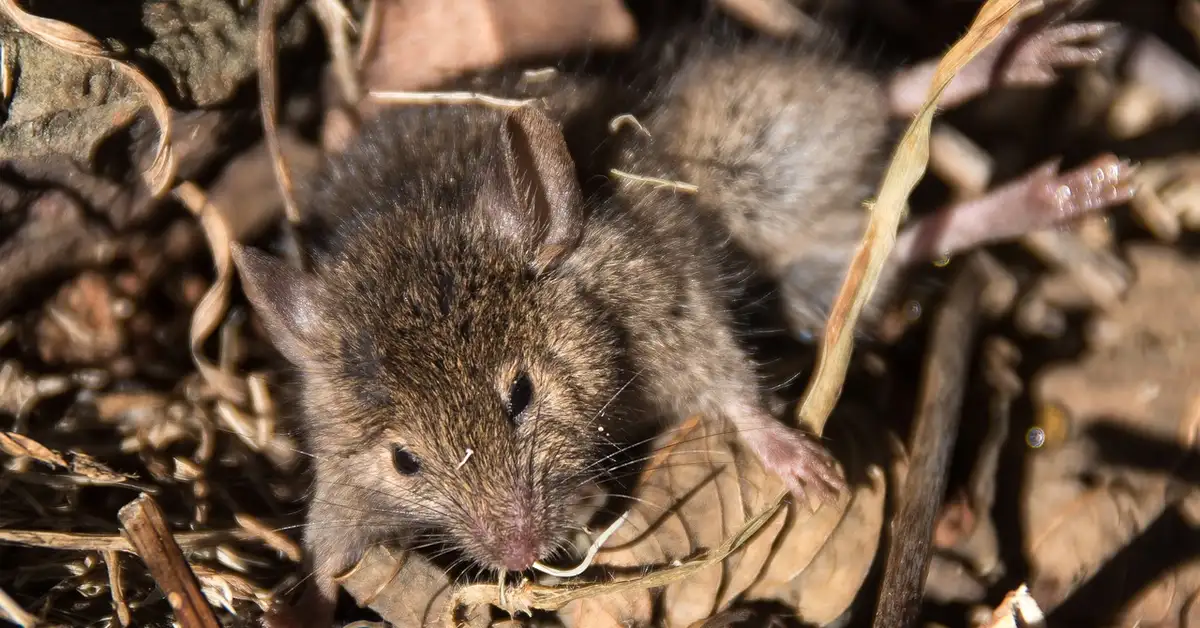
You will likely notice a distinct rounding of your mouse’s abdomen, a soft pear shape emerging just behind her rib cage. Her nipples will become much more prominent and pink, a clear sign her body is preparing for nursing. She may start to move with a little more deliberation, though her energy for exploration can remain surprisingly high.
What’s Happening Inside
This is a period of rapid growth and formation for the developing pups. Major organs are finishing their initial development, and tiny skeletons are beginning to calcify. The embryos are securely implanted in the uterine walls, drawing all the nutrients they need from their mother to fuel this incredible transformation.
Care Tips for Week 2
- Increase her daily protein intake. I always offer a spoonful of plain cooked chicken, scrambled egg, or high-quality kitten food.
- Ensure her water bottle is always full and functioning perfectly; her hydration needs are rising.
- Limit handling to essential cage cleaning only. Avoid lifting her by the base of her tail; instead, gently scoop her.
- Begin scattering extra nesting materials like unscented toilet paper or paper towels for her to gather if she chooses.
Week 3: Final Development and Preparation (Days 15-21)
What Your Mouse Looks Like
Your mouse will look unmistakably pregnant, with a large, low-slung belly that seems to sway as she walks. You might even see the tiny shapes of the pups moving if you watch her rest quietly in a clear area of the cage. She will spend more time resting and grooming her expanding belly.
What’s Happening Inside
The pups are putting on their final weight and growing a fine layer of hair. Their bodies are now fully formed and simply maturing, getting ready for life outside the womb. They are becoming crowded, and their movements are a primary reason your mouse may seem more restless or adjust her position frequently. They typically start leaving the nest at around three weeks old, once they’re fully furred, mobile and beginning to wean. Most will be venturing out regularly by three to four weeks of age.
Nesting Behavior and Signs of Approaching Labor
This is when her instincts truly kick into high gear. You will observe her diligently gathering all available bedding and shredding paper to construct a secure, enclosed nest. She may become more reclusive, spending long periods hidden within her creation. A day or so before birth, she might eat less and you may notice a mucous plug, a small waxy discharge.
Care Tips for Week 3
- Place a small, enclosed hideout in her cage to serve as a dedicated nesting box if you haven’t already.
- Stop all handling completely. Let her be the one to initiate any interaction.
- Keep the cage in a quiet, low-traffic area of your home to minimize stress.
- Perform one final, very quick cage clean around day 18, but do not disturb her nest.
Caring for Your Pregnant Mouse Throughout Gestation
Diet and Nutrition During Mouse Pregnancy
A pregnant mouse is building entire bodies from scratch, which demands exceptional fuel. I supplement my mice’s high-quality lab block diet with daily protein-rich treats, which I’ve found supports healthy pup development. Good options include cooked egg, mealworms, and plain yogurt. Similar principles apply to a pregnant or nursing doe: she typically needs increased calories and protein, plus constant access to high-quality hay and fresh water to support milk production. Always consult species-specific care guides to balance hay, pellets, and treats appropriately. Always provide a constant supply of fresh water, as dehydration can be very dangerous.
Setting Up the Nesting Box
Providing a proper space for her to give birth is one of the kindest things you can do. Choose a small, enclosed hide with a single entrance; it makes her feel protected from all sides. I use a simple cardboard box or a small plastic hut. Fill the area around it with copious, soft, and safe nesting material like shredded paper bedding or torn, unscented paper towels so she can build to her heart’s content.
Handling and Stress Management
Your calm presence is the best tool for managing her stress. Speak to her in a soft, reassuring voice when you are near the cage, so she associates your sound with safety. Avoid loud noises, sudden movements, or frequent cage rearrangements. The goal is to create a predictable and peaceful environment where she feels utterly secure.
Should You Separate a Pregnant Mouse?
This depends entirely on the existing social dynamics of your mischief. If she lives with calm, established female cagemates, they can often remain together and may even help raise the pups. I have successfully kept my expectant mothers with their sisters. However, if there is any history of squabbling or if she lives with males, you must separate her immediately, as a male will likely impregnate her again right after birth. Early exposure to calm, well‑socialized adults helps pups learn friendly social cues. Supervise interactions so they stay positive and build a confident, friendly temperament.
Labor and Birth: What to Expect
Signs Your Mouse Is in Labor
Your mouse will show clear behavioral shifts as labor approaches, often starting with intense nesting activity where she rearranges bedding compulsively. Restlessness is a hallmark sign, with your mouse pacing, digging, or appearing more agitated than usual. Physically, you might observe a slight swelling around the vulva and a noticeable drop in appetite, signaling that birth is imminent.
- Increased nesting behavior with frantic gathering of materials
- Visible restlessness, such as frequent repositioning or pacing
- Reduced interest in food and water
- Mild vocalizations or signs of discomfort
The Birth Process
Mouse labor typically unfolds quickly, often during quieter nighttime hours, with pups arriving one after another in rapid succession. Each newborn emerges in a fluid-filled sac, which the mother instinctively ruptures and cleans away to stimulate breathing. The entire process can wrap up in under an hour, with the mother consuming the placenta for extra nutrition—a natural and beneficial behavior that should not be confused with eating the babies. Following birth, mouse mothers nurse and care for their pups diligently.
- Duration ranges from 30 minutes to a few hours
- Pups are born headfirst or breech, both normal
- Mother licks each pup clean and nudges them toward the nest
- Litter size varies, but averages between 6 to 12 pups
What to Do (and Not Do) During Birth
Your primary role is to provide a calm, undisturbed space, resisting the urge to check on her constantly. Ensure fresh water and high-protein foods are within easy reach, but avoid handling the mother or nest during active labor. Interference can cause stress, leading to potential neglect or harm to the newborns, so observe from a distance and trust her instincts.
- Do keep the room quiet and dimly lit
- Do offer moist foods like cucumber or apple slices for hydration
- Don’t touch the pups or disrupt the nest
- Don’t use bright lights or loud noises nearby
After Birth: Postnatal Care and Lactation
First 48 Hours After Birth
This critical period focuses on minimal disturbance to let the mother bond and nurse her litter. You’ll notice the pups huddling together for warmth, with the mother leaving the nest only briefly for essentials. If you need to check the pups, observe quietly from outside the cage or gently part the bedding for a very brief glance, keeping the mother nearby. Only handle pups if one appears cold, injured, or not feeding. Provide a shallow dish of water and soft, palatable foods to support her recovery, and resist cleaning the cage unless absolutely necessary to avoid stress.
- Monitor for consistent nursing-pups should have rounded bellies
- Keep ambient temperature stable around 70-75°F
- Check that all pups are moving and vocalizing weakly
- Avoid sudden movements or changes to the environment
Lactation and Mother’s Nutritional Needs
Lactating mice require nearly double their usual caloric intake to produce milk and stay healthy. Offer protein-rich options like cooked egg, mealworms, or rodent blocks soaked in water to boost energy and hydration. I often supplement my mice’s diet with small amounts of plain yogurt or infant cereal, which they eagerly accept and which supports milk production without upsetting their stomachs. These considerations fit into a broader set of special-case nutritional needs—baby, pregnant, nursing, and senior mice may each require different calories, nutrients, and monitoring. Adjusting diets accordingly and consulting a vet when unsure helps keep all life stages healthy.
- Increase protein sources to 18-20% of diet
- Provide constant access to fresh, clean water
- Include calcium-rich foods like kale or fortified pellets
- Watch for weight loss in the mother, which signals inadequate nutrition
Baby Mouse Developmental Milestones
Newborns are pink, hairless, and blind, but they grow at an astonishing rate, with fur starting to appear around day five. By two weeks, their eyes begin to open, and they start venturing shakily from the nest, exploring their surroundings. Weaning typically begins around three to four weeks, as pups nibble solid food and become more independent, though they still nurse occasionally.
- Days 1-3: Pups are immobile, relying entirely on mother’s warmth and milk
- Days 4-7: Fine hair emerges, and they start crawling slowly
- Weeks 2-3: Eyes open, and playful behaviors like chasing siblings emerge
- Weeks 3-4: Solid food intake increases, and weaning progresses
When Can You Handle the Babies?
Wait until the pups are at least two weeks old and their eyes are fully open before attempting any handling. Start with brief, gentle sessions using cupped hands to minimize stress and avoid startling the mother. I’ve found that my mouse Jeffrey, though anxious, tolerates this well if I move slowly and offer a treat afterward, building positive associations over time.
- Begin handling only after eyes open (around 14 days)
- Limit sessions to 1-2 minutes initially
- Wash hands thoroughly to remove scents that might alarm the mother
- Never handle if the mother shows signs of aggression or distress
Recognizing Pregnancy Complications
Warning Signs During Pregnancy
Complications can arise quietly, so watch for subtle changes like prolonged lethargy or a sudden lack of interest in nesting. Any vaginal bleeding, foul discharge, or rapid weight loss warrants immediate veterinary attention, as these can indicate serious issues. Trust your instincts-if something feels off, it’s better to seek help early than wait for symptoms to worsen.
- Lethargy lasting more than a day
- Visible bleeding or unusual discharge
- Loss of appetite beyond typical late-pregnancy reductions
- Swelling or hard lumps in the abdomen
Labor and Delivery Complications
Prolonged labor, where no pups appear after several hours of straining, is a red flag that requires intervention. If the mother appears exhausted, vocalizes in pain, or abandons the nest mid-labor, contact a vet experienced with small animals. These signs are common complications during breeding and birth that need prompt attention. Stuck pups or retained placentas can lead to infection, so prompt action is essential to protect both mother and litter.
- Labor lasting over 4 hours with no pups born
- Visible pup stuck in the birth canal
- Mother ignoring newborns or showing aggression
- Signs of distress like excessive panting or weakness
Postpartum Concerns
After birth, monitor the mother for mastitis, which shows as red, swollen mammary glands, or neglect of pups, where she fails to nurse or keep them warm. Pups that are cold, not moving, or significantly smaller than littermates may need supplemental feeding or warmth. In my experience, issues like these often resolve with minor adjustments, but persistent problems mean it’s time for professional advice.
- Mastitis symptoms: hot, painful mammary areas
- Pup neglect, such as leaving them scattered or cold
- Mother refusing food or water for over 24 hours
- Pups failing to gain weight or develop normally
Frequently Asked Questions
What does a mouse look like during each pregnancy stage?
During the early stage (roughly days 1-7), there are typically no visible physical changes; your mouse will appear normal, though she might start gathering nesting materials. By the mid-stage (days 8-14), her abdomen becomes rounded, and her nipples turn pink and prominent, while in the late stage (days 15-21), she develops a large, low-slung belly where you might even see tiny movements from the growing pups if she rests calmly.
What is a timed pregnancy in mice?
A timed pregnancy involves intentionally breeding mice and recording the exact mating date to predict the birth window accurately. This method helps owners prepare for the litter’s arrival by tracking the typical 19- to 21-day gestation timeline, allowing for precise care adjustments as the due date approaches.
Is there a day-by-day guide to mouse pregnancy stages?
While this article outlines weekly developments, a day-by-day guide would highlight subtle daily progressions, such as gradual abdominal expansion or shifts in nesting behavior. However, daily changes can be minimal and vary between mice, so focusing on weekly milestones as described in the main guide is often more practical for monitoring health and preparation.
Final Thoughts
Watching your mouse progress through pregnancy week by week is a journey filled with tiny wonders and big responsibilities. Staying observant and responsive to her changing needs helps ensure she stays healthy and comfortable throughout this special time. A simple weekly home health check makes it easy to monitor her condition and catch any concerns early. Check her weight, appetite, coat condition, activity levels, and any signs of discomfort each week.
Your dedication to providing gentle care, a safe space, and proper nutrition makes all the difference for her and her future pups. Trust your instincts and enjoy the rewarding experience of supporting your mouse during this remarkable phase of her life. Follow ethical breeder practices by prioritizing the health and genetics of the dam and her pups and ensuring responsible rehoming. If unsure, consult a reputable ethical breeder or veterinarian for guidance.
Further Reading & Sources
- How to time mouse pregnancy
- Mouse Timeline Detailed – Embryology
- 6 steps for setting up timed pregnant mice
Isabella is a passionate small pet enthusiast with over 8 years of experience in caring for mice. She loves sharing practical tips and heartfelt stories to help fellow mouse owners provide the best care for their tiny companions.
Mouse Biology & Anatomy