
The Importance of Weighing Your Mouse: A Step-by-Step Guide
Have you ever noticed your mouse acting a little off and wondered if a change in weight could be the silent culprit?
This guide offers a straightforward method to monitor your mouse’s health through regular weighing, giving you peace of mind and a clear path to proactive care. You’ll learn which tools work best, follow simple steps for stress-free weighing, and gain insights into what those numbers reveal about your mouse’s overall condition.
Why Weighing Your Mouse Matters for Health Monitoring
Think of your mouse’s weight as a quiet, continuous conversation about their well-being. A steady number on the scale is one of the most reassuring signs that all is well in their tiny world. Unlike a cat or dog, a mouse can’t vocalize a stomach ache or tell you they feel unwell; their body speaks for them through subtle changes we must learn to observe.
Regular weighing acts as your early-warning system. Many common illnesses, from respiratory infections to dental issues, will cause a mouse to lose weight long before other symptoms become obvious to you. Catching a downward trend early can be the difference between a simple vet visit and a critical health emergency. I’ve personally seen this with my own mice-a slight dip in weight was the first and only sign that one needed a dental trim.
Beyond spotting sickness, tracking weight helps you fine-tune their diet. Are you offering too many fatty treats? Is the main food mix not quite right for your particular mouse? The scale provides unbiased feedback on whether your nutritional choices are truly supporting their health. It takes the guesswork out of pet care and replaces it with confident, data-driven decisions.
What Should Your Mouse Weigh? Understanding Healthy Weight Ranges
There is no single “perfect” weight for every mouse, much like people. A healthy weight depends on your mouse’s specific breed, frame size, and genetics. An adult fancy mouse generally falls within a broad healthy range of 25 to 60 grams. Males often trend toward the heavier end of this spectrum, while many females are lighter. A simple visual guide can help you choose a healthy, active mouse by comparing body shape, coat condition, and activity level to reference images. Use it alongside weight ranges for the most reliable assessment.
The key is to establish what is normal for *your* individual mouse. When you first bring them home, take a baseline weight and monitor it for a few weeks to find their personal “set point.” Your goal is to maintain a stable weight, not to hit a specific number on a chart. My mouse Gregory, for instance, has always been a solid 48 grams, while the younger Jeffery is a dainty 28 grams—both are perfectly healthy for their builds. A simple weekly home health check—weighing them and observing coat, eyes, appetite, and activity—will help you notice any deviation from that baseline. If you see a persistent change in weight or behavior, consult your veterinarian.
Use this table as a general reference, but always prioritize your own mouse’s history:
| Mouse Type | Typical Healthy Weight Range |
|---|---|
| Standard Adult Fancy Mouse | 25 – 60 grams |
| Average Adult Male | 30 – 60 grams |
| Average Adult Female | 25 – 45 grams |
How Mouse Weight Changes Through Life Stages
A mouse’s weight tells the story of their life, from a wriggling pink pup to a serene elder. Understanding these natural fluctuations prevents unnecessary panic and helps you provide age-appropriate care. For house mice (Mus musculus), habitat, diet and behavior strongly influence weight — food availability, nesting conditions and activity levels shape growth and body condition. Recognizing these environmental and dietary effects helps you tell normal variation from signs of illness.
- The Rapid Growth Phase (3 weeks to 3 months): This is the mouse equivalent of a teenage growth spurt. You should see a steady, rapid increase in weight as they develop from weanlings into sturdy juveniles. Weighing weekly during this time is fascinating as you watch them literally grow before your eyes.
- Prime Adulthood (3 months to 1 year): Growth plateaus, and their weight should stabilize. This is their “set point” you’ll want to maintain. Monthly weigh-ins are usually sufficient during this stable period, unless you suspect a problem.
- Mature Adulthood to Senior (1 year and beyond): Just like my old boy Gregory, mice may naturally lose a small amount of muscle mass as they age. A very gradual, slight decrease can be normal. The critical thing to watch for is sudden or rapid weight loss, which is never a normal part of aging and always warrants a vet visit.
Your vigilance with the scale allows you to celebrate their growth and support them gracefully through their golden years. It’s a simple act that profoundly deepens your connection and ability to care for them.
How to Weigh Your Mouse: Step-by-Step Process
Choosing the Right Scale for Small Animals
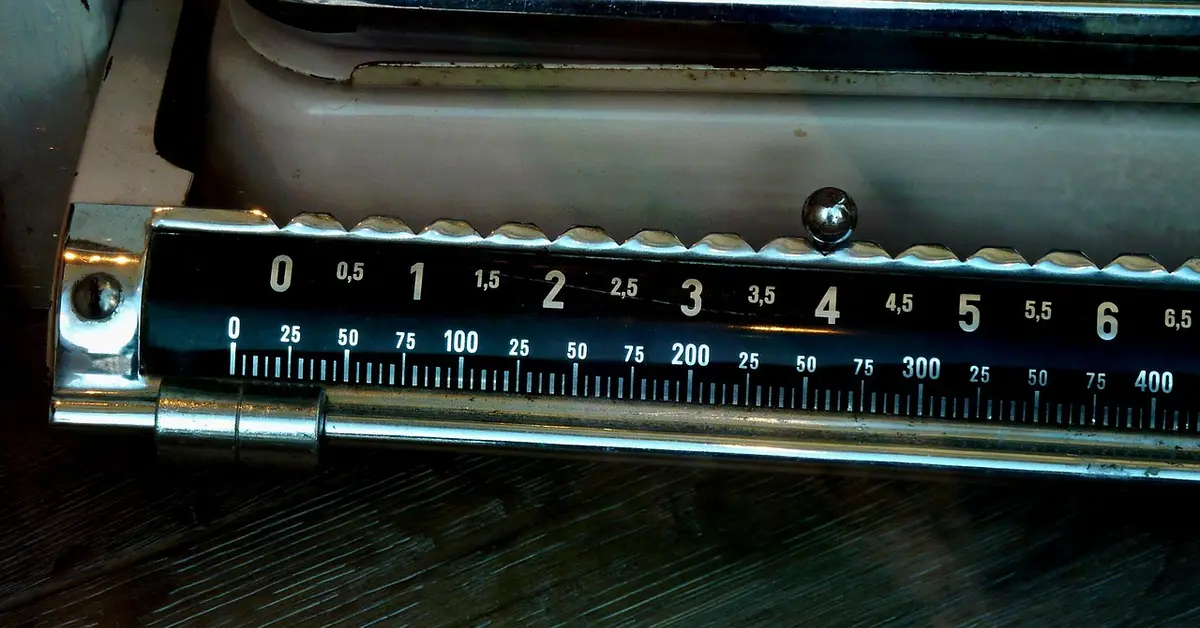
Not all scales are created equal for our tiny companions. A standard kitchen scale will not provide the precision needed for a creature that may only weigh 30 grams. You need a digital scale that measures in 0.1-gram increments to detect the subtle changes that matter. I use a small, flat digital gram scale that I originally bought for baking; it’s perfect because the platform is just the right size. Look for a model with a tare function, which allows you to place a container on the scale and reset it to zero, a game-changer for weighing a wiggly mouse inside a cup. It’s also handy for measuring food portions or weighing food bowls to monitor intake. With scatter feeding, where mice often fling food around, weigh the bowl before and after to estimate how much was actually eaten.
Setting Up Your Weighing Station
Preparation is everything for a smooth and stress-free weighing session. I always set up my station on a low, stable surface in case of a surprise leap. Create a secure, enclosed space by having a small carrier or a deep, clean plastic container ready to place on the scale. Have your notebook or phone nearby for recording data, and ensure the room is quiet and free from drafts. This predictable routine helps your mouse feel more at ease over time.
Handling Your Mouse Safely for Weighing
The goal is minimal handling for maximum comfort. I never weigh my mice by placing them directly on the cold, hard scale platform. Instead, I gently encourage them into their designated weighing container—a small ceramic bowl works wonderfully for my calm Gregory, while a deeper plastic tub is better for my impulsive Kenny. Always lift the container with your mouse inside to place it on the scale, rather than trying to pick up the mouse and put them in. This method drastically reduces stress and the risk of a fall or escape. When choosing a kitchen scale, opt for one with a tare function and gram-level accuracy, and a stable non-slip platform so you can zero the container and get precise readings. A compact model with a clear display makes quick, low-stress weighings much easier.
Recording and Tracking Weight Data
A number without context is just a number. Simply writing down a weight is not enough; you need to build a story over time. I keep a simple log with the date, each mouse’s name, their weight, and a small note about their behavior or appetite that day. You can use a dedicated notebook, a notes app on your phone, or a simple spreadsheet. Seeing the data in a list or a simple line graph makes spotting trends incredibly easy, turning random numbers into a powerful health picture.
How Often Should You Weigh Your Pet Mouse?
Consistency is more valuable than frequency. Weighing your mouse daily can cause unnecessary stress and won’t give you useful data, as their weight can naturally fluctuate with hydration and digestion. For a healthy adult mouse, a weekly weigh-in provides the perfect balance of monitoring without intrusion. For elderly mice, very young mice, or those recovering from illness, you might increase this to twice a week. My Jeffrey, being a bit more anxious, gets weighed every Sunday evening as part of a calm, post-cage-cleaning routine he’s come to expect.
Reading the Signs: When Weight Changes Signal Problems
Understanding Normal Weight Fluctuations
A healthy mouse’s weight is not a static number. It’s normal to see a variation of a gram or two from one week to the next. A small, temporary dip might simply mean your mouse was extra active or drank less water before their weigh-in. Young mice will steadily gain weight as they grow into adults, while senior mice may very slowly and gradually lose mass as part of the natural aging process. The key is to look for the overall trend, not a single data point.
Recognizing Concerning Weight Loss
Sudden or persistent weight loss is one of the clearest signals your mouse needs help. Be concerned if you notice a loss of more than 10% of their body weight or a consistent downward trend over two to three weeks. This can be a sign of dental issues making eating painful, an underlying illness, or internal parasites. Run your fingers gently along their back and sides; if the spine and hip bones feel sharp and prominent, it’s a definite red flag that requires a veterinarian’s attention.
Spotting Obesity in Your Mouse
While less common than weight loss, an overweight mouse faces serious health risks, including heart strain and a shortened lifespan. You should not be able to see visible fat pads around their groin, and their body should have a streamlined, pear-shaped profile rather than a round, bulging one. If your mouse looks like a little fuzzy ball and you can no longer feel its ribcage with a gentle press, it’s time to evaluate their diet and encourage more exercise with a revised cage setup and engaging toys.
What to Do When You Notice Weight Changes
Seeing the number on the scale shift can be worrying, but your first step is to stay calm and observe. A single weigh-in is just one piece of a much larger puzzle, so don’t panic over a minor fluctuation. I always take a deep breath and look at the bigger picture of my mouse’s behavior and overall condition. At home, I run simple checks — appetite, activity, coat condition, and droppings — and weigh my mouse regularly to spot trends. These observations help me decide whether a vet visit is needed.
When to Contact Your Veterinarian
While some minor weight variation is normal, certain signs warrant a professional opinion. Trust your instincts-you know your mouse best.
- A sudden loss of more than 10% of their body weight within a week.
- A consistent, steady decline over multiple weigh-ins, even if it’s small each time.
- Weight loss paired with other symptoms like lethargy, hunched posture, or ruffled fur.
- Visible bones, especially along the spine or hips, becoming prominent.
- An unexpected, rapid weight gain that can’t be explained by diet changes.
Providing your vet with a detailed weight history can be incredibly valuable for an accurate diagnosis. I keep a simple log for Kenny, Gregory, and Jeffery, which has helped our vet spot trends I might have otherwise missed.
Making Weight Checks Part of Your Care Routine

Consistency transforms a task into a habit. Weighing your mouse shouldn’t feel like a chore for you or a stressful event for them. Watch for signs of boredom—restlessness, excessive chewing, or decreased activity—and try simple fixes like extra playtime, new toys, or foraging treats. A calm, consistent routine helps you spot these cues early.
I find that integrating weigh-ins with another pleasant activity, like a post-handling treat, creates a positive association. My mouse Jeffery used to be quite skittish, but now he associates the scale with a tiny piece of a berry, making the process much smoother.
- Schedule a specific day and time each week, like “Sunday Morning Weigh-In.”
- Keep the scale and a notepad (or phone app) in an easily accessible spot near their habitat.
- Record the weight immediately. Don’t trust yourself to remember it later.
- Pair the activity with your weekly cage cleaning for maximum efficiency.
- Use a small, dedicated container on the scale for mice who are too quick to weigh loose.
The goal is to make this a normal, low-stress part of your life together. This simple, consistent practice builds a powerful baseline of health data that empowers you to be the best pet owner you can be. Over time, you’ll develop an intuitive sense for what is normal for your unique companion.
Frequently Asked Questions
What is a weighted mouse bait station?
A weighted mouse bait station is a pest control device used to hold poison bait for wild rodents like mice. It is designed with added weight or securing features to prevent tampering by pets, children, or non-target animals, ensuring only pests can access the bait. This product is not intended for pet mouse care and should be avoided in households with pet rodents due to the risk of accidental poisoning.
What is a weighted gaming mouse?
A weighted gaming mouse is a computer peripheral used for gaming, which often includes customizable weights that can be added or removed to adjust the mouse’s feel and balance. This feature allows users to tailor the device for comfort and precision during gameplay. It has no connection to pet mice or their health care, as it refers to an electronic accessory rather than a living animal.
Is there a mouse weighing scale?
Yes, specialized scales for weighing pet mice are available and essential for health monitoring. These scales are designed to measure small weights accurately, typically in grams, and often feature functions like tare to accommodate containers. Using a proper scale helps track subtle changes in your mouse’s weight, supporting proactive care as discussed in the article.
Final Thoughts
Weighing your mouse regularly transforms a simple task into a powerful health-monitoring tool, helping you spot changes before they become serious. Consistent tracking builds your confidence as a caretaker and deepens your connection with your pet. Even small weight changes can indicate illness, dietary issues, or pregnancy. That’s why weighing your mouse regularly is a crucial part of routine health monitoring.
From my experience, this routine has been invaluable for noticing shifts in my mice’s well-being, allowing for timely care. Embrace this practice, and you’ll provide your mouse with the attentive, loving support they deserve.
Further Reading & Sources
- What Is the Best Weight for Gaming Mice?
- What is the Ideal Weight of Computer Mouse? – The Nature Hero
- Proper use and purpose of mouse weights – Super User
Isabella is a passionate small pet enthusiast with over 8 years of experience in caring for mice. She loves sharing practical tips and heartfelt stories to help fellow mouse owners provide the best care for their tiny companions.
Preventive Care