
What Do Dead Mice Smell Like?
Have you ever caught a whiff of something foul and puzzling in your home, making you wonder about the source? As a long-time mouse caretaker, I know how unsettling an unknown odor can be, and this guide will clearly explain that distinctive smell and how to address it.
We’ll break down the odor’s characteristics, how it evolves, and safe, effective steps for locating and removing the cause.
What a Dead Mouse Smells Like: The Basic Odor Profile
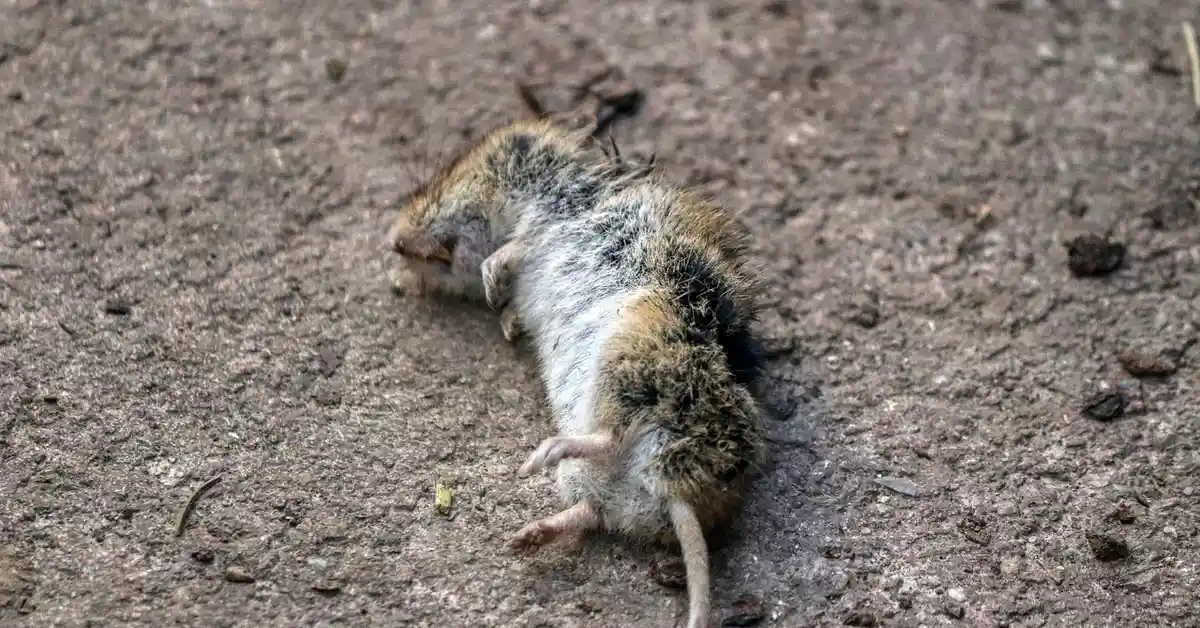
The odor of a deceased mouse is profoundly pungent and unmistakable once you’ve encountered it. This isn’t a mild, fleeting scent but a heavy, pervasive smell that seems to coat the air itself. It carries a deeply sour, almost rotten-sweet quality that can trigger a gag reflex, a biological warning signal our bodies use for decay.
The Stages of Decomposition Smell
The smell evolves dramatically over days and weeks, telling a story of the natural process occurring.
- Initial 24-48 Hours: The scent might be faint, a slightly sweet, sickly odor. It’s easy to miss or mistake for old food at this point.
- Peak Decomposition (3-7 days): This is when the smell becomes truly overwhelming. The odor intensifies into a thick, putrid stench of rotting meat and sulfur, the hallmark of bacterial activity breaking down tissues.
- Final Drying Stage (1-2 weeks+): The powerful putrid smell gradually fades, leaving behind a dry, musty, and slightly sweet odor, like old, damp cardboard or rancid nuts, as the body mummifies.
Common Smell Comparisons: What Others Notice
People often try to describe this unique odor by relating it to more familiar, though unpleasant, smells.
- Rotten Cabbage or Sulfur: A very common comparison, pointing to the gasses released during decomposition.
- Intensely Spoiled Meat: This is the closest match for the peak stage of the smell.
- Ammonia: Some detect a sharp, chemical-like undertone, especially in confined spaces.
- Rotting Potatoes: That specific, earthy yet foul odor of forgotten root vegetables.
In my own home, I’ve found that the scent is a chaotic mix of all these things, a smell that feels both heavy and sharp at the same time.
How the Smell Differs Based on Location
Where a mouse passes away drastically changes how you experience the odor. The environment acts as an amplifier or a filter, turning a bad situation into a truly puzzling one. Products like D-Con target the infestation but won’t remove odors from an existing carcass. For lingering smells, specific odor-control and cleanup measures are often needed alongside mouse control.
Dead Mice Smell in Walls
A mouse in a wall creates a slow-burn odor problem. The smell tends to seep out gradually, creating a mysterious, pervasive stench that seems to come from everywhere and nowhere at once. You might notice it strongest near electrical outlets or baseboards, which act as tiny vents. The enclosed space traps and concentrates the odor, making it last longer than it would in the open. To reduce mouse odor at home, locate and remove the source if possible, ventilate the area, and clean affected surfaces with a disinfectant. Sealing entry points and using odor absorbers like baking soda or activated charcoal can help prevent the smell from returning.
Dead Mice Smell in Vents
This is perhaps the most disruptive scenario. When your HVAC system kicks on, it can blast the odor throughout multiple rooms in a sudden, overwhelming wave. The smell may come and go with the cycling of your furnace or air conditioner, creating a confusing pattern. You might smell it strongly in one room, then another, making the source incredibly difficult to pinpoint.
Dead Mice Smell in Open Areas
Finding a mouse in the open, while distressing, offers the most straightforward odor experience. The smell is typically localized and intense right at the source, but it dissipates much more quickly once the mouse is removed. Air circulation helps clear the air faster, and the smell doesn’t have a chance to become deeply embedded in building materials. A thorough cleaning of the immediate area is usually all that’s needed. However, if the odor is very strong or lingers, it can cause nausea or headaches in some people, so prompt removal and cleaning help prevent those symptoms.
How Long Does a Dead Mouse Smell Last?

The duration of this unfortunate odor depends heavily on the environment. In my experience, the smell typically builds for three to five days, peaks for another few days, and then takes one to two weeks to fade completely. The entire process can last up to three weeks.
Several key factors will either shorten or extend this timeline:
- Temperature and Humidity: Warm, humid conditions dramatically speed up decomposition, making the smell intense but shorter-lived. Cool, dry areas slow the process, resulting in a milder but much more persistent odor.
- Size of the Mouse: A smaller mouse, like my little Jeffery, will decompose far more quickly than a larger rodent.
- Airflow: A well-ventilated space will help dissipate the smell faster than a closed-off cavity like a wall void.
- Location: A carcass in the open air decomposes quickest. One hidden inside furniture or insulation can create a lingering smell for weeks.
Locating the Source of Dead Mouse Odor
Finding the source is the most challenging part of resolving the problem. The smell can seem to emanate from everywhere at once, making it difficult to pinpoint.
Following Your Nose: Tracking the Pungent Odor
You are your best detective tool. Get down on your hands and knees and sniff along floorboards and baseboards, as the odor is often strongest near its origin point. Pay special attention to these common hiding spots:
- Inside or behind kitchen cabinets and appliances.
- In quiet, cluttered corners of closets, basements, or garages.
- Within upholstered furniture or the void spaces of box springs.
- Around HVAC vents and ductwork, where air currents carry the smell.
- Near stored boxes or piles of paper, which provide nesting material.
When You Can’t Find the Carcass
Sometimes, despite your best efforts, the little body remains elusive, often trapped within a wall or ceiling. If a thorough visual and olfactory search fails, your next step is to focus on odor control and management while nature takes its course.
Here is what I do in this frustrating situation:
- Use a strong, pet-safe enzymatic cleaner near suspected areas to help break down the organic matter causing the smell.
- Place bowls of activated charcoal or baking soda in the room to absorb odors from the air.
- Run an air purifier with a HEPA filter continuously to capture airborne particles and reduce the scent.
- Increase ventilation in the area as much as possible by opening windows and using fans.
Health Concerns: Can Dead Mouse Smell Make You Sick?
This is a very common and valid worry for any pet owner. While the smell itself is not toxic, it is a clear indicator of biological decay, which can release harmful bacteria and mold spores into your air.
Inhaling these airborne particles can potentially lead to respiratory issues, especially for individuals with allergies, asthma, or compromised immune systems. The risks are generally low from a single mouse, but it’s wise to take precautions. Mouse droppings can carry pathogens and allergens, so correctly identifying droppings helps assess the danger and cleanup needs. Taking proper precautions during cleanup can minimize the risk of exposure.
To protect your health while dealing with the odor:
- Wear a protective mask and disposable gloves if you are searching for or handling the carcass.
- Thoroughly ventilate the area before, during, and after your search.
- Wash your hands meticulously with soap and hot water after any contact with the affected space.
- Disinfect any surfaces that may have been contaminated.
Safe Removal and Cleanup of a Dead Mouse
Disinfecting After Removal
Once you have carefully removed the mouse using gloves and a sealed bag, your next step is thorough disinfection to protect your other pets and yourself. I always use a pet-safe disinfectant or a diluted bleach solution (one part bleach to nine parts water) to wipe down the area where the mouse was found. Pay special attention to any surfaces that might have been contaminated, as bacteria can linger and pose health risks. When choosing cleaners, opt for products labeled pet- and rodent-safe or stick to mild soap and water when possible. Avoid strong ammonia-based or aerosolized products that can irritate small animals’ respiratory systems.
After applying the disinfectant, let it sit for at least ten minutes before rinsing with clean water and drying completely. This waiting period ensures that harmful germs are effectively neutralized, reducing the chance of illness spreading. For porous materials like wood or fabric, consider using a steam cleaner or replacing the item if the odor or stain persists, as these can trap residues.
- Wear disposable gloves and a mask during cleanup to avoid direct contact.
- Ventilate the room by opening windows to disperse any airborne particles.
- Dispose of cleaning materials in a sealed trash bag to prevent odor escape.
Getting Rid of Dead Mouse Smell After Removal
Dealing with Lingering Musty and Ammonia Odors
Even after removal, that distinct musty and ammonia-like scent can cling to the air and surfaces, reminding you of the loss. Activating baking soda by sprinkling it over affected areas and letting it sit for a few hours before vacuuming can absorb stubborn odors naturally. I’ve found that this method, combined with good airflow, makes a noticeable difference without harsh chemicals.
For persistent smells, try placing bowls of white vinegar around the room or using an enzyme-based cleaner designed for pet odors. Enzyme cleaners break down organic matter at a molecular level, which is why they’re so effective at eliminating that sharp, unpleasant ammonia note. If the odor seems trapped in walls or flooring, a dehumidifier can help by reducing moisture that amplifies mustiness. If the smell is coming from mice in walls, attics, or crawl spaces, locate and remove nests or droppings and treat the area with an enzyme cleaner. Sealing entry points and, if needed, consulting pest control will help prevent re-infestation.
- Identify the odor source by sniffing near corners, under furniture, or in hidden spots.
- Apply odor-neutralizing sprays or homemade solutions like lemon juice and water.
- Run an air purifier with a HEPA filter to capture lingering particles and freshen the space.
Preventing Mouse Deaths in Your Care
Creating a Safe Environment to Avoid Hidden Deaths
Building a secure habitat starts with choosing the right enclosure and regularly inspecting it for hazards like sharp edges or small gaps where a mouse could get stuck. I always opt for a well-ventilated tank or cage with solid flooring to prevent injuries and make it easier to monitor my mice, like curious Kenny or calm Gregory. Keeping the environment stable with consistent temperature and humidity levels reduces stress that can lead to health issues.
Provide plenty of hiding spots and enrichment to encourage natural behaviors without creating places where a mouse could hide and pass away unnoticed. Rotate toys and check hiding areas during daily interactions to ensure all mice are active and accounted for. This habit has helped me spot potential problems early, especially with younger mice like Jeffery, who can be more vulnerable. When setting up a safe, stimulating mouse playpen, use secure, escape‑proof walls and include familiar hiding spots and chew‑safe toys so they feel comfortable. Supervise playtime and position hiding areas where you can easily check on each mouse.
- Use safe, non-toxic bedding and avoid cedar or pine shavings that can cause respiratory problems.
- Secure food and water sources to prevent contamination or spills that attract pests.
- Schedule weekly deep cleans to maintain hygiene and spot any changes in behavior or health.
Recognizing When a Mouse Is Dying
Observing subtle shifts in your mouse’s habits can alert you to declining health before it’s too late. Look for signs like lethargy, loss of appetite, or labored breathing, which often indicate that a mouse is nearing the end of its life. In my experience, older mice like Gregory might show these symptoms more gradually, while younger ones like Jeffery could decline quickly, so daily checks are vital. Regular at-home checks make it easier to spot these changes early. A quick daily review of eating, movement, grooming, and breathing can help you decide when to seek veterinary care.
If you notice your mouse isolating itself, struggling to move, or showing changes in fur quality, it’s time to consult a veterinarian for guidance. Providing a quiet, comfortable space with easy access to food and water can make their final moments more peaceful. Remember, early intervention can sometimes extend their quality of life, so don’t hesitate to seek professional advice and safely transport them to the vet.
- Monitor weight and eating habits daily to catch drops early.
- Watch for unusual postures or vocalizations that signal pain or distress.
- Keep a journal of behaviors to share with your vet for accurate diagnosis.
Frequently Asked Questions
Can a dead mouse smell like gas?
Yes, a dead mouse can emit an odor similar to gas due to the release of sulfur-containing compounds during decomposition. This often resembles the smell of rotten eggs or a natural gas leak, but it’s crucial to rule out actual gas hazards by checking for other signs like hissing sounds or using a gas detector for safety.
Is it possible for a dead mouse to smell like fish?
While not typical, a dead mouse might occasionally produce a fishy odor, especially if bacterial activity during decomposition involves specific compounds. However, this is less common, and the smell usually aligns more closely with rotten meat or sulfur, depending on factors like the mouse’s diet and the environment.
How can I identify a dead mouse odor in my home?
A dead mouse odor in your home is often a heavy, sour stench that becomes more intense over several days and seems to originate from hidden areas like inside walls or under furniture. To confirm, sniff near baseboards, vents, or cluttered spots where the smell is strongest, and compare it to common descriptions like rotten cabbage or ammonia.
Wrapping Up
Finding the source of that distinct, unpleasant odor is often the hardest part of this sad situation. Your nose is your best guide, leading you to the spot that needs your attention so you can give your little friend a proper farewell.
Handling this with care is a final act of love for your pet and a necessary step for your own peace of mind. It’s a difficult moment, but addressing it promptly brings closure and allows you to focus on the happy memories you shared.
Further Reading & Sources
- How to Get Rid of a Dead Rat Smell | Terminix
- Dead Mouse Smell: How to Identify and Get Rid of It
- Dead Mouse Smell But Can’t Find The Mouse? A Pro’s Guide To Locating And Eliminating Hidden Mouse Odors | Peachtree Pest Control
Isabella is a passionate small pet enthusiast with over 8 years of experience in caring for mice. She loves sharing practical tips and heartfelt stories to help fellow mouse owners provide the best care for their tiny companions.
Signs of Infestation