
When Do Baby Mice Leave the Nest? A Pet Owner’s Guide
Have you been peeking into your mouse cage, watching the tiny pups grow and wondering when they’ll start exploring on their own? It’s a mix of excitement and nervousness, wanting them to thrive but also hoping they stay safe.
This guide walks you through the entire process, from wobbly first steps to full independence. We’ll cover the key developmental stages, the specific signs that indicate a pup is ready to venture out, and how to smoothly manage this transition in your habitat.
Understanding Baby Mouse Development From Birth to Independence
Week-by-Week Development Timeline
Watching a litter of baby mice, or pups, grow is one of the most rewarding experiences for any owner. Their transformation from helpless, pink creatures into energetic mini-adults happens with breathtaking speed. This predictable progression gives you clear milestones to anticipate.
- Week One: Newborns are entirely dependent. They are born hairless, with closed eyes and ears, looking more like tiny pink beans. Their primary activities are nursing and sleeping in a warm pile with their siblings.
- Week Two: A coat of fine fur begins to cover their bodies, giving them a fuzzy appearance. Their skin color darkens, hinting at their future coat pattern. By the end of this week, their ear canals open, and they start to perceive sound.
- Week Three: This is a massive week! Their eyes open, revealing dark, shiny beads. They begin to venture shakily out of the nest, attempting to nibble on solid food alongside their mother’s milk. You’ll hear their first tiny, squeaky vocalizations.
- Week Four: Coordination improves dramatically. Pups are now fully weaned, eating solid food enthusiastically, and engaging in social play-fighting and chasing with their littermates. They groom themselves and look like miniature versions of adult mice.
The Role of Mother Care During Early Weeks
The mother mouse is the absolute center of her pups’ universe for their first critical weeks of life. Her constant presence provides not just nutrition, but also the warmth, security, and sanitation the babies need to survive. I’ve observed my own mice, and the dedication is profound.
She spends nearly all her time in the nest, nursing on demand and stimulating the pups to urinate and defecate by licking their bellies. This meticulous cleaning keeps the nest environment healthy. She also rearranges the nest constantly, moving pups to the warmest spot and ensuring they are hidden and safe. Disturbing this process can cause immense stress, so providing a quiet, secure habitat is the best support you can offer.
The Answer: When Baby Mice Actually Leave the Nest
So, when does this momentous departure happen? Baby mice typically begin to leave the nest permanently between 3 and 4 weeks of age. This isn’t a single event, but a gradual process of increasing independence that culminates in full nest departure. You’ll first see brief, wobbly explorations around three weeks, with them returning frequently to nurse and sleep. In the wild, this gradual leaving marks a key lifecycle transition as juveniles begin seeking their own nests and establishing small territories. How successfully they relocate and hold territory has a big impact on their survival and future reproduction.
By four weeks, they are confident navigators of their enclosure, eating solid food exclusively and sleeping separately from their mother more often. This is the natural point of weaning and independence, where they are biologically ready to live on their own. At this stage it’s appropriate to begin ethically rehoming the pups, seeking adopters who can provide proper care and compatible companions. Responsible rehoming includes basic health checks and keeping siblings together whenever possible. My mouse Gregory was always the first to encourage the young ones out, almost shepherding them toward the food dish.
Why Timing Matters for Pet Mouse Care
Getting the timing right for separation is one of the most critical aspects of ethical pet mouse care. Separating pups too early can lead to lifelong health and behavioral problems, including poor social skills and heightened anxiety. A pup removed before three weeks is simply not equipped to thrive without its mother’s milk and care.
Waiting for the full four-week mark ensures they are fully weaned, socially educated by their mother and siblings, and physically robust. This careful timing sets them up for a successful transition into their new social groups or homes, making them happier, healthier adult mice. Observing my anxious Jeffery learn confidence from his older cage-mates confirmed how vital this extended family time truly is.
Clear Signs Your Baby Mice Are Ready to Leave the Nest
Physical Development Indicators
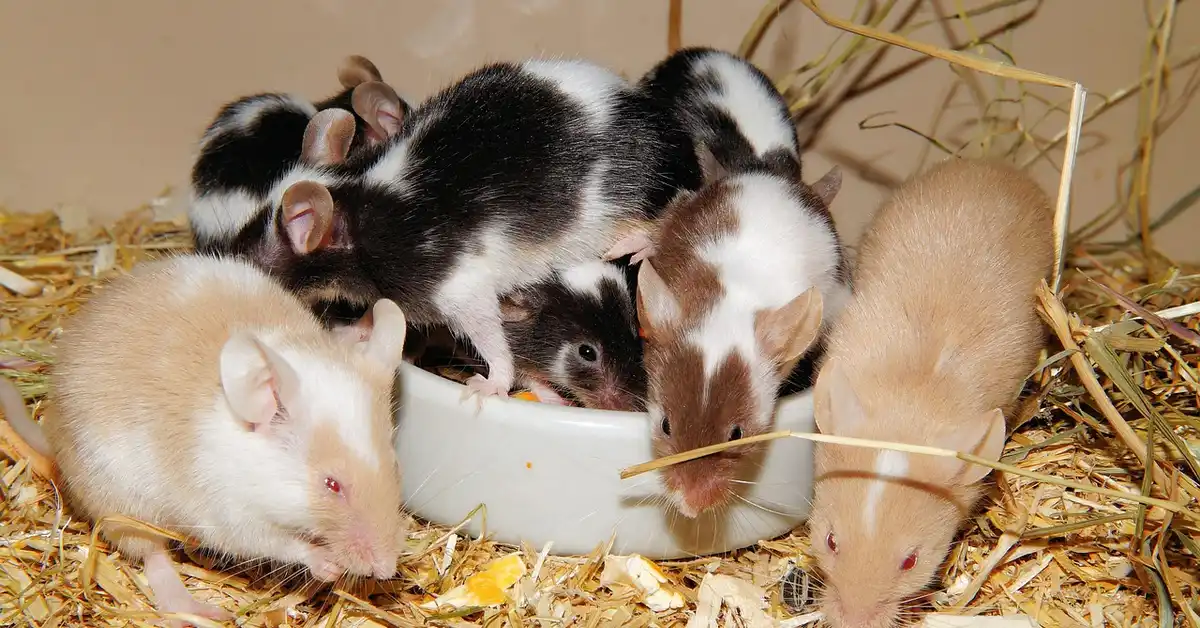
You’ll notice several key physical changes that signal a baby mouse is maturing. Their eyes open around 12-14 days old, revealing bright, curious pupils that are no longer sealed shut. A full, sleek coat of fur replaces the initial sparse fuzz, making them look less like tiny pink raisins and more like miniature adults. Their bodies become more coordinated and sturdy, losing the initial wobbly, top-heavy appearance of newborns.
- Fully opened, bright, and alert eyes
- A complete, smooth coat of fur covering their entire body
- Ears that are unfolded and prominent
- Active and steady walking instead of a slow, crawling drag
Behavioral Readiness Signs
Behavior offers the most telling clues about their independence. You’ll see them start to explore the edges of the nest, taking small, tentative trips away from their mother and siblings. This burgeoning curiosity is a powerful instinct pushing them to investigate the wider world beyond their bedding. They begin nibbling on solid food, mimicking their mother’s eating habits, and their play-fighting becomes more energetic and coordinated.
- Venturing outside the main nest area for short periods
- Nibbling on solid food like lab blocks or small seeds
- Engaging in active, hopping play with siblings
- Grooming themselves independently
How to Determine Age If You’re Unsure
If you’ve welcomed a mouse of unknown age, you can make an educated guess by observing a combination of features. A mouse with closed eyes and nearly transparent skin is likely under two weeks old. Once you see them actively running on a wheel and eating solid food with gusto, they are almost certainly weaned and ready for life outside the nest. I’ve found that comparing their size to a common object is helpful; a mouse around the size of a whole walnut in its shell is typically at that three-week weaning mark.
- Under 2 weeks: Eyes closed, minimal fur, crawling motion
- 2-3 weeks: Eyes open, full fur, beginning to explore and nibble food
- 3-4 weeks: Actively running, eating solids confidently, fully independent
Preparing Baby Mice for Nest Departure
Setting Up Appropriate Housing
A proper new home is vital for their success. A tank or a well-ventilated cage with a solid floor is ideal, as bar climbing can be dangerous for such small, lightweights. Choose an enclosure with minimal vertical height to prevent falls that could seriously injure a young, still-clumsy mouse. Provide plenty of safe hiding spots like small cardboard boxes or commercially available huts to make them feel secure in their new space.
Transitioning From Mother’s Milk to Solid Food
Start introducing solid foods while they are still with their mother. Offer a high-quality lab block as a nutritional staple, crushed slightly for easier eating. You can moisten lab block powder or offer small, soft foods like cooked pasta or infant rice cereal to ease the transition. Always provide fresh water in a shallow, tip-proof dish or a low-profile water bottle they can easily reach.
- Begin by placing small amounts of crushed lab block in the nest around 2.5 weeks old.
- Introduce soft, moist foods for them to investigate and taste.
- Ensure fresh water is always available and accessible.
- Monitor their eating to confirm they are consuming solids before full separation.
Creating a Safe Environment
Their new habitat must be a fortress of safety. Use a fine, dust-free bedding like aspen shavings or paper-based products, avoiding cedar or pine which can cause respiratory issues. Double-check that all cage accessories, like wheels and platforms, have no gaps or holes larger than a pencil eraser where a tiny head or limb could become trapped. Remove any toys with long strings or loose parts that could pose a entanglement or choking hazard.
The Separation Process: How to Move Baby Mice From the Nest
When to Separate by Sex
This is the single most critical step to prevent rapid, uncontrolled breeding. You must separate mice by sex before they reach sexual maturity, which can happen as early as four to five weeks of age. Males and females must be housed in completely separate, non-adjacent enclosures to avoid any chance of mating. I make it a habit to do a careful gender check at the three-week mark to be absolutely certain. If you want to avoid males entirely, the following guide explains how to establish and maintain all-female colonies (doe) safely. It covers selection, introductions, and routine monitoring to keep doe groups stable and non-breeding.
Handling Young Mice Safely
Young mice are quick and fragile, requiring a gentle and confident approach. The best method is to coax them into a small, secure container like a ceramic mug or a cardboard tube, then lift the container to move them. Never pick up a young mouse by its tail, as this can cause serious injury; instead, gently scoop them up with cupped hands. Always handle them close to a soft surface, like over a bed or a table, in case of a sudden jump.
- Move them using a small container they willingly enter.
- Handle them with cupped hands for full body support.
- Keep handling sessions brief to minimize stress.
- Work in a secure, enclosed space to prevent escapes.
Post-Separation Care for Juvenile Mice
Monitoring Health and Development
Once those tiny paws step out into the big world, your role shifts from observer to active guardian. I make it a daily ritual to gently check each young mouse for clear, bright eyes and clean, smooth fur free of any bald patches. Their energy levels should be consistently high, with plenty of bursts of playful activity followed by deep, restful naps. You’ll want to ensure they are gaining weight steadily; a small digital kitchen scale used weekly provides the best proof of healthy growth. Watch for symmetrical physical development, as any limping or favoring of one side can indicate an issue needing attention. Don’t forget to monitor their grooming habits to spot any potential health concerns early.
- Perform a daily visual check for bright eyes and a glossy coat.
- Weigh them weekly to track consistent weight gain.
- Observe their gait and movement for any signs of stiffness or limping.
- Listen for clear, quiet breathing without any wheezing or clicking sounds.
- Monitor their activity cycles, ensuring a good balance of play and sleep.
Nutrition for Growing Mice
Juvenile mice have immense nutritional demands to fuel their rapid growth and endless curiosity. A high-quality commercial lab block should form the sturdy foundation of their diet, providing all the essential vitamins and minerals they can’t get elsewhere. I like to supplement this with small, protein-rich treats like a bit of scrambled egg or a mealworm a few times a week, which my Jeffery goes absolutely wild for. Fresh vegetables are wonderful, but introduce them one tiny piece at a time to avoid upsetting their delicate digestive systems. Always, always ensure a fresh supply of water is available in a sipper bottle they can easily use. Keep in mind that special life stages — pups, pregnant or nursing females, and seniors — often need dietary adjustments like extra calories, higher protein, or softer foods. Consult a veterinarian or reliable husbandry guidelines to tailor diets safely for these cases.
- Provide an unlimited supply of nutritionally complete lab blocks.
- Supplement with protein sources like cooked egg or insects 2-3 times weekly.
- Introduce new fresh veggies (e.g., broccoli, pea) in pea-sized amounts.
- Ensure constant access to clean, fresh water.
- Avoid sugary fruits and high-fat seeds as primary food items.
Social Needs and Group Housing
Mice are profoundly social creatures, and a young mouse living alone is a profoundly lonely mouse. Juveniles thrive in small, stable groups where they can learn social cues, play, and sleep in a comforting pile. I’ve found that housing them with calm, older mentors like my Gregory can have a wonderfully settling effect on bolder youngsters. The enclosure must offer plenty of space for everyone to have moments of solitude, with multiple hideouts, water bottles, and food dishes to prevent any squabbles over resources. Watch their interactions closely at first to ensure they are bonding and not bullying.
- House juveniles in small, same-sex groups to fulfill their social needs.
- Include older, calm mice in the group to provide mentorship.
- Provide multiple identical resources (hides, water bottles) to minimize conflict.
- Ensure the cage is large enough for active play and individual space.
- Observe group dynamics for healthy play and peaceful cohabitation.
Warning Signs and Common Problems After Nest Departure
Signs of Premature Separation
Sometimes, a baby mouse finds itself away from the nest too soon, and it’s vital to recognize the signs. A mouse that has left the nest too early will often be noticeably smaller than its cage mates, with a thin, scruffy-looking coat and eyes that seem a bit too large for its head. You might notice a distinct lack of coordination, with wobbly movements and difficulty navigating simple obstacles. They may struggle to eat solid food from a dish, seeming confused by lab blocks they should readily consume. Their cries will be more frequent and sound more distressed, a high-pitched, persistent call for warmth and comfort that’s simply heartbreaking to hear. If you encounter a pup like this, early intervention can be lifesaving — you may need to raise orphaned mouse pups and provide specialized care. Learning when to step in and how to offer warmth, nutrition and comfort is essential for their survival.
- Significantly smaller size and lower weight than siblings.
- Poor coordination and a wobbly, unsteady gait.
- Difficulty consuming solid food and drinking from a water bottle.
- Constant, high-pitched vocalizations indicating distress.
- An inability to thermoregulate, often feeling cool to the touch.
Health Issues in Young Mice
Young immune systems are still building their defenses, making juveniles susceptible to certain ailments. Respiratory infections are a top concern, marked by audible breathing, sneezing, and a red-brown discharge around the eyes and nose called porphyrin. Digestive upset is also common, often resulting from dietary indiscretion, so watch for soiled fur around the tail or a decrease in fecal output. External parasites like mites can cause intense itching and hair loss, particularly around the neck and shoulders. Any sign of lethargy or a sudden lack of interest in food is a red flag that warrants immediate attention.
- Watch for sneezing, wheezing, or red discharge signaling a respiratory issue.
- Monitor for diarrhea or a dirty bottom, indicating digestive trouble.
- Check frequently for excessive scratching or patchy fur, signs of mites.
- Note any lethargy or loss of appetite, which are universal signs of illness.
- Look for any lumps, bumps, or wounds that need veterinary care.
Behavioral Concerns
Behavior is a window into a young mouse’s well-being, and sudden changes often speak volumes. Barbering, where one mouse obsessively chews the fur of another, is a sign of social stress or boredom that requires environmental enrichment. Unexplained aggression, like persistent chasing and fighting, can break out if the group dynamic is unbalanced or space is too cramped. Conversely, a mouse that hides constantly and avoids all interaction may be overly fearful or unwell. Repetitive, stereotypic behaviors like pacing or wire-gnawing suggest their habitat isn’t meeting their mental stimulation needs.
- Barbering (fur-chewing) on cage mates points to stress or dietary lack.
- Persistent, injurious fighting indicates a need to re-evaluate the group.
- Excessive hiding and avoidance can signal fear or illness.
- Repetitive pacing or jumping suggests a need for more cage complexity.
- A sudden change in normal habits is always a cause for closer observation.
Special Situations: Wild Baby Mice and Unexpected Litters
Finding a wild baby mouse or being surprised by an unexpected litter in your pet group requires a calm and careful approach. If you discover a wild baby mouse that is uninjured and in a safe location, the very best course of action is to leave it alone, as the mother is almost certainly nearby and waiting to retrieve it. For an unexpected litter from pet mice, your priority is to provide the mother with immense peace and privacy, disturbing the nest as little as possible while offering her extra food and water. Resist the urge to handle the babies for at least the first week, as this can cause immense stress. Contacting a local veterinarian or rodent rescue for guidance is a fantastic step, as they can provide species-specific advice and resources. Knowing what to do if you find a nest of baby mice can make all the difference in their survival.
- Healthy, uninjured wild babies should be left for the mother to find.
- For pet litters, provide ample quiet, nesting material, and extra nutrition.
- Minimize all handling of both the mother and babies for the first week.
- Seek expert advice from a vet or rescue organization for support.
- Begin planning for the ethical separation and housing of same-sex juveniles well before weaning age.
Frequently Asked Questions
Do baby mice leave droppings?
Yes, baby mice do leave droppings as they grow and become more active. Initially, the mother mouse cleans up after them by consuming their waste to keep the nest sanitary, but once they start exploring and eating solid food around 3 weeks old, they begin defecating independently outside the nest. You may notice small, pellet-like droppings in the enclosure as a sign of their developing digestive systems and increased mobility.
When do baby mice leave the nest during the day?
Baby mice are naturally more active during the evening and night due to their nocturnal instincts, so they tend to leave the nest primarily after dusk. However, as they approach 3-4 weeks of age and gain confidence, you might observe brief daytime explorations, especially in a calm, secure habitat. These daytime ventures are usually short and cautious, as young mice still rely on the nest for safety and rest during brighter hours.
When do baby mice leave the nest in the house?
In a household setting, wild baby mice typically begin leaving the nest around 3-4 weeks old, similar to pet mice, but this can vary if the nest is disturbed or resources are scarce. If you suspect wild mice are present, avoid interfering, as the mother is likely nearby; instead, focus on sealing entry points and consulting pest control for safe removal. For unexpected pet litters in a home, ensure the enclosure is secure to prevent escapes during this exploratory phase.
Your Journey with Young Mice
Watching your mouse family grow is one of the most rewarding parts of being a pet owner. The moment those tiny pups start venturing from the nest marks a beautiful transition, not an ending. It’s a sign of your excellent care that they’ve developed the confidence to explore. Observing this stage can also teach you about nest-building 101 and the basics of mouse architecture. Knowing how they choose materials and organize their space helps you support their natural instincts.
Trust your observations and the natural rhythm of your mouse’s development. Continue providing a safe, enriching environment, and you’ll be amazed at the unique personalities that emerge as your young mice confidently claim their place in the world.
Further Reading & Sources
- Mouse Nest Removal | Where Do Mice Nest in House
- Identifying and Preventing Baby Mice
- Baby Mice | Mouse Reproduction Cycle | Orkin
Isabella is a passionate small pet enthusiast with over 8 years of experience in caring for mice. She loves sharing practical tips and heartfelt stories to help fellow mouse owners provide the best care for their tiny companions.
Mouse Biology & Anatomy