
When to Call a Professional: Risks of a Large Infestation
Have you ever walked into your mouse’s habitat and felt a knot in your stomach, wondering if their numbers have grown beyond your control? I’ve been there with my own mice, and this guide is designed to give you a straightforward path to recognizing when expert help is needed to keep your pets safe and sound.
You’ll learn how to spot the early warning signs of overpopulation before it escalates, the specific health hazards that come with too many mice in one space, and exactly when picking up the phone to a vet or specialist becomes non-negotiable for their well-being.
Why Wild Mouse Infestations Put Your Pet Mice at Risk
As a mouse owner, your first instinct is to protect your tiny companions, and a wild infestation introduces dangers that go far beyond simple nuisance. Wild mice are not just uninvited guests; they are potential carriers of diseases and parasites that can devastate your pet’s health. Their immune systems are built for a harsh, outdoor existence, exposing them to pathogens your domesticated mice have never encountered.
I’ve seen the subtle shift in my own mouse, Gregory’s, behavior when he senses an intruder—his usual calm demeanor becomes guarded and tense. The stress from competing with unseen wild mice can suppress your pet’s immune system, making them far more susceptible to illness. This constant, low-grade anxiety is terrible for their well-being. This is often called stress illness in mice and can show up as decreased appetite, fur loss, or more frequent infections. Recognizing and reducing these stressors is key to keeping them healthy.
- Disease Transmission: Wild mice can carry viruses and bacteria like hantavirus or salmonella on their fur and in their waste, contaminating your pets’ food, water, and bedding.
- Parasite Infestation: Mites, fleas, and ticks can easily transfer from a wild mouse to your pets, causing intense discomfort, skin infections, and further health complications.
- Territorial Aggression: While direct fights are rare, the scent marking and presence of wild mice cause immense psychological stress, leading to changes in eating habits and social friction within your pet mouse group.
- Resource Competition: Wild mice will not hesitate to steal your pets’ high-quality food, leaving your mice undernourished and more vulnerable.
Signs You’re Dealing With a Severe Infestation
A single wild mouse might be a fluke, but multiple signs point to a serious problem that needs immediate professional attention. Trust your senses-if something smells, sounds, or looks off in your mouse’s environment, it likely is. Your pets are your best early warning system.
- Visual Encounters: Spotting a wild mouse during the day is a major red flag. It often indicates a crowded nest forcing some out to forage at unusual times.
- Auditory Evidence: You hear persistent scratching, gnawing, or scurrying sounds within your walls, ceilings, or floors, especially at night. This is distinct from the softer, more familiar sounds of your pets in their cage.
- Droppings Galore: Finding a significant number of small, dark droppings in kitchen cabinets, along baseboards, or-most alarmingly-near your pet’s cage.
- Structural Damage: Look for fresh gnaw marks on furniture, wires, and food packaging. Wild mice have incredibly strong teeth and will chew through almost anything.
- Nesting Materials: Discovering piles of shredded paper, insulation, or fabric in hidden corners like closets or behind appliances.
- A Musky Odor: A persistent, unpleasant ammonia-like smell is a telltale sign of a large, established infestation.
How to Tell Wild Mice Apart From Your Pets
At a quick glance, it can be tricky, but several key differences become clear upon closer inspection. Wild mice have a rugged, survivalist appearance compared to the groomed and often plumper look of your beloved pets. My curious Kenny, for instance, has a sleek, well-fed coat, while every wild mouse I’ve ever seen looks lean and wiry.
| Characteristic | Wild Mouse | Pet Mouse |
|---|---|---|
| Body Shape & Coat | Lean, muscular body with coarse, often dirty fur. May have scars or bald patches. | Softer, fuller body with a clean, sleek, and well-groomed coat. |
| Ears & Eyes | Eyes are often beady and constantly scanning for threats. Ears may have nicks. | Eyes are typically brighter and more curious. Ears are intact and clean. |
| Behavior | Extremely skittish, freezing or darting for cover at the slightest sound or movement. | May be cautious but often shows curiosity toward familiar people and environments. |
| Location | Found outside the cage in cupboards, walls, or hidden corners of the room. | Should, under controlled circumstances, only be found in or immediately around their habitat. |
The most reliable indicator is always location-a mouse outside of a secured habitat is almost certainly a wild intruder. If you see one, assume there are more you haven’t seen, as they are masters of staying hidden.
Health Hazards That Require Professional Pest Control
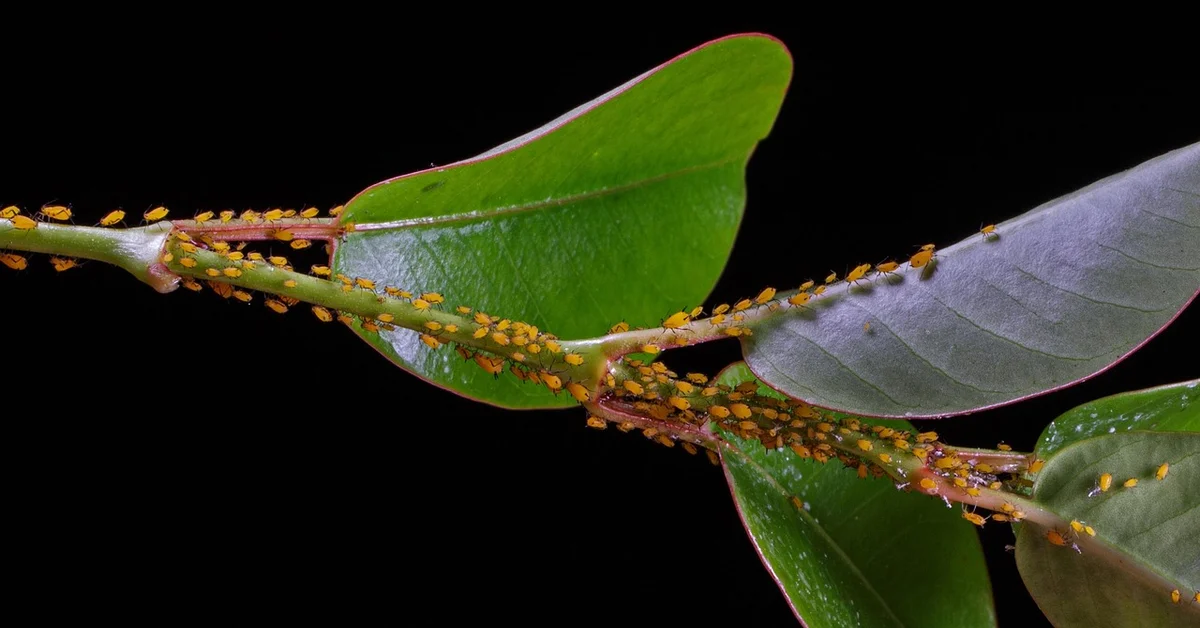
Large infestations bring hidden dangers that can jeopardize your pet mice’s well-being, even if they live in a separate enclosure. Wild mice carry diseases and parasites that might indirectly affect your pets through contaminated food or bedding. Their droppings and urine can harbor bacteria like Salmonella, posing a risk if accidentally introduced to your mice’s habitat.
Secondary Poisoning and Chemical Treatment Dangers
Using store-bought poisons or traps near your pet mice’s area can lead to accidental exposure. Secondary poisoning occurs when your mice ingest a wild mouse that has consumed rodenticide, causing internal harm. Chemical treatments might seem effective, but their residues can linger on surfaces your pets touch or nibble.
- Avoid rodenticides entirely if you have pet mice-opt for pet-safe alternatives.
- Seal off any areas where treatments are applied to prevent cross-contamination.
- Monitor your mice for unusual behavior, such as lethargy or loss of appetite, which could signal exposure.
From my own care routine, I always check ingredients on any pest control product. Even natural repellents like peppermint oil can irritate your mice’s sensitive respiratory systems if overused. Many people recommend peppermint oil or cayenne pepper as natural mouse repellents because their strong scents or capsaicin can deter wild rodents. However, effectiveness is inconsistent and these substances can harm pets, so use caution. If you notice your pets sneezing or avoiding certain spots, reassess your methods immediately.
When DIY Methods Stop Working
You might start with simple solutions like sealing entry points or using humane traps, but infestations can outgrow these efforts. If you spot more than a few wild mice daily or find new droppings consistently, DIY approaches are no longer sufficient. Mice breed rapidly, and a small problem can escalate within weeks.
- Signs it’s time to call a pro: nests in walls, chewed wires, or persistent scratching noises at night.
- Repeated trap failures indicate the mice have learned to avoid your setups.
- An increase in odor or visible damage to stored items points to a growing colony.
I recall a time when my mouse Kenny’s curious nature led him to investigate a DIY trap, reminding me that pet mice’s safety comes first. Trust your instincts-if you feel overwhelmed, professional help ensures a thorough solution. Waiting too long can stress your pets and compromise their environment. When children handle mice, always supervise and teach gentle, cupped handling to avoid squeezing or sudden movements. Make sure kids wash their hands before and after contact to keep both them and the mice healthy. For more tips on safe handling, visit “When children handle mice”.
Protecting Your Pet Mice During Professional Treatment
When professionals handle the infestation, your main focus shifts to shielding your mice from harm. Relocate your mice to a quiet, secure room away from treatment areas, using a familiar carrier to reduce stress. Cover their enclosure with a breathable cloth to minimize noise and chemical exposure. Ask the pest control company what methods and chemicals they will use and whether those treatments are safe for small animals. They should explain any precautions to take and how long to keep your mice away from treated areas.
- Move food, water, and bedding to a clean space before treatment begins.
- Keep your mice indoors until the professional confirms it’s safe to return.
- Wash your hands thoroughly after handling any pest control materials to avoid transferring residues.
My mice Gregory and Jeffery appreciate routine, so I maintain their feeding schedule during disruptions. Consistency helps them feel secure when their surroundings change unexpectedly. After treatment, ventilate the room and clean surfaces your mice might contact.
Questions to Ask Your Pest Control Service
Choosing a pet-friendly service is crucial for your mice’s safety. Always inquire about their experience with homes that have small pets like mice. Ask specific questions to gauge their approach and precautions, especially when keeping mice with other pets.
- What methods do you use, and are they safe for pet mice?
- How long should my mice be kept away from treated areas?
- Do you offer non-toxic or integrated pest management options?
- Can you provide a written plan that outlines steps to protect my pets?
Clear communication prevents misunderstandings. A reputable service will welcome your questions and prioritize your pets’ health in their strategy. Don’t hesitate to request references or proof of pet-safe certifications if needed.
The Real Cost of Delaying Professional Help
Putting off that call to a professional can feel like the easier choice, especially when you are trying to manage the delicate environment for your own pet mice. I have learned that hesitation often allows a small problem to escalate into a full-scale crisis that endangers everyone in the home. The initial signs might seem manageable, but the hidden costs accumulate quickly.
One of the most immediate risks involves the health of your beloved pets. Wild rodents carry diseases and parasites that can be transmitted to your captive mice through air particles or contaminated surfaces. An infestation introduces pathogens like hantavirus or leptospirosis into your home, creating a silent health threat that standard cleaning cannot eliminate. My own mice, like the curious Kenny, would be particularly vulnerable due to their constant exploration of new scents and spaces.
Beyond health, the physical damage to your home can become severe and expensive. Wild mice are relentless chewers, and they do not distinguish between a baseboard and an electrical wire. Their gnawing can compromise the structural integrity of walls and, most dangerously, create significant fire hazards by damaging wiring behind them. The repair bills for this kind of damage will far exceed the cost of early professional intervention.
The emotional and psychological toll is a cost many do not anticipate. The constant stress of hearing scratching in the walls, finding droppings, and worrying about your pets’ safety is draining. Living in a state of heightened alert erodes the joy of pet ownership and turns your home into a source of anxiety instead of a sanctuary. You deserve peace of mind, and your pet mice thrive in a calm, secure environment.
What Happens During a Professional Risk Assessment
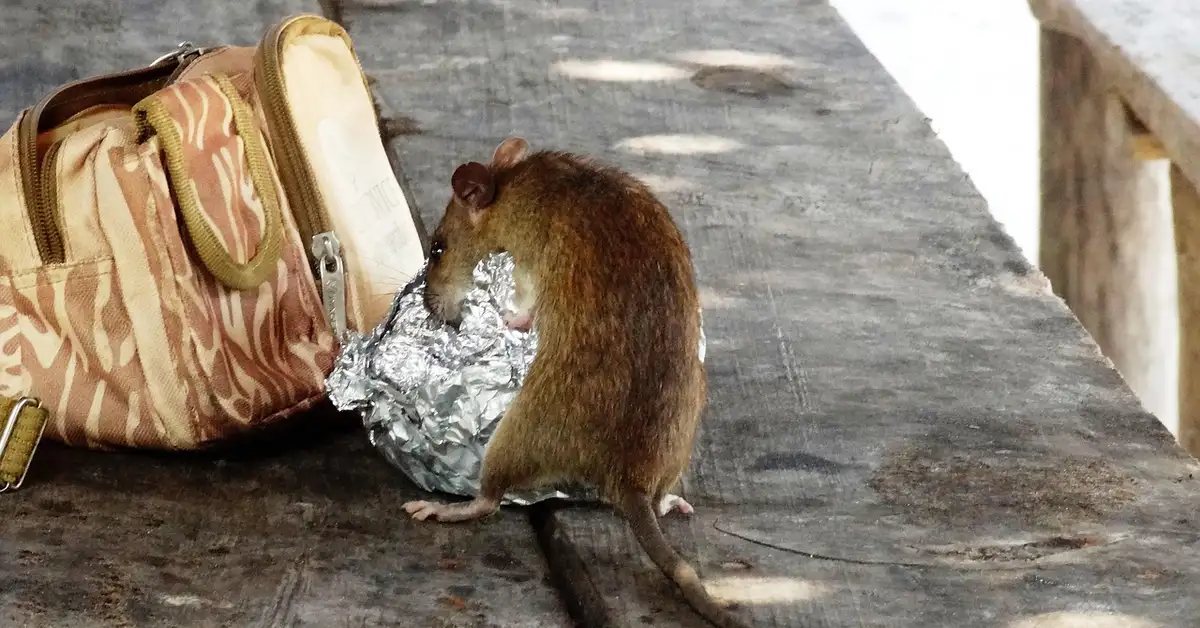
When a professional arrives, their first job is to understand the complete picture without causing panic. They are not just looking for mice; they are piecing together a story of how they live in your home. A thorough assessment focuses on identifying all entry points, nesting areas, and food sources that sustain the infestation. When you hire pest control for mice, expect the technician to walk you through their findings and recommended steps. Good companies will also explain prevention measures so the problem doesn’t return. This detective work is the foundation for a safe and effective solution.
The technician will perform a detailed inspection, both inside and outside your dwelling. They are looking for the subtle clues that you might miss. You can expect them to:
- Inspect the exterior foundation, siding, and roofline for gaps as small as a dime.
- Check interior areas like basements, attics, and crawl spaces for nests, rub marks, and droppings.
- Evaluate the proximity of potential outdoor attractants like woodpiles, bird feeders, or unsealed garbage.
- Ask specific questions about your pet mice’s enclosure location and your daily care routine.
This process is collaborative. A good professional will listen to your concerns about your pets. They will explain their findings clearly and outline a plan that prioritizes the safety of your pet mice while effectively dealing with the wild population. The goal is a targeted approach, not a widespread, dangerous application of chemicals.
Integrated Pest Management for Homes With Pet Mice
For households with small pets, a blanket pesticide treatment is not an option. Professionals use a strategy called Integrated Pest Management (IPM), which is a multi-pronged, sensible approach. IPM focuses on long-term prevention and uses the least hazardous methods first, making it the only responsible choice for a home with pet mice. It is about making your home permanently uninviting to pests, especially when you’re dealing with pest control for mice.
The core components of an IPM plan in this situation are executed in a specific order:
- Inspection and Monitoring: The professional identifies the scope of the problem and may use non-toxic monitoring traps to gauge activity levels.
- Prevention and Exclusion: This is the most critical step. The technician will seal every possible entry point with durable materials like steel wool, hardware cloth, or copper mesh, which wild mice cannot chew through.
- Sanitation and Habitat Modification: They will advise you on removing food and water sources that attract wild mice, which includes securing all human and pet food in airtight containers.
- Control Measures: Only as a last resort, and with extreme caution, will they use control methods. These are always placed in locations completely inaccessible to your pets, such as locked tamper-resistant stations in wall voids or secured areas your pets never frequent.
Communication is key throughout this process. You must feel empowered to ask exactly what products will be used, where they will be placed, and what the specific risks are to your animals. A reputable professional will have clear, reassuring answers and will treat the safety of your pets with the same seriousness as eliminating the pest problem.
Frequently Asked Questions
When should I call pest control for a mouse infestation in my pet mice’s environment?
Call pest control as soon as you notice persistent signs like repeated sightings of wild mice, ongoing scratching noises, or evidence of nesting near your pets’ habitat. Delaying can expose your pet mice to diseases and stress from wild intruders, making professional intervention essential for their safety and well-being.
How can I find a reliable pest control service near me that is safe for pet mice?
Start by searching online for “pet-safe pest control near me” or check local directories, focusing on services with experience in homes with small animals. Look for companies that emphasize integrated pest management (IPM) and are willing to discuss non-toxic options to protect your pets during treatment.
Why is it important to read contact pest control reviews before hiring them?
Reviews provide insights into a company’s reliability and how they handle situations involving pets, helping you avoid services that use harsh chemicals or lack experience with small animals. Positive feedback from other pet owners can give you confidence that the service will prioritize your mice’s health during the infestation resolution.
Your Path Forward
Recognizing when a situation has moved beyond your control is a sign of a truly responsible pet owner. Your primary role is to be a protector, ensuring the health and safety of your small companions above all else. Calling for professional assistance is not a failure but a smart, compassionate choice for their well-being.
Trust your instincts-if your mice seem stressed, your enclosure feels compromised, or the problem is simply growing too fast, you are making the right call. This decisive action secures a peaceful, healthy home for your pets, allowing you to return to the joy of caring for them. My own trio, Kenny, Gregory, and Jeffery, thrive because we maintain a clean, controlled environment where their biggest worry is who gets the next sunflower seed.
Further Reading & Sources
- Ask The Contractor: How To Know When To Call A Professional For Your Home Project
- What does it really take to call yourself a “professional”?
- When You Can DIY and When to Call a Professional | Reed Design Build
Isabella is a passionate small pet enthusiast with over 8 years of experience in caring for mice. She loves sharing practical tips and heartfelt stories to help fellow mouse owners provide the best care for their tiny companions.
Professional Pest Control