
Where to Place Your Mouse Cage: A Guide to a Safe and Calm Location
Have you ever wondered if your mouse’s cage is in the right spot to keep them happy and healthy? Finding that perfect location can feel overwhelming, but as someone who has cared for mice like my curious Kenny and calm Gregory, I know how much the environment shapes their world. Placing the cage in a poorly chosen area can lead to stress and health issues, while the right spot encourages playful antics and peaceful rest.
This guide will walk you through simple, effective steps to select a secure and soothing home for your mice, drawing from years of hands-on experience. You’ll learn about ideal room temperatures, avoiding loud noises, and creating a space that supports their natural instincts without common pitfalls.
Why Mouse Cage Placement Directly Affects Your Pet’s Health
How Mice Experience Their Environment Differently Than We Do
We experience our homes through a human lens-the hum of a refrigerator is background noise, a sliver of sunlight is pleasant. For your mouse, these same elements are amplified into a sensory symphony that can either soothe or stress them profoundly. Their world is perceived through vibrations, subtle air currents, and sounds pitched far beyond our hearing. A floor that feels solid to you transmits every footstep as a tremor through their delicate bodies.
Think of your mouse as a tiny, furry barometer for the entire room. They notice the faint scent of an onion being chopped three rooms away or the almost imperceptible draft sneaking under a door. This hyper-awareness is a survival instinct, making them exquisitely sensitive to their surroundings in a way we can barely comprehend. A location that seems perfectly fine to us might be a chaotic, overwhelming environment for them.
I’ve seen this firsthand with my own mice. My curious boy Kenny becomes a nervous wreck if his cage is near the kitchen, while my calm mentor Gregory visibly relaxes when placed in a quiet corner. Their distinct reactions taught me that placement isn’t just about convenience; it’s about respecting their unique perception of the world. Getting it right builds a foundation of security that supports their entire well-being.
The Core Requirements: Non-Negotiable Location Factors
Temperature and Airflow: Getting the Balance Right
Mice thrive in a surprisingly narrow temperature band, and getting this wrong is one of the fastest ways to compromise their health. The ideal range is a steady 65°F to 75°F (18°C to 24°C). Consistency is far more critical than the exact number, as sudden temperature swings are incredibly stressful for their small bodies.
- Away from Direct Heat Sources: Radiators, fireplaces, and even direct sunlight through a window can create dangerous hot spots. Their cage can become an oven in minutes.
- Protected from Chilly Drafts: Avoid placing the cage in line with air conditioning vents, frequently opened doors, or drafty windows. A persistent draft can lead to respiratory infections.
- Mind the Air Quality: Rooms with heavy cooking fumes, smoke, or strong aerosol sprays are a definite no. Their respiratory systems are fragile and easily irritated.
- Off the Floor: Cold air sinks, and floor-level drafts are the most common. Placing the cage on a stable stand or table elevates them into a more temperate and stable air layer.
Light Exposure: Natural Rhythms and Sleep Cycles
Mice are crepuscular, meaning they are most active during dawn and dusk. Their sleep-wake cycle is governed by light, and disrupting this rhythm can cause chronic stress and health issues. Providing a natural light cycle is like giving them a reliable internal clock, which is fundamental to their sense of security and overall well-being. When their internal clock is off, it can lead to visible signs of stress.
- Indirect Natural Light is Best: A room with a window provides a natural day/night cycle, but the cage should never be in direct sunlight. A corner that brightens and darkens naturally is perfect.
- Avoid 24/7 Artificial Light: Never place the cage in a room where a bright light is left on all night. They need true darkness to rest properly and maintain their health.
- Steer Clear of Flashing Screens: The constant, flickering light from a television or computer monitor can be disorienting and prevent restful sleep, even if the volume is low.
- Create a Dark Retreat: Ensure the cage itself has plenty of enclosed hides and sleeping areas where a mouse can retreat to complete darkness whenever it feels the need, day or night.
Safety First: Hazards to Avoid When Choosing Your Spot

Creating a Pet-Safe and Childproof Zone
Your mouse’s home should be a sanctuary, not a source of stress. The single most important rule is to place the cage away from direct sunlight and heating or cooling vents. A spot that seems cozy to you can become a deadly oven for a small animal in just minutes. If your mouse is sick, set up a quiet “hospital” corner or a separate small hospital cage in that same protected spot. Reduced noise, stable temperature, and easy access make recovery much safer.
Look around the room from a mouse’s perspective, scanning for potential dangers. Household items you barely notice, like scented candles, essential oil diffusers, and air fresheners, can severely irritate a mouse’s sensitive respiratory system. I keep my cage in a room where these are never used. When cleaning near the cage, I choose products known to be safe around mice—unscented, mild cleaners like diluted white vinegar or unscented castile soap—and avoid bleach, ammonia, phenolic disinfectants, and aerosol sprays. I always rinse surfaces well and ventilate the room to minimize lingering fumes.
- Toxic Plants: Many common houseplants are poisonous if nibbled. Ensure any greenery is well out of reach or opt for artificial plants.
- Electrical Cords: Mice are master escape artists. Position the cage away from any dangling cords they could potentially chew on during an adventure.
- Other Pets: Even a friendly cat or a calmly watching dog induces immense stress. The cage should be in a room other pets cannot access unsupervised.
- High Traffic Areas: Doorways where people constantly pass create drafts and vibrations that can unsettle your pets.
- Noisy Appliances: Televisions, loud speakers, and whirring computers can be overwhelming for creatures with such acute hearing.
Room-by-Room Guide: Best Places in Your Home
Bedroom Placement: Pros, Cons, and How to Make It Work
Placing your mice in your bedroom can be a wonderful way to bond, as you share your quiet, private space. The gentle rustling and shuffling of your mice at night can be a surprisingly soothing white noise. You are also more likely to notice subtle changes in their behavior or health.
This setup requires careful management to succeed. The main challenge is that mice are most active during the night, and their nocturnal business might disturb your sleep. A nocturnal nature guide explains that the mouse sleep–wake cycle is essentially opposite ours, with peak activity around dusk and through the night. Understanding those rhythms can help you anticipate noisy periods and take simple steps to reduce disruption. If you are a light sleeper, this might not be the ideal location for you.
- Pro: Excellent for socialization and monitoring health.
- Pro: Typically a quiet, low-traffic room during the day.
- Con: Nocturnal activity can interrupt human sleep cycles.
- Con: Bedroom-specific smells (perfumes, lotions) can be strong.
Living Room and Common Areas: What to Consider
The living room offers plenty of daytime activity for your mice to observe, which can provide great mental stimulation. Your curious mice will enjoy watching the comings and goings of family life from the safety of their cage. My mouse Kenny, for instance, loves to perch and watch everything.
This room also presents the highest risk for accidents and stress. You must ensure the cage is on a stable surface, out of the path of running children or boisterous play. The noise from a television or gatherings can also be too intense if not managed.
Spare Room or Home Office: The Ideal Setup
In my experience, a dedicated room like a home office or spare bedroom is often the perfect compromise. This type of room provides a consistent, controlled environment away from the main hustle and bustle of the home. The temperature is usually stable, and noise levels are predictable.
Your mice get the quiet they need during the day, and you can visit them for focused interaction. Having their cage in your office means you can enjoy their company throughout your workday without the distractions of a common area. It is a calm space for both you and your pets. Mice are social animals and benefit from regular, gentle interaction. Keeping them nearby makes it easy to provide that companionship.
Apartments and Small Spaces: Making the Most of Limited Options
Living in a compact home means you need to be creative with your cage placement. Vertical space is your best friend in a small apartment; consider a sturdy, stable shelving unit to lift the cage off the floor. This gets them away from drafts and gives them a better view.
Look for nooks and corners that are underutilized. A quiet corner of a main room, perhaps partially screened by a piece of furniture or a plant, can create a sense of a designated “mouse zone.” This helps them feel secure even in an open-plan space.
Practical Setup: The Physical Details That Matter
Accessibility for Daily Care and Cleaning
Wherever you choose, you must be able to reach the cage comfortably for daily tasks. If you have to strain, balance on a stool, or move heavy objects just to refill a water bottle, you will come to dread basic care. This can unintentionally lead to a less clean habitat for your mice.
Think about the entire process of cleaning the cage. You need enough space around the cage to easily remove the lid, take out accessories, and wipe down surfaces without knocking things over. A location that makes cleaning simple ensures you will do it more often and more thoroughly. Set up a simple routine — daily, weekly, and monthly — so tasks become manageable. Keeping cleaning supplies and spare bedding nearby makes each step quicker and less disruptive for your mice.
- Ensure the surface is at waist height or slightly higher for easy access.
- Leave ample clearance above the cage to remove the lid without hassle.
- Have a nearby flat surface, like a table, to place mice in a temporary holding bin during cleanings.
- Check that you can comfortably reach all corners of the cage for spot-cleaning.
Fine-Tuning for Comfort: Beyond the Basics
Monitoring Your Placement Choice: Signs You Got It Right (or Wrong)
Choosing a spot is just the beginning; your mice will tell you everything you need to know about your decision. Observing their daily routines gives you the clearest feedback on whether their home is a sanctuary or a source of stress. Watch them closely in the days after a move.
Signs of a perfect placement are a joy to witness. You will see your mice acting like, well, happy mice.
- Relaxed grooming sessions out in the open.
- Playful wrestling and chasing with their cage mates.
- Building elaborate, messy nests with their bedding.
- Curious exploration and climbing during their active hours.
- Taking food from your hand without hesitation.
My mouse Gregory, for instance, will find a cozy corner and settle in for a long, peaceful nap, his breathing slow and steady. That deep, contented relaxation is the ultimate sign you have created a secure environment.
Conversely, clear signals of distress mean the location needs to change immediately.
- Constant bar chewing or frantic climbing on the cage walls.
- Hiding all day and only emerging in complete darkness.
- Startling violently at normal household sounds.
- Increased squabbling or aggressive behavior between cage mates.
- A general lack of normal, curious activity.
I once had to move a cage because my youngest, Jeffery, became so jumpy he would flinch at the sound of the refrigerator. Their behavior is your most honest and immediate review of the cage’s location.
Troubleshooting Common Placement Problems
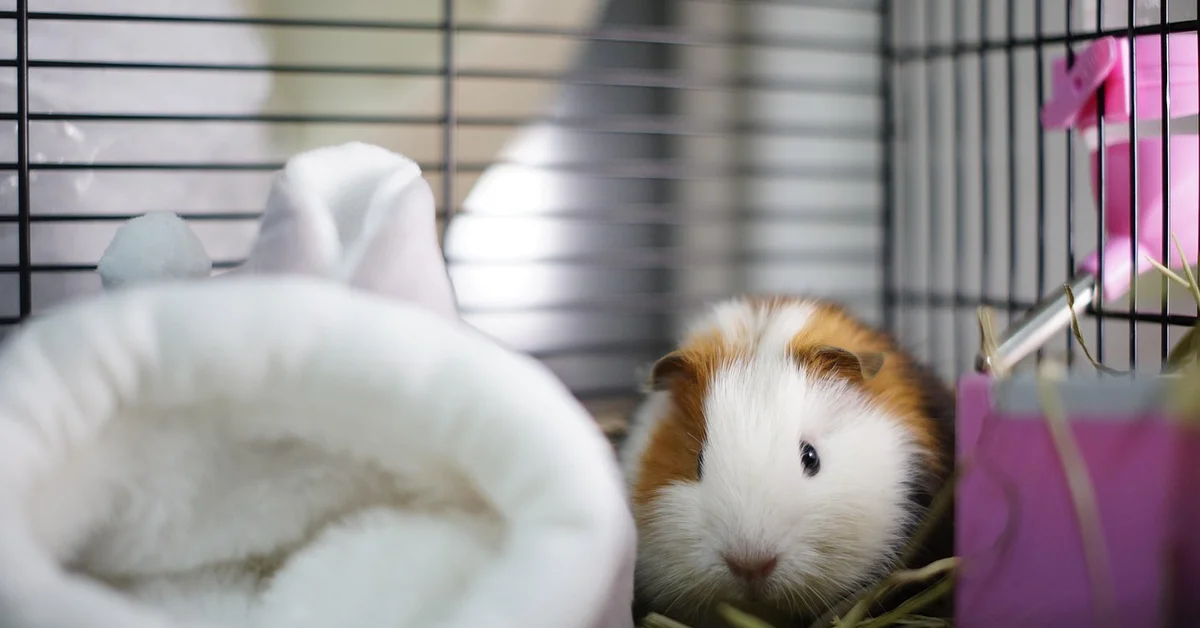
Even with the best intentions, problems can pop up. Here are solutions for the most frequent issues mouse owners encounter. Boredom is a common problem — signs include excessive gnawing, bar-chewing, over-grooming, or repetitive circling. For more details, check the best choice: “signs your mouse is bored”, where you’ll find how to spot when your mouse is bored and simple fixes to keep them stimulated.
Problem: The Only Available Spot is Noisy
If you cannot avoid a occasionally loud area, you can soften the impact. Draping a breathable fleece blanket over part of the cage creates a sound-dampening and visual barrier. Ensure at least one side remains open for proper ventilation. This gives them a choice to retreat from the commotion.
Problem: Temperature Fluctuations are Unavoidable
Drafts and heat sources are tricky. For a drafty room, moving the cage just a few feet away from the window or wall can make a world of difference. Providing extra nesting material, like plain, undyed paper strips or tissues, empowers them to build a warmer nest. In warmer spots, make sure a ceramic hide or a tile is available for them to cool down on.
Problem: Direct Sunlight Hits the Cage for Part of the Day
Sunlight creates a dangerous greenhouse effect, even through glass. The simplest fix is to use a room divider, a tall piece of furniture, or even a cardboard panel to block the sun’s rays during those peak hours. I keep a small folding screen handy for exactly this purpose during the summer afternoons.
Problem: The Cage is in a Low-Traffic Area and They Seem Lonely
While mice need calm, they also benefit from passive interaction. Setting the cage so the opening faces the room, rather than a wall, lets them observe household life without being in the middle of it. Spending quiet time near them, like reading a book, provides gentle companionship they often enjoy. Noticing how they interact can reveal social behaviors that affect mating and daily life. A calm, enriched environment supports healthy social bonds and reproductive behavior.
Frequently Asked Questions
What are some frequently discussed mouse cage placement tips on online forums like Reddit?
On platforms like Reddit, experienced mouse owners often emphasize the importance of avoiding high-traffic areas and ensuring the cage is elevated on a stable surface to reduce stress from vibrations. Many users share success stories about using quiet corners in living spaces, away from appliances and direct sunlight, to create a calm environment that mimics their natural habitat.
Another common tip from these communities is to monitor your mouse’s behavior closely after placement; if they show signs of anxiety, such as excessive hiding or bar chewing, adjust the location promptly. Reddit threads also highlight the value of using breathable covers to dampen noise in unavoidable situations, while always prioritizing good airflow to prevent respiratory issues.
How should I approach mouse cage placement in a multi-story house?
In a multi-story house, aim for middle floors if possible, as they typically experience fewer temperature extremes compared to basements or attics. Avoid placing the cage near stairwells or entryways where drafts and frequent foot traffic can cause disturbances, and opt for a room with consistent, indirect light to support their natural sleep cycles.
Ensure the cage is on a sturdy table or stand to protect against floor-level drafts and potential hazards from other household activities. Regularly check for seasonal changes, as upper floors might get warmer in summer, and lower floors cooler in winter, requiring adjustments to maintain a stable environment for your mice.
Is bedroom placement suitable for mouse cages if the owner has a non-standard sleep schedule?
If you have an irregular sleep pattern, such as working night shifts, bedroom placement can work well since your active hours might align with your mouse’s nocturnal nature, reducing mutual sleep disruptions. However, ensure the cage is positioned away from your bed to minimize noise interference, and use blackout curtains to maintain a dark environment during your rest periods.
It’s crucial to provide ample hiding spots in the cage so your mouse can retreat during your awake times if needed. Monitor for any signs of stress in your mouse, like changes in activity or appetite, and consider using a white noise machine to mask household sounds that could disturb either of you during sleep.
Wrapping Up
Choosing the perfect spot for your mouse cage is one of the most impactful decisions you’ll make for their daily happiness. By focusing on a quiet, stable, and temperate location away from direct sun and drafts, you create a sanctuary where your tiny companions can truly flourish. This ultimate guide to mouse cages will help you choose the right enclosure, layout, and accessories to match that perfect spot. Use these recommendations to create a safe, enriching home for your pets.
Trust your instincts and observe your mice; their vibrant activity and calm demeanor will be the ultimate confirmation that you’ve found the right home for them. You have the knowledge to build a wonderful environment, setting the stage for a joyful life together. Whether you plan to keep a solitary mouse or a social group, understanding mouse social behavior will help you make the best choice. Consult a mouse social behavior guide for tips on reading social cues, introducing cagemates, and recognizing when a mouse prefers solitude.
Further Reading & Sources
- How to Set up a Mouse Cage: 14 Steps (with Pictures) – wikiHow
- r/PetMice on Reddit: This is my first time owning mice, is the cage setup good?
- Tips for Setting Up a Cage for Pet Mice: From Bedding to Supplies | Animallama
Isabella is a passionate small pet enthusiast with over 8 years of experience in caring for mice. She loves sharing practical tips and heartfelt stories to help fellow mouse owners provide the best care for their tiny companions.
Household Hazards