
Why Are BALB/c and White Mice Chosen for Laboratory Experiments?
Have you ever peered into a research study and wondered why white mice, especially strains like BALB/c, appear so frequently in scientific settings?
This guide will clarify the specific traits that make these mice invaluable to research, offering a straightforward look at their roles. We will cover the genetic predictability, health profiles, and historical background that establish BALB/c and other albino strains as foundational tools in labs worldwide.
What Are BALB/c Mice and What Does BALB/c Stand For?
BALB/c is one of the most famous mouse strains in the scientific world, and the name itself is an acronym. It stands for “Bagg Albino,” tracing its origin back to a breeder named Halsey J. Bagg who first developed this albino line at the Memorial Hospital in New York over a century ago. The lowercase ‘c’ denotes a specific subline. These mice are a classic example of an inbred strain, which means they have been bred brother-to-sister for so many generations that they are virtually genetically identical to one another.
From a pet owner’s perspective, this genetic uniformity is the key to their scientific value. When every mouse in a study is a genetic clone, researchers can be confident that any changes they observe are due to their experiment and not random genetic variation. This makes data incredibly reliable. While my own mice-Kenny, Gregory, and Jeffery-are a delightful genetic mix, a lab full of BALB/c mice is like having dozens of identical twins, providing a perfectly controlled backdrop for research.
Their temperament is another defining feature. BALB/c mice are generally known for being more docile and less aggressive than some other common lab strains, making them easier to handle for routine procedures. In my experience, this calm nature is reminiscent of my older mouse, Gregory, who prefers a predictable and stable environment. This predictable behavior is just as valuable to a researcher as their predictable genetics.
Why White Mice Are Preferred for Laboratory Work
When you picture a lab mouse, you almost certainly imagine a small, white creature with pink eyes. This iconic image exists for several practical, science-driven reasons that go far beyond simple aesthetics. The white coat and pink eyes are the visible signature of albinism, a genetic trait that is deliberately bred into many laboratory strains like the BALB/c. This lack of pigment is a huge advantage for researchers. Albinism in mice is typically caused by recessive alleles, so both parents must carry the mutation for white, pink‑eyed offspring to appear. By contrast, some other coat-color traits are dominant, meaning a single copy of the allele can produce visible pigment even if the other copy differs.
Visual clarity is paramount in many types of studies. A white coat provides a stark, high-contrast background that makes it dramatically easier to see skin conditions, track tumor growth, or observe the healing of a surgical wound. Imagine trying to spot a tiny, red skin irritation on a dark gray mouse like my Kenny-it would be incredibly difficult. On a white mouse, it’s immediately obvious. This simple visual aid increases the accuracy and speed of data collection.
- Ease of Monitoring: Blood draws, vein visibility, and overall physical health are much simpler to assess on non-pigmented skin.
- Genetic Consistency: The albino gene is a stable, recessive trait. Breeding for it helps maintain the genetic purity of the strain across generations.
- Historical Precedent: Some of the very first standardized lab strains were albino, creating a long history of data collected under consistent visual conditions.
It’s also a matter of practicality and scale. Maintaining a single, uniform coat color across thousands of research animals simplifies identification and prevents mix-ups in a busy facility. While we pet owners celebrate the unique coat patterns of our companions, a lab requires standardization for the integrity of its work. The choice of a white mouse is not arbitrary; it is a carefully considered tool for ensuring scientific rigor and experimental clarity. It contrasts with the solid-colored mice often sought after for aesthetic variety in domestic settings.
What Makes BALB/c Mice Special for Research
Genetic Uniformity and Reproducibility
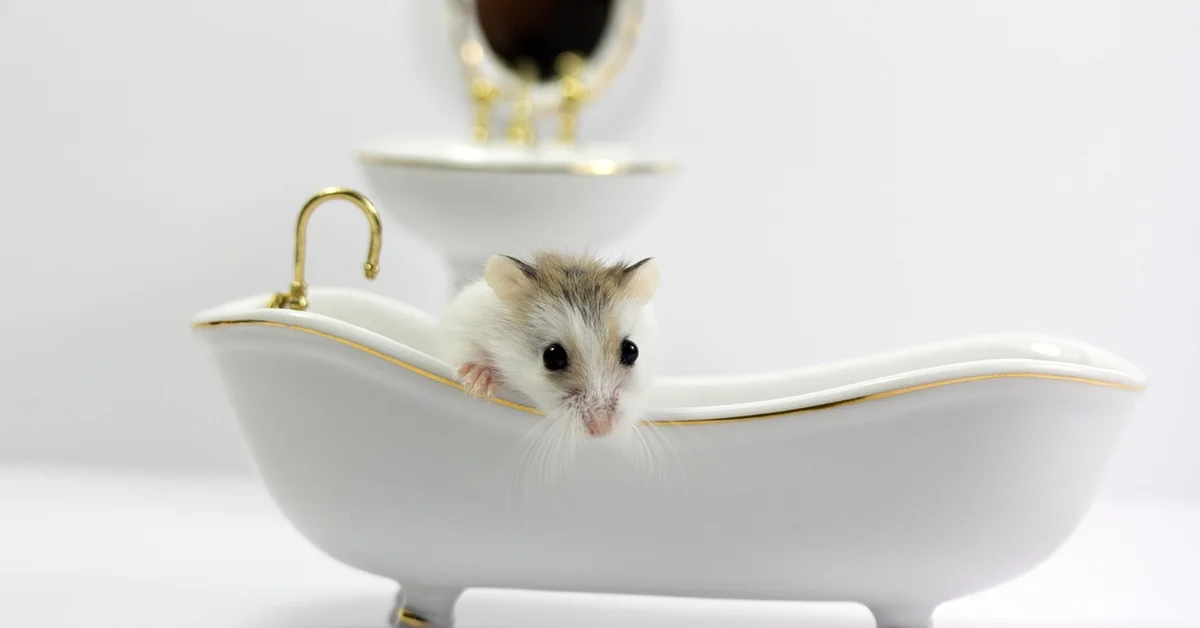
BALB/c mice are inbred, meaning they have nearly identical genetic makeup from one mouse to another. This genetic consistency allows researchers to run experiments where the results aren’t skewed by individual variations, much like having a controlled group where every member reacts similarly. In my own experience with pet mice, I’ve seen how mixed genetics lead to diverse behaviors-my curious Kenny and anxious Jeffery each have unique traits. But in labs, that predictability is key for reliable data.
- Inbred for over 200 generations, reducing genetic drift
- Minimizes variables in studies, making findings more trustworthy
- Easy to replicate experiments across different labs
Th2-Biased Immune Response
These mice naturally favor a Th2-type immune response, which involves antibodies and is linked to allergic reactions and parasite defenses. Their immune bias makes them perfect for studying conditions like asthma, eczema, and how our bodies handle allergens. If you’ve ever noticed a pet mouse sneezing or showing sensitivity, it’s a small glimpse into why researchers value this trait for human health insights.
- Th2 dominance helps model human allergic diseases
- Useful for vaccine and immunotherapy testing
- Provides a clear window into immune system imbalances
Tumor Susceptibility and Cancer Research
BALB/c mice are prone to developing certain tumors, such as mammary adenocarcinomas, without needing external triggers. This inherent susceptibility lets scientists observe cancer progression and test treatments in a natural setting, speeding up discoveries in oncology. Mouse models have revolutionized cancer research by revealing tumor biology and enabling the development of new therapies. Watching my older mouse Gregory age gracefully, I appreciate how lab strains help us understand aging and disease in ways that benefit all mice and humans.
- High incidence of spontaneous tumors aids cancer studies
- Ideal for evaluating chemotherapy and radiation effects
- Supports research on tumor genetics and prevention
Antibody Production and Hybridoma Technology
These mice excel at producing antibodies, and they’re the foundation of hybridoma technology, which generates monoclonal antibodies for medicines and diagnostics. Their robust immune systems make them top picks for creating consistent, high-yield antibody cells that are vital for treatments like immunotherapy. It’s fascinating to think that something as small as a mouse can contribute to life-saving drugs through this process.
- Widely used in monoclonal antibody development
- Hybridomas from BALB/c mice are stable and productive
- Critical for producing reagents in biomedical research
Common Research Applications for BALB/c Mice
BALB/c mice are versatile and appear in many scientific fields due to their reliable traits. From immunology to infectious diseases, these mice help answer big questions about health and treatment efficacy. As a pet owner, I see parallels in how we care for mice at home-understanding their needs mirrors how researchers use them to improve lives.
- Immunology: Studying allergies, autoimmunity, and vaccine responses
- Oncology: Investigating cancer mechanisms and drug testing
- Infectious diseases: Modeling bacterial, viral, and parasitic infections
- Neuroscience: Exploring behavior and neurological disorders
- Toxicology: Assessing chemical safety and environmental impacts
BALB/c vs BALB/cJ and Other Lab Strain Variations
While BALB/c is a standard strain, substrains like BALB/cJ have slight genetic differences that can affect research outcomes. Knowing these variations helps scientists choose the right mouse for their study, ensuring accuracy and reducing unexpected results. In my mouse care journey, I’ve learned that even small genetic tweaks can influence behavior-much like how my mice Kenny, Gregory, and Jeffery each have distinct personalities despite being similar in species.
- BALB/cJ: Often has higher activity levels and may differ in immune responses compared to classic BALB/c
- Other strains like C57BL/6 are more Th1-biased, making them better for different types of immune studies
- Variations impact everything from metabolism to stress responses, so selection is crucial
Researchers carefully match strain characteristics to their goals, much like how you’d pick a pet mouse based on temperament and care needs. This attention to detail ensures that every experiment builds a clearer picture of health and disease.
How to Identify a BALB/c Mouse
If you’re looking at a mouse and wondering if it’s a BALB/c, there are a few tell-tale signs. The most obvious identifier is their classic albino appearance: pure white fur and striking pink or red eyes. This lack of pigment is a defining feature of the strain. Beyond color, they often have a sturdy, robust body build compared to some more slender fancy mouse varieties. These visible traits arise from specific genes — the C locus produces the albino phenotype in BALB/c, while other loci such as B, D and P influence black/brown pigment, dilution, and pigment distribution in mice.
Their temperament is another huge clue. A BALB/c mouse typically exhibits a remarkably calm and docile nature, making them less skittish than many other types. While my mouse Jeffery is white and can be anxious, a true BALB/c’s nervousness is often a quieter, more reserved caution. They are less likely to be the bold adventurers of the cage, preferring stable and predictable environments.
- Coat Color: Exclusively white (albino).
- Eye Color: Pink or red.
- Body Type: Generally robust and well-proportioned.
- Behavior: Noted for a calm, docile, and sometimes timid disposition.
- Origin: Almost always sourced from a laboratory or a specialized breeder supplying research facilities.
Can Laboratory Mice Like BALB/c Be Kept as Pets?
This is a question I get often, and the answer is nuanced. From a purely practical standpoint, a BALB/c mouse can absolutely become a wonderful, gentle pet. Their placid nature can make them easier to handle for a patient owner, and they are just as deserving of a loving home as any fancy mouse.
However, the real challenge is ethical and logistical sourcing. You cannot simply walk into a pet store and find a BALB/c mouse; they are not bred for the pet trade. Acquiring one typically means adopting a “retired” mouse from a laboratory, which involves navigating specific adoption networks and protocols. This is not a straightforward process for the average pet seeker, unlike trying to find a pet mouse from a breeder, rescue, or pet store for more common strains.
I have never personally kept a BALB/c, as my trio-Kenny, Gregory, and Jeffery-are all fancy mice. If you do manage to ethically adopt a former lab mouse, especially when it’s not sourced from a breeder but rather from a laboratory, be prepared for a potentially different socialization journey. They may be unfamiliar with common pet toys and treats, requiring extra patience and a quiet, reassuring approach to help them adjust to home life.
Laboratory Mice vs Pet Mice: Key Differences
While all mice share core needs, the lives of laboratory mice and our pet companions are worlds apart. The most profound difference lies in their genetics and the resulting predictability. Lab strains like BALB/c are inbred for genetic uniformity, meaning every mouse is virtually identical. This is crucial for consistent scientific results but is the opposite of the delightful genetic diversity you find in pet mice. These features, together with short generation times, small size, and a well-characterized genome, make mice ideal experimental subjects that are the most commonly used model organism in biomedical research.
Their life experiences shape their behavior dramatically. A lab mouse has known a sterile, controlled environment, while a pet mouse thrives on enrichment and novel experiences. My curious Kenny would find a standard laboratory cage far too boring! Pet mice are selected for health, color, and temperament within a diverse gene pool, leading to unique personalities like my grumpy Gregory or cheerful Jeffery. Mice truly have individual personalities, especially in varied living conditions.
- Genetics: Lab mice are inbred for uniformity; pet mice are outbred for diversity and vigor.
- Purpose: Lab mice are tools for research; pet mice are companions for enrichment.
- Environment: Labs provide sterile, minimal settings; pets need complex, stimulating habitats.
- Health Profile: Some lab strains are prone to specific, studied ailments; pet mice have general health concerns managed by a veterinarian.
- Handling: Lab handling is often procedural; pet handling is based on building trust and a bond.
Ultimately, a pet mouse’s life is filled with choice and variety, something a laboratory mouse rarely experiences. Providing a life full of hiding spots, climbing structures, and tasty, varied snacks is the heart of pet mouse care, a stark contrast to the regulated existence of a lab subject. In research settings, mice are kept in highly controlled environments where bedding, diet, lighting and social grouping are tightly regulated to ensure consistent data. Those controls prioritize experimental reproducibility and biosecurity over the enrichment and variety typical of pet housing.
Frequently Asked Questions
What does BALB/c stand for?
BALB/c is an acronym derived from “Bagg Albino,” honoring Halsey J. Bagg, who originally developed this albino mouse strain. The lowercase ‘c’ designates a specific subline that has been maintained through rigorous inbreeding for consistency in research settings.
What are the defining characteristics of BALB/c mice?
BALB/c mice are easily recognizable by their albino traits, including pure white fur and pink eyes, which stem from a lack of melanin. Beyond appearance, they are prized for their genetic uniformity due to extensive inbreeding, resulting in nearly identical individuals that yield reliable data in studies. Their generally calm and docile temperament also makes them easier to manage during experiments compared to more skittish strains.
How do BALB/c and BALB/cJ mice differ from each other?
BALB/cJ is a substrain of BALB/c with minor genetic distinctions that can influence research outcomes. For instance, BALB/cJ mice often display higher activity levels and subtle variations in immune responses, which may affect studies on behavior or immunology. Researchers select between these substrains based on specific experimental needs to minimize variables and enhance result accuracy.
Your Path Forward
While the world of laboratory science relies on the predictable genetics of strains like BALB/c, your world as a mouse owner is beautifully different. Your focus isn’t on uniformity, but on celebrating the unique personality quirks and individual needs of your own small companions. The white coats we see in labs simply remind us that every mouse, regardless of color, is a complex little being. To understand fancy mouse breeds, pay attention to coat types, colors, and subtle temperament differences. That knowledge will deepen your appreciation and help you provide breed-appropriate care.
I find the greatest joy comes from observing my own mice’s distinct behaviors, from the bold explorer to the calm mentor. Your most important takeaway is that providing a safe, enriching habitat tailored to their natural instincts is the ultimate act of care. Cherish the individuality of your pets and the special bond you build with each one.
Further Reading & Sources
Isabella is a passionate small pet enthusiast with over 8 years of experience in caring for mice. She loves sharing practical tips and heartfelt stories to help fellow mouse owners provide the best care for their tiny companions.
Mice Genetics