
Why Is Your Mouse Suddenly Aggressive?
Has your once-friendly mouse started hissing, biting, or hiding when you reach into their cage? I know how alarming and confusing this sudden shift can feel, especially when you’ve built a bond of trust. In this guide, I’ll walk you through the likely reasons and give you a clear path to help your mouse feel safe and calm again.
We will explore common causes like pain, fear, or changes in their surroundings and I will share gentle methods to ease their stress and restore your connection.
What Mouse Aggression Actually Looks Like
Aggressive Behavior Toward You
When a mouse becomes aggressive toward its human, the signs are often unmistakable and quite different from their usual curious nibbles. You might notice a hard, purposeful bite that breaks the skin, often preceded by a tense, frozen posture and direct staring. My mouse Kenny once went through a phase of this, and it was always preceded by him flattening his ears and puffing his fur, making himself look larger.
- Forceful, painful biting that feels defensive, not exploratory.
- Loud, sharp squeaking or even chattering sounds directed at your hand.
- Charging or lunging at your fingers when you enter the cage.
- Refusing familiar, favorite treats offered from your hand.
Aggressive Behavior Toward Other Mice
Aggression between cage mates is often more subtle at first but can escalate quickly into dangerous territory. True fighting involves rolling balls of fur, high-pitched shrieking, and the intent to cause harm, which is very different from the playful wrestling you normally see. It’s important to distinguish normal dominance from bullying — dominance is usually brief and ritualized, while bullying is persistent, targeted aggression that harms one individual. You need to watch for the small, persistent behaviors that signal a serious problem.
- Barbering, where one mouse obsessively chews the fur or whiskers of another.
- Relentless chasing that prevents a mouse from accessing food, water, or hides.
- Guarding resources like the wheel or a favorite sleeping spot.
- Visible wounds, scabs, or patches of missing fur on the bullied mouse.
The Most Common Reasons for Sudden Aggression
Pain and Hidden Illness
A mouse that is suddenly lashing out is very often a mouse in pain. Rodents are masters at hiding weakness, so aggression can be their only way of communicating that something is terribly wrong. I’ve found that a sudden change in demeanor is one of the clearest signals to get them to a veterinarian immediately.
- Underlying conditions like a urinary tract infection, an abscessed tooth, or internal tumors can cause constant discomfort.
- Arthritis or an old injury can make being touched or handled excruciating.
- Skin mites or other parasites cause intense, unrelenting itching.
Fear Response and Stress
Your home is full of sights and sounds that are naturally terrifying to a tiny prey animal. A sudden onset of aggression is frequently a direct reaction to a new or overwhelming environmental stressor that you might not even notice. Creating a predictable and calm environment is the first step toward rebuilding trust.
- New pets in the house, especially cats or dogs, whose scent or presence can be alarming.
- Loud noises from construction, parties, or even a new television.
- The cage being moved to a high-traffic area with lots of sudden movement.
Hormonal and Breeding-Related Changes
While we are steering clear of the ethics of breeding, it is a biological fact that hormones can dramatically influence behavior. Intact male mice, in particular, are notoriously territorial and can become aggressive with other males as they reach sexual maturity. The dynamic in a bachelor group can shift overnight. Whether and how male mice live together is therefore an important consideration for anyone managing a colony; group-housing intact males often requires close monitoring to prevent serious aggression.
Maternal Aggression in Female Mice
If you have a female who has given birth, her behavior will understandably change. A mother mouse’s primary job is to protect her pups, and this powerful instinct can make her wary of even her most trusted human. This is a temporary phase driven by biology, not a permanent change in her personality.
- She may try to bite or nip if you approach the nest.
- She might frantically relocate her pups if she senses a disturbance.
- This behavior typically subsides as the pups grow and become more independent.
Territorial Behavior and Cage Overcrowding
Mice have a powerful need for their own personal space, no matter how much they love their friends. Even the sweetest mouse can turn into a cage bully if their home feels too cramped, leaving them with no place to retreat and relax. There’s a common myth that the published “minimum cage size” is sufficient, but those figures are often just a bare baseline and don’t meet mice’s social and behavioral needs. I always recommend a cage much larger than the minimum requirements to prevent this pressure from building.
- Not enough hideouts for every mouse to have their own private spot.
- Food bowls and water bottles placed in a single, easily guarded location.
- Too many mice in a confined space, leading to constant social friction.
Improper Handling and Socialization Problems
How you interact with your mouse builds the foundation of your entire relationship. Sudden movements, grabbing from above, or forcing interaction can shatter a mouse’s sense of security and teach them that your hand is a predator. My mouse Jeffery was incredibly skittish and required months of patient, open-palm offers before he felt safe.
- Always let the mouse approach you; never chase them around the cage.
- Avoid scooping them up from above, which mimics a bird of prey.
- Handle them for short, positive sessions focused on treats and gentle contact.
Boredom and Lack of Enrichment
A mouse with nothing to do will often turn its energy toward its cage mates or its owner. Mental and physical stagnation is a huge source of frustration that can manifest as aggression, much like a child acting out from boredom. Rotating toys and introducing new foraging opportunities can work wonders. The best enrichment toys stimulate a mouse’s mind—puzzle feeders, foraging toys, tunnels and chewable puzzles provide challenge and keep them engaged.
- Provide a deep layer of bedding for tunneling and digging.
- Use puzzle feeders and scatter feeding to encourage natural foraging behavior.
- Regularly introduce new, mouse-safe items to explore, like cardboard tubes or untreated wood.
Diet Deficiency
What your mouse eats directly impacts their mood and health. An inadequate diet lacking in key nutrients can lead to general irritability, weakness, and a lower threshold for stress. Ensuring they have a balanced, high-quality lab block as their staple food is non-negotiable for a stable temperament. Over time, a poor diet can cause chronic health problems and shorten a mouse’s lifespan. Conversely, consistent, balanced nutrition supports long-term immunity, healthy aging, and stable behavior.
- Protein deficiency can cause lethargy and make a mouse more defensive.
- Ensure a constant supply of fresh water, as dehydration causes stress.
- Limit high-fat seeds and treats, which can lead to obesity and health issues.
Age-Related Changes
As mice enter their senior years, their bodies and minds undergo changes just like any other animal. An older mouse may become less tolerant of handling or the antics of younger, more energetic cage mates, reacting with aggression where they once showed patience. My older mouse Gregory has become much more set in his ways and appreciates a calm, predictable routine.
- Vision or hearing loss can make them easier to startle.
- Cognitive decline can lead to confusion and fear-based reactions.
- Increased pain from arthritis may make them resent being touched.
Your Safety Comes First
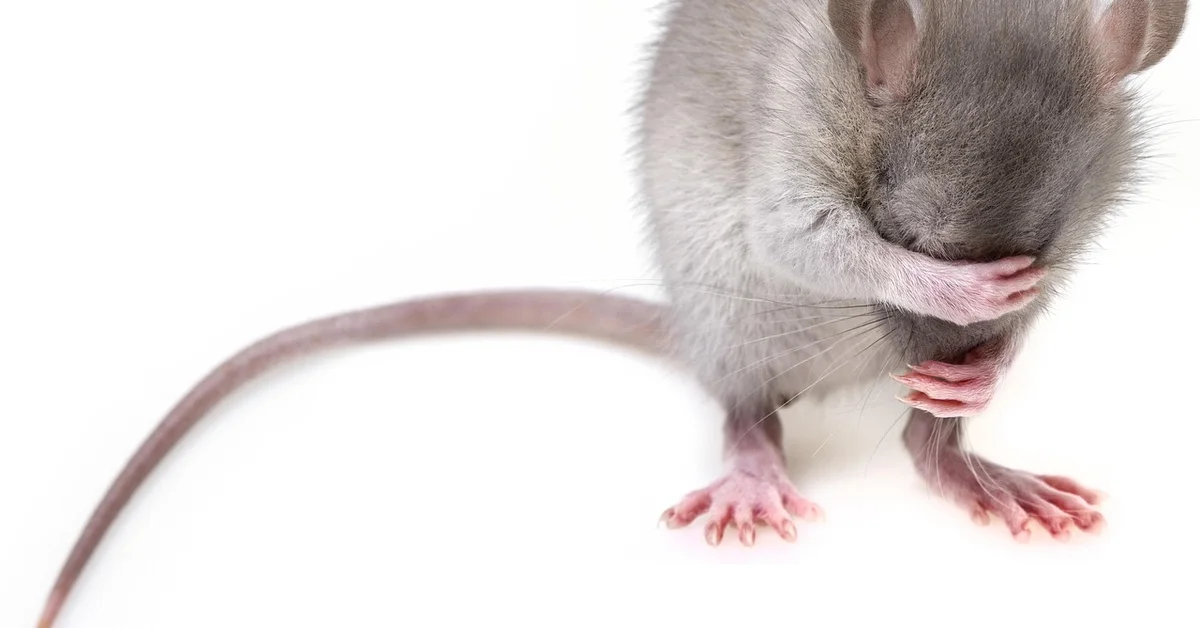
How to Handle an Aggressive Mouse Without Getting Bitten
When your gentle friend turns into a tiny piranha, your immediate reaction matters. I always use thick gardening gloves for any necessary cage maintenance when one of my mice is in a feisty mood. This simple barrier protects your skin while you refresh their food and water.
Approach your pet with a calm and predictable energy. Sudden movements will only escalate their fear-based aggression. Speak to them in a low, soothing voice as you move slowly near their habitat. Let them hear you coming before they see your hand.
- Use a small cardboard tube or a scoop to gently guide them if you need to move them, rather than grabbing with your hands.
- Never attempt to pick up a mouse that is actively displaying aggressive postures like standing tall or chattering.
- If you must handle them, do so close to the ground over a soft surface like a bed or a couch to prevent injury from a potential fall.
- Wash your hands thoroughly before interaction to remove any tempting food smells that might provoke a mistaken, exploratory nibble.
Medical Issues That Need a Vet
When Pain Is the Hidden Culprit
A sudden change in temperament is very often a cry for help. Mice are prey animals and experts at hiding weakness. An otherwise friendly mouse that lashes out is frequently a mouse in significant pain or discomfort. I learned this firsthand when my normally cheerful Jeffery became uncharacteristically snappy, which turned out to be a painful tooth issue.
Consider any new aggression as a potential symptom. Underlying causes can range from abscesses and internal pain to neurological issues. Chronic pain from conditions like arthritis can make any handling an unbearable experience for them. They cannot tell you where it hurts, so they use the only defense they have.
Warning Signs That Demand Immediate Veterinary Care
Look for these red flags that accompany aggressive behavior. Any combination of aggression and physical symptoms warrants a prompt visit to an exotic vet. Do not delay, as small animals can deteriorate quickly.
- Squinted or partially closed eyes, which can indicate pain or a feeling of general unwellness.
- A sudden lack of grooming, leading to a ruffled, puffed-up, or dirty coat.
- Noticeable weight loss or a significant decrease in appetite and water consumption.
- Lethargy, hiding more than usual, or a reluctance to move around their enclosure.
- Any lumps, bumps, or visible wounds on their body.
- Changes in their droppings or signs of diarrhea.
Calming Your Aggressive Mouse: Practical Steps
Environmental Changes That Help
Your mouse’s home should be a sanctuary, not a source of stress. Providing ample hiding places is non-negotiable for making a fearful mouse feel secure. Multiple small, enclosed hides allow them to always be within reach of safety.
Review the placement of the cage itself. Is it in a high-traffic area with loud noises and sudden movements? Relocating the cage to a quieter, calmer part of your home can work wonders for a nervous rodent. Ensure the temperature is stable and away from direct sunlight or drafts.
Improving Daily Handling and Interaction
Rebuilding trust requires patience and a new approach to interaction. For a while, stop trying to pick them up and focus on positive, low-pressure encounters. Sit by the open cage and read a book aloud, allowing them to get used to your presence and voice.
Let them come to you on their terms. Offer a high-value treat, like a tiny piece of a sunflower seed, from your open palm placed flat on the cage floor. Do not move your hand. Let them investigate, take the food, and leave without any pressure. Repeat this daily until they approach without hesitation.
Enrichment and Mental Stimulation
A bored mouse can become a frustrated and aggressive mouse. Mental stimulation is a powerful tool for redirecting nervous energy and building confidence. My mouse Kenny, while bold, would get into trouble without enough to do.
- Create simple foraging opportunities by scattering their daily food ration throughout the bedding instead of using a bowl.
- Introduce novel, mouse-safe items for exploration, such as untreated wicker balls, paper bags, or new cardboard structures.
- Rotate their toys and accessories weekly to keep their environment fresh and engaging.
- Provide safe, chewable materials like apple wood sticks to help them manage stress and maintain dental health.
Diet and Nutrition Adjustments
What your mouse eats can directly influence their behavior. A balanced diet is the foundation of a stable mood and good health for any small pet. An inadequate diet can lead to deficiencies that manifest as irritability.
Ensure they are on a high-quality commercial mouse lab block as their main food source, such as those reviewed in this guide. Limit high-fat and high-sugar treats, as these can cause energy spikes and crashes that affect temperament. Fresh veggies like broccoli and cucumber can be great, low-calorie additions. Always research before introducing new foods to ensure they are safe.
Long-Term Strategies for a Calmer Mouse
Building Trust After Aggression
When your mouse displays aggression, the bond you’ve built feels fractured. Rebuilding this trust requires immense patience and a return to the very basics of your relationship. The goal is to re-establish yourself as a source of safety and good things, not a threat. As you rebuild, watch for telltale signs of a strong bond between mice: relaxed posture, mutual grooming, and voluntary snuggling or following. These small cues will tell you your efforts are restoring trust.
I start by pausing all direct handling for a few days, allowing the mouse to reset. During this time, my presence becomes passive and positive.
- Spend quiet time near the habitat, reading or talking softly so they re-acclimate to your voice and scent without pressure.
- Offer high-value treats, like a bit of plain cooked pasta or a sunflower seed, by placing it near them and retreating.
- Introduce a “scent swap” item, like a clean, unscented paper towel you’ve held, so they can investigate your smell on their own terms.
Once they are calmly taking treats from your general vicinity, you can progress to offering food from an open palm. Let the mouse make the first move and never force an interaction, as this will undo all your careful progress. With my impulsive mouse Kenny, this stage took over a week, but his gradual return to curiosity was a true victory (especially for a skittish one).
Preventing Future Aggression Episodes
Proactive care is your strongest tool for maintaining a peaceful relationship with your pet. Consistency in their environment and your interactions forms the bedrock of a confident, non-aggressive mouse. Sudden changes are often the root of stress-induced behavior.
Focus on creating a stable and enriching world for them.
- Maintain a predictable daily routine for feeding, spot-cleaning, and playtime to provide a sense of security.
- Ensure their habitat is never boring; rotate different tunnels, cardboard boxes, and safe chew toys to prevent frustration.
- Use a calm, reassuring voice during all interactions, especially during habitat maintenance, which can be stressful for them.
Always pay close attention to their body language. Learning to read the subtle signs of discomfort, like flattened ears or a twitching tail, allows you to step back before a situation escalates into aggression. My older mouse, Gregory, will give a low, warning squeak long before he considers nipping, a clear signal he needs space.
Related Articles on Mouse Behavior and Care
- Decoding Mouse Body Language: What Is Your Pet Trying to Tell You?
- The Ultimate Guide to a Perfect Mouse Habitat Setup
- Hand-Taming Your Shy or Nervous Mouse: A Step-by-Step Guide
- Common Health Issues in Pet Mice and What to Watch For
- Creating the Perfect Diet for Your Fancy Mouse
Frequently Asked Questions
Why might my mouse be aggressive only towards me and not other people?
This often stems from differences in handling or past interactions. If you have a scent from other pets, food, or lotions that the mouse finds alarming, or if your movements are quicker or less predictable than others’, it can trigger a fear-based response. Building trust through consistent, gentle handling and allowing the mouse to approach you first can help reduce this targeted aggression. Recognizing signs of fear and anxiety and responding with patience will help a scared pet feel safe. Providing hiding spots, quiet handling, and small food rewards can encourage calmer behavior.
How can I safely manage aggression between my mice?
If you observe persistent chasing, barbering, or fighting, separate the mice immediately to prevent injury using a divider or temporary housing. Address environmental stressors by providing multiple hides, food stations, and a larger cage to reduce territorial disputes. Gradual reintroduction in a neutral space with supervision may help, but consult a vet if wounds appear or aggression continues, as it could indicate health or compatibility issues. Additionally, be mindful of potential stress after losing a cagemate, which can sometimes trigger aggressive behavior in surviving mice.
Are there any early behaviors that signal a mouse might become aggressive?
Yes, watch for subtle signs like increased hiding, frequent freezing or staring when approached, or refusing treats they normally accept. These can indicate rising stress or discomfort before escalation to biting or lunging. Early intervention, such as enriching their environment and reviewing their diet and habitat setup, can often prevent full-blown aggression from developing.
Your Path Forward
Sudden aggression in your mouse is a message, not a permanent personality trait. With careful observation and a gentle, patient approach, you can identify the cause and rebuild the trust you’ve shared.
Remember that progress is often measured in small, quiet moments, not giant leaps. Your consistent, calm presence is the most powerful tool you have to help your companion feel safe and secure once more.
Further Reading & Sources
- Alpha Mouse: How to Tell if Your Mice Are Fighting or Playing – PetHelpful
- r/PetMice on Reddit: Sudden unexplained aggression in mouse?
- How to Manage Pet Mouse Aggression
Isabella is a passionate small pet enthusiast with over 8 years of experience in caring for mice. She loves sharing practical tips and heartfelt stories to help fellow mouse owners provide the best care for their tiny companions.
Common Behavioral Issues