
The Cruel Truth About Poison and Glue Traps
Have you ever felt that pang of guilt after setting out a trap, hoping for a quick solution but uneasy about the suffering it might cause?
This guide explains why these common methods fail both ethically and practically. You will learn about the prolonged suffering these devices inflict, their surprising ineffectiveness at solving rodent problems, and the kinder, more successful alternatives available to you.
The Reality of Glue Traps and Mouse Suffering
How Glue Traps Cause Prolonged Suffering
Imagine the sheer panic of being stuck, unable to move a single limb, with a powerful adhesive gripping your fur and skin. This is the terrifying reality for any creature caught on a glue trap, a device that trades a quick end for days of agony. The mouse will struggle violently, often tearing its own skin, breaking bones, or chewing off limbs in a desperate attempt to escape. They don’t die quickly; they die from a combination of exhaustion, dehydration, and starvation over a painfully long period.
Beyond the physical trauma, the psychological distress is immense. These are intelligent, sensitive animals who experience fear and pain just as profoundly as our own pets. I’ve seen the aftermath of a glue trap, and the memory of that silent, prolonged suffering is something that stays with you, a stark reminder of why we must choose better ways.
Why Glue Traps Harm Non-Target Species
Glue traps are completely indiscriminate. That sticky surface doesn’t care if it’s a house mouse, a songbird that fluttered in through an open door, or your own curious pet. These traps are a significant threat to beneficial wildlife and beloved companion animals alike. I live in constant vigilance with my own mice, Kenny, Gregory, and Jeffery, ensuring they are secure, but a loose pet reptile, a small bird, or even a kitten could easily find themselves in a life-threatening situation.
- Pet lizards and snakes exploring their surroundings
- Curious indoor cats and small-breed dogs
- Insect-eating, beneficial animals like harmless snakes and lizards
- Wild birds that may accidentally enter a garage or shed
Using a glue trap is like casting a net with no control over what you catch, leading to heartbreaking and entirely preventable casualties.
The Adhesive Question: Are Glue Traps Toxic?
While the adhesive on these traps is not classified as a poison in the traditional sense, that doesn’t make it safe. The “non-toxic” label is a technicality that ignores the horrific physical trauma and slow death the glue itself causes. The substance is designed to be incredibly strong and long-lasting, ensuring anything that touches it remains stuck. As the animal struggles, the glue can matte fur, clog airways, and cause severe skin irritations and wounds that can become infected.
Furthermore, the stress of being trapped triggers a physiological response that can be toxic to the animal’s system. The real danger isn’t a chemical poison, but the inescapable, torturous situation the glue creates. It’s a distinction without a meaningful difference for the creature experiencing it.
Why Rodent Poison Creates More Problems Than It Solves
Secondary Poisoning and the Food Chain
This is one of the most overlooked and ecologically damaging effects of rodenticides. A poisoned mouse doesn’t just vanish; it becomes a toxic time bomb in the local food web. When rat poison kills mice, the toxins remain in their bodies and can poison any predator that scavenges them. The mouse, now slow and disoriented from the anticoagulant poison in its system, becomes easy prey. The predator that eats it—a neighborhood owl, a fox, a family cat, or even a curious dog—then ingests that poison.
This process, called secondary poisoning, accumulates in the predator’s body. You are not just controlling one pest; you are inadvertently poisoning the natural predators that help control pest populations for free. I’ve spoken with wildlife rehabilitators who see this tragic chain reaction all too often, with beautiful birds of prey dying from internal bleeding caused by a tainted meal.
Bait Resistance and Why Poison Fails Long-Term
Think of rodent poison as an antibiotic for your home; overuse leads to resistance. Mouse populations can develop genetic resistance to common anticoagulant poisons, rendering your efforts useless over time. You might eliminate a few individuals, but the survivors pass on their resistant genes, creating a super-colony of mice that your poison can no longer touch. When you call pest control for mice, expect them to assess for bait resistance and recommend an integrated approach. Professionals commonly use trapping, exclusion, sanitation and targeted treatments rather than relying solely on anticoagulant poisons.
This creates a vicious cycle where you use more poison, spend more money, and expose your environment to more toxins for diminishing returns. Poison is a short-sighted solution that often makes the root problem of infestation worse in the long run by removing nature’s own pest control.
The Danger to Pets and Children
The bright colors and pellet forms of many rodent baits can be irresistibly interesting to a small child or a pet. These poisons are designed to be palatable, making them a significant ingestion risk for our most vulnerable family members. Even if the bait is placed in a secured station, a poisoned mouse can stumble into an open area where your dog or cat might play with it or consume it, leading to a secondary poisoning emergency.
- Dogs are particularly at risk due to their curious and scavenging nature.
- Cats that hunt may bring a dying, poisoned mouse into your home.
- Toddlers are at eye level with baseboards and may find dropped bait blocks.
The risk of a devastating, costly, and entirely preventable trip to the emergency vet is simply too high to justify using these products in or around a home.
Where Poison Traps Are Sold and Accessibility Issues
Walk into any major hardware store, big-box retailer, or even some grocery stores, and you will find an aisle dedicated to these products. The widespread availability of poisons and glue traps normalizes their use, making them seem like a standard, acceptable first step. They are often the most prominently displayed and cheapest option, presented without adequate warning labels about the risks to pets, children, and wildlife.
This easy accessibility gives a false sense of security and convenience. Because they are so easy to buy, many people never stop to consider the cruel mechanics of glue or the dangerous ripple effects of poison. We must look past the convenience of the shelf and make a more informed, humane choice for our homes and our consciences.
Why These Methods Don’t Work: The Ineffectiveness Problem
Glue Traps Miss the Root Cause
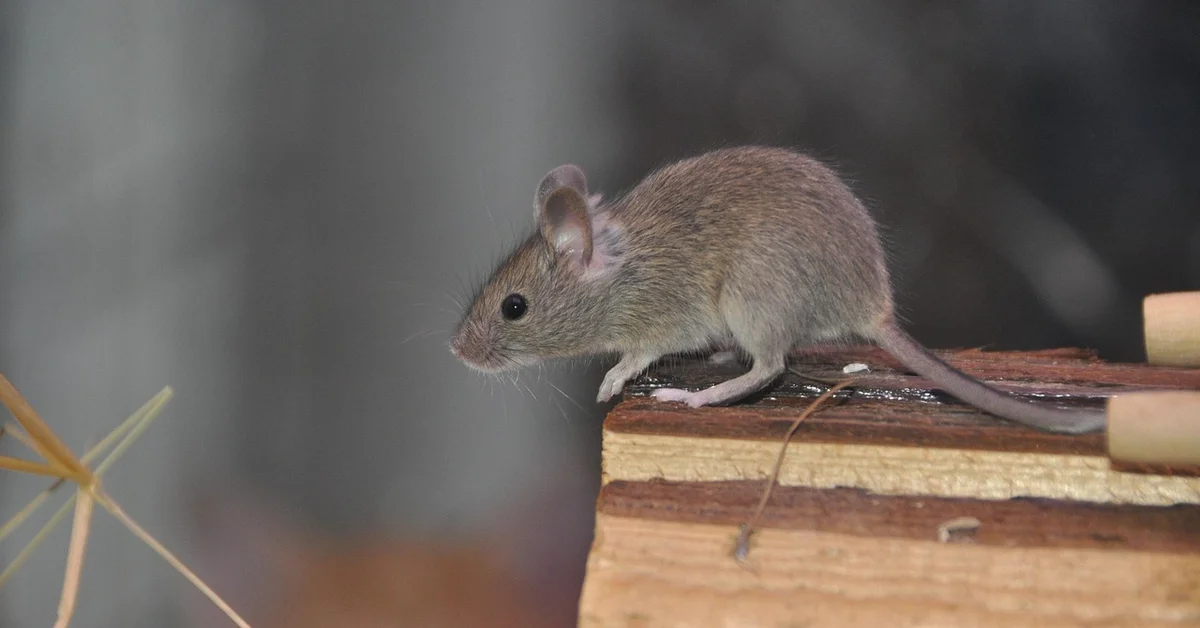
Glue traps offer a deceptive promise of a quick fix, but they completely ignore the reason mice are in your home to begin with. You might catch one mouse, but you haven’t addressed the shelter, food, or water that attracted it, guaranteeing others will follow. Mice are prolific breeders, and a single pair can produce dozens of offspring in a year. Removing one individual from a population does nothing to stop the colony’s growth. The trap becomes a tragic, sticky monument to a failed strategy, leaving the real problem untouched.
From my own experience, I’ve found that a caught mouse is often just the most adventurous or unlucky scout. Glue boards are a reactive measure, not a proactive solution, and they give a false sense of security that allows the main infestation to grow unchecked. You’re treating a symptom while the disease-the attractive conditions in your home-spreads freely. The momentary success of a glue trap is quickly overshadowed by the realization that you’ve made no lasting progress.
Poison Creates a Cycle of Dependence
Rodenticides might seem like a powerful solution, but they engineer a gruesome and perpetual cycle. Poison doesn’t kill instantly; it often causes mice to wander away and die in inaccessible wall voids or under floorboards, creating new odor and sanitation problems. This removes the very evidence of the problem, making you believe the issue is resolved while a new health hazard festens out of sight. You’re essentially trading a live mouse problem for a dead, decaying one. Dead mice do smell — as they decompose in hidden spaces they give off a strong, unpleasant odor that can permeate walls and rooms.
Furthermore, poison disrupts the natural social structure of a mouse colony. The continuous need to replace poison bait creates a financial and ethical dependency, as you are constantly killing new mice drawn to the same resources without ever solving the underlying attractants. In the context of pest control for mice, this means poison treats the symptom, not the cause. Long-term control requires addressing attractants and entry points rather than perpetually replacing bait. It’s a never-ending battle that preys on the very instincts that help mice survive. In my years of caring for my own mice, I’ve learned that their intelligence and drive to live are formidable; poison merely exploits this in the cruelest way possible, making your home a recurring death trap rather than a place of safety.
Humane Alternatives That Actually Work
Live-Trapping Done Right
Humane live traps are a fantastic tool when used correctly, allowing for the safe capture and release of a mouse. The key to successful live-trapping is using a highly attractive bait, like a smear of peanut butter or a piece of nut, and placing the trap along walls where mice naturally travel. Check the trap frequently-at least every few hours-to minimize stress on the captured animal. A panicked mouse can injure itself trying to escape a confined space.
- Bait with strong-smelling, sticky foods like peanut butter or hazelnut spread.
- Place traps perpendicular to walls, with the trigger end facing the wall.
- Wear gloves when handling the trap to avoid transferring your scent.
- Release the mouse at least a mile from your home in a suitable habitat with cover and a water source.
Exclusion: Sealing Entry Points
This is the single most effective long-term strategy for a mouse-free home. Mice can squeeze through openings as small as a dime, so a thorough inspection and diligent sealing of every potential entry point is your best defense. I make a habit of doing a seasonal “mouse audit” of my home, looking for new gaps that may have formed. Focus on areas where utilities enter the house, around door frames, and foundation cracks.
- Use materials mice cannot gnaw through: steel wool, copper mesh, hardware cloth, or caulk combined with these materials.
- Pay close attention to gaps around pipes, vents, and cables.
- Install door sweeps on exterior doors and repair damaged window screens.
- Seal cracks in the foundation with a silicone-based caulk.
Habitat Modification to Discourage Mice
Make your home less inviting by removing the things mice need to thrive: food, water, and nesting material. Think like a mouse and eliminate the cozy, resource-rich environment they seek, transforming your space from a haven into a hostile landscape. My mouse, Kenny, would find a way into anything left out, which taught me to be incredibly vigilant about food storage. Store all food, including pet food, in airtight, rodent-proof containers and wipe up crumbs and spills immediately. This method addresses the root cause that glue traps and poisons ignore.
- Store dry goods, pet food, and bird seed in airtight glass or metal containers.
- Never leave pet food bowls out overnight.
- Fix leaky faucets and pipes to eliminate water sources.
- Keep your home, especially kitchens and pantries, free of crumbs and spills.
- Remove clutter from basements, attics, and garages to deny nesting sites.
Natural Deterrents and Repellents
While not always a standalone solution, certain natural scents can help reinforce your other efforts. Peppermint oil is a well-known deterrent; soaking cotton balls in pure peppermint oil and placing them in potential entry points can create an aromatic barrier mice dislike. The scent does fade, so these need to be refreshed every couple of weeks. It’s a gentle, non-toxic method that makes your home smell fresh while subtly encouraging mice to look elsewhere.
- Peppermint oil on cotton balls in cabinets, drawers, and near suspected entry points.
- Used, dry sheets from a dryer can act as a nesting deterrent due to the human scent.
- Some find success with ultrasonic repellent devices, though their effectiveness can vary.
The Ethics of Mouse Control: Respecting All Life
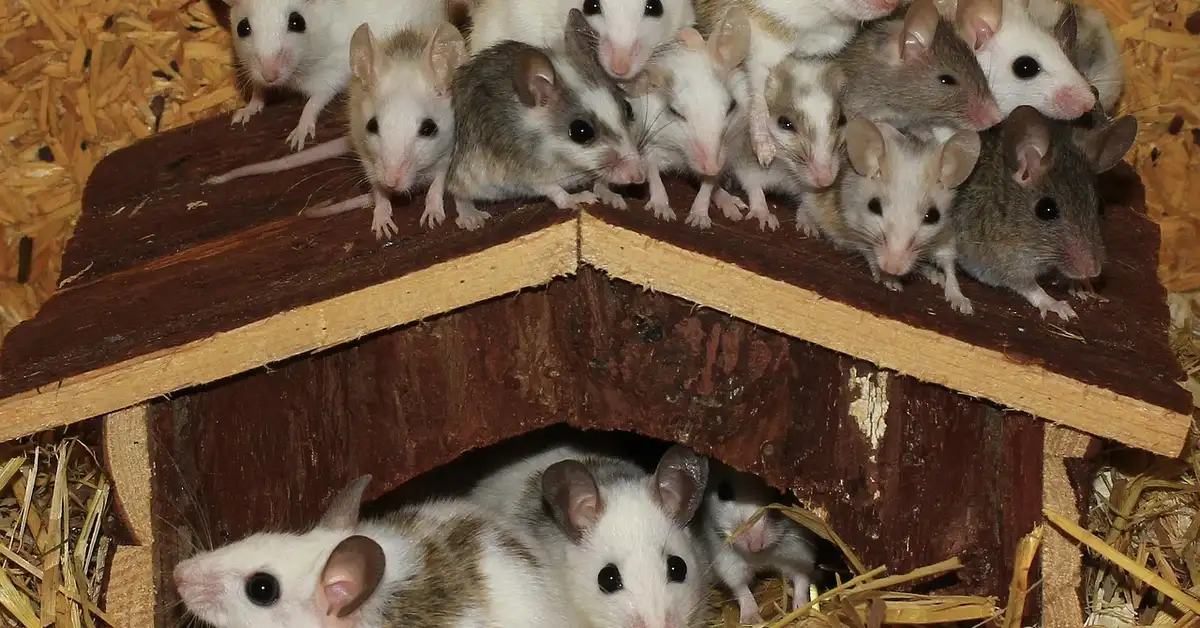
Choosing humane control methods is a reflection of a compassionate worldview. Mice are not malicious invaders; they are intelligent, social creatures simply following their instincts to find food, shelter, and safety for their families. They feel fear, pain, and stress, and they form complex social bonds. A glue trap or poison bait ignores this sentience, treating a living being as mere waste to be disposed of. Humane traps allow for capturing and releasing them without harm.
There is a profound difference between managing a conflict and waging a war of extermination. Ethical pest control acknowledges that we share our environments with other species and seeks to resolve conflicts with the least amount of harm possible. It’s about co-existence and intelligent management, not annihilation. The goal is not to kill every mouse, but to encourage them to live their lives away from our homes, allowing both species to thrive separately.
From watching my own mice-Gregory’s calm wisdom, Jeffery’s cheerful anxiety, Kenny’s bold curiosity-I know they are individuals with personalities and a will to live. Extending a basic level of empathy and seeking a peaceful resolution aligns with a deeper respect for the complex web of life we are all a part of. The most effective solutions are often those that are also the most kind, creating a safer, more peaceful home for everyone involved.
Frequently Asked Questions
Does Walmart sell poison mouse traps?
Yes, Walmart and other large retailers often stock poison mouse traps due to their widespread availability. However, for pet mouse owners, purchasing these products supports methods that pose significant risks to your pets, other animals, and the environment, making it important to seek humane alternatives instead. If you prefer safer choices, consider humane no-kill traps. Our Best Humane No-Kill Mouse Traps — 2025 Review highlights top options that capture mice without harm.
Are glue traps toxic to humans?
Glue traps are not typically poisonous to humans upon contact, as the adhesive is labeled “non-toxic,” but they can cause skin irritation or allergic reactions in sensitive individuals. The greater concern is the ethical and practical issues, as these traps lead to unnecessary suffering for animals and should be avoided in households with pets.
Can mouse poison traps be used outside?
Using poison traps outdoors is highly discouraged, as it increases the likelihood of secondary poisoning to wildlife, pets, and even children who might encounter affected rodents. For those who care for pet mice, opting for exclusion techniques and humane deterrents ensures safety for all creatures and addresses the root of the problem effectively.
Your Path Forward
Choosing kindness over convenience isn’t just an ethical stance; it’s a more effective and lasting solution for managing unwanted rodent visitors. Poison and glue traps perpetuate a cycle of suffering and fail to address the root of the problem, often creating more issues than they solve.
Your role as a compassionate caretaker extends beyond your own pets to the wildlife outside your walls. By rejecting these cruel methods, you champion a more thoughtful coexistence, protecting all creatures and creating a safer environment for everyone, including your own curious companions like Kenny, Gregory, and Jeffery.
Further Reading & Sources
- r/changemyview on Reddit: CMV: All glue traps and most posions are evil.
- Use Pest Strips As Directed! | Poison Control
- Are Glue Traps Toxic to Humans or Pets? Understanding Safety Risks and Precautions
Isabella is a passionate small pet enthusiast with over 8 years of experience in caring for mice. She loves sharing practical tips and heartfelt stories to help fellow mouse owners provide the best care for their tiny companions.
Humane Removal & Trapping