
The Wild Mouse Diet: What Do They Really Eat?
Have you ever peeked into your pet mouse’s cage and wondered how their meals compare to what wild mice naturally forage?
Drawing from years of caring for my own mice, I’ve found that mimicking a wild diet can transform your pet’s health and vitality. We’ll uncover the core components of a wild mouse’s diet, discuss how seasonal changes affect their eating habits, and provide practical tips for incorporating these insights into your pet’s daily meals.
The Natural Wild Mouse Diet: Seeds, Grains, and Beyond
Why Wild Mice Are True Omnivores
Many people picture wild mice nibbling only on seeds and grains, but their diet is far more diverse and adaptable. Wild mice thrive by eating whatever is available, from crunchy insects to sweet fruits and even small amounts of vegetation. This flexibility helps them survive in various environments, whether in fields, forests, or urban areas. I’ve noticed my own mice, like Kenny, show curiosity toward different textures and smells, which mirrors the wild instinct to sample a wide range of foods. Their omnivorous nature means they balance proteins, carbs, and fats naturally. For instance, a typical wild mouse might consume:
- Seeds and grains from grasses and crops
- Insects like beetles and caterpillars for protein
- Berries, nuts, and fallen fruits for sugars and vitamins
- Fungi and green plants for fiber and moisture
This variety ensures they get essential nutrients without relying on one food source. Observing their eating habits reminds me how resourceful these little creatures are in the wild.
Seasonal Changes in What Wild Mice Eat
As seasons shift, so does the menu for wild mice, reflecting nature’s cycles and availability. In spring and summer, they feast on fresh greens, insects, and ripening fruits, which provide extra energy for breeding and warmer activities. Come fall, they focus on gathering seeds and nuts to build reserves, while winter forces them to rely on stored caches and whatever scraps they can find. I’ve seen similar patterns in my home; Gregory, my older mouse, tends to eat more consistently year-round, but wild counterparts must adapt to scarcity. These seasonal shifts also affect where wild mice build nests and how fiercely they defend territories. In turn, changing food and shelter availability helps dictate their breeding timing and overall lifecycles. For example:
- Warmer months: More protein from bugs and moisture from juicy plants
- Colder months: Drier grains and stored items from hoards
This seasonal adjustment helps prevent malnutrition and supports their survival through harsh weather. Understanding these changes can deepen your appreciation for how mice naturally manage their diets. In house mice (Mus musculus), habitat and behavior — from nesting in buildings to nocturnal foraging — shape what foods are available and when. Observing these interactions highlights how diet, habitat, and behavior together determine their survival strategies.
How Wild Mice Find and Forage for Food
Nocturnal Feeding Habits and Foraging Patterns
Wild mice are masters of the night, using darkness to safely search for meals while avoiding predators. They follow familiar routes and rely on sharp senses of smell and hearing to locate food sources like fallen seeds or insect nests. Their foraging is not random; they often revisit productive spots and leave scent trails to guide themselves and others. In my experience, Kenny’s bold, darting movements at dusk echo this wild behavior, as he eagerly explores his enclosure for treats. Typical patterns include:
- Scouting areas near cover to stay hidden
- Nibbling small amounts from multiple sources to reduce risk
- Returning to nests before dawn to rest
This routine maximizes efficiency and safety in their daily hunt. Watching these habits unfold, even in a domestic setting, highlights the innate intelligence of mice. Their quick learning and caution let them recognize dangerous spots and remember where traps are set, so many become smart enough to avoid them. This adaptability underscores how observant and resilient they can be.
How Wild Mice Store and Hoard Food
Hoarding is a vital survival strategy for wild mice, allowing them to stockpile food for lean times. They often create hidden caches in burrows, under debris, or in small crevices, carefully organizing their finds to last through seasons. This behavior stems from an instinct to prepare for uncertainty, much like how my mouse Jeffery sometimes tucks crumbs into his bedding for later. They prioritize high-energy items like seeds and nuts, which store well and provide sustained nutrition. Key aspects of their hoarding include:
- Selecting dry, durable foods to prevent spoilage
- Using multiple storage sites to minimize loss from thieves or decay
- Revisiting caches periodically to replenish or consume stocks
This system ensures they have backups when food is scarce. Seeing this in action reminds us how deeply ingrained these behaviors are, even in our pampered pets.
Wild Mouse Nutrition: What Their Bodies Actually Need
Protein Sources in the Wild Mouse Diet
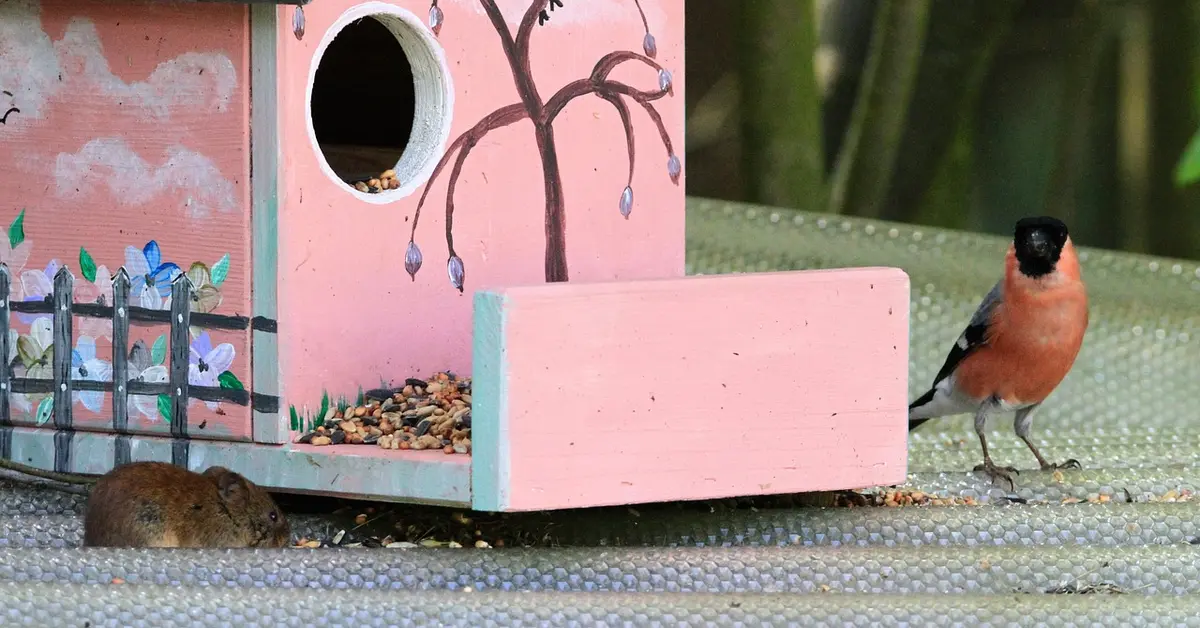
Many people picture a mouse nibbling only on cheese or grain, but their wild diet is far more diverse and protein-rich than that. Wild mice are opportunistic omnivores, and protein is a non-negotiable pillar of their health, supporting everything from muscle maintenance to a healthy coat. They actively hunt for small, crawling morsels to meet this need. You might be surprised to learn that a significant portion of their protein comes from insects like beetles, caterpillars, and grasshoppers. They’ll also consume spiders, earthworms, and even small snails when they find them.
This high-protein foraging is a behavior I see echoes of in my own mice, especially Kenny, who gets immensely focused and excited during live mealworm feedings. Replicating this insect-based protein intake for pet mice is one of the most impactful things you can do for their well-being. I always include dried mealworms or crickets in their food mix, and the enthusiastic way they carry them off to a quiet corner is a direct link to their wild instincts.
Water Sources and Hydration for Wild Mice
In the wild, a mouse’s life depends on finding fresh water daily, and they are remarkably resourceful in their search. They don’t just rely on obvious puddles or streams; they expertly extract moisture from their food, a crucial survival tactic in drier environments. Succulent plants, juicy insects, and dew collected on leaves and grass blades all contribute significantly to their daily water intake. This is why a wild mouse’s diet is so heavily skewed towards fresh, moist foods. Access to fresh, clean water is therefore vital for a mouse’s hydration, digestion, and overall health. Contaminated or scarce water can lead to dehydration, illness, and reduced survival.
For our pet mice, this highlights the absolute necessity of a constant, clean water source. I cannot overstate the importance of a sipper bottle that is checked and refreshed every single day without fail. While they get some hydration from fresh vegetables like cucumber or zucchini, a bottle is their lifeline. Observing my cautious mouse, Gregory, take long, deliberate drinks reminds me that this simple provision is the cornerstone of ethical mouse care. That naturally brings up the bottles-versus-bowls debate: bowls can get soiled or tipped, making sipper bottles a cleaner, more reliable option. While bowls may work in supervised or low-traffic setups, I generally recommend a checked sipper bottle for everyday care.
Field Mouse vs. House Mouse: Different Diets for Different Habitats
How Habitat Influences What Mice Eat
The “mouse” is not a monolith, and their location dramatically shapes their menu. A field mouse living in a meadow has a vastly different grocery store available than a house mouse living in your pantry. A field mouse’s world is a verdant buffet of seeds, green stems, tender roots, and a wide array of insects and fungi. Their diet is seasonal and diverse, changing with what the earth provides, leading to a more varied and often healthier intake of micronutrients.
In contrast, a house mouse has adapted to our human spaces. House mice are ultimate generalists, thriving on our stored dry goods like cereals, oats, and pasta, but this often leads to a diet too high in carbohydrates and fat. While they still hunt for insects like spiders or silverfish inside walls, their diet is typically less varied and more calorie-dense than their country cousins. Over time, a carbohydrate- and fat-heavy diet can lead to obesity, metabolic disease, and dental problems that shorten a mouse’s lifespan. This is precisely why a commercial lab block, designed for balanced nutrition, should form the base of a pet mouse’s diet, supplemented with the kind of fresh and insect-based foods a field mouse would enjoy.
I see these habitat-based preferences in my own trio. My adventurous Kenny would be the field mouse, boldly trying every new vegetable I offer, while my younger Jeffery, with his love for crumbs and cereals, embodies the more cautious, pantry-raiding house mouse spirit. Understanding these innate dietary leanings helps us create a more enriching and appropriate feeding plan that honors their complex nutritional history.
What Wild Diet Knowledge Teaches Pet Mouse Owners
Mimicking Natural Foraging Behavior at Home
In the wild, a mouse’s life revolves around the search for food. This isn’t just about hunger—it’s a full-time job that provides mental stimulation and physical exercise. When we plop a bowl of food in their cage, we remove this enriching challenge. Recreating this search-and-find dynamic is one of the most impactful things you can do for your mouse’s well-being. Instead of relying only on a static food bowl, scatter-feeding a portion of their ration mimics natural foraging and keeps them mentally and physically active. You can still leave a bowl for backup, but hiding bites around the cage makes mealtimes enriching and fun. I scatter a portion of my mice’s daily food ration throughout their bedding and hide small bits in toilet paper tubes or under platforms. Watching my curious mouse, Kenny, diligently sniff out every last morsel is a joy; it keeps his active mind occupied for hours.
You can take this a step further with simple food puzzles. A small, clean egg carton with a few holes poked in the bottom makes a fantastic foraging toy. Fill it with bedding and a sprinkle of food, and they will work to get it out. This type of environmental enrichment directly combats boredom and can reduce stress-related behaviors like bar chewing. I’ve noticed my more anxious mouse, Jeffery, seems far more confident and settled after a good foraging session, his little nose twitching with purpose. Try a DIY foraging-toys “10 puzzles” challenge—make ten simple puzzles and rotate them to keep things fresh. It’s a fun way to track what Jeffery enjoys and keep his enrichment varied.
- Scatter feeding: Toss their main food mix throughout the enclosure instead of using a bowl.
- Hide-and-seek treats: Place special treats inside puzzle balls or crumpled paper.
- Rotate puzzle toys: Keep their environment novel by introducing different foraging challenges weekly.
Wild Foods vs. Commercial Mouse Food: Key Differences
The most significant difference is variety. A wild mouse consumes dozens of different items in a single week—seeds, grains, fruits, vegetables, insects, and even fungi. Most commercial lab blocks or seed mixes, while nutritionally balanced, offer the same exact ingredients day after day. This lack of dietary diversity is something we must consciously compensate for as owners. I always supplement my base food with fresh, mouse-safe veggies and the occasional protein boost. A deep-dive comparison of seed mixes vs lab blocks highlights the trade-off between formulated nutritional balance and natural dietary variety. Understanding those differences helps owners decide how best to supplement their mice’s diets.
Another major distinction is texture and hardness. Wild mice gnaw on tough seeds, crunchy insects, and fibrous roots, which is vital for wearing down their continuously growing teeth. Some commercial diets are too soft to provide adequate dental wear. Including harder foods, like a good quality dog kibble or uncooked pasta shapes, can help maintain healthy tooth length naturally. My older mouse, Gregory, who can be a bit grumpy about change, always perks up for a piece of whole-wheat pasta to gnaw on.
- Wild Diet: Extremely varied, seasonal, includes live prey, requires significant gnawing.
- Commercial Diet: Consistent, nutritionally complete, but can lack texture and mental engagement.
- The Best Approach: Use a high-quality commercial food as a nutritional base, then add variety and challenge through supplements and feeding methods.
Common Wild Foods and Whether Pet Mice Can Eat Them
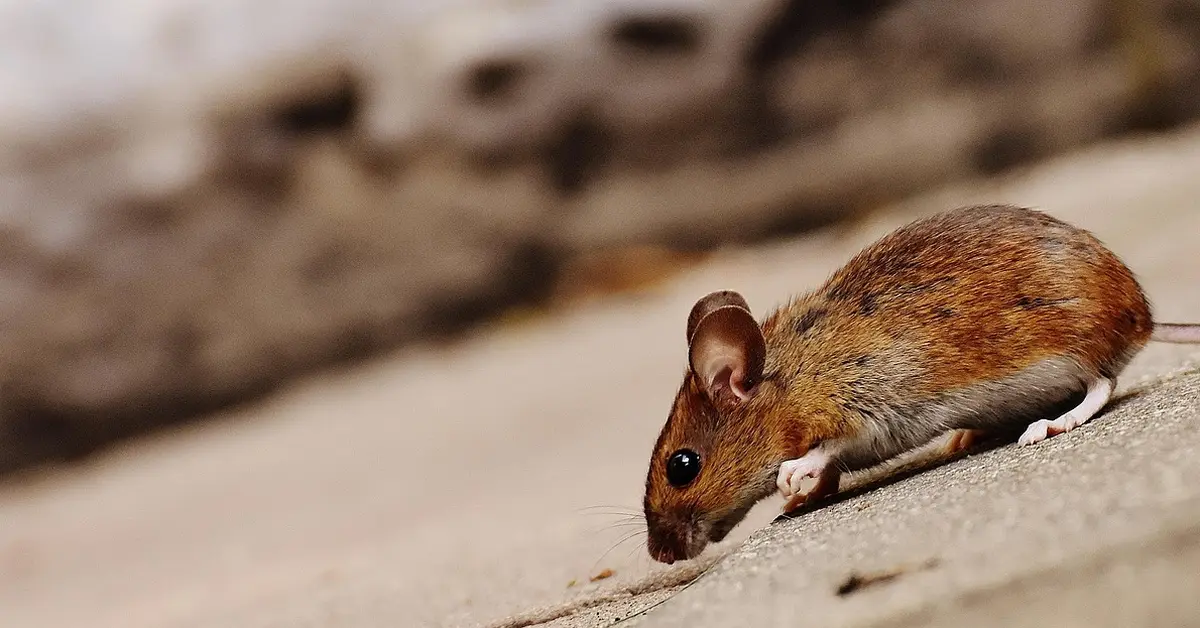
It’s tempting to share foraged goods with our pets, but safety must come first. Many plants are toxic, and urban environments can expose plants to pesticides and pollutants. Always, without exception, wash any foraged item thoroughly and be 100% certain of its identification before offering it to your mouse. When in doubt, stick to store-bought organic versions of these foods.
Here is a quick guide to some typical wild mouse fare and its safety for your pet:
- Dandelion Leaves & Flowers (Safe): A wonderful, nutrient-rich treat. Mine go wild for the yellow flowers. Ensure they are from an area free of chemical treatments.
- Clover (Safe): Both red and white clover are safe in moderation. The leaves and flowers are a nice source of variety.
- Grasses & Oat Hay (Safe): Perfect for nesting and nibbling. Timothy hay or orchard grass are excellent, clean alternatives.
- Berries (Generally Safe): Blackberries, raspberries, and strawberries are fine as occasional sugary treats. Remove any leaves or stems.
- Small Insects (Safe & Beneficial): Mealworms, crickets, and small earthworms are fantastic protein sources. Offering live or dried insects satisfies a deep-rooted predatory instinct and provides essential nutrients. I buy mine from reputable pet stores to avoid parasites.
- Acorns & Walnuts (Use Caution): While wild mice eat these, raw acorns contain tannins that can be harmful. It’s safer to offer a small piece of a store-bought, unsalted walnut or pecan as a very rare, high-fat treat.
Frequently Asked Questions
How does the diet of wild mice compare to other wild rodents?
Wild mice have a highly adaptable, omnivorous diet that includes seeds, insects, and fruits, allowing them to thrive in diverse environments. In contrast, other rodents like voles are more herbivorous, focusing on grasses and roots, while shrews are primarily insectivorous and rely almost exclusively on small invertebrates for their high metabolic needs. This flexibility in wild mice helps them exploit various food sources, reducing competition with more specialized rodents.
What do field mice primarily eat in grassland habitats?
Field mice in grasslands heavily rely on seeds and grains from native grasses and crops, supplemented with insects like beetles and caterpillars for protein. They also consume green vegetation, roots, and occasional berries, which provide essential moisture and nutrients in open environments. This varied diet supports their energy needs while allowing them to adapt to seasonal changes in food availability.
What precautions should be taken when feeding wild foods to pet mice?
Always ensure proper identification of any wild-foraged plants to avoid toxic species, and thoroughly wash them to remove pesticides or contaminants. It’s safer to source organic equivalents from stores, as urban or treated areas can pose risks of poisoning or parasites. Introducing new foods gradually helps monitor for allergies or digestive issues, ensuring your pet’s health and safety.
Your Path Forward
Feeding your mice a diet inspired by their wild cousins is one of the most rewarding choices you can make for their long-term vitality. By focusing on variety-from high-quality lab blocks and diverse seeds to the occasional insect and fresh produce-you provide the nutritional complexity their bodies instinctively crave.
Watching your mice explore a new food item, their whiskers twitching with curiosity, is a simple joy that never fades. Your thoughtful approach to their diet directly supports their natural behaviors and helps ensure your tiny companions lead a vibrant, active life right before your eyes.
Further Reading & Sources
- What To Feed Pet Mice | RSPCA – RSPCA – rspca.org.uk
- What Do Mice Eat in the Wild? | EcoGuard Pest Management
- What Do Mice Eat In The Wild – Mouse Diet | Automatic Trap Company
Isabella is a passionate small pet enthusiast with over 8 years of experience in caring for mice. She loves sharing practical tips and heartfelt stories to help fellow mouse owners provide the best care for their tiny companions.
Diet Basics