
Dominance vs. Bullying: How to Spot Unhealthy Mouse Relationships
Have you ever watched your mice tussle and wondered if their interactions are just playful or if something more troubling is unfolding? As a longtime mouse owner, I’ve learned that distinguishing between natural social order and harmful behavior is one of the most vital skills for ensuring your pets’ happiness and health.
This guide will equip you with clear, actionable knowledge to tell the difference and respond effectively. You’ll gain insights into recognizing dominance cues, identifying bullying red flags, and learning practical steps to foster a peaceful, safe environment for every mouse in your care.
What Normal Mouse Dominance Actually Looks Like
In a healthy mouse colony, a social hierarchy is a natural and necessary part of their society. A certain amount of posturing and minor squabbling is how mice communicate their positions and maintain group stability. This isn’t about cruelty; it’s about establishing a predictable social order where every mouse understands its role.
From my own experience with my boys, you’ll see a few common, non-harmful behaviors that signify normal dominance:
- Gentle Pinning: One mouse may briefly hold another down, but it lasts only a second or two before the submissive mouse is released and scurries away unharmed.
- Rumbling and Chasing: You might hear a low, chattering rumble as one mouse pursues another in a short, non-persistent chase around the cage. The chased mouse is never cornered for long.
- Grooming as a Display: The more dominant mouse will often groom the others. While it looks sweet, this is a way of asserting status. The mouse being groomed typically sits still and accepts it.
- Resource Control: The top mouse might get first dibs on a favorite treat or sleeping spot, but they do not actively prevent the others from accessing food, water, or hides.
My mouse Gregory, for instance, is the elder statesman. He will often rumble and give Kenny a quick chase if Kenny’s impulsive energy gets too overwhelming, but it always ends as quickly as it began. The key is that these interactions are brief, cause no injury, and life returns to normal immediately afterward. All mice continue to eat, drink, sleep, and explore without constant fear. If scuffles start happening suddenly or more often, it can signal stress, illness, overcrowding, or shifts in hierarchy. Identifying the cause lets you choose simple solutions—separating individuals, improving housing, or getting veterinary care—to restore peace.
The Clear Warning Signs of Mouse Bullying
When normal social structuring crosses the line into bullying, the dynamic changes from orderly to oppressive. Bullying is characterized by relentless, one-sided aggression that prevents a mouse from living a normal, healthy life. It is a persistent campaign of intimidation, not a fleeting establishment of rank.
Physical Signs Your Mouse Is Being Bullied
Your eyes can often spot trouble before your brain fully processes the behavioral shifts. Consistent, fresh wounds are the most glaring red flag that the social contract has been broken. Look for these tangible indicators on the victim’s body:
- Bite marks or scabs on the back, rump, or tail.
- Patches of missing fur, especially around the face and hindquarters.
- A constantly nicked or shortened tail tip.
- Noticeable weight loss because the bullied mouse is too stressed to eat.
- Barbering, where fur is chewed off by another mouse, leaving a rough, uneven coat.
I once had to intervene with a past mouse who developed a small, bald patch on his back. Any injury that doesn’t have a chance to heal because it’s repeatedly targeted is a sure sign of a malicious, not a managerial, relationship.
Behavioral Changes That Signal Social Stress
Sometimes the evidence isn’t on their skin but in their spirit. A bullied mouse lives in a state of high anxiety, and their behavior will reflect this deep-seated stress. You are looking for a mouse that has fundamentally changed its personality and daily routines out of fear. That raises the question: do mice have individual personalities? In fact, mice show consistent differences in temperament, so a bullied animal’s altered behavior can indicate a real, lasting change.
Watch for these critical behavioral shifts:
- Chronic Hiding: The mouse spends almost all its time hidden away, only emerging when the aggressor is asleep.
- Hyper-vigilance: The mouse is always tense, flinching at minor sounds and movements, and constantly scanning for threats.
- Avoiding Resources: It will not approach the food bowl, water bottle, or wheel when other mice are active and nearby.
- Submissive Posturing: It may freeze, flatten itself to the ground, or squeak excessively when another mouse simply approaches.
- Changes in Grooming: A stressed mouse often neglects its own grooming, leading to a greasy, unkempt appearance.
I notice this with my Jeffery; if he were being bullied, his naturally cheerful but anxious nature would shift into pure fear. A mouse that no longer participates in the joyful parts of mouse life-like exploring, playing, and nest-building-is a mouse living under duress. The cage should be a home, not a prison block.
Body Language: Reading Your Mice’s Social Cues
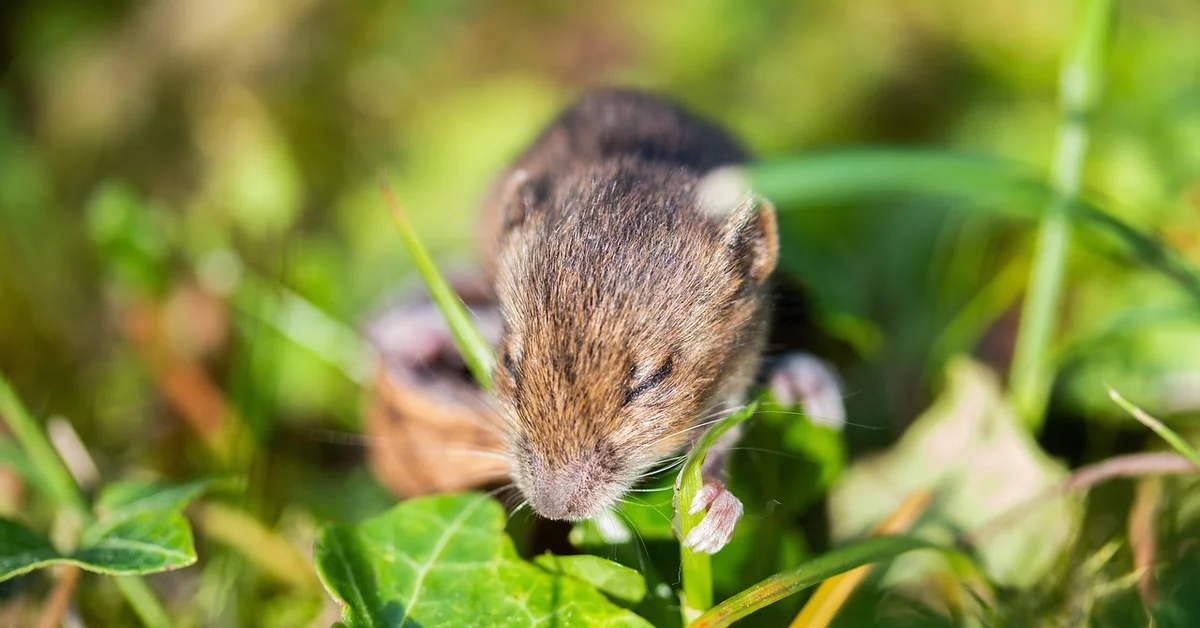
Learning to interpret the subtle, and sometimes not-so-subtle, conversations happening in your mouse enclosure is your most valuable skill. Their entire social structure is communicated through a complex ballet of posture, sound, and movement. A healthy hierarchy involves constant, low-level negotiation that is fascinating to observe once you know what to look for.
Signs of Normal Social Negotiation
This is the everyday chatter of a mouse colony establishing and maintaining order. You will see these behaviors frequently, and they are not a cause for alarm. However, a sudden increase in aggression can signal a change—new cage mates, overcrowding, illness, or stress. If aggression is abrupt or severe, check for recent changes and consult a vet or experienced keeper.
- Sideways Shoving: A quick, non-aggressive bump with the shoulder or hip. Think of it as a mouse saying, “Excuse me, I’m coming through here.” My mouse Kenny does this constantly when he’s on a mission.
- Gentle Grooming: One mouse will lick or nibble the fur of another, often focusing on the head and neck. The recipient usually sits still and appears relaxed. This reinforces social bonds.
- Low-Level Chasing: A brief, non-persistent chase that ends without a fight. The chased mouse might squeak once but then goes about its business. It’s a simple reminder of the pecking order.
- Rumbling Vocalizations: You might hear a soft, deep rumble during these interactions. This is a normal dominance vocalization, not a sign of distress.
Warning Signs of Escalating Tension
When friendly negotiation starts to fray, the body language becomes more intense. These cues suggest the interaction is moving beyond simple social maintenance.
- Upright Boxing: Both mice rear up on their hind legs and push at each other with their front paws. It looks almost comical, but it’s a serious standoff.
- Piloerection: The mice fluff up their fur to make themselves look bigger and more intimidating.
- Loud, Piercing Squeaks: Unlike the short chirps of a minor squabble, these are sustained, high-pitched cries of protest or fear.
- Stiff, Tense Posture: A mouse will freeze in place, muscles visibly tight, watching another mouse with intense focus.
When Dominance Crosses Into Dangerous Territory
It is vital to recognize the moment a power dynamic shifts from a manageable social structure to harmful aggression. The key difference lies in the presence of injury, unrelenting fear, and a complete breakdown of normal group living. A bullied mouse is not just low-ranking; it is a target.
True bullying is characterized by relentless pursuit. A bully mouse will not allow its target to eat, sleep, or drink in peace, creating a state of constant anxiety. You might see the victimized mouse, like my more timid Jeffery was once, always hiding in the highest or most enclosed spot, terrified to come down.
- Persistent, Vicious Chasing: The chase does not end. The aggressor will hunt the other mouse around the cage, cornering it repeatedly.
- Barbering: The dominant mouse will obsessively chew or pluck the whiskers and fur from the submissive mouse, often leaving bald patches on the face, back, or sides.
- Guarding Resources: The bully actively blocks access to food bowls, water bottles, wheels, and favorite sleeping areas.
- Visible Injuries: This is the most critical red flag. Look for bite marks, scratches, scabs, or blood on the rump, tail, or back. Wounds from fighting are typically on the rear half of the body.
- Weight Loss in One Mouse: If one mouse is noticeably thinner than its cagemates, it is likely being prevented from eating.
Why Your Mice Might Be Fighting
Conflict rarely springs from a single source. It is usually a perfect storm of environmental and social factors. Understanding the ‘why’ is the first step toward creating a peaceful resolution. From my experience, most fights can be traced back to a few common triggers.
Common Triggers for Aggression
- Insufficient Space: Even the best of friends can get on each other’s nerves in a cramped home. Mice need room to have their own space and escape perceived threats.
- Lack of Resources: Too few hides, only one wheel, a single food bowl-these create competition and conflict. The rule is always one per mouse, plus an extra.
- Boring Environment: A barren cage with nothing to do leads to boredom, and bored mice often turn their energy onto each other.
- Introduction of a New Mouse: Integrating a new member, especially an adult, always disrupts the established hierarchy and can lead to serious fights as they renegotiate the social order.
- Changes in Hierarchy: As younger mice mature or an older mouse ages and weakens, the power balance can shift, leading to challenges and instability.
- Underlying Illness or Pain: A sick or injured mouse may become irritable and lash out, or it may smell different and be targeted by its cagemates.
How to Fix Bullying Problems in Your Mouse Group
Setting Up Your Cage to Reduce Tension
Think of your mouse cage not just as a home, but as a carefully planned community space where every resident can find their own peaceful corner. A thoughtfully arranged environment is your most powerful tool for preventing and de-escalating conflicts before they even start. Mice, much like people, get irritable when they feel crowded or have to compete for basic comforts. That’s why an ultimate guide to mouse cages is so useful — it explains how to choose the right size, layout, and enrichment to reduce stress and prevent fights. Use these tips to design a cage that keeps every mouse happy and secure.
My first rule is to provide duplicates of everything valuable. This means multiple food bowls placed far apart and several water bottles on different cage walls. Ensuring no single mouse can guard a vital resource immediately removes a major source of bullying behavior. I learned this after noticing my bold Kenny would sometimes hover near the food dish, making my more anxious Jeffery too nervous to eat.
- Multiple Hideouts: Offer more sleeping houses and tunnels than you have mice. If you have three mice, provide four or five hides. This prevents one mouse from being cornered or excluded from all safe spaces.
- Strategic Layout: Create visual barriers with platforms, bendy bridges, and cork logs. Breaking up the line of sight allows a chased mouse to escape and hide, giving the situation a chance to cool down.
- Scatter Feeding: Instead of using a single bowl, sprinkle their daily food ration throughout the bedding. This encourages natural foraging behavior and eliminates a central point of competition.
- Vertical Space: Use ropes, ladders, and shelves to maximize the use of upper levels. A three-dimensional environment gives subordinate mice more routes to evade a pursuer.
Safe Separation: When and How to Split Up Your Mice
There comes a point where cage rearranging is no longer enough. Recognizing when a conflict has escalated from bickering to genuine harm is a critical skill for any mouse owner. Look for persistent, unrelenting chasing that leaves one mouse hiding constantly, or worse, physical injuries like bite wounds or patches of missing fur. When cage aggression or territoriality is suspected, separate the mice and reassess housing—space, hiding spots and resource placement—to reduce competition. If the problem continues, consult a veterinarian or an experienced rescue for guidance on managing the behavior.
I start with a temporary, in-cage separation using a divider made of hardware cloth. This allows the mice to still see and smell each other without physical contact. A brief, supervised separation can act as a “reset” for their relationship, lowering stress levels for everyone involved. If you keep other pets, like cats or curious dogs, manage encounters the same way—use secure barriers and only allow brief, supervised exposure to avoid stress or injury. You can try reintroducing them after a few days in a neutral territory.
- Assess the Injury: Any bloodshed or significant wound means immediate and permanent separation is necessary. The risk of severe injury or death is too high to attempt another introduction.
- Prepare a Second Home: Have a completely separate, fully equipped cage ready to go. This isn’t a punishment; it’s a permanent solution for the well-being of the bullied mouse.
- The “Split and Swap” Method: If the bullying is persistent but not violent, try splitting the group and then swapping their bedding and toys between cages daily. This keeps them familiar with each other’s scents.
- Consider Companionship: A mouse that cannot be reintegrated should not live alone. You may need to find it a new, compatible friend or form a new, separate colony.
Keeping Watch: How to Monitor Your Mouse Colony
Vigilant observation is the heartbeat of good mouse care. You become the guardian who understands the subtle language of squeaks, postures, and chasing patterns. I make it a habit to sit and watch my boys for at least fifteen minutes each evening, just as they become most active.
Pay close attention to sleeping arrangements. A healthy group will often, though not always, choose to sleep together in a big, furry pile. If you consistently find one mouse sleeping alone in a cold corner, it’s a strong signal they are being ostracized. My older mouse Gregory sometimes prefers his own space, but he isn’t being kept away by others. A mouse social behavior guide can help you tell the difference between a naturally solitary mouse and one that’s been excluded. It also outlines signs that indicate when to intervene or separate mice.
- Track Body Condition: Run your fingers gently along each mouse’s spine and hips during weekly health checks. It’s easier to feel weight loss than see it, and a bullied mouse may be losing weight from stress or being kept from food.
- Listen to the Sounds: Learn the difference between playful squeaking and high-pitched, distressed shrieks. The latter is a clear cry for help that demands your immediate attention.
- Watch for Barbers: A “barbering” mouse will obsessively groom and nibble the fur of a cagemate, often leaving a patchy, chopped-looking coat on the victim. This is a complex behavior that can stem from stress and dominance.
- Note the Energy: A happy mouse explores, climbs, and digs. A bullied or chronically stressed mouse may become lethargic, hunched, or excessively jumpy, always watching for the next ambush.
Frequently Asked Questions
What are the common signs and symptoms of mouse bullying?
Mouse bullying often presents through a combination of persistent physical and behavioral changes that go beyond normal social hierarchy. Key symptoms include one mouse consistently targeting another, leading to issues like recurring injuries, significant weight loss, or a hunched, unkempt appearance due to stress-induced neglect. Additionally, watch for a victim mouse that is always isolated, refuses to engage with resources, or displays constant fear, such as flinching at minor movements, indicating a breakdown in their quality of life.
How can teachers spot mouse bullying in a classroom pet environment?
In a classroom setting, educators should monitor for mice that are consistently excluded or show signs of distress during group observations. Look for a mouse that remains hidden during active periods, avoids interaction with cage mates, or has visible injuries like bite marks or patchy fur, which students might report. Encouraging students to note any aggressive chasing or resource guarding during supervised watch times can help identify bullying early and maintain a safe, educational environment for the pets.
What emotional changes indicate a mouse is being bullied?
Emotional indicators of bullying include a mouse that appears perpetually anxious, often freezing or flattening itself when approached, and emitting high-pitched, distressed squeaks during interactions. Over time, this stress can lead to a loss of interest in normal activities, such as exploring or nest-building, and may cause the mouse to become lethargic or excessively jumpy, reflecting a state of constant fear rather than typical submissive behavior.
Your Path Forward
Remember that a stable mouse hierarchy is built on brief, ritualized displays, not on prolonged fear or injury. You are now equipped to spot the subtle, yet critical, difference between a community establishing its order and one where an individual is causing genuine harm. Watch which mouse initiates and consistently wins those brief displays; that’s often the alpha. Identifying the alpha helps you distinguish harmless ritual from dominance that requires intervention.
Your attentive observation is the most powerful tool you have for ensuring your mice live in a peaceful, enriching environment. Trust your instincts; if a behavior consistently feels wrong, it likely is, and your compassionate intervention makes you a wonderful pet owner. Watch for signs of fear or anxiety—freezing, hiding, or excessive grooming—and respond with calm, gentle care to help your scared pet feel secure. Small changes like quieter handling and added safe hiding spots often make a big difference.
Further Reading & Sources
- Alpha Mouse: How to Tell if Your Mice Are Fighting or Playing – PetHelpful
- r/PetMice on Reddit: One mouse getting bullied by everyone
- r/PetMice on Reddit: mouse bullying other mice
Isabella is a passionate small pet enthusiast with over 8 years of experience in caring for mice. She loves sharing practical tips and heartfelt stories to help fellow mouse owners provide the best care for their tiny companions.
Common Behavioral Issues