
Safe Mouse Handling for Children: A Parent’s Guide
Have you ever felt a twinge of anxiety as your child eagerly approaches your pet mouse, unsure if they know how to interact without causing harm? That concern is completely understandable, and I’m here to help you transform those nervous moments into confident, caring connections.
Drawing from my own journey with mice like Kenny and Jeffery, this article offers clear, practical steps to teach your child gentle handling skills. You’ll learn how to introduce handling routines, recognize mouse comfort signals, and build a foundation of trust that keeps everyone safe and happy.
Why Supervised Interaction Matters for Child Safety and Mouse Welfare
Watching a child meet a mouse for the first time is a moment of pure wonder. That initial spark of connection is beautiful, but it must be nurtured within a framework of safety for both the small animal and the young human. I never leave my mice, Kenny, Gregory, and Jeffery, alone with a child, no matter how gentle the child seems. A moment of startled squeezing, a sudden loud noise, or an accidental drop can have serious consequences.
Understanding Mouse Behavior Before You Begin
Mice communicate with their entire bodies, not with words. Learning to read these subtle signals is the first step in preventing bites, escapes, and stress. They use scent marks, body posture, touch, and even ultrasonic vocalizations to convey mood and intentions. So, yes—mice do communicate, and noticing these cues makes handling safer and more respectful. Before any handling session, I spend time with a child simply observing the mice in their habitat.
- Relaxed and Curious: Ears forward, whiskers twitching, moving at a normal pace. This is a green light for calm interaction.
- Nervous or Anxious: Freezing in place, rapid grooming, or trying to hide. My Jeffery does this often. This is a sign to leave the mouse alone for a while.
- Agitated or Fearful: Loud, repetitive squeaking, tail wagging rapidly, or attempting to dart away. This is a definite red light for handling.
Mice are prey animals, and their first instinct is to flee, not fight. A hand grabbing from above can look like a predator. We must always approach them as gentle giants, not as captors. As mammals, mice are sensitive, social creatures with delicate bodies and strong instincts. Calm, predictable movements help them feel safe and reduce stress.
Age-Appropriate Instruction Levels
Not every child is ready for the same level of responsibility. Tailoring your expectations to their developmental stage sets everyone up for success.
- Ages 2-4: Observation only. They can sit on your lap and watch you interact with the mouse. Teach them to use a “quiet voice” and “soft eyes.”
- Ages 5-7: Supervised petting. Show them how to gently stroke the mouse’s back with one finger while the mouse is securely in your hands. They can help you place a treat in the cage.
- Ages 8-10: Basic handling with direct assistance. They can learn the “scoop” method with your hands guiding theirs, always over a soft, low surface like a bed or a couch.
- Ages 11+: More independent handling. They can practice picking up a calm mouse like my Gregory, but you must remain in the room, watching closely and ready to intervene.
Teaching Hand Hygiene as the Foundation
The single most important habit you can instill in a young mouse caretaker is proper handwashing. This simple act protects the child from germs and, more importantly, protects the delicate health of the mouse. Mice have very sensitive respiratory systems and can be made ill by lotions, food scents, or cleaning chemicals on our skin. This preventative mouse health guide will walk you through other simple steps—like regular health checks, clean bedding, proper nutrition, and safe handling—to reduce the risk of illness. Together these measures help keep pet mice healthy before problems start.
Making Handwashing a Non-Negotiable Habit
Turn this critical step into a fun and non-negotiable ritual. I have a chart by the sink that we follow every single time.
- Wet hands with warm water.
- Lather with plain, unscented soap for 20 seconds. (This is a great time to sing the “ABCs” or “Happy Birthday” twice!)
- Scrub between fingers, the backs of hands, and under nails.
- Rinse thoroughly until all soap is gone.
- Dry completely with a clean towel. Damp hands can chill a mouse and make them slippery.
We wash our hands both before and after we handle the mice or clean their cage. Making this a consistent routine builds a sense of responsibility and shows the child that the mouse’s well-being is a priority. It’s not just a rule; it’s a fundamental part of being a good friend to your pet.
Step-by-Step Gentle Handling Techniques for Small Hands
The Proper Way to Pick Up a Mouse
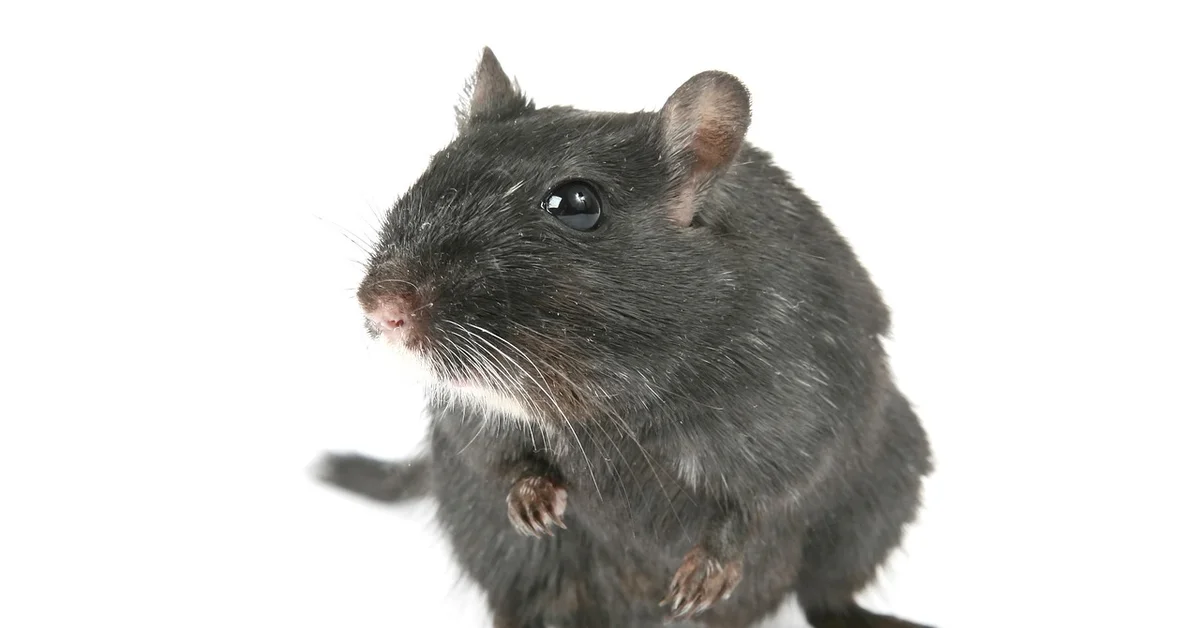
Teaching a child the correct method to lift a mouse is the foundation of safe interaction. I always start by having the child wash their hands thoroughly to remove any tempting food smells. The goal is to make the mouse feel supported and secure, not scooped like a toy. Guide the child to use a gentle cupping motion, sliding their hand under the mouse’s belly while using their other hand to form a gentle barrier. Never pick a mouse up by its tail; this can cause serious injury and is terrifying for the animal.
- Instruct the child to approach the mouse from the side, not from above, to avoid triggering a predator response.
- Practice the cupping motion with a small stuffed animal first to build muscle memory.
- Always supervise closely, ready to guide little hands if the mouse makes a sudden move.
Safe Holding Positions Kids Can Master
Once the mouse is safely in their hands, a secure holding position prevents drops and falls. My mouse Jeffery, who is quite anxious, responds best to being held in two hands, close to a soft surface like a lap or a table. The ‘Two-Handed Cup’ is the most secure and reassuring position for both the child and the mouse. Another excellent position is the ‘Sitting Observation,’ where the child sits on the floor and lets the mouse explore their lap or hands while they remain still. Movement should be slow and predictable. These techniques should be incorporated into your daily mouse care routine to ensure the comfort and safety of your pet.
- Two-Handed Cup: Hands form a secure, enclosed space for the mouse to sit in.
- Sitting Observation: Perfect for nervous mice and children learning patience.
- Arm Crawl: For more confident handlers, let the mouse walk from one hand to the other up an arm.
Teaching Boundaries During Handling Sessions
Boundaries are not about being strict, but about creating a predictable and stress-free experience. I use a simple timer to define handling sessions, keeping them short-just five to ten minutes at most. Consistent, brief sessions build trust far more effectively than long, overwhelming ones. Teach your child to recognize when the mouse has had enough; if it starts grooming frantically, trying to burrow, or squeaking, it’s time for a break. This teaches empathy and respect for the animal’s needs.
- Use a visual timer so the child knows when the session will end.
- Establish a “no squeezing” rule, explaining that a mouse’s body is very delicate.
- Practice “quiet mouse time,” where the child sits still and simply observes, which can be just as rewarding.
Creating a Bite Prevention Strategy
Recognizing Pre-Bite Warning Signals
Mice almost always give clear signals before they resort to biting; they are communicating that they feel scared or trapped. My bold mouse Kenny will sometimes freeze completely if he’s unsure, while my older mouse Gregory gives a low, rumbling chatter. Learning this unique mouse language is your family’s best defense against nips and surprises. A mouse that flattens its ears, turns its head quickly towards a hand, or flicks its tail is asking for space. Teach your child to see these signs as the mouse saying “I need a break.”
- Freezing in place is a primary sign of fear.
- Flicking or thumping the tail indicates irritation or anxiety.
- Turning away or trying to hide means the mouse is done interacting.
Simple Bite First Aid Every Parent Should Know
Even with the best precautions, a bite can happen if a mouse is startled. The most important thing is to stay calm. A mouse bite is typically a small puncture, not a tear. Your immediate, calm reaction will teach your child how to handle minor injuries without fear. Have your child put the mouse down gently and then come to you. Wash the wound thoroughly with soap and warm water, apply an antibiotic ointment, and cover it with a bandage. Watch for any signs of infection, though this is very rare.
- Stay calm and reassure your child that it’s okay; the mouse was just scared.
- Wash the wound for at least 20 seconds with soap and running water.
- Apply a child-friendly adhesive bandage to prevent germs from getting in.
Escape Prevention and What to Do When Mice Get Loose
Setting Up a Safe Handling Environment
Preventing an escape starts long before you even take the mouse out. I always handle my mice in a small, enclosed room like a bathroom with the door closed and the toilet lid down. A pre-prepared space turns a potential disaster into a manageable situation. Clear the area of small holes, electrical cords, and other hazards. A large plastic tub or a playpen designed for small animals can be a fantastic “yes space” for out-of-cage time where exploration is safe and contained.
- Choose a room with minimal furniture to hide under.
- Block gaps under doors with a rolled-up towel.
- Keep other pets out of the room during handling sessions.
The Calm Approach to Catching an Escaped Mouse
If a mouse does get loose, panic is the enemy. Mice are curious and will often investigate new things. My method involves a small, tall-sided container like a trash can and some high-value treats. A calm, patient strategy is far more successful than a frantic chase that will only scare the mouse further. This technique lets you catch mice without resorting to snap or glue traps. It’s a simple, humane alternative that reduces stress for both you and the animal. Place the container on its side near the mouse with a trail of treats leading inside. When the mouse enters to investigate, you can gently slide a piece of cardboard under the opening to contain it.
- Use a familiar treat with a strong smell, like a dab of peanut butter or a sunflower seed.
- Dim the lights in the room to make the mouse feel less exposed.
- Never try to grab a loose mouse; you will likely injure it and it will learn to fear you.
Incorporating Mice Into Daily Feeding Routine and Socialization
Building Trust Through Feeding and Treats
The daily feeding ritual is your single best tool for building a bridge of trust between your child and your mouse. Consistency transforms a scary new creature into a predictable and welcome friend. I have my children participate in our nightly routine of refreshing food and water, which has made our mice, especially the cautious Gregory, eagerly await their arrival.
Teach your child to offer treats from an open, flat palm rather than from their fingertips. This prevents accidental nips and feels much safer for the mouse. An open palm presents a stable, non-threatening landing platform that encourages gentle investigation. Start with small, irresistible offerings like a tiny piece of unsalted sunflower seed or a crumb of plain cereal.
- Use high-value treats like a sliver of walnut or a bit of cooked pasta to reward calm behavior.
- Instruct your child to sit quietly on the floor during feeding time to appear less intimidating.
- Practice “target feeding” by having your child hold a treat to encourage the mouse to take a single, confident step onto their hand.
- Always supervise these interactions to ensure both the child and the mouse remain calm and positive.
Safe Play Activities That Build Confidence
Once your mouse is comfortable taking treats, you can introduce very short, supervised play sessions. Successful play is not about duration, but about creating a series of positive, brief encounters. My impulsive mouse, Kenny, taught me that even five minutes of positive interaction is more valuable than twenty minutes of forced handling. A small, secure playpen stocked with chew‑safe toys, tunnels, and hiding spots provides an ideal, stimulating space for those short sessions. That way Kenny can explore and play under supervision without risk of escape or injury.
Create a small, secure play area on a sofa or a blanket on the floor, surrounded by pillows. This contained space prevents escapes and gives your child a clear zone of responsibility. Let the mouse explore this new area while your child sits still, allowing the animal to approach them on its own terms.
- Introduce simple toys like empty toilet paper tubes or a small cardboard box with doors cut into it.
- Encourage your child to talk softly to the mouse, as a calm, familiar voice is deeply reassuring.
- Practice “hand-walking” by gently placing one hand in front of the other so the mouse can walk across them.
- Always end the session while the mouse is still curious and engaged, not when it starts hiding or trying to escape.
Emergency Preparedness and Handling Challenges
When Your Child Feels Scared or Overwhelmed
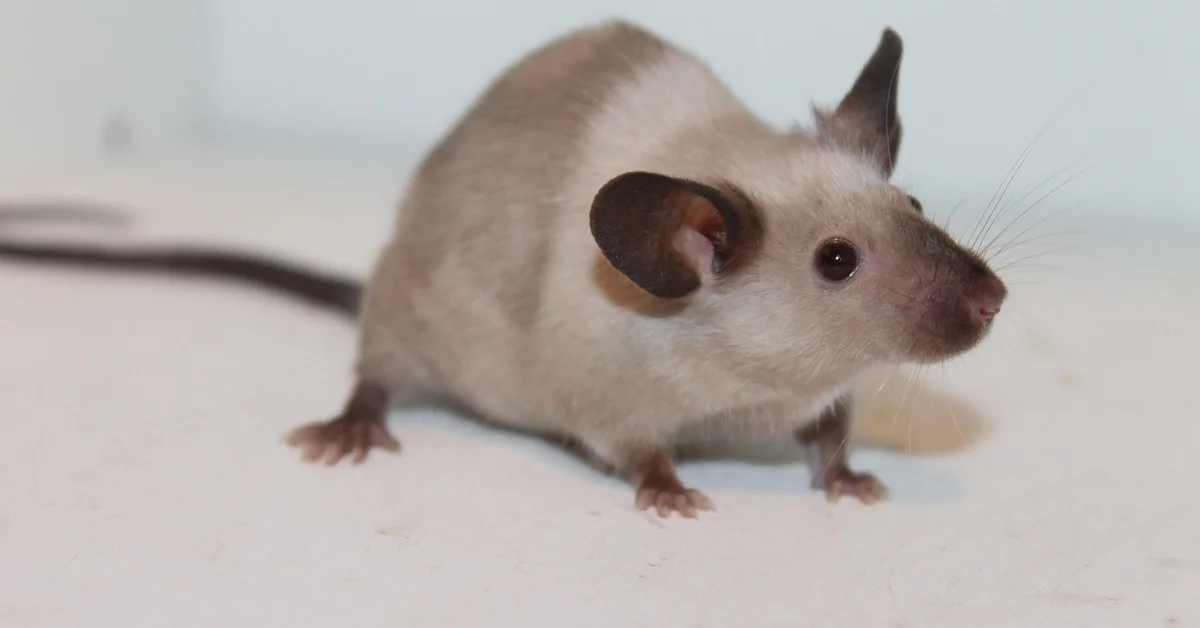
It is completely normal for a child to feel a sudden rush of fear, especially if the mouse moves quickly or startles them. The most important lesson you can teach is that it is always okay to slowly and calmly put the mouse back in its habitat. There is no shame in needing a break; this is a sign of responsible pet ownership, especially when dealing with fear and anxiety in mice.
Role-play these scenarios before they happen. Practice the “safe return” where your child learns to cup the mouse gently and lower it carefully back into its cage. Having a pre-practiced plan empowers your child and reduces panic in the moment. I’ve found that children feel much more in control when they know exactly what to do if they get nervous.
- Establish a “safe word” your child can use when they want to stop the interaction immediately.
- If the child is startled, teach them to take a deep breath and freeze, rather than flinging their hands apart.
- Remind them that the mouse is likely more scared than they are, which fosters empathy.
- Praise them lavishly for communicating their feelings and making a safe choice.
When Your Mouse Shows Persistent Stress Signs
Mice communicate their discomfort loudly through their body language, and it is vital that you and your child learn to read these signals. A stressed mouse is not a “bad” mouse; it is a mouse that needs a quieter approach and more time. Our Jeffery, for instance, will freeze and his whiskers will twitch rapidly when he’s had enough. To help you recognize these behaviors, we created a visual behavioral guide showing common signs of stress in mice. Use it with your child to learn what to look for and how to respond calmly.
If you notice persistent signs like excessive hiding, refusing treats, or frantic scratching to escape, it is time for a complete handling break. Going back to basics with simple treat-offering through the cage bars can rebuild a fractured sense of security. Sudden aggression is often a sign of stress, pain, or illness. Checking for recent changes in their environment or health can help you identify the cause. Forcing interaction when a mouse is clearly stressed will only damage the trust you’ve worked so hard to build.
- Clear stress signs include prolonged freezing, puffing up their fur, and repetitive squeaking.
- Immediately return the mouse to its home and ensure it has a deep layer of bedding to burrow in.
- Check that the room is quiet, the lights aren’t too bright, and the family cat isn’t staring from across the room.
- After a few days of rest, restart the bonding process from the very beginning with treat offerings.
Frequently Asked Questions
Can videos help teach children how to handle mice safely?
Yes, educational videos can be a useful supplement to hands-on learning by visually demonstrating proper techniques, such as the gentle scoop method and calm interactions. However, always watch these videos with your child to discuss key points and reinforce that real-life handling requires direct adult supervision to ensure safety for both the child and the mouse.
Are there any tools that can assist children in handling mice?
Tools like small, soft-handled brushes or dedicated handling cups can help children interact with mice more confidently by providing a barrier that reduces the risk of sudden grabs or drops. These should only be used under close supervision to guide the child toward eventually handling the mouse with their bare hands, once they have mastered gentle techniques and understand mouse behavior.
Should I enroll my child in a class to learn mouse handling?
Structured classes, if available, can provide guided practice and reinforce safe habits through group activities and expert instruction. However, consistent practice at home with parental supervision is essential, as it allows for personalized feedback and helps build a trusting relationship between your child and the mouse in a familiar environment.
Your Journey Begins
The most rewarding part of teaching safe handling is witnessing the beautiful, trusting bond that forms between your child and their small companion. This process builds more than just responsible habits; it cultivates empathy, patience, and a deep respect for another living being.
Remember, progress happens one gentle step at a time, with supervision and encouragement as your constant guides. With these practices, you are not just keeping a tiny pet safe-you are nurturing a young caretaker’s heart and creating joyful memories that will last a lifetime.
Further Reading & Sources
- Refined Handling Hub – The 3Rs Collaborative
- Mouse Handling Tunnels | Kent Scientific
- Mouse Handling & Techniques
Isabella is a passionate small pet enthusiast with over 8 years of experience in caring for mice. She loves sharing practical tips and heartfelt stories to help fellow mouse owners provide the best care for their tiny companions.
Socialization Tips