
Thanatosis in Mice: The Truth About Playing Dead
Have you ever seen your mouse suddenly go limp and unresponsive, sending a jolt of panic straight to your heart? Witnessing this can be a terrifying experience for any pet owner. This guide will walk you through exactly what’s happening, why it occurs, and the simple steps you can take to help your pet.
We will explore the fascinating survival instinct behind this behavior, from the biological triggers that cause it to the subtle signs that distinguish it from a true medical emergency. You will learn how to identify the common causes, create a safe environment to help your mouse recover, and know precisely when a vet visit is necessary.
What Is Thanatosis and Do Mice Actually Play Dead?
Thanatosis is a fascinating biological strategy, essentially an involuntary “freeze” response triggered by overwhelming fear. This isn’t a conscious act of deception but a primal, hardwired survival mechanism that kicks in when a mouse feels escape is impossible. In the wild, a predator often loses interest in prey that appears lifeless, providing a slim chance for survival.
Your pet mouse absolutely can and will exhibit this behavior. I’ve witnessed it firsthand with my own curious mouse, Kenny, who once encountered a sudden, loud noise and instantly transformed from a darting explorer into a completely motionless statue. It’s a stark, startling reminder of the wild instincts that still live just beneath the surface of our domesticated companions.
How to Recognize Death-Feigning Behavior in Your Pet Mouse
Distinguishing between a mouse playing dead and one that is truly unwell requires a careful, observant eye. The context of the situation is your biggest clue—this behavior almost always follows a sudden fright. Look for the immediate cause, like a dropped item, a new pet entering the room, or an unfamiliar object in their cage. To know whether a mouse is gone, check for clear signs of life—steady breathing, response to sound or gentle touch, or movement—and note if it fails to return to its usual spot. If there are no signs after a short interval, treat it as gone and seek veterinary advice if needed.
What Does a Mouse Look Like When Playing Dead?
The physical presentation is very specific and can be quite convincing if you don’t know what to look for.
- Complete Muscle Limpness: Their body will go completely floppy. If you gently pick them up, they will feel like a little furry sack with no resistance.
- Fixed, Unblinking Stare: Their eyes remain wide open, often with a glazed look. They do not track movement or blink.
- Supine Position: They typically fall onto their side or back, legs splayed out awkwardly rather than tucked underneath.
- Subtle Breathing: Watch their sides very closely. You will see very shallow, slow breaths. This is a key differentiator from a serious health issue.
- No Response to Touch: A gentle nudge or stroking their fur will not produce the usual flinch, squeak, or movement.
Seeing your mouse in this state is always a heart-stopping moment, but recognizing these signs can prevent panic. My mouse Jeffery, who is naturally quite anxious, has shown me this full repertoire more than once.
How Long Will a Mouse Stay Immobile?
The duration of thanatosis is highly variable and depends entirely on the individual mouse and the perceived level of threat.
- Brief Spells: Many episodes last only a few seconds to a minute. Once their brain registers that the danger has passed, they will “snap out” of it almost instantly.
- Prolonged Periods: In cases of extreme terror, a mouse might remain motionless for several minutes. I’ve observed periods lasting up to five minutes in my most skittish individuals.
- Environmental Cues: The state will persist as long as the perceived threat is present. The sound of a barking dog or a large shadow moving overhead can maintain the trance.
The return to normalcy is usually abrupt-one moment they are a lifeless form, the next they are scrambling to their feet and scurrying to a hideout. Think of it as a rodent meditation of pure survival; they remain in that state for precisely as long as their instincts demand.
Why Do Mice Play Dead? The Science Behind This Defensive Behavior
Thanatosis in Wild Mice vs Pet Mice
In the wild, mice rely on thanatosis as a survival tactic to trick predators into losing interest. Pet mice may still exhibit this instinct, but it often stems from fear rather than life-or-death situations. I’ve noticed that my mouse Kenny, who’s bold and adventurous, rarely plays dead, while Jeffery, being more anxious, does so when overwhelmed. Domestic environments reduce the need for such extreme defenses, yet the behavior persists in moments of high stress.
Common Triggers for Death-Feigning in Pet Mice
Your mouse might play dead due to specific stressors in their surroundings. Recognizing these triggers—such as those outlined in this visual guide to stressed mice—helps you create a calmer habitat for your pet. Common causes include:
- Loud noises, like vacuums or shouting
- Sudden movements or handling by unfamiliar people
- Introduction to new pets or changes in cage setup
- Overcrowding or territorial disputes with cage mates
In my years of care, I’ve found that minimizing these factors can significantly reduce episodes, especially for sensitive mice like Jeffery.
Is My Mouse Playing Dead or Is Something Wrong?
Thanatosis vs Seizures in Mice
Distinguishing between thanatosis and seizures is vital for your mouse’s health. When playing dead, mice remain still but can snap out of it quickly once the threat passes, whereas seizures involve involuntary muscle twitching or loss of control. If your mouse’s body goes rigid without convulsions and they respond to a gentle nudge, it’s likely thanatosis. Seizures, on the other hand, require immediate veterinary care.
Death-Feigning vs Shock, Injury, or Illness
It’s easy to confuse death-feigning with more serious conditions. Shock often comes with rapid, shallow breathing and cool skin, while injuries might show visible wounds or limping. Illnesses like respiratory infections can cause lethargy but usually include symptoms like wheezing or discharge. If your mouse isn’t reacting to stimuli and shows other signs of distress, it’s time to investigate further.
Playing Dead vs Normal Sleep or Resting
Mice sleep deeply, but thanatosis is distinctly different. During normal rest, your mouse might twitch, breathe steadily, or reposition, but playing dead involves complete immobility and unresponsiveness. I’ve watched Gregory doze off peacefully, with his whiskers twitching, whereas when he feigns death, he lies perfectly still like a tiny statue. Observing breathing patterns and response to gentle touches can clarify the situation.
What Should You Do If Your Mouse Plays Dead?
Immediate Steps When You Find Your Mouse Immobile
If you suspect thanatosis, stay calm and avoid startling your mouse further. Gently check for subtle breathing movements and ensure the environment is quiet and safe. Follow these steps to help them recover:
- Speak softly and avoid sudden movements to reduce stress.
- Offer a familiar treat or their favorite hiding spot to encourage movement.
- Monitor for a few minutes; most mice will resume normal activity quickly.
- If they don’t respond, assess for other symptoms like labored breathing.
From my experience, this approach works well, especially with nervous mice like Jeffery who just need a moment to feel secure.
When Thanatosis Requires Veterinary Attention
While thanatosis is usually harmless, certain signs warrant a vet visit. Seek professional help if the immobility lasts more than a few minutes or is accompanied by other worrying symptoms. Red flags include:
- No signs of breathing or response to stimuli
- Twitching, drooling, or signs of pain
- Repeated episodes in a short period, indicating chronic stress
I always err on the side of caution, as underlying issues could mimic thanatosis and need prompt treatment.
How to Prevent Stress-Induced Thanatosis in Pet Mice
Creating a Low-Stress Environment for Your Mice
A peaceful habitat is your first and most powerful tool against defensive behaviors like thanatosis. Mice feel most secure in a predictable environment filled with hiding spots and familiar routines. I arrange my own cage to have multiple layers of cover, ensuring my boys always have an escape route from perceived threats. Mice often build nests along the cage walls, using the sides as support and extra shelter. Placing nesting materials and small hideouts against the walls helps them feel even safer.
- Provide a deep layer of soft, burrow-able bedding like aspen or paper strips.
- Include at least two enclosed hides per mouse, placed in different areas of the cage.
- Use clutter like tunnels, cardboard tubes, and platforms to break up sightlines.
- Keep the cage in a quiet part of your home, away from loud TVs and high-traffic areas.
- Maintain a consistent light/dark cycle and avoid sudden changes in temperature.
Proper Handling Techniques to Avoid Triggering Fear Responses
The way you pick up your mouse can mean the difference between a curious sniff and a terrified freeze. Always let the mouse initiate contact and move at their pace, never yours. I learned this with my impulsive mouse, Kenny; letting him climb onto my hand voluntarily completely changed his confidence.
- Sit near the open cage and talk softly to let them get used to your presence.
- Offer a high-value treat from your open palm without attempting to grab.
- Once they are comfortable, gently scoop them up from below, supporting their entire body.
- Handle them close to a soft surface, like a bed or a playpen with bedding, in case they jump.
- Keep initial handling sessions brief-just a few minutes-to build positive associations.
Managing Interactions Between Mice and Other Pets
Even the scent or sound of another animal can trigger a profound fear response in a mouse. Your mouse does not need to “get used to” your cat or dog; their instincts tell them these are predators. I keep my mice’s room strictly off-limits to my other pets to provide a true sanctuary—especially when dealing with fear and anxiety in mice.
- House your mice in a room with a door that can be closed securely.
- Never allow direct visual contact between your mice and predatory pets.
- Wash your hands after handling other animals before interacting with your mice.
- Consider using a solid-sided playpen for out-of-cage time to block outside sights and sounds.
Understanding Your Mouse’s Natural Defensive Behaviors
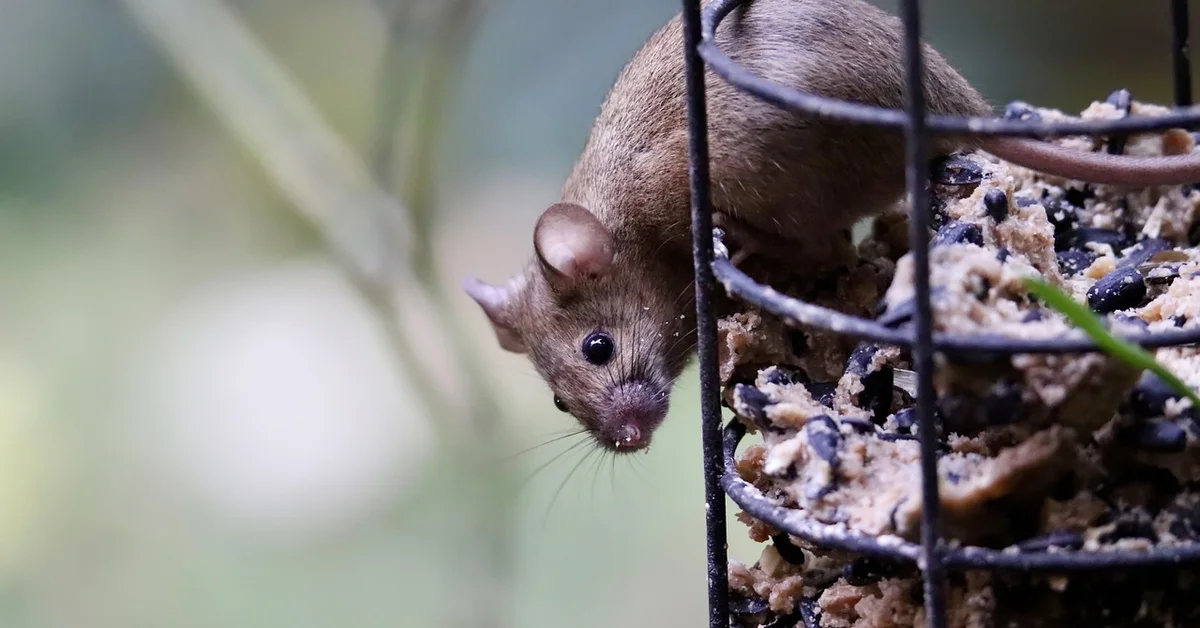
The Freeze Response in Rodent Behavior
Before a mouse progresses to playing dead, it will almost always freeze first. Freezing is a primary defense strategy used to avoid detection by a predator that hunts by movement. You might notice your mouse become a perfect statue, its breathing shallow, its muscles tensed and ready for the next move.
Other Defensive Behaviors Mice Use Before Playing Dead
Thanatosis is a last-resort behavior, and mice have a whole repertoire of actions they try first. Observing these subtle cues can help you de-escalate a situation before your mouse feels the need to play dead. My anxious mouse, Jeffery, often shows me he’s uncomfortable long before he would ever feign death.
- Vigilant Posture: Standing perfectly still on hind legs, ears perked, sniffing the air intensely.
- Startle and Flee: A quick, jerky movement followed by a dart to the nearest hide.
- Thumping: Rhythmically thumping a hind leg against the ground to signal alarm to cage mates.
- Submissive Squeaks: Emitting high-pitched, distressed vocalizations when handled.
Living With Mice: Reducing Predation Cues in Your Home
Do Mice Play Dead More Often With Cats in the House?
The presence of a cat, even a friendly one, creates a constant, low-level stress for pet mice. The mere scent of a feline can put a mouse’s nervous system on high alert, making a thanatosis response more likely. My calmest mouse, Gregory, becomes noticeably more reserved and jumpy for hours after he catches a whiff of a cat from another room.
Thanatosis in Free-Roaming vs Enclosed Situations
Where your mouse is when it feels threatened dramatically influences its defensive choices. A mouse in the open during free-roam time is far more likely to flee, while one cornered in a smaller space may default to freezing or playing dead. This is why providing ample cover and escape routes during playtime is non-negotiable for their mental well-being.
Frequently Asked Questions
Do mice play dead in traps?
Yes, mice can and do play dead when caught in traps as part of their thanatosis response. This instinctual behavior is triggered by the extreme stress and perceived inescapability of the situation, causing them to go limp and unresponsive in an attempt to avoid further harm from what they interpret as a predator.
If you find a mouse motionless in a trap, it may be feigning death, but always approach with caution. Check for subtle signs of breathing or movement, and handle humanely, as this state is temporary and they may recover once the immediate threat is gone. If you’re planning a live-trap release, take the covered trap to a suitable nearby spot and open it gently so the mouse can exit on its own. Follow local guidelines to ensure the release is safe and humane.
Do mice play dead when caught?
Mice frequently play dead when they feel trapped or caught, whether by a predator, human handling, or in a confined space. This thanatosis response is an involuntary reaction to overwhelming fear, where escape seems impossible, leading them to become limp and unresponsive as a survival strategy.
In pet settings, this can occur during sudden captures or stressful interactions. To prevent it, use gentle handling techniques and provide hiding spots to help your mouse feel secure, reducing the likelihood of this defensive behavior. If your mouse suddenly becomes aggressive, common causes include being startled, feeling threatened, experiencing pain, or an underlying illness. Noting when the aggression occurs and any other symptoms can help you determine the cause.
Do mice play dead with cats?
Yes, mice may play dead when exposed to cats, as the scent, sound, or sight of a feline predator can trigger intense fear and thanatosis. This is a hardwired survival instinct, as playing dead might discourage a cat from attacking, giving the mouse a chance to escape if the opportunity arises.
For pet mice, even indirect exposure to cats can cause stress-induced thanatosis. To protect your mouse, keep them in a separate, secure area away from other pets to minimize these fear responses and promote a calmer environment.
Wrapping Up
Seeing your mouse go completely still can be a startling experience, but now you know this thanatosis response is a natural, hardwired defense mechanism. Recognizing this behavior as a sign of extreme fear, not illness, is the first step to becoming a more confident and responsive pet owner. However, other cues—like changes in posture, coat condition, appetite, and breathing—can indicate genuine illness. Refer to the Universal Signs: Sick Mouse visual guide to quickly distinguish fear responses from medical problems.
Your path forward is one of calm observation and gentle care. In my years with mice, creating a peaceful, predictable environment has always been the most powerful way to help my own companions, like the ever-watchful Jeffery, feel secure enough to leave their defensive instincts behind. This complete guide to taming a scared, skittish mouse outlines step-by-step techniques and simple habitat changes that encourage trust. Trust your knowledge, provide a safe space, and you’ll both navigate these rare moments with greater ease.
Further Reading & Sources
- Apparent death – Wikipedia
- How to tell if a mouse is playing dead
- Why do some animals play dead? The strategy of thanatosis
Isabella is a passionate small pet enthusiast with over 8 years of experience in caring for mice. She loves sharing practical tips and heartfelt stories to help fellow mouse owners provide the best care for their tiny companions.
Understanding Mice Behavior