
Tail Wagging and Tail Rattling: What Your Mouse is Communicating
Have you ever noticed your mouse’s tail twitching or shaking and wondered if it’s a sign of happiness, fear, or something else entirely? As a mouse owner who has observed behaviors in curious Kenny, calm Gregory, and anxious Jeffery, I can assure you that tail movements are a vital part of their nonverbal language. This guide will demystify those gestures, giving you the confidence to respond appropriately to your pet’s needs.
We will break down the specific contexts and emotions linked to tail wagging and rattling, from social interactions to stress signals. You will gain practical insights into interpreting these behaviors and learn how to create a supportive environment for your mouse. Understanding these cues helps strengthen the bond between you and your tiny companion.
Understanding Mouse Tail Anatomy and Movement
A mouse’s tail is not just a simple appendage; it’s a complex, multi-purpose tool essential for their daily life. Composed of vertebrae, skin, and a network of fine blood vessels, this delicate structure acts as a fifth limb for your tiny companion. Its surface provides critical temperature regulation, and its length offers an incredible counterbalance for their acrobatic lifestyles.
How Mice Use Their Tails for Balance and Communication
Watch a mouse navigate the edge of a shelf or sprint across a rope bridge, and you’ll witness their tail in action. The tail acts as a dynamic rudder, making constant micro-adjustments to keep their body perfectly centered and prevent falls. It’s a built-in tightrope walker’s pole, allowing for those breathtaking leaps and precise landings we love to watch.
Beyond physical stability, the tail is a primary communication device. Every subtle twitch, sway, and flicker conveys a specific emotional state to other mice and to you, the observer. My mouse Gregory, for instance, often rests with his tail laid out straight and still-a sign of his deep, calm contentment. In contrast, my youngest, Jeffery, often holds his with a slight, constant quiver when he’s cautiously exploring a new toy.
What Tail Wagging Looks Like in Pet Mice
Unlike the joyful, full-body wag of a dog, a mouse’s tail wag is a more nuanced signal. It generally falls into two distinct categories that you will learn to recognize when you understand how mice communicate.
- The Gentle, Slow Wag: This is often a sign of happy concentration or mild curiosity. You might see this when your mouse is intently sniffing a new treat or gently investigating your hand. The movement is a soft, rhythmic sway from side to side.
- The Rapid Twitch or Vibrating Wag: This is a higher-intensity signal. I frequently see my adventurous mouse, Kenny, exhibit this when he’s highly excited, perhaps anticipating his favorite sunflower seeds. The tail appears to vibrate or shiver with barely-contained energy.
- The Full Tail Rattle: This is the most dramatic movement. The mouse will lift its tail and shake or “rattle” it rapidly, sometimes even thumping it against a surface to create an audible sound. This is a serious communication not to be ignored.
Context is your greatest tool for interpretation. A rapid tail vibration during play is far different from the same movement when another mouse is encroaching on a prized food stash. Pay close attention to what is happening around your mouse the moment the tail movement begins. Kenny’s excited food rattle is accompanied by eager hopping, but his territorial rattle is paired with a stiff, upright posture-a crucial difference.
What Tail Rattling Looks Like in Pet Mice
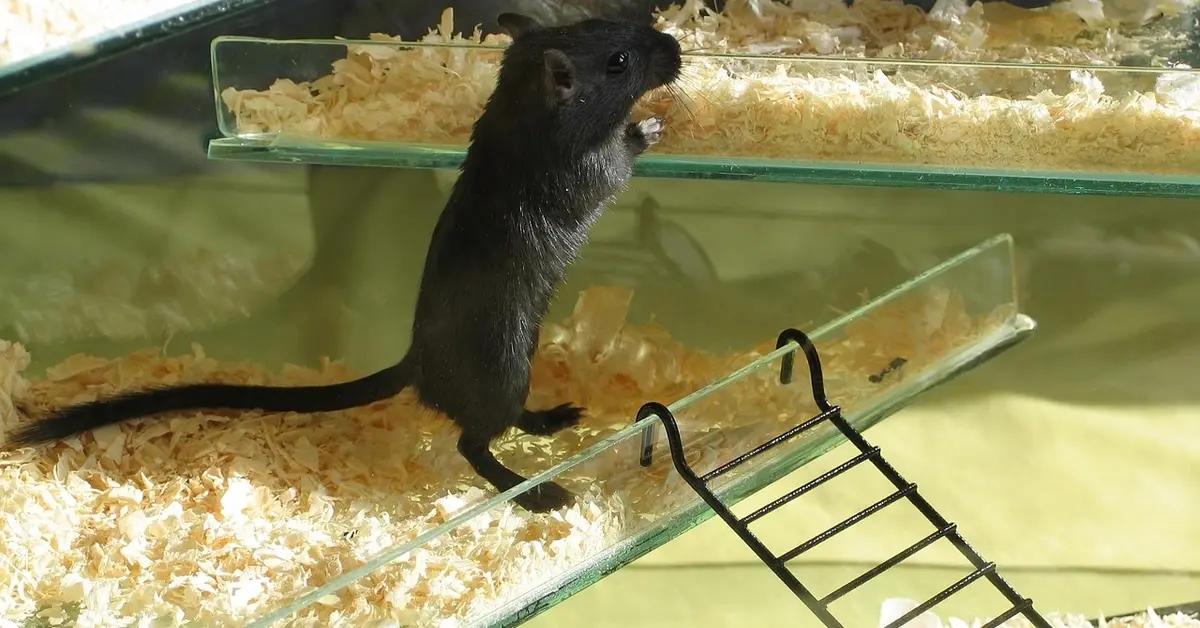
Tail rattling is a more intense and distinct behavior than a simple wag. Instead of a gentle sway, you’ll see your mouse’s tail vibrating or whipping back and forth rapidly, often creating an audible buzzing or tapping sound against the cage floor or objects. The entire body usually becomes stiff and rigid, with the mouse often standing its ground or advancing slowly. It’s a behavior you can’t miss once you’ve seen it, and it carries a much stronger message.
Why Your Mouse Wags Its Tail: Common Reasons
A wagging tail in a mouse is not the same as a happy dog’s wag. This subtle, fluid side-to-side motion is a complex form of nonverbal communication, and its meaning depends heavily on the context of the situation. Learning to interpret the wag is key to understanding your pet’s emotional state.
Excitement and Anticipation
You might notice a soft, sweeping tail wag when you approach the cage with a favorite treat. This is a sign of happy anticipation, a physical expression of their eager focus on something positive that’s about to happen. My mouse, Kenny, often does this when he hears the crinkle of the sunflower seed bag-his whole body seems to wiggle with his tail.
Exploration and Curiosity
As your mouse investigates a new toy or a recently rearranged section of their habitat, a slow, deliberate tail wag can accompany their sniffing and inspection. Think of it as a sign of deep concentration, a way for them to process new sensory information in their environment. It’s a quiet behavior you’ll see during their most inquisitive moments.
Social Interaction and Play
During gentle wrestling or chase games with cage mates, you might observe brief tail wags. In this social context, the wag can signal playful engagement and is a normal part of their interactive body language. It’s usually loose and not paired with any aggressive posturing, distinguishing it from more serious communication.
Mild Annoyance or Discomfort
Sometimes, a wag is a polite request for space. If you are handling your mouse and it gives a single, sharp tail flick, it’s often a mouse’s way of saying, “I’m done for now,” or “That’s a bit too much.” It’s a low-level signal of irritation that you should respect to maintain trust.
Why Your Mouse Rattles Its Tail: What This Behavior Signals
Tail rattling is a much more potent behavior that demands your attention. When a mouse rattles its tail, it is broadcasting a high-state emotional alert, and it’s crucial to identify the trigger to ensure everyone’s well-being. Ignoring this signal can lead to escalated stress or conflict.
Territorial Display and Dominance
This is one of the most common reasons for tail rattling, especially when introducing new mice or items. A mouse will stand tall, often on its hind legs, and vibrate its tail rapidly to assert dominance and claim a specific area or object as its own. It’s a clear warning to other mice to back off.
Mating Behavior and Courtship
In the presence of a female in estrus, a male mouse may combine tail rattling with ultrasonic vocalizations. This specific courtship rattling is part of a complex mating ritual and is typically directed and persistent. It’s a specialized behavior tied directly to reproductive drives.
Fear and Defensive Aggression
When a mouse feels genuinely threatened-by a perceived predator, a sudden loud noise, or an overly assertive cage mate-fear can manifest as defensive tail rattling. The rattling is a bluff to make themselves appear larger and more dangerous to the source of their fear, hoping to avoid an actual physical confrontation. My more anxious mouse, Jeffery, has done this during sudden, loud thunderstorms.
Agitation From Stress or Overstimulation
Environmental stressors are a frequent cause of this behavior. If the cage is too small, too noisy, or lacks sufficient hiding places, a mouse may resort to tail rattling as an outlet for its built-up frustration and anxiety. Gregory, my older mouse, has been known to rattle his tail when his nap is repeatedly interrupted by his more energetic companions. It’s his grumpy way of asking for peace and quiet.
Reading Your Mouse’s Body Language Alongside Tail Movements
Body Posture and Positioning
A wagging or rattling tail is just one piece of the puzzle; the rest of your mouse’s body provides the full context. Observing their overall posture is like reading the final chapter of a story that their tail started. A relaxed mouse with a gently swaying tail will often have a loose, low-to-the-ground posture, perhaps even shuffling forward with a curious sniff.
Contrast this with a tense, rigid body held high on stiff legs, which, when paired with tail rattling, is a clear sign of high alert. I’ve noticed my mouse Kenny will sometimes freeze completely, his body like a tiny statue, right before a quick tail rattle at an unexpected noise. This frozen posture indicates he’s assessing a potential threat, and the tail rattle is his warning shot.
Ear Position and Facial Cues
Don’t forget to look at their face! A mouse’s ears and eyes are incredibly expressive. Ears that are perked up and facing forward suggest curiosity or interest, which can accompany a happy, investigative tail wag. When their ears are pinned flat against their head, it’s a universal sign of fear, annoyance, or aggression.
Watch their whiskers too. Rapid, twitchy whisker movements mean they are actively gathering information about their surroundings. My older mouse, Gregory, often has slow, deliberate whisker movements with his calm tail wags, while Jeffery’s whiskers go into overdrive during his more anxious tail vibrations. The face truly tells the emotional tale behind the tail’s motion.
Vocalizations and Breathing Patterns
Mice have a whole range of sounds that are easy to miss. Listening closely can complete the picture of what their tail is saying. Happy, content mice might make soft, chirping sounds or bruxing (tooth grinding) noises, which often pair with relaxed tail movements.
A sharp, high-pitched squeak combined with tail rattling is a definitive distress call. Also, pay attention to their breathing. Fast, shallow breaths indicate stress or fear, while slow, even breathing suggests a calm and comfortable mouse. The entire animal is communicating; you just have to know how to listen with your eyes and ears. These are just a few of the signs of stress in mice to watch out for.
How to Respond to Tail Wagging in Your Pet Mouse
When Wagging Signals Positive States
When you see that gentle, swaying tail during exploration or a treat hunt, it’s a wonderful sign of an engaged and happy mouse. The best response is to simply let them continue their enjoyable activity without interruption. This is not the time for a sudden scoop-up or loud noises. Pay attention to both tail and head signals to know when to leave them be. The mouse body language head-tail guide breaks down these cues so you can respond appropriately.
You can reinforce this positive state by:
- Offering a favorite healthy snack, like a piece of a vegetable.
- Speaking to them in a soft, calm voice to associate your presence with good feelings.
- Adding a new, safe enrichment item to their space to extend their exploration.
Your goal is to become a source of positive experiences, not a source of disruption.
When Wagging Indicates Mild Stress
Sometimes the wagging is quicker, more hesitant, and paired with a tense body. This often happens during a new introduction or a slightly scary situation. Your role here is to be a calm, reassuring presence and reduce the pressure. Avoid direct eye contact, which can be perceived as a threat.
Effective responses include:
- Moving slowly and deliberately around their habitat.
- Giving them more space and allowing them to retreat to a hide.
- Letting them approach you on their own terms, perhaps by offering a treat from your open palm.
Patience is your greatest tool when helping a mouse work through mild uncertainty.
How to Respond to Tail Rattling in Your Pet Mouse
Handling a Mouse Showing Defensive Rattling
If your mouse is rattling its tail at you, it is feeling defensive and scared. The absolute worst thing you can do is try to pick them up or force an interaction. Forcing contact when a mouse is this stressed will destroy trust and can lead to a bite. Back away and give them space immediately.
Instead, focus on:
- Speaking in a very low, soothing tone.
- Leaving a high-value treat, like a bit of unsalted peanut butter, near them as a peace offering before you retreat.
- Re-evaluating your approach method; perhaps your hand is coming in too fast from above, mimicking a predator.
Managing Social Rattling Between Cage Mates
Tail rattling between mice is a normal part of establishing hierarchy, but it shouldn’t be constant or escalate to fights. Brief rattling during a disagreement over a toy or sleeping spot is usually nothing to worry about. It’s their way of saying, “I was here first!” or “Back off!”
You should intervene if you see:
- Prolonged, intense rattling that doesn’t stop.
- Chasing that prevents one mouse from accessing food or water.
- Any actual fighting with biting and rolling balls of fur.
In these cases, temporarily separating the mice and ensuring you have multiple of every resource (food bowls, water bottles, hides) is crucial. These behaviors can be signs of stress, illness, hormonal changes, or shifts in social hierarchy—common reasons a mouse might suddenly become aggressive. If the aggression is new or severe, check for recent environmental changes and consult a veterinarian to rule out medical causes.
Reducing Environmental Stress That Triggers Rattling
Often, tail rattling is a symptom of an environmental problem. Creating a secure and predictable habitat is the most effective long-term solution for a nervous, rattling mouse. Look at their world from their perspective.
Key changes to make:
- Provide an abundance of hides and tunnels so they always feel they have an escape route.
- Place the cage in a quiet area away from loud TVs, slamming doors, and high-traffic zones.
- Maintain a consistent daily routine for feeding, spot-cleaning, and playtime to build a sense of safety.
- Avoid using strongly scented cleaners, air fresheners, or perfumes near their space.
These changes form the foundation of the complete guide to taming a scared skittish mouse. When paired with patient, gradual handling and positive reinforcement, they help your mouse learn to trust you.
A comfortable mouse is a quiet-tailed mouse, so focus on building them a fortress of solitude.
When Tail Behavior Signals a Health Problem
Neurological Issues and Erratic Tail Movements
While a gentle tail sway can be a sign of happy focus, certain movements are clear red flags. Watch for a tail that seems to have a mind of its own, whipping in uncontrolled circles or trembling violently without an obvious trigger. This isn’t the same as the coordinated rattle of excitement; it’s a disjointed, shaky motion. I once noticed one of my mice developing a persistent tail tremor that was completely different from his usual curious twitches. Neurological problems, which can stem from inner ear infections, strokes, or even tumors, often manifest this way. The tail’s movements become uncoordinated and erratic, a stark contrast to purposeful communication.
Pain-Related Tail Behavior
A mouse in pain will often tell you with its tail. A tail held stiffly away from the body or dragged limply can indicate discomfort or injury. Noticing these tail behaviors will help you tell if your mouse is in pain. If you observe them, check for other symptoms and consult a veterinarian. Look for these specific signs that suggest your pet is hurting:
- A kinked or crooked tail that wasn’t previously there, potentially signaling a fracture.
- Constant licking, chewing, or worrying at the tail itself.
- Guarding behavior, where the mouse flinches or moves away when the tail is approached.
- A general lack of tail movement, holding it completely still to avoid jarring a painful area.
This is different from a sleepy, relaxed tail. A pained tail is tense and often accompanies other symptoms like squinted eyes or a hunched posture.
When to Contact Your Veterinarian
Trust your instincts-you know your mouse’s normal behavior best. Any sudden, drastic change in tail behavior warrants a professional opinion. Don’t wait to see if it “gets better.” Contact your vet immediately if you observe:
- Visible injury, swelling, or bleeding on the tail.
- Loss of movement or sensation in the tail.
- Uncontrolled, continuous trembling or thrashing.
- A combination of strange tail movements with lethargy, loss of appetite, or labored breathing.
My Jeffrey once had a minor tail scrape that I treated at home, but I called the vet the moment I saw him favoring it. It turned out to be a small sprain, and getting prompt care prevented a worse injury. It’s always better to be safe and get that professional assessment.
Enrichment and Activities That Promote Healthy Tail Behavior
Providing Adequate Space and Climbing Opportunities
A cramped mouse is often a stressed mouse, and stress can lead to all sorts of odd tail flicks and nervous rattles. Providing a spacious, multi-level habitat is the single most effective way to encourage confident, happy tail language. Mice are natural climbers and explorers. I’ve watched my Kenny’s tail become a lively rudder of excitement as he scales ropes and navigates hammocks. Ensure your cage has plenty of vertical space. For detailed size, layout, and safety recommendations, see the ultimate guide to mouse cages. It covers ideal dimensions, materials, and setup ideas to help you build the perfect home. Use safe materials like:
- Bird ladders and rope perches for climbing.
- Multiple platforms and shelves at different heights.
- Sturdy branches from non-toxic trees (like applewood).
- Tissue boxes and paper towel tubes for cheap, replaceable tunnels.
This environment allows for the full, graceful arc of a tail used for balance during exploration, a beautiful sign of a content mouse.
Offering Appropriate Social Groupings
Mice are profoundly social creatures, and their tail movements are a key part of how they interact. Housing a mouse alone can lead to depression and repetitive, self-soothing tail movements that lack true communicative purpose. We’ve written about the drawbacks of solitary housing for mice. A well-matched group, however, provides a constant stream of social stimulation. You’ll see tails quiver with excitement during greeting sniffs, or gently wrap around a cagemate during a nap. My trio-bold Kenny, patient Gregory, and anxious Jeffery-have a complex social dynamic that plays out in their tails. Gregory’s slow, steady tail flicks seem to calm Jeffery’s more nervous twitches. Always introduce new mice on neutral territory and monitor their tail postures; a high, stiff tail can signal tension, while low, relaxed tails mean they’re getting along.
Interactive Play and Mental Stimulation
A bored mouse might just sit there, but its tail might still flick with pent-up energy. Interactive play sessions are where you’ll see the most vibrant and joyful tail behaviors. This isn’t just about physical exercise; it’s about engaging their clever minds. I set up a “dig box” filled with crinkly paper strips, and watching their tails wiggle with glee as they burrow is a delight. Try these activities to stimulate healthy tail wags:
- Food puzzles: Hide their favorite treats inside a crumpled paper ball or a puzzle feeder.
- Training sessions: Use a clicker and a sunflower seed to teach them simple tricks like coming when called. Their tails will often quiver with concentration.
- New textures: Rotate in different bedding materials like aspen shavings, hemp, and crinkle paper for them to investigate.
- Supervised free-roam time in a secure, mouse-proofed area.
This mental workout leads to a tired, happy mouse whose tail language is a clear reflection of its well-being.
Frequently Asked Questions
What does tail wagging mean in dogs?
In dogs, tail wagging is a form of communication that can express a range of emotions, not just happiness. The meaning depends on the wag’s speed, direction, and the dog’s overall posture. For instance, a relaxed, wide wag often signals friendliness, while a stiff, high wag may indicate alertness or potential aggression.
It’s essential to consider context: a wagging tail paired with a wiggly body and relaxed ears usually means joy, but if the body is tense and the ears are back, it could signify fear or stress. Always observe the full picture to understand what a dog is conveying.
What does tail wagging mean in cats?
In cats, tail wagging or twitching typically reflects their mood and intentions, which can differ significantly from dogs. A gently swaying tail might show curiosity or contentment, while a rapid, lashing motion often signals irritation, excitement, or impending aggression. Cats use their tails to communicate subtle changes in their emotional state.
For example, a quivering tail held upright can indicate excitement during greetings, but a puffed-up tail with aggressive wagging is a clear warning. Paying attention to other cues like ear position and vocalizations helps interpret these signals accurately.
Does a wagging tail always mean a dog is happy?
No, a wagging tail does not always mean a dog is happy. While it can express joy, it may also indicate anxiety, submission, or even defensive aggression. The tail’s position and movement speed are key; a low, slow wag might show insecurity, while a high, rapid wag could be a sign of arousal or threat.
Context is crucial: a dog wagging its tail while growling or avoiding eye contact is likely stressed, not friendly. Understanding the situation and the dog’s entire body language ensures a correct interpretation of their feelings.
Your Journey with Mouse Tails
Decoding the subtle language of tail wagging and rattling transforms your relationship with your pet. You are no longer just watching a mouse; you are learning to listen to a complex and expressive creature. Recognizing a gentle wag of contentment or the sharp rattle of a warning gives you incredible insight into their tiny, bustling world.
Keep observing your mice with patience and curiosity. Every flick and quiver is a sentence in the ongoing story of your life together, a story that gets richer the more you understand. Trust your growing knowledge, and enjoy the beautiful, non-verbal conversation you are now a part of.
Further Reading & Sources
- Mouse Body Language – Oratory Club
- What Does It Mean When Mice Shake Their Tail? | Pets on Mom.com
- Fate and function of the ventral ectodermal ridge during mouse tail development – PubMed
Isabella is a passionate small pet enthusiast with over 8 years of experience in caring for mice. She loves sharing practical tips and heartfelt stories to help fellow mouse owners provide the best care for their tiny companions.
Understanding Mice Behavior