
Cage Aggression and Territoriality: How to Manage It
Have you ever watched your mice chase, nip, or guard their favorite spots, leaving you feeling helpless and concerned for their well-being?
This guide offers a clear path to understanding and easing those tensions, drawing from proven methods I’ve used with my own mice. You’ll find insights on spotting early warning signs, practical steps to de-escalate conflicts, and ways to design a cage that encourages cooperation instead of competition.
Understanding Cage Aggression and Territoriality in Mice
Defining Cage Aggression and Territorial Behavior
Think of cage aggression not as simple grumpiness, but as a complex language of space and security that mice use to communicate. True aggression involves deliberate, harmful actions like biting, relentless chasing, and forceful barbering, which are distinct from the brief squabbles of normal social hierarchy. My own mouse, Kenny, often gets a bit pushy during play, but true aggression is when the interaction stops being a game and starts causing real stress or injury.
Territoriality is the deep-seated instinct to claim and defend a valued area. A mouse that fiercely guards a specific hut, wheel, or food bowl is displaying textbook territorial behavior, treating that object as its personal kingdom. This is different from a mouse who is just generally irritable; the focus is on a particular spot or resource they deem critically important.
Common Triggers for Aggressive Outbursts
Mice are creatures of habit, and disruptions to their world can quickly lead to tension. Being aware of these common triggers is your first step toward peace. If your pet mouse has suddenly become aggressive, it’s usually reacting to stress, illness, or a disruption in its environment. Recognizing these triggers can help you understand why your mouse seems suddenly aggressive and what to do about it.
- Insufficient Space: Even the best of friends can get snippy when they are constantly in each other’s way. A cramped cage removes the option for a mouse to simply walk away and cool down.
- Limited Resources: Competition over a single favorite hideout, the best wheel, or a food dish can ignite conflict. I always provide multiple versions of high-value items to prevent this.
- Introduction of New Mice: Bringing a new mouse into an established group is a major event. The existing social order is challenged, which can lead to a period of intense posturing and testing.
- Environmental Stress: Loud noises, excessive light, frequent cage rearrangements, or even the scent of other pets can put your mice on high alert, making them more prone to lashing out.
- Underlying Illness or Pain: A mouse that isn’t feeling well may become withdrawn or, conversely, hyper-aggressive to keep cage mates from bumping into its sore spots.
Recognizing Aggressive Body Language and Stress Signals
Interpreting Mouse Postures and Movements
Your mice are talking with their whole bodies, and learning this language is key to preventing serious fights. An aggressive mouse will often make itself look larger by standing tall on its back legs, its body tense and ready for action. This is a clear warning sign to back off. Recognizing where dominance ends and bullying begins helps you spot unhealthy mouse relationships early. Intervening can keep the social group cohesive and reduce harm.
Watch for specific, deliberate actions that signal rising tension.
- Sidling: A mouse will press its side against another, pushing and shoving to assert dominance and move its rival.
- Tail Rattling: A rapidly vibrating or thumping tail is a major red flag, much like a rattlesnake’s warning. It often precedes a lunge or attack.
- Pinning: One mouse physically holds another down. A brief pin is normal, but prolonged holding is a sign of serious aggression.
- Barbering: This is when one mouse obsessively chews or plucks the fur off another, often around the face or whiskers. It’s a passive-aggressive form of control.
Vocal and Scent Marking Cues
Much of mouse communication happens in frequencies we can’t hear and scents we can’t detect, but you can still observe the behaviors associated with them. Do mice communicate? They do, using vocalizations, postures, and scent cues to convey information about territory, mating, and safety.
While we hear the occasional squeak, most serious disputes are preceded by ultrasonic chattering that serves as a final warning before a physical clash. Squeaks differ in pitch and length, hinting at their meanings. Decoding these sounds helps explain what the mice are signaling before a clash. If you see two mice face-to-face, completely still and silent, they are likely having a very loud, high-frequency argument.
Scent marking is a constant and peaceful way for mice to claim their space, but it becomes frantic during times of stress. You might notice a mouse rubbing its flanks vigorously on every surface after a cage cleaning or a new introduction, urgently re-establishing its scent signature to feel secure again. This is their way of saying, “I live here, this is mine,” and it’s a normal response to a disrupted environment.
Immediate Steps to Intervene in Mouse Fights
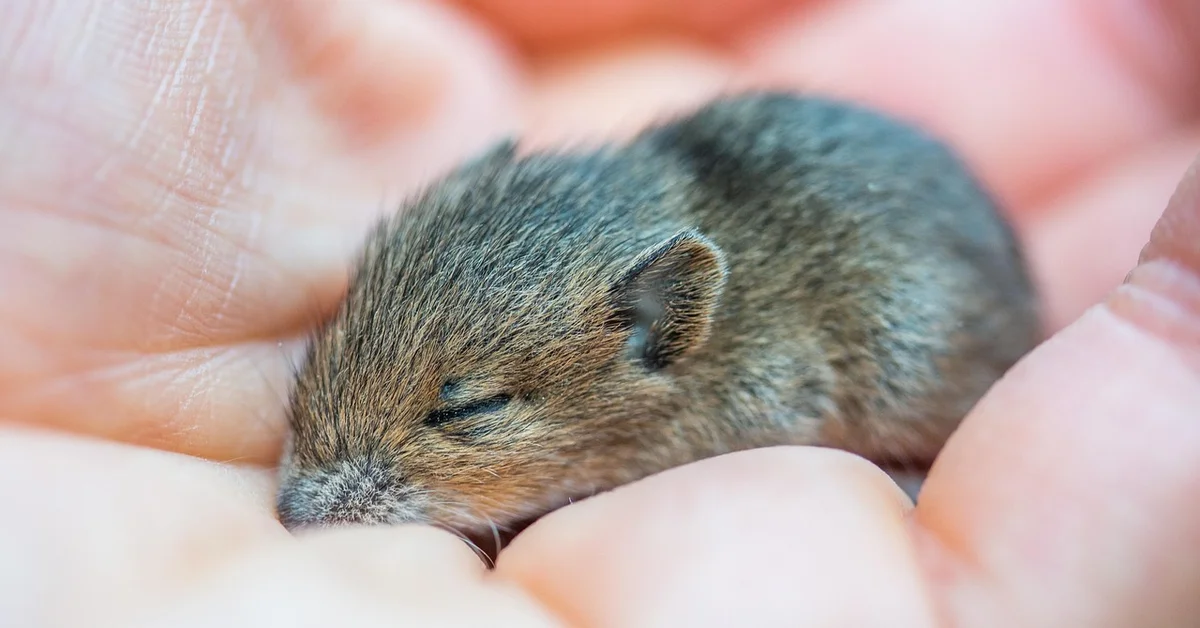
Safe Separation Techniques
Witnessing a squabble can be startling, but your calm reaction is vital for everyone’s safety. Never use your bare hands to separate fighting mice, as a redirected bite is painful and can break the trust you’ve built. I always keep a small cardboard tube or a thick cardboard divider nearby for this exact purpose. Gently slide it between the mice to create a visual and physical barrier. If the conflict is intense, you can carefully coax one mouse into the tube and lift them out together, avoiding direct handling until they’ve calmed down. This method has saved my impulsive Kenny from many a scuffle with the more patient Gregory.
De-escalation and Redirection Strategies
Once the mice are physically separated, the next step is to shift their focus away from the conflict. Offering a high-value treat, like a piece of a walnut or a drop of yogurt on a spoon, can instantly redirect their attention from fighting to foraging. You can also introduce a novel object, such as a new hideout stuffed with nesting material or a toilet paper roll filled with hay. The goal is to break the aggressive cycle and replace it with a positive, engaging activity. I’ve found that a sudden, gentle rustling sound from crinkling paper near their cage can sometimes be enough of a distraction to make them pause and investigate. These techniques also help when you have other pets at home, easing introductions and reducing stress. Always supervise interactions and keep mice in secure, separate enclosures when not actively supervised.
- Use a barrier like cardboard to separate, not your hands.
- Distract with a sudden, enticing smell or sound.
- Redirect energy with a new toy or a foraging puzzle.
- Scatter a handful of their regular food to encourage natural, non-competitive behavior.
Building a Long-Term Management Plan
Environmental Enrichment to Reduce Tension
A busy, complex cage is a peaceful cage. Territorial disputes often stem from boredom and a lack of resources, so transforming their home into a stimulating environment is your most powerful tool. I aim for what I call “positive clutter”—multiple levels connected by ropes and bridges, at least three hideouts (one more than the number of mice), and a deep layer of bedding for burrowing. Rotating toys and rearranging the cage layout weekly prevents any single mouse from claiming a permanent territory and keeps their curious minds occupied. For my group, adding a simple dig box filled with coconut fiber soil drastically reduced bickering. If you’re considering natural wood branches for enrichment, consult a guide on safe woods branches for mouse cages to choose non-toxic, untreated wood and prepare it properly. Avoid cedar or pine due to aromatic oils, and always inspect for splinters and secure branches firmly.
Socialization and Reintroduction Protocols
If a serious fight leads to a prolonged separation, a slow and careful reintroduction is necessary. Always perform reintroductions in a completely neutral space that smells nothing like their established cage, like a dry bathtub or a large plastic bin. Start with short, supervised sessions, providing abundant treats and hiding spots. Watch their body language closely; mutual grooming and sleeping together are excellent signs, while puffed-up fur and sidling are warnings. It took several of these neutral territory sessions for my anxious Jeffery to feel comfortable rejoining the group after a solo recovery period.
- Choose a neutral area free of familiar scents.
- Supervise short, positive meetings with plenty of food.
- Look for positive interactions like huddling or exploring together.
- Gradually extend session time before attempting a full cage move.
Creating a Structured Routine and Safe Spaces
Mice find immense comfort in predictability. A consistent daily routine for feeding, spot-cleaning, and playtime outside the cage reduces stress-induced aggression by creating a world they can understand and trust. This is part of the ultimate guide to mouse cages, emphasizing safe, enrichment-focused layouts. For a complete resource, the guide covers enclosure size, materials, and multi-level designs. Ensure every mouse has access to a “safe room”—a hideout with only one entrance that they can retreat to without being followed. I use upside-down ceramic dishes with a single door carved out, as they are too heavy to be moved by a cage mate. Placing these safe spaces on different levels of the cage prevents any single mouse from guarding all the prime real estate.
When to Seek Veterinary or Behavioral Advice
Identifying Signs That Need Professional Help
While some scuffling is normal, certain behaviors indicate a deeper problem. To address this, consider why the fighting started—stress, territory, or health issues. Knowing the cause helps identify practical, humane solutions. You should consult a professional if you notice persistent, violent fighting that doesn’t de-escalate, wounds that break the skin, or one mouse actively preventing others from accessing food and water. Other red flags include a mouse that is losing weight, has a perpetually hunched posture, or is hiding excessively due to bullying. In my experience, a sudden onset of severe aggression in a previously calm mouse can sometimes signal an underlying health issue, like pain, that needs a vet’s diagnosis.
Preparing for a Vet Visit
Heading to the vet for a behavior issue requires a bit of preparation to give them the full picture. Before your appointment, try to capture a short video of the problematic interactions, as this is far more helpful than a verbal description alone. Note down the frequency of fights, the specific mice involved, and any changes to their environment or routine. Bring a list of all cage mates, their ages, and how long they have lived together. This detailed information helps your vet distinguish between a social hierarchy dispute and a more serious medical or behavioral condition requiring specific intervention.
- Record a video of the aggressive behavior if possible.
- Log the frequency, context, and participants of fights.
- Note any recent changes in diet, cage layout, or group dynamics.
- Bring a list of all cage mates and their general temperaments.
Frequently Asked Questions
How does the presence of other pets, such as dogs, affect cage aggression in mice?
The presence of dogs can heighten stress in mice due to their predatory scent, sounds, and movements, potentially triggering or worsening cage aggression. To manage this, place the mouse enclosure in a quiet, elevated location away from dog traffic, and use sound-dampening materials or visual barriers to minimize disturbances. A quick visual guide to signs of stress in mice—such as tremors, reduced grooming, or increased hiding—helps caregivers monitor welfare. Providing ample hiding spots and maintaining a consistent routine can help mice feel secure, reducing stress-induced territorial behavior.
What training methods can help reduce cage aggression in mice?
Training using positive reinforcement can effectively manage cage aggression by encouraging calm and cooperative behaviors. For example, reward mice with treats when they interact peacefully or share resources, and use clicker training to reinforce desired actions like taking turns on a wheel. Consistent, short sessions focused on redirection and trust-building can diminish aggressive tendencies over time, complementing environmental adjustments.
Can training prevent territorial disputes before they start in mice?
Yes, proactive training can help prevent territorial behavior by establishing positive routines and reducing resource competition. Introduce exercises like group foraging with scattered food or supervised play in neutral areas to promote bonding and shared space use. Regularly rewarding non-aggressive interactions during these activities reinforces a peaceful hierarchy, making mice less likely to guard territories aggressively.
Your Path to Peaceful Coexistence
You now possess a powerful toolkit of strategies to transform a tense cage into a harmonious home. From thoughtful introductions to enriching environments, you have the knowledge to guide your mice toward a more peaceful social dynamic.
Trust the process and your own growing expertise as a pet owner; your patient and observant care is the single most important factor for their well-being. With time and consistency, you can turn those initial squabbles into a stable, contented little community.
Further Reading & Sources
- Territorial Aggression – CHICAGO EXOTICS ANIMAL HOSPITAL
- CAGE RAGE! What it is and how to manage it. – Loved at Last Dog Rescue
- Technique for producing and measuring territorial aggression using laboratory mice – PubMed
Isabella is a passionate small pet enthusiast with over 8 years of experience in caring for mice. She loves sharing practical tips and heartfelt stories to help fellow mouse owners provide the best care for their tiny companions.
Common Behavioral Issues