
Safe Protein Sources for Pet Mice: Insects, Eggs, and More
Are you unsure which protein-rich foods are truly safe and beneficial for your pet mice? I’ve carefully tested various options over the years and will share a straightforward, reliable guide to help you choose the best proteins with confidence.
We’ll explore insects such as mealworms and crickets, eggs prepared safely, and other wholesome choices to keep your mice energetic and well-nourished.
Why Protein Matters in Mouse Nutrition
Protein is the fundamental building block for your mouse’s entire body, supporting everything from muscle repair to a healthy, glossy coat. A diet rich in appropriate protein fuels their constant activity and helps maintain their delicate bodily systems. I’ve noticed my own mice, like the energetic Kenny, become visibly more vibrant and robust when their protein intake is consistent and of high quality.
Think of protein as the construction crew for your pet’s body, constantly repairing and rebuilding. Without adequate protein, mice can become lethargic, their fur may lose its luster, and their overall resilience can decline. It’s not just about growth; it’s about sustaining the vibrant, curious nature we love in our tiny companions every single day.
Safe Insect Options for Pet Mice
Insects are a fantastic, natural source of protein that most mice find absolutely irresistible. Offering a variety of feeder insects mimics the diverse diet mice would seek in the wild, providing both mental and physical enrichment. Watching my mice cautiously approach and then enthusiastically devour a cricket is a clear sign of a happy, engaged pet. That preference helps explain why some mice are more attractive as bait; in the next section we’ll cover the qualities that make a good bait mouse, with attention to humane handling and ethical sourcing.
Mealworms and Their Nutritional Value
Mealworms are a staple in rodent care for good reason—they are packed with protein and relatively easy to find. These wiggly treats are a powerhouse of nutrition, but their high-fat content means they should be given as a supplement, not a main course. I typically offer one or two dried or live mealworms per mouse a few times a week. House mice (Mus musculus) are opportunistic omnivores that eat seeds, grains, fruits, and insects in the wild, so mealworms resemble a natural protein source. Their habitat and nocturnal foraging behavior—nesting in sheltered areas around human dwellings—also influence when and how they take such treats.
- High in protein for muscle maintenance.
- Contain healthy fats for energy.
- Can be fed live, dried, or canned for convenience.
- Their crunchy exoskeleton can help with dental wear.
Crickets as a Protein Treat
Crickets provide a leaner protein option compared to mealworms and encourage natural hunting behaviors. The movement of a live cricket stimulates your mouse’s instincts, turning mealtime into an engaging activity. My more cautious mouse, Jeffery, often observes from a distance before deciding to join in, which is a wonderful way to build his confidence.
- Excellent source of lean protein.
- Promotes natural foraging and pouncing behaviors.
- Rich in chitin, which aids digestion.
- Always choose crickets that are an appropriate size for your mouse to handle.
Other Safe Feeder Insects
Beyond the classics, there is a whole world of safe insects you can offer for variety. Introducing different bugs ensures a broader spectrum of nutrients and keeps your mice interested in their food. I’ve found that rotation is key to a well-rounded diet.
- Black Soldier Fly Larvae (Calci-Worms): An exceptional source of calcium, great for bone health.
- Waxworms: A high-fat treat, best reserved for an occasional snack for underweight mice.
- Silkworms: Soft-bodied and easily digestible, perfect for older mice like my Gregory.
- Dubia Roaches: Nutrient-dense and low in chitin, making them easy to digest.
Why You Should Avoid Wild-Caught Bugs
It might be tempting to collect insects from your garden, but this poses significant risks to your pet’s health. Wild-caught insects can carry invisible pesticides, parasites, or diseases that are easily transmitted to your mouse. The convenience is never worth the potential vet visit and heartache. This is especially important if you use pest control around your home—treated insects can transfer chemicals and parasites directly to pet mice. Avoid feeding wild-caught bugs; choose commercially bred feeders or veterinarian-approved diets and consult professionals for mouse-safe pest control.
- Risk of pesticide or herbicide poisoning.
- Potential for internal parasites.
- Unknown bacteria or viruses from the outdoor environment.
- Impossible to guarantee the insect hasn’t eaten a toxic plant.
Sticking to insects bred specifically for reptile or pet feed is the only way to guarantee a safe and healthy treat for your tiny friend. I purchase all my feeder insects from reputable sources to ensure my mice’s safety, and I highly recommend you do the same.
Eggs as a Complete Protein Source
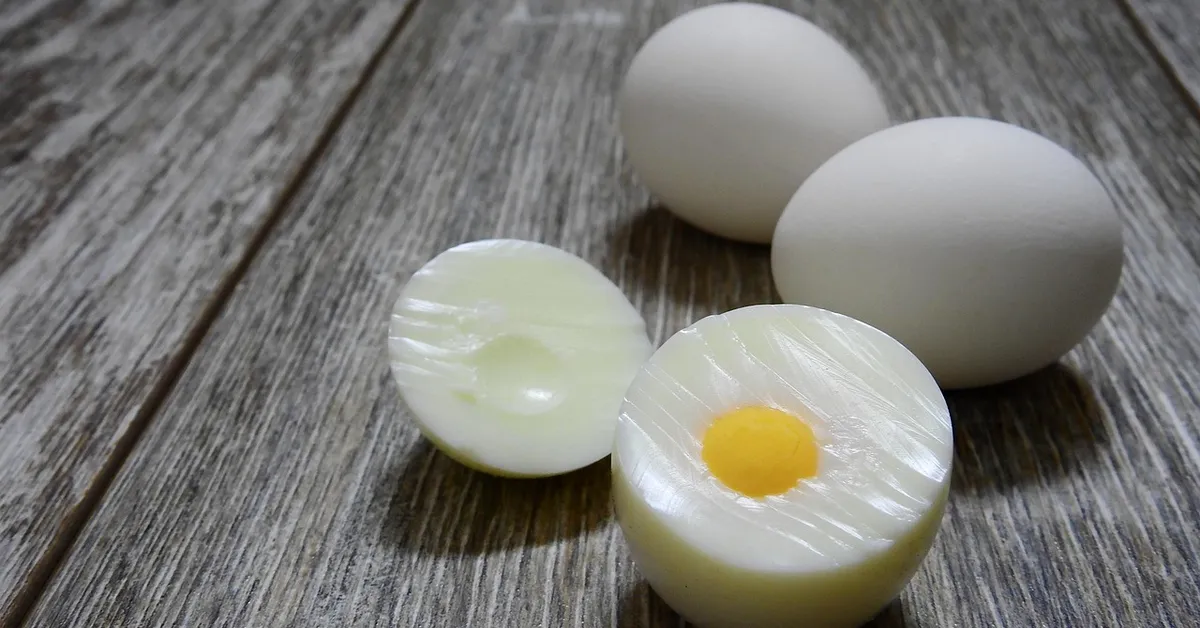
Eggs are a powerhouse of nutrition for your little companions, providing all the essential amino acids they need in one neat package. I consider hard-boiled eggs a staple in my mice’s diet because they are easy to prepare and store for several days. My curious mouse, Kenny, goes absolutely wild for a tiny piece of egg, his whiskers twitching with excitement the moment he catches the scent.
Preparing Boiled Egg for Your Mice
This simple method ensures a safe, mess-free treat that your mice can nibble on without any risk.
- Place a single egg in a small pot and cover it completely with cold water.
- Bring the water to a rolling boil over high heat.
- Once boiling, cover the pot and remove it from the heat source entirely.
- Let the egg sit in the hot water for 12 minutes.
- Transfer the egg to a bowl of ice water to stop the cooking process quickly.
- Peel the egg and discard the shell.
- Chop a tiny piece, no larger than a pea, for each mouse.
- Serve the egg portion at room temperature to avoid shocking their delicate systems.
Always ensure the egg is fully cooled before offering it, as a hot piece could seriously injure their mouth or paws. I’ve found that my older mouse, Gregory, appreciates this soft, easy-to-eat food, especially on days when he seems a little less energetic.
Scrambled Eggs and Other Cooked Egg Options
Scrambled eggs offer a wonderful texture variation that can be especially enticing for picky eaters.
- Scrambled: Whisk one egg and cook it in a non-stick pan without any oil, butter, salt, or milk. Let it cool completely and offer a small, crumbled portion.
- Poached or Soft-Boiled: These are also excellent options, provided the yolk is fully cooked through to eliminate any salmonella risk.
- Baked Frittata: For a fun project, you can bake a simple, plain egg frittata in a mini-muffin tin and freeze the tiny pucks for future treats.
Avoid feeding raw egg whites to your mice, as they contain a protein that can interfere with nutrient absorption. My little Jeffery, who is often a hesitant eater, will tentatively take a piece of fluffy scrambled egg after watching his cage mates enjoy theirs first. However, a seed-only diet can be dangerous for a pet mouse. Seeds are often high in fat and low in essential vitamins and protein, which can lead to obesity and nutritional deficiencies.
Cooked Meat and Fish Options
Small amounts of cooked meat and fish can provide a valuable protein boost, mimicking the insects they might forage for in the wild. These should be considered special occasion treats, not daily food items, to keep your mouse’s diet balanced. In the mouse food pyramid diet, these proteins occupy the protein tier and are used sparingly. The base of the pyramid should remain high-quality pellets, grains, seeds, and fresh vegetables. Offering a new protein source always makes for an interesting afternoon of observation in my mouse habitat.
Offering Cooked Chicken Safely
Plain, cooked chicken breast is one of the safest and most readily accepted meat sources.
- Use boneless, skinless chicken breast.
- Bake, boil, or steam the chicken until it is thoroughly cooked with no pink remaining.
- Do not add any seasonings, oils, salts, or marinades.
- Shred or chop the cooked chicken into tiny, manageable pieces.
- A piece half the size of your mouse’s head is a generous portion.
Remove any uneaten meat from the cage within an hour to prevent spoilage and bacterial growth. I often boil a small piece of chicken for myself and set a tiny, unseasoned portion aside for the boys-it feels like we’re sharing a special meal.
Lean Poultry and Plain Cooked Fish
Beyond chicken, there are a few other lean animal proteins that are suitable for an occasional treat.
- Turkey: Plain, cooked ground turkey or turkey breast is an excellent alternative to chicken.
- White Fish: Cod, haddock, or tilapia that has been baked or steamed without any additives is a great source of protein and omega fatty acids.
- Shellfish: A tiny piece of thoroughly cooked, plain shrimp can be offered very rarely as a novel treat.
Always ensure any fish is meticulously checked for and cleared of all bones, no matter how small. The strong smell of fish will usually bring even the most cautious mouse out to investigate what new delicacy has arrived.
Dairy-Based Protein Treats
While not a natural part of a mouse’s diet, some dairy products can be offered in minute quantities. Many mice are lactose intolerant as adults, so dairy must be introduced with extreme caution and in vanishingly small amounts. I always watch my mice closely for any signs of digestive upset, like soft stools, after they try a new dairy item. I refer to a poop changes guide to interpret any stool alterations and decide whether to stop the food or consult a vet. Noting stool consistency, color, and frequency helps track their digestive health.
Plain Yogurt and Cottage Cheese
If you choose to offer dairy, select products with active cultures and no added sugars or flavors.
- Plain Yogurt: Opt for full-fat or low-fat plain Greek yogurt. The live cultures can sometimes be beneficial for gut health. Offer a dab the size of a single pea on a spoon or your fingertip.
- Cottage Cheese: Choose a low-sodium variety if possible. A single, plain curd is more than enough for one mouse to enjoy.
Dairy is a high-risk treat that should be given sparingly, perhaps only once a month, to avoid stomach issues. My mice enjoy licking yogurt off my finger, but I limit this indulgence to a rare special reward to keep their tiny stomachs happy and healthy.
Plant-Based Protein Sources
While insects and eggs are fantastic, don’t overlook the power of plants for providing protein variety. Offering a mix of animal and plant proteins creates a more interesting and balanced diet for your curious mice. When choosing between seed mixes vs. lab blocks, consider how each delivers that blend of plant and animal proteins and whether you value variety or guaranteed nutrient balance. A deep dive into seed mixes vs. lab blocks can help you decide which approach best supports long-term health and convenience.
Tofu and Soy Protein for Mice
A small cube of plain, firm tofu is a wonderful occasional treat. My mouse Gregory particularly enjoys slowly nibbling on a chilled tofu piece on a warm day. Always choose tofu with no added salt, flavors, or seasonings. While soy is a complete protein, I prefer to use it sparingly alongside other options to keep my mice’s meals diverse and exciting.
- Serve plain, firm tofu in pea-sized cubes.
- Ensure it is thoroughly rinsed to remove any residual brine.
- Limit soy-based treats to once or twice a week to prevent dietary monotony.
How Much Protein Should You Feed Your Pet Mice?
Protein is a supplement, not the main course. Think of these tasty morsels as the special side dish to their staple lab block diet. A portion about the size of your mouse’s ear is a perfect guide for a single serving.
- Young, growing mice like Jeffery can have protein treats 3-4 times per week.
- Adult mice do well with 2-3 protein servings weekly.
- Observe your pets; if they start leaving their main food, you are likely offering too many rich treats.
Balancing Calcium and Phosphorus in Protein Treats
This is a detail many owners miss, but it is vital for long-term health. An ideal calcium-to-phosphorus ratio in their overall diet helps support strong bones and prevents metabolic issues. Many high-protein foods are also high in phosphorus.
You can balance this by offering calcium-rich veggies like kale or broccoli on days you provide protein. I’ve found that a little planning ensures my mice, from energetic Kenny to calm Gregory, get the nutritional harmony they need.
Preparing and Serving Protein Treats Safely
Safety always comes first with our tiny friends. Proper preparation transforms a potential hazard into a safe and enjoyable snack. Always cook any animal-based protein thoroughly to eliminate bacteria.
- Hard-boil eggs and offer only a tiny fragment of the cooled yolk and white.
- If using fresh insects, source them from reputable vendors who raise them as feed.
- Chop all treats into manageable, bite-sized pieces to prevent choking.
- Always serve treats at room temperature.
Storage and Freshness Guidelines
Mice have sensitive digestive systems, so freshness is non-negotiable. Any uneaten protein treat must be removed from the habitat within a few hours to prevent spoilage. I keep a dedicated small container in my fridge for my mice’s special foods. Also, some common human foods are toxic to mice and should never be offered. Avoid items like chocolate, caffeine, raw onions, and garlic.
- Store dried insects in a sealed, airtight container in a cool, dark cupboard.
- Keep opened wet foods, like canned cat food, refrigerated and use within two days.
- Freeze larger quantities of fresh proteins in portion-sized batches.
Protein Sources to Avoid
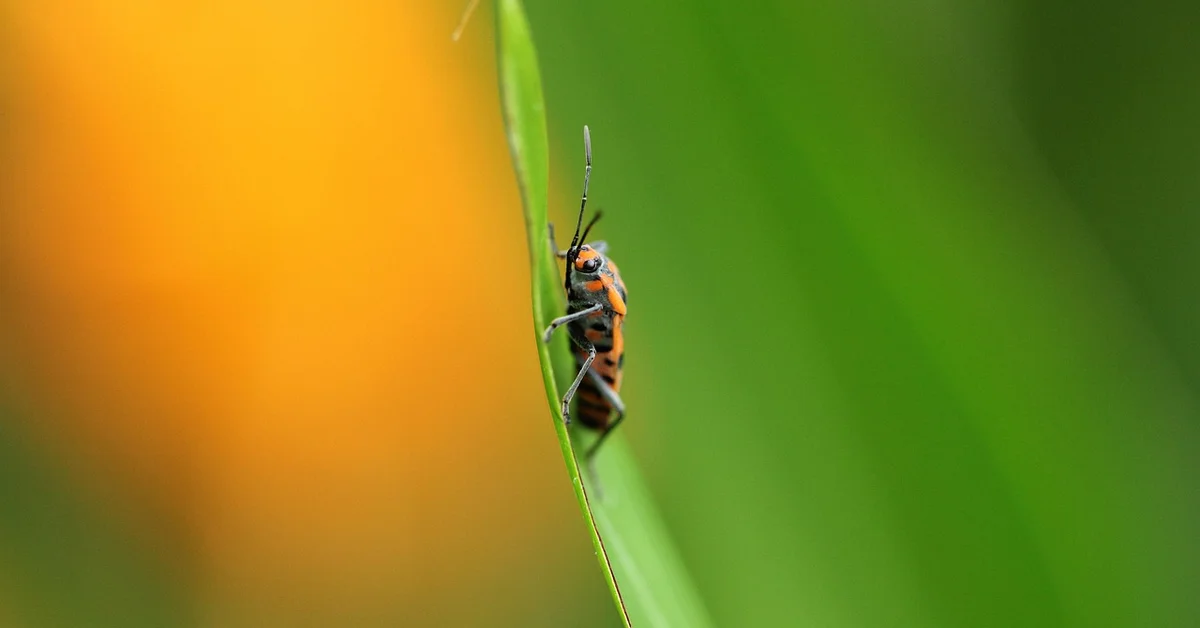
Not all protein is created equal for our tiny companions. Feeding the wrong kinds can lead to serious health complications, so it’s vital to know what to keep out of the food dish.
- Raw Meat or Fish: These can harbor dangerous bacteria like salmonella and pose a significant choking hazard.
- Processed Meats: Foods like bacon, ham, and sausages are loaded with salt, preservatives, and fats that a mouse’s system cannot process.
- Dairy Products: Most mice are lactose intolerant. Milk, cheese, and yogurt can cause painful bloating and digestive upset.
- Raw Beans or Lentils: Uncooked, they contain compounds that can be toxic to mice and are difficult for them to digest.
- Spoiled or Moldy Food: Any food, including protein sources, that shows signs of spoilage must be discarded immediately.
- Wild-Caught Insects: Insects from your garden may have been exposed to pesticides or carry internal parasites. I learned this the hard way with an overeager Kenny, which is why I now only use reputable feeder insects.
- Fireflies: These insects are highly toxic and can be fatal if ingested.
Recognizing Protein-Related Health Issues
Your mouse’s body will give you clear signals if their protein intake is unbalanced. Being observant helps you catch problems early and adjust their diet accordingly.
- Lethargy and Weight Loss: A mouse that seems unusually tired, sleeps more, and is losing weight might not be getting enough protein.
- Poor Coat Condition: Protein is essential for healthy fur. A dull, rough, or thinning coat can indicate a deficiency.
- Over-grooming or Barbering: Mice may excessively groom themselves or their cage mates, sometimes pulling out fur, which can be linked to dietary stress or allergies.
- Digestive Upset: Loose stools or diarrhea are common signs that a particular protein source isn’t agreeing with your pet.
- Skin Irritations or Lumps: Allergic reactions can manifest as itchy skin, redness, or small bumps.
- Unusual Aggression: While rare, a diet too high in protein can sometimes contribute to increased territorial behavior.
What to Do If Your Mouse Reacts Poorly to Protein
If you suspect your mouse is having a negative reaction, stay calm and act methodically. Your quick response can make all the difference. Sudden aggression can be a sign of pain, illness, fear, or environmental stress, so check for other symptoms and recent changes. If the behavior continues or you spot injury, contact a veterinarian or experienced small-animal caregiver.
- Remove the suspected food immediately. Clear their cage of any new treats you’ve recently introduced.
- Provide plenty of fresh water to help flush their system and prevent dehydration, especially if they have diarrhea.
- Revert to their previous, trusted diet of high-quality lab blocks or seed mix for a few days to let their stomach settle.
- Monitor their behavior, energy levels, and droppings closely over the next 24 hours.
- If symptoms are severe-such as prolonged lethargy, no interest in water, or visible distress-contact your veterinarian without delay. Don’t try to diagnose a serious issue yourself.
Common Myths About Feeding Protein to Pet Mice
There’s a lot of well-meaning but incorrect advice floating around. Let’s clear up some of the most persistent myths to ensure your mice get the best care. This preventative mouse health guide will debunk those myths. You’ll find practical, evidence-based tips on housing, diet, handling, and spotting early warning signs to keep your mice healthy.
| Myth | Reality |
|---|---|
| “Young mice need a very high-protein diet to grow.” | While growing mice need slightly more protein than adults, an excessively high level can strain their developing kidneys. A balanced diet is key. |
| “All insects from the pet store are safe.” | You must still ensure they are the appropriate size and come from a source that raises them specifically as feeder insects on a safe diet. |
| “Mice are like tiny people and can eat what we eat.” | A mouse’s metabolism and nutritional needs are vastly different from ours. Our seasoned, processed, and complex foods are often harmful to them. |
| “Protein makes mice fat.” | Protein itself is not fattening; it’s the overall calorie intake and lack of exercise that leads to weight gain. My calm fellow Gregory maintains a perfect weight with his measured protein treats and plenty of wheel time. |
| “If a little is good, a lot is better.” | This is perhaps the most dangerous myth. Protein should always be a supplement, not the main course. Overdoing it can cause serious long-term health issues. |
Frequently Asked Questions
Is it safe to eat proteins derived from mice?
Consuming proteins from mice is generally not considered safe for humans due to potential health risks. Mice can carry pathogens, parasites, and contaminants that may not be fully eliminated without proper processing and cooking. It is advisable to avoid eating mouse-derived proteins unless they are sourced from controlled environments and prepared under strict food safety guidelines.
What health risks are associated with eating mouse proteins?
Eating mouse proteins can expose humans to various health hazards, including bacterial infections like salmonella or leptospirosis, parasitic infestations such as from tapeworms, and viral diseases. Additionally, wild mice might have consumed toxic substances, leading to chemical contamination in their tissues. Proper handling and thorough cooking are essential to reduce these risks, but consumption is still discouraged without expert oversight.
What cooking temperatures are needed to eliminate pathogens in mouse meat?
To make mouse meat safer for consumption, it should be cooked to an internal temperature of at least 165°F (74°C) to kill common pathogens like bacteria and viruses. Using a food thermometer is crucial to ensure even heating, as improper cooking can leave harmful organisms intact. However, due to the high risks involved, it is best to avoid consuming mouse meat altogether and opt for conventional, regulated protein sources.
Your Mice’s Protein Journey
Providing a variety of safe proteins is one of the most rewarding parts of caring for your tiny companions. From the scramble of a cooked egg to the quiet crunch of a mealworm, these foods support their boundless energy and natural foraging instincts, creating a richer, more engaging life for them.
My best advice is to observe your mice closely and rotate these healthy options to discover their personal favorites. Watching my own mice, like bold Kenny or thoughtful Jeffery, explore a new treat is a constant reminder that their well-being is built on these small, thoughtful choices you make every day.
Further Reading & Sources
- What protein sources do your mice like? : r/PetMice
- Can Mice Eat Meat? Our Vet Answers | PangoVet
- What’s the Best Food For Pet Mice? Top Products and Tips – LittleGrabbies
Isabella is a passionate small pet enthusiast with over 8 years of experience in caring for mice. She loves sharing practical tips and heartfelt stories to help fellow mouse owners provide the best care for their tiny companions.
Fresh Foods